





 Portuguese
  English
  Spanish
  3 min of reading
  5 comments


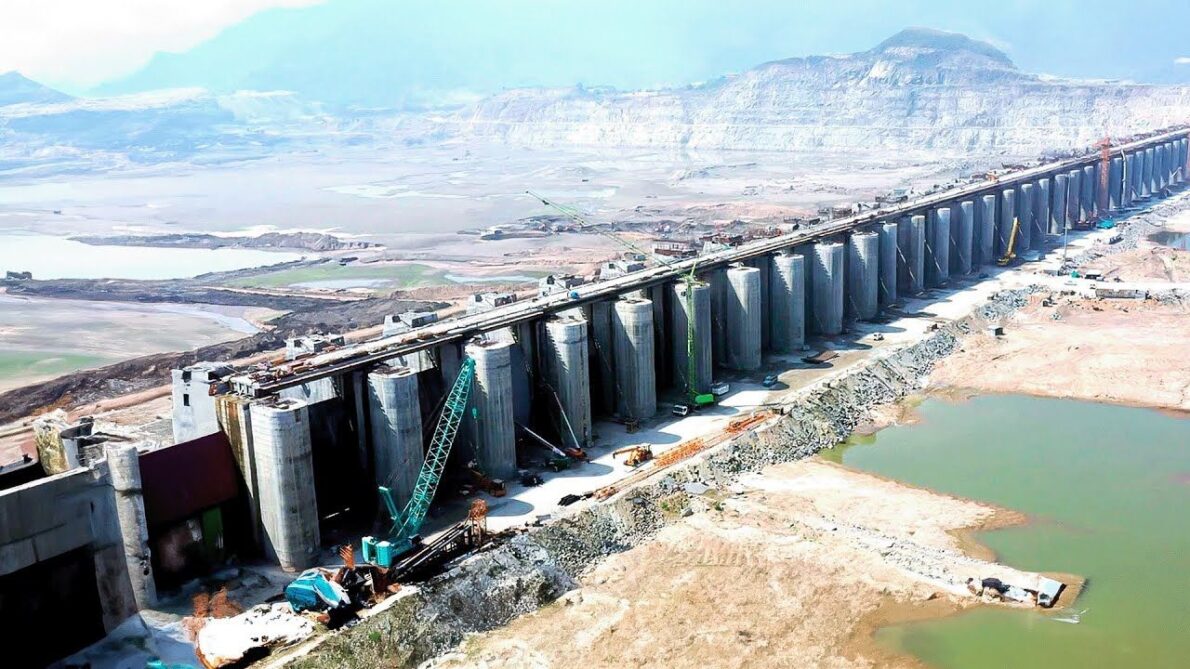

Why Is India Building This Giant Barrier?
In the serene district of Eluru, in the heart of Andhra Pradesh, India is in the midst of constructing a massive barrier that promises to revolutionize agriculture, energy generation, and even tourism in the region. But why is India investing so heavily in the construction of this colossal project?
The Polavaram dam, located on the banks of the Godavari River, is much more than just an engineering project; it is a promise of transformation for India, especially for the region of Andhra Pradesh. With its multiple functions, which include irrigation, power generation, and water storage, the dam has already been elevated to the status of a national project by the central government.
Still Under Construction, the Polavaram Dam Is Already Impressive


Still under construction, the Polavaram dam is already impressive for its massive reservoir, which will stretch approximately 150 km. This monumental work aims not only to irrigate vast areas but also promises to bring life and prosperity to regions that have long suffered from water scarcity. The construction of this infrastructure is not just an engineering feat; it is an attempt by India to transform its rural and economic landscape, with impacts that could be immeasurable.
-
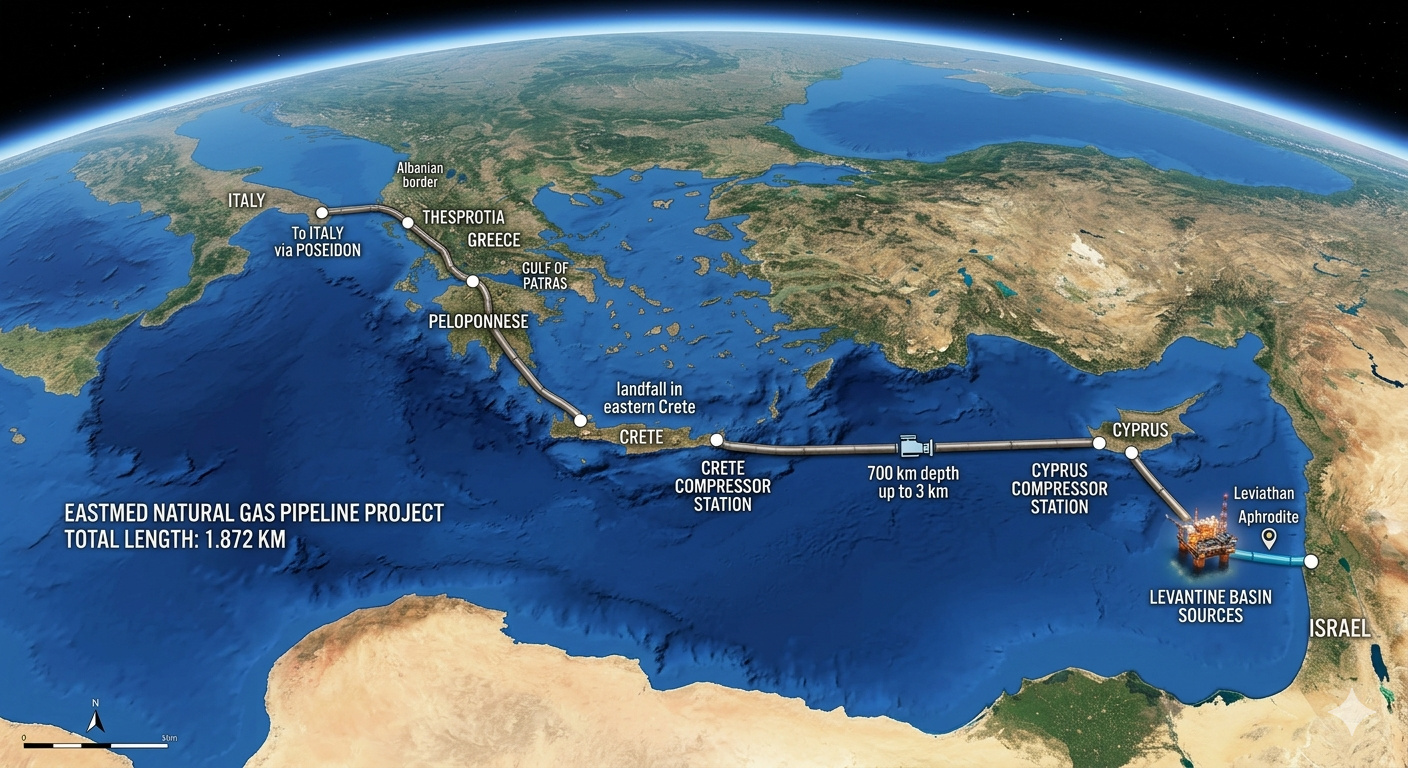
Israel, Greece, and Cyprus signed an agreement in 2020 to transport gas from the Mediterranean to Europe via a 1,872 km pipeline, but Turkey claimed sovereignty over part of the maritime route, and the project never materialized.
-
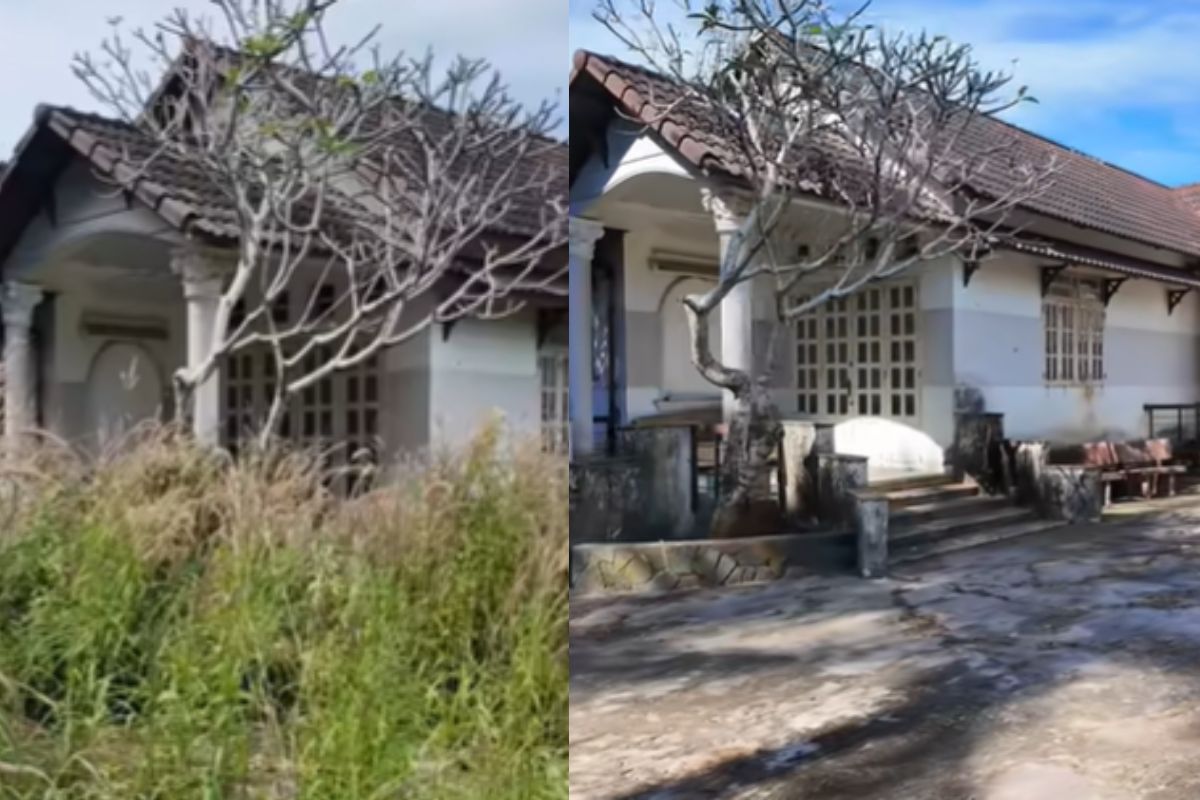
Abandoned house for 15 years disappears in the woods, shocks owner with unrecognizable scenery and is reborn in an intense transformation after almost 90 hours of work in just 10 days.
-
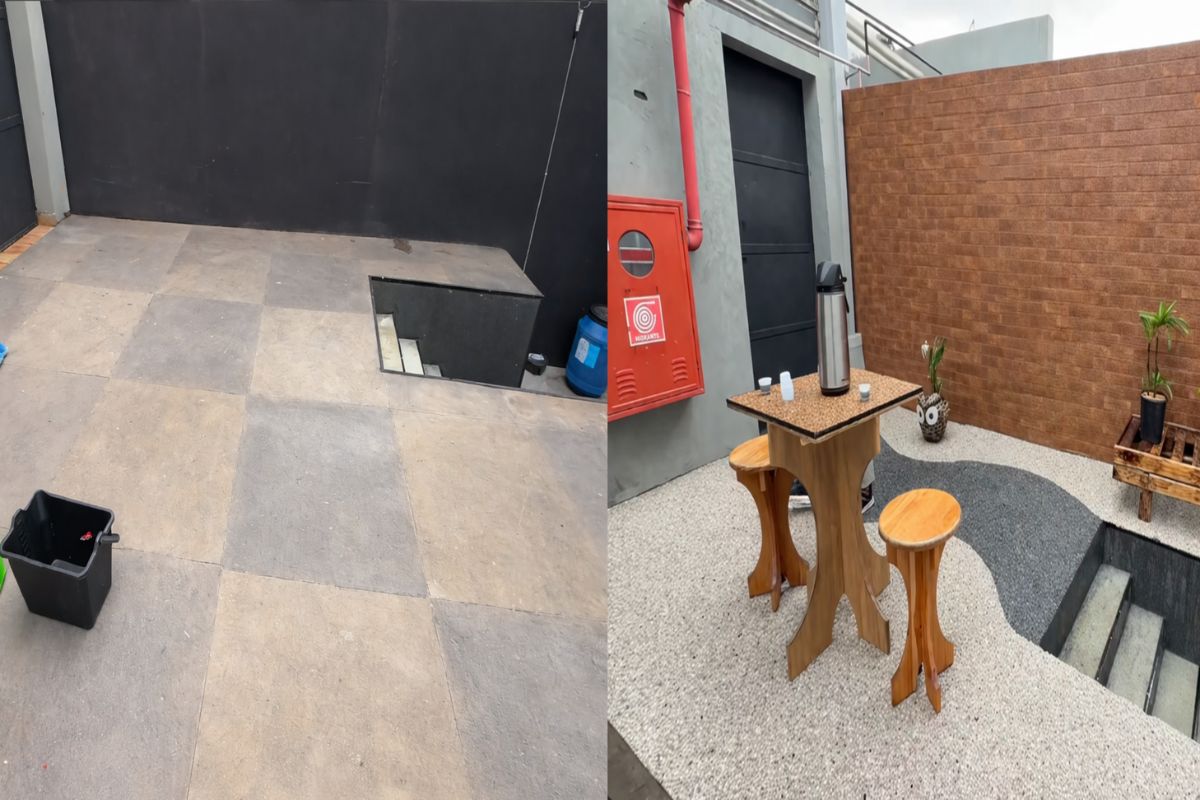
In just three hours, a natural stone floor transforms the entrance of the house with an organic effect, immediate drainage, and a sophisticated non-slip finish that doesn’t puddle water, dries quickly, and impresses with the final result.
-
‘Interlocking brick’ made of earth arrives in the construction industry with cost reductions of up to 40% on the project.


The promise of development is clear: upon completing the dam, India hopes to enhance agriculture, increase hydropower generation, and transform the area around the reservoir into a vibrant tourism hub, significantly contributing to the local economy.
Project Faces a Series of Criticisms
On the other hand, the construction of this giant barrier is not without controversies. The project faces a series of criticisms, primarily due to its social and environmental impacts. It is estimated that approximately 44,000 families will be displaced as a result of the project, chiefly affecting tribal communities that represent 50% of the impacted population. Additionally, the submergence of archaeological sites and significant areas of the Papikonda National Park raises serious questions about sustainability and the preservation of cultural heritage.
The complexity of the project does not stop there. India is also facing legal disputes with the states of Odisha and Chhattisgarh, which question the cross-border impact of the work. These controversies not only delay the construction progress but also highlight the need for a more inclusive and transparent approach in managing large-scale projects.
The Future of the Polavaram Dam Construction Promises to Be Bright
Despite the challenges, the future of the Polavaram dam construction promises to be bright. The interlinking of rivers and the creation of a new coastal reservoir are just a few of the initiatives planned to ensure the region’s water and energy sustainability. India sees this project as an integrated solution to the environmental, agricultural, and economic challenges it faces.
Ultimately, the construction of the Polavaram dam is more than just a project; it is an ambitious vision for the future of India. By balancing growth and conservation, India hopes that this work will leave a lasting legacy, not only for Andhra Pradesh but for the entire country. It remains to be seen whether the promised benefits will be sufficient to justify the sacrifices made along the way.








A China segue em ritmo acelerado a revolução em sua infraestrutura. Os países Árabes do mesmo modo . Temos que aplaudir a Índia pela iniciativa. O ambientalismo radical,prefere sacrificar o presente e o futuro em nome de um passado que eles após conhecido será ignorado.
Maravilha de tecnologia e importante passo para armazenar água. Mas ficou curioso e querendo entender e aprender, e o equilíbrio do eixo da terra?
Parabéns a Índia, infelizmente paramos a construção hidreletricas no Brasil, mesmo sendo referência no mundo neste tipo de empreendimento, afinal aqui virou mera fábricas de produção de MWh.