





 Portuguese
  English
  Spanish
  3 min of reading
  0 comments


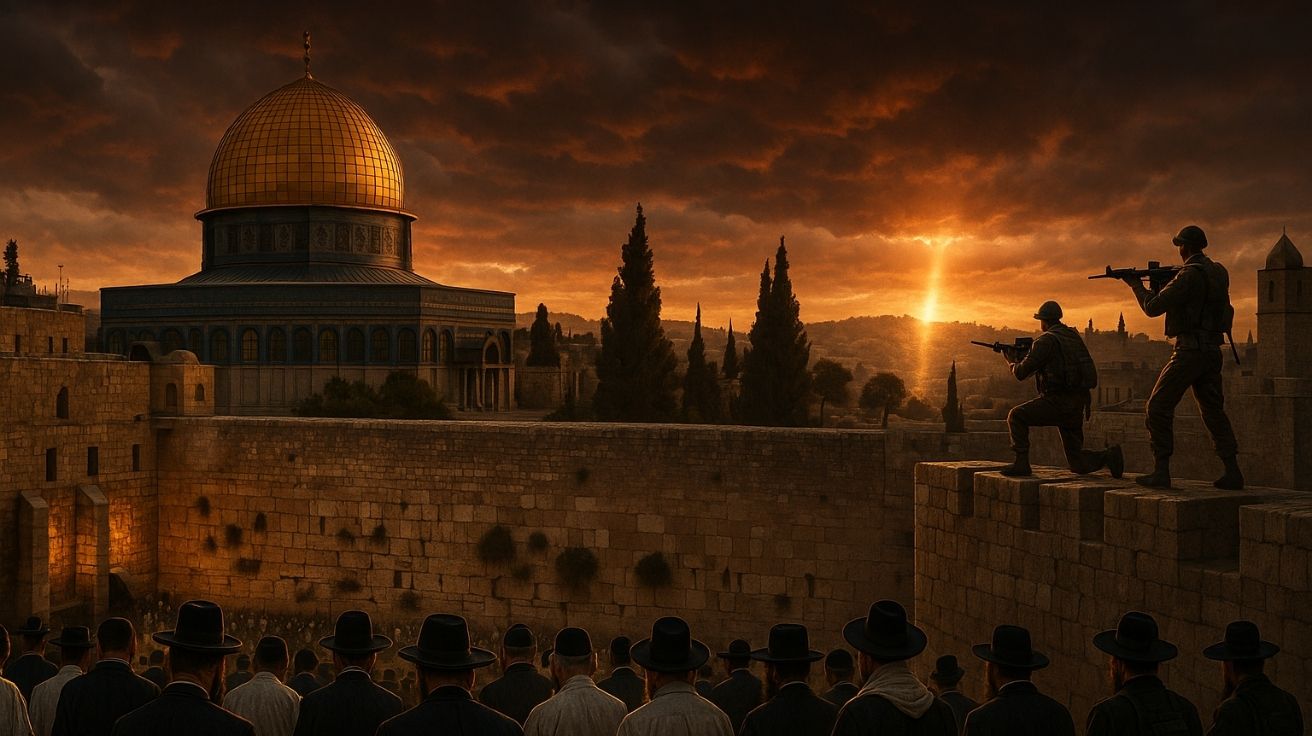
From Prophetic Attacks in Ezekiel to Alliances with the Antichrist and the Return of Christ in Jerusalem, Scriptures from the Old and New Testament Describe the Central Role of Israel in the End Times
The role of Israel in the Last Days, according to the Holy Scriptures, involves wars, alliances for peace, betrayals, and a final divine intervention.
Biblical passages from books like Ezekiel, Daniel, and Revelation have been interpreted by religious scholars as predictions of current events in the Middle East, rekindling discussions about prophetic fulfillment.
Conflicts, Clouds of War, and God’s Clock
In Ezekiel 38, the Bible mentions that Israel in the last days will be attacked “like a cloud of storm“, a reference that Christian scholars associate with the current tensions with Iran, Hamas, and allies.
-
The Argentine government celebrates the lowest poverty rate in 7 years, but experts warn that the methodology has changed, real wages have fallen, unemployment has risen, and the number of people on the streets of Buenos Aires has increased by 57% since Milei took office.

-
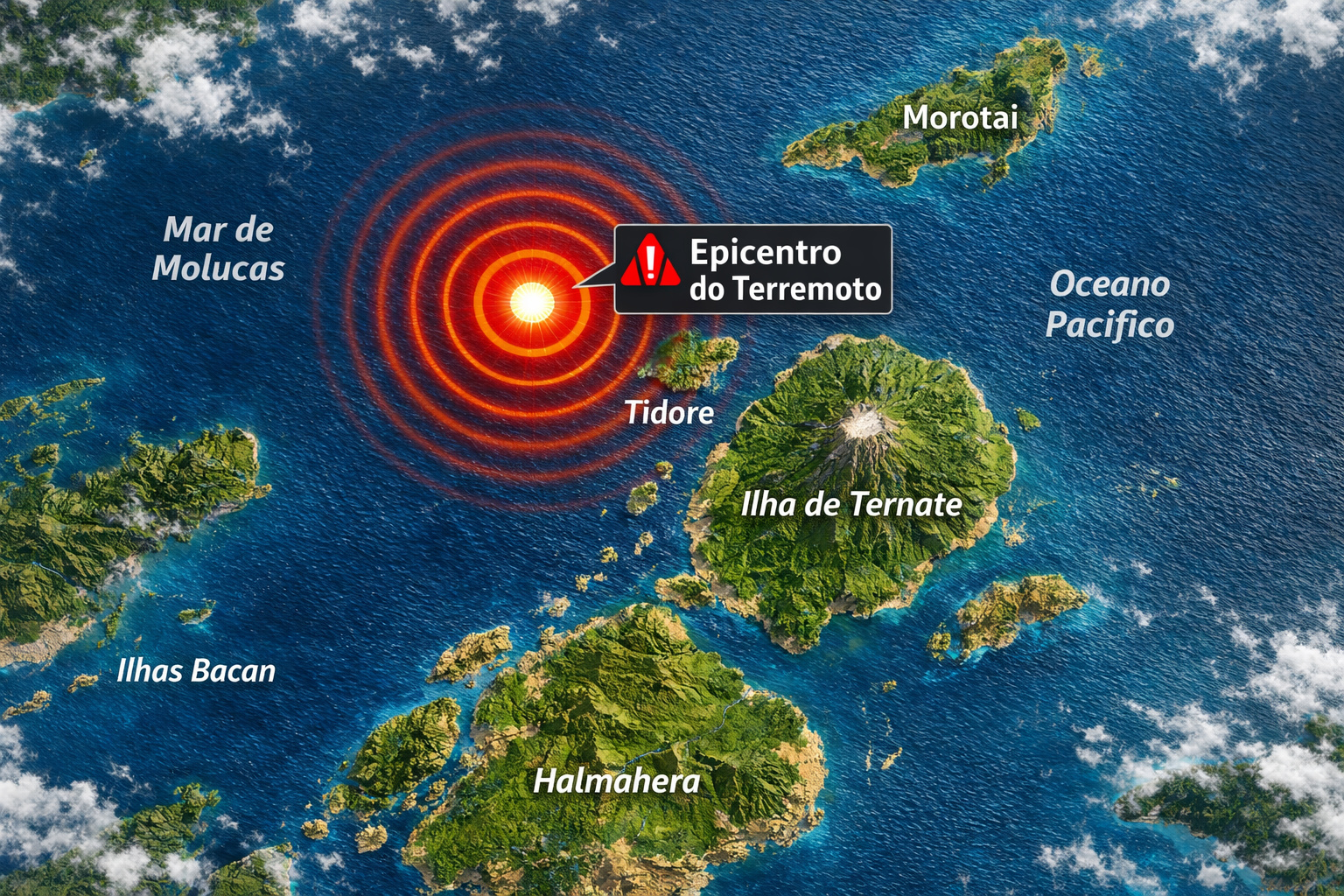
7.8 magnitude earthquake in Indonesia frightens the population, triggers tsunami alert, and hits an island with over 200,000 inhabitants this Thursday.
-
Google will finally let you change that embarrassing Gmail address you created in your teenage years without losing any accounts, logins, or old emails: the feature is already available in the United States.

-
Heading to Brazil in a Bonanza F33 single-engine aircraft: a couple departs from Florida on a visual flight, makes technical stops in the Caribbean to refuel and organize paperwork, and begins the staged crossing until they reach the country.

Israel is considered by some eschatological doctrines as “God’s clock,” with each war and attempt at peace serving as a prophetic milestone.
This view is also supported by Zechariah 12:3, where Jerusalem is described as a “burdensome stone for all nations,” alluding to the city’s central role in international conflicts.
In the New Testament, the book of Revelation reinforces the idea of a siege against Israel, followed by the manifestation of divine intervention.
Daniel 9:27 strengthens the symbolism by mentioning a seven-year covenant made with many, which would be broken in the middle.
This passage is seen as a reference to the rise of the Antichrist and the false peace that would precede a sudden destruction.
Prophecies about the Antichrist and False Peace for Israel in the Last Days
In 1 Thessalonians 5:3, there is a warning: “When they say: ‘Peace and safety,’ then sudden destruction comes upon them.”
For many religious individuals, the recent debate over a peace agreement between Israel and Hamas would be yet another sign of this eschatological scenario, directly linking current events to ancient prophecies.
Other texts reinforce this line of interpretation. According to Revelation 13:7-8, the Antichrist will rise with global authority, being worshiped by nations and tribes.
This figure would be behind the false peace treaty that would deceive Israel and the world, setting the stage for the final war.
Zechariah 14 is also cited by religious denominations in predicting that Jerusalem will be attacked by many nations, but that God will intervene directly to defend His people, turning the city into the epicenter of a supernatural event.
The Punishment, the Dispersion, and the Promise of Restoration
The book of Amos chapter 9, in turn, portrays divine judgment on Israel for its unfaithfulness, describing punishments that involve persecutions, exiles, and destruction.
Yet, the text concludes with a promise of restoration: Israel will be planted again in its land and will never be uprooted.
This idea of restoration is also present in historical accounts of destruction and rebuilding. The fall of Solomon’s Temple in 587 B.C., the captivity in Babylon, and the destruction of the Second Temple in 70 A.D. are seen by biblical scholars as cycles of discipline and spiritual rebirth of the Israelite people.
The Jewish diaspora, the Holocaust, and the return of the Jewish people to their homeland in 1948 are, for many Christians, a literal fulfillment of these prophecies, especially in light of texts like Isaiah and Jeremiah.
Geopolitics and the Modern Eschatological Reading
Even with the strong religious presence in the interpretations of events, experts in geopolitics warn that the conflicts in the Middle East should also be analyzed through historical, political, and economic lenses.
The rivalry between Israel and Palestine, aggravated by territorial occupation and the dispute over Jerusalem, dates back to the 20th century.
In addition to internal issues, powers such as the United States, Iran, Russia, and Arab countries operate directly in the region, influencing agreements, embargoes, and military actions.
This international chessboard adds complex layers to the strictly prophetic reading of events.









-

-

-

-

-

14 pessoas reagiram a isso.