





 Portuguese
  English
  Spanish
  4 min of reading
  0 comments



Digital Inheritance Is Already Reaching the Courts: Courts Recognize That Social Media Profiles and Online Accounts Can Be Inherited and Transferred to Relatives.
In the past, inheritances involved only tangible assets: houses, land, vehicles, and bank accounts. But in the 21st century, a new asset emerges that is worth as much as — or even more than — many physical assets: digital assets.
Social media profiles, email accounts, virtual libraries, YouTube channels, and even cryptocurrency wallets are now part of everyday life. But what happens to these assets when someone passes away?
This is the question that Brazilian and international courts are beginning to address: after all, can digital assets be inherited?
-
The Argentine government celebrates the lowest poverty rate in 7 years, but experts warn that the methodology has changed, real wages have fallen, unemployment has risen, and the number of people on the streets of Buenos Aires has increased by 57% since Milei took office.

-
7.8 magnitude earthquake in Indonesia frightens the population, triggers tsunami alert, and hits an island with over 200,000 inhabitants this Thursday.

-
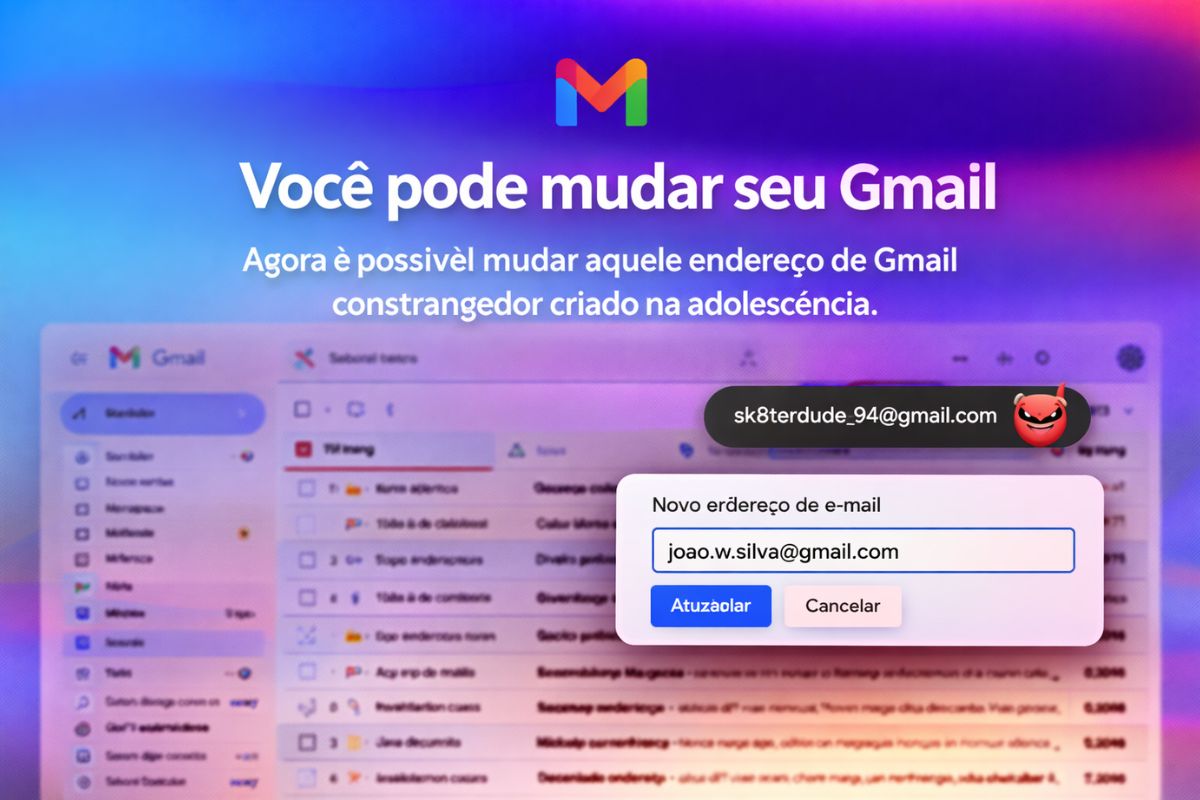
Google will finally let you change that embarrassing Gmail address you created in your teenage years without losing any accounts, logins, or old emails: the feature is already available in the United States.
-
Heading to Brazil in a Bonanza F33 single-engine aircraft: a couple departs from Florida on a visual flight, makes technical stops in the Caribbean to refuel and organize paperwork, and begins the staged crossing until they reach the country.

Courts Recognize Digital Inheritance
The answer is yes — at least in several cases that have already been analyzed. State courts and the STJ itself have acknowledged that social media profiles and digital accounts are part of the deceased’s estate and can be transferred to heirs.
The jurisprudence has relied on the Article 1,788 of the Civil Code, which guarantees the transfer of all the deceased’s estate to their successors. As the law does not distinguish between physical and digital assets, judges have begun applying the principle of universality of inheritance.
In practice, this means that digital inheritance already exists in Brazil, even without specific legislation.
Real Cases in Brazil
In São Paulo, a court ruled that family members should have access to messages and photos stored in the social media accounts of a deceased person. The argument was that the content was part of the family’s emotional memory and should be preserved.
In Rio Grande do Sul, another case dealt with the inheritance of airline miles and points accumulated in digital programs, recognizing that such credits have economic value and are therefore part of the inheritance.
These precedents show that the Justice System already admits that data, virtual credits, and online profiles are transferable.
The Controversies Surrounding Social Media
Despite advancements, these cases still generate controversies. Platforms like Facebook, Instagram, and Google have their own rules regarding the fate of inactive accounts after death.
- Facebook allows the account to be turned into a “memorial”, but complete access to private messages depends on a court order.
- Instagram follows the same line, allowing account freezing for tribute purposes.
- Google created the “Inactive Account Manager” tool, where users can pre-select who will have access.
In the absence of these settings, it is up to the Justice System to decide the fate of the profile — and that’s where digital inheritance comes in.
The Economic Value of the Digital World
In addition to emotional memory, digital inheritance can have enormous economic value.
- Digital influencers have millions of followers and monetize channels on YouTube, TikTok, and Instagram.
- Libraries of music, movies, and e-books purchased on platforms like Amazon and Apple can amount to thousands of reais.
- Cryptocurrencies and NFTs are among the most valuable assets and depend on passwords and access keys that are often not recorded in inventories.
In all these cases, the absence of clear rules can lead to the permanent loss of assets if the family does not have legal access to the accounts.
Legislative Proposals on Digital Inheritance
In the National Congress, there are already proposals to regulate digital inheritance in Brazil. They aim to define which data and accounts can be transferred, how access will be granted, and what limits should exist to preserve the dignity of the deceased.
The trend is that the country will adopt legislation similar to that of European countries, which already expressly recognize succession rights over digital assets.
Legal and Ethical Challenges
Digital inheritance also raises ethical questions:
- Should family members have access to all private messages of the deceased?
- Does the right to privacy continue even after death?
- To what extent can the content be used or sold by the heirs?
These questions remain open and are expected to generate lengthy judicial debates in the coming years.
An Increasingly Urgent Topic
With each passing day, people are accumulating more digital assets than physical ones. Photos, music, passwords, access keys, and followers already represent an invisible fortune that is often forgotten in inventories.
Without planning, this wealth can simply disappear. With recent decisions, Brazilian courts are already indicating a path: digital inheritance is part of the estate and should be protected.
Digital Inheritance: The Invisible Asset That Is Already a Reality
Digital inheritance has ceased to be fiction. Social media profiles, YouTube channels, virtual libraries, and even cryptocurrencies are already recognized as part of the deceased’s estate.
It is now up to legislation to consolidate clear rules, ensuring both the rights of heirs and respect for the memory and privacy of the deceased.
Until then, the number of families seeking the courts to access digital assets is growing — a sign that the assets of the future have already arrived and cannot be ignored.










Seja o primeiro a reagir!