





 English
  Francês
  Alemão
  Italiano
  Japonês
  Norueguês
  Portuguese
  Spanish
  5 min of reading
  0 comments


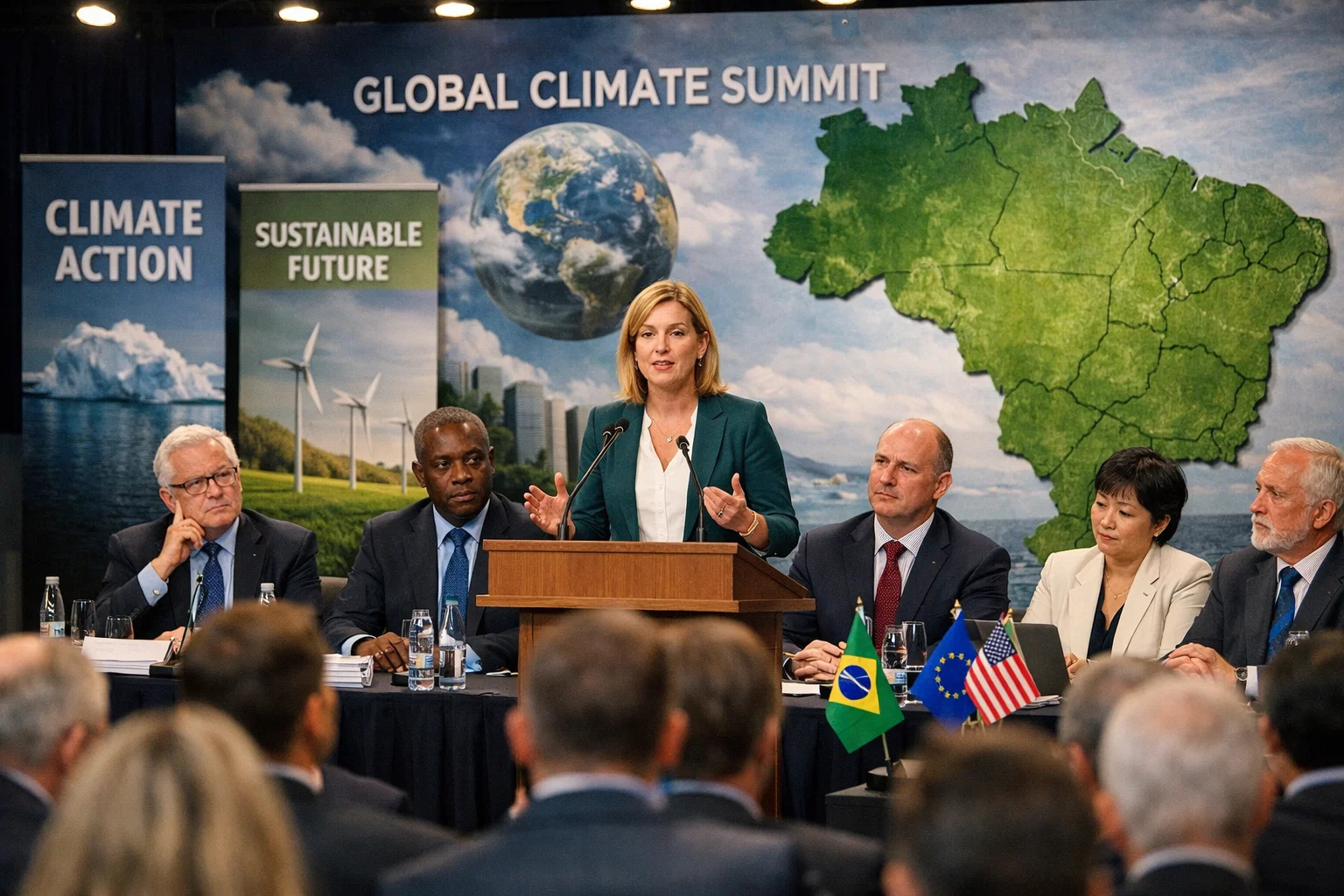
With 2030 Approaching, Companies, Governments, and Investors Face a New Phase of the Global Climate Agenda, Marked by Demands for Real Results, Climate Adaptation, Bioeconomy, and Strategic Use of Technology
When the spotlight of the COP30 fades, the debate on sustainability enters a less visible, yet much more decisive moment. After all, with the year 2030 on the horizon, companies, governments, and investors can no longer rely solely on ambitious announcements or distant goals. From now on, the focus shifts: turning commitments into concrete and measurable results.
In this context, the cycle of the Sustainable Development Goals (SDGs) reaches a critical point. Promises made over the past years need to be converted into real strategic decisions, with defined deadlines, clear metrics, and verifiable impacts. Thus, the post-COP period does not represent a pause in the global climate agenda. On the contrary, it reveals which organizations are truly prepared to execute structural changes and which have only relied on narrative.
According to information released by Folha in the “Papo de Responsa” section, this was precisely the main reflection of the Agenda 30 meeting, which brought together business leaders and experts to discuss how Brazil and its companies are positioning themselves in the final stretch of the global sustainability agenda.
-
With earth, bamboo, straw, and lime mortar, a specialist builds a house for just over $460 and draws attention for its cost being much lower than traditional construction.

-
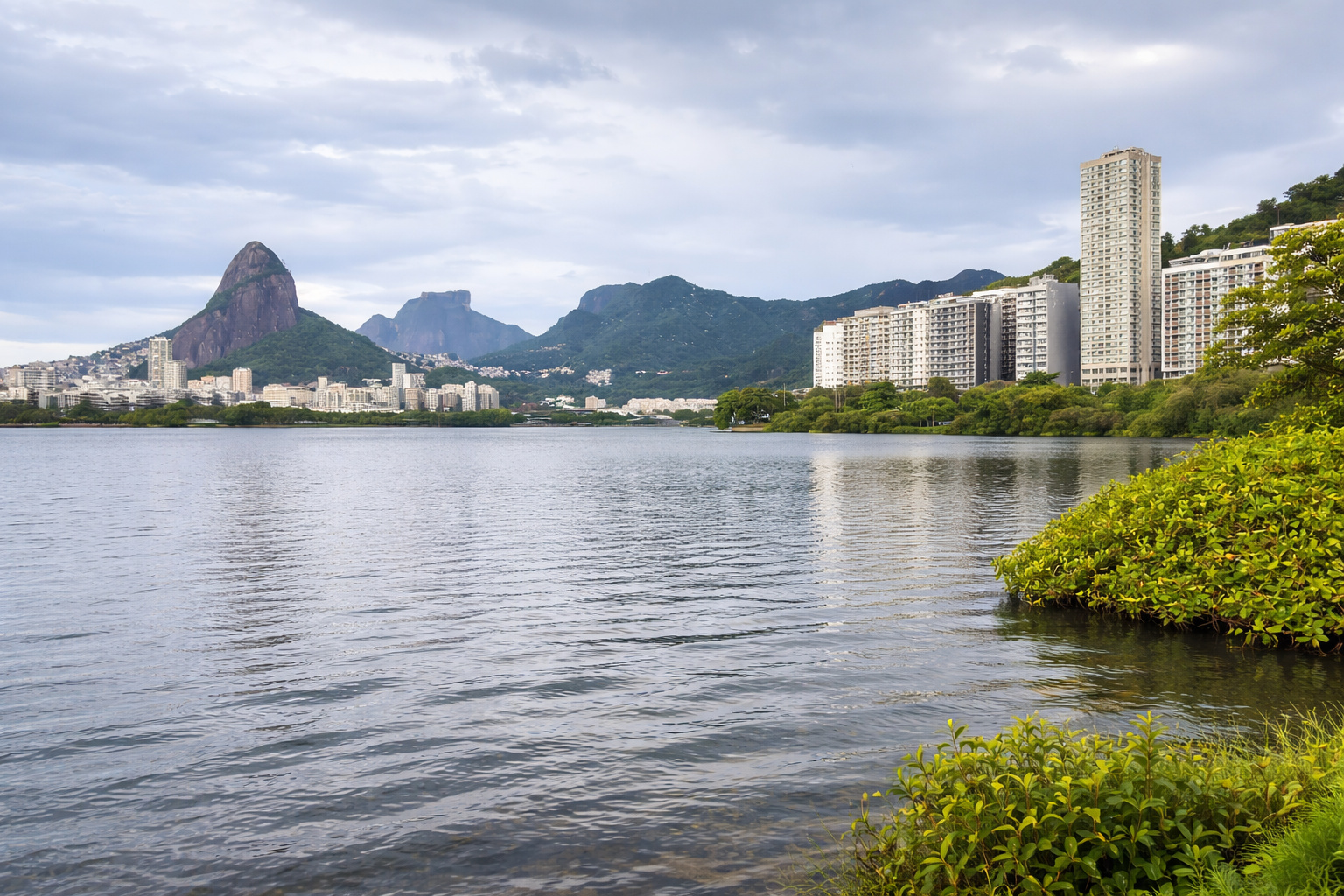
Rodrigo de Freitas Lagoon advances in environmental recovery with sanitation, elimination of irregular sewage, and the resumption of water sports in Rio de Janeiro.
-
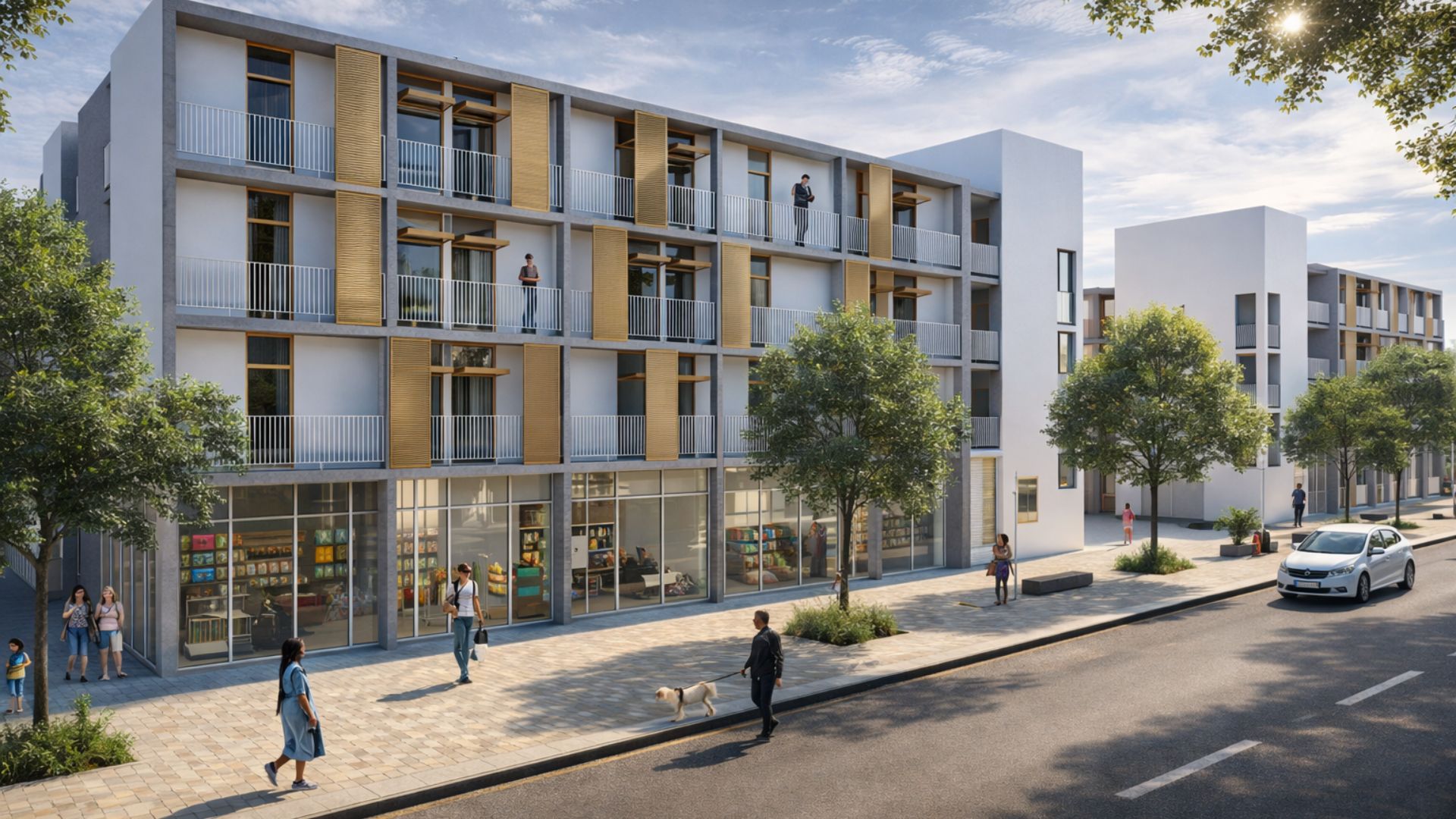
Sustainable housing gains strength with a nationally awarded project in Campo Grande, highlighting innovative solutions that combine sustainability, urban integration, and efficiency in the use of natural resources.
-
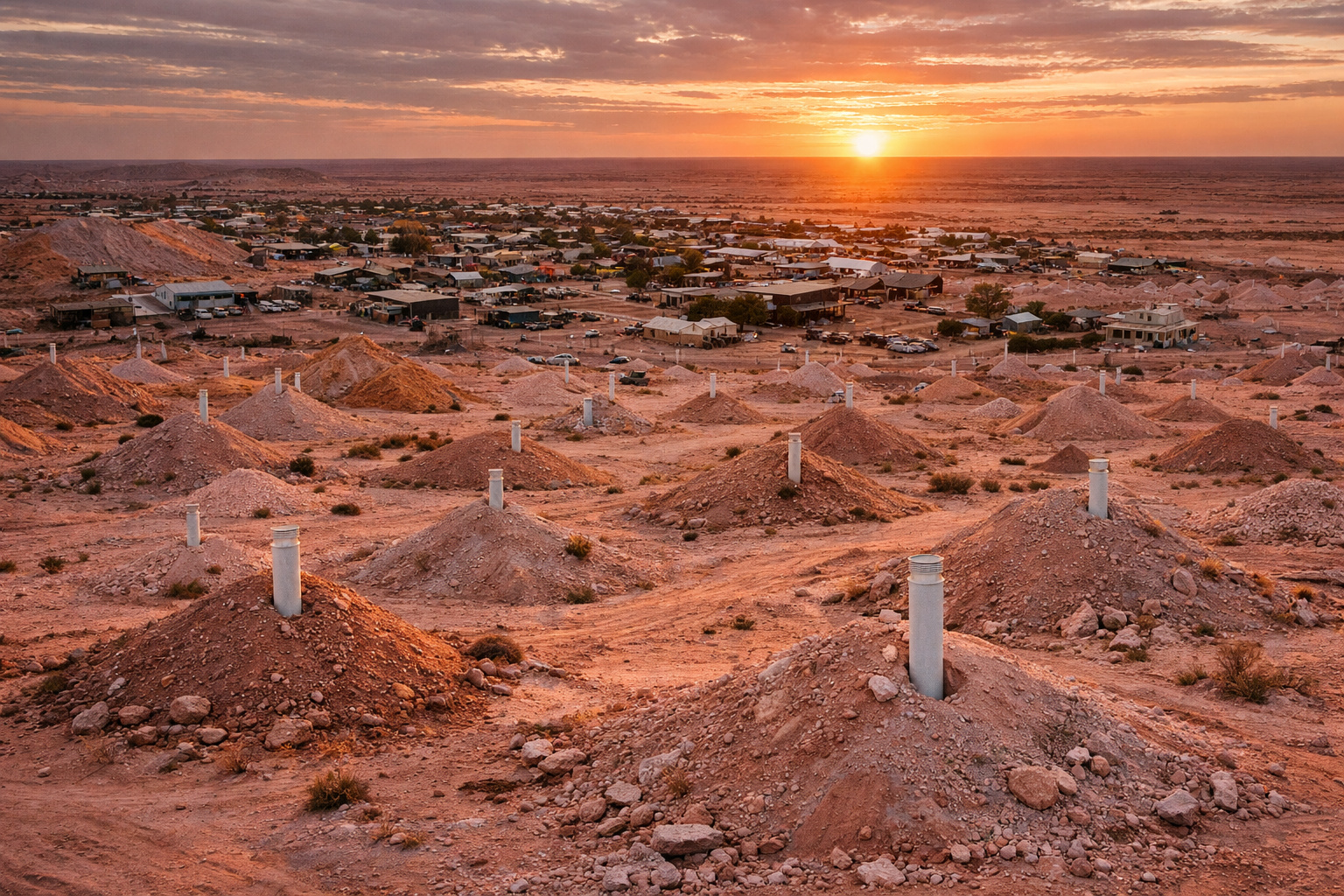
City Where Residents Live Underground to Escape 52°C May Be a Picture of the Future on an Increasingly Hot Planet

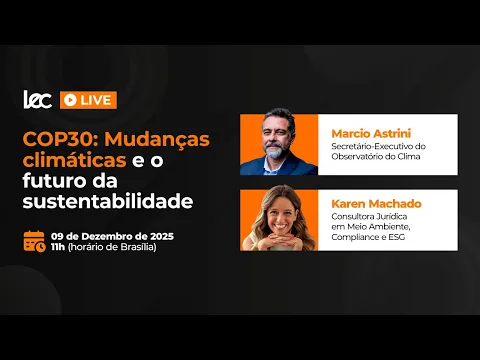
Post-COP30 Opens a Phase of Demands for Results and Stricter Climate Governance
The assessment made by experts is quite straightforward. The conclusion of the conference does not mean a reduction in global pressure. On the contrary, it marks a shift in dynamics, with an increasing demand for results, more rigorous governance, and greater scrutiny from investors, consumers, and society itself.
Although building consensus on sensitive issues faced setbacks during international negotiations, work continues. Various groups remain active, while negotiations continue to advance in areas that have yet to be formally approved, such as developing a more detailed roadmap for implementing climate targets.
Thus, the global environmental agenda does not regress. In practice, it merely shifts to less visible and more technical spaces, where structural decisions are debated away from the media spotlight and major international conferences.
At the same time, this new stage of the climate agenda highlights an increasingly clear contrast among organizations. While some companies review targets and accelerate internal transformations, others continue to uphold commitments, understanding that sustainability is no longer just a reputational element. Today, it occupies the center of corporate strategies and investment decisions.

Climate Adaptation Becomes a Growing Market and Reveals a New Economic Reality
As this new global scenario advances, climate adaptation is no longer seen as a distant projection and takes center stage as a market in full formation. This happens, especially because the impacts of climate change are already being perceived concretely in various regions of the planet.
Consequently, products, services, and solutions aimed at adaptation are scaling up as companies, governments, and consumers face increasingly frequent extreme weather events.
An important piece of data helps illustrate this reality. According to a study by the Talanoa Institute, one in four Brazilians from classes A, B, and C reports having been displaced by climate events. This number reinforces that adaptation has ceased to be an optional agenda and has become an immediate necessity.
Furthermore, the announcement of the UN Global Compact regarding a new tool to support climate adaptation strategies demonstrates that the topic is rapidly moving from the conceptual field to the operational.
This transformation also highlights a clear division within the market. On one side are organizations that are already adjusting their business models for a new climate regime. On the other, there remain those that still treat adaptation as an additional cost, despite the fact that it has already emerged as an important factor of resilience, efficiency, and competitiveness in the medium and long term.
Bioeconomy and Artificial Intelligence Take Center Stage in the New Sustainable Economy
Another topic gaining increasing prominence is bioeconomy. The transition to a nature-positive economy is beginning to be viewed not only as a strategy for mitigating environmental risks but also as a concrete opportunity for economic growth, innovation, and job creation.
Global estimates point to an impressive potential: up to US$ 10 trillion in economic value and around 395 million jobs by 2030. In this scenario, Brazil emerges as a strategic player, primarily due to its enormous biodiversity, productive capacity, and territorial diversity.
These characteristics position the country as a true living laboratory for the transition to a more sustainable economy, based on the intelligent use of socio-biodiversity.
Gradually, the private sector begins to reflect this logic in practical initiatives. Companies have sought to connect consumption, territory, and economic development while stimulating local productive chains and valuing products linked to Brazilian socio-biodiversity.
Still, experts point out that there is ample room for expanding this agenda. Scale, coordination, and consistency remain significant challenges to consolidate the potential of bioeconomy in the country.
At the same time, the advancement of artificial intelligence also enters the debate on sustainability. While technology expands possibilities in various fields, it also reveals structural challenges, mainly related to energy consumption.
According to the International Energy Agency, artificial intelligence systems currently account for approximately 1.5% of global electricity consumption. Moreover, Brazil currently ranks 12th in the world in data centers, which broadens both the opportunities and responsibilities of the country in constructing a more efficient digital infrastructure.
Given this scenario, the responses are still in the initial phase. However, technological advances that enhance access to ESG data and improve the quality of corporate decisions indicate a market increasingly attentive to transparency, materiality, and coherence between discourse and practice.
With just a few years left until 2030, the scenario reveals an evident contrast between companies. Some continue to review targets and accelerate structural transformations. Others maintain firm commitments, understanding that sustainability has ceased to be merely a strategic choice and has definitively come to occupy the center of economic, business, and investment decisions.
Source: Folha de S. Paulo







-

Uma pessoa reagiu a isso.