





 Portuguese
  English
  Spanish
  5 min of reading
  37 comments


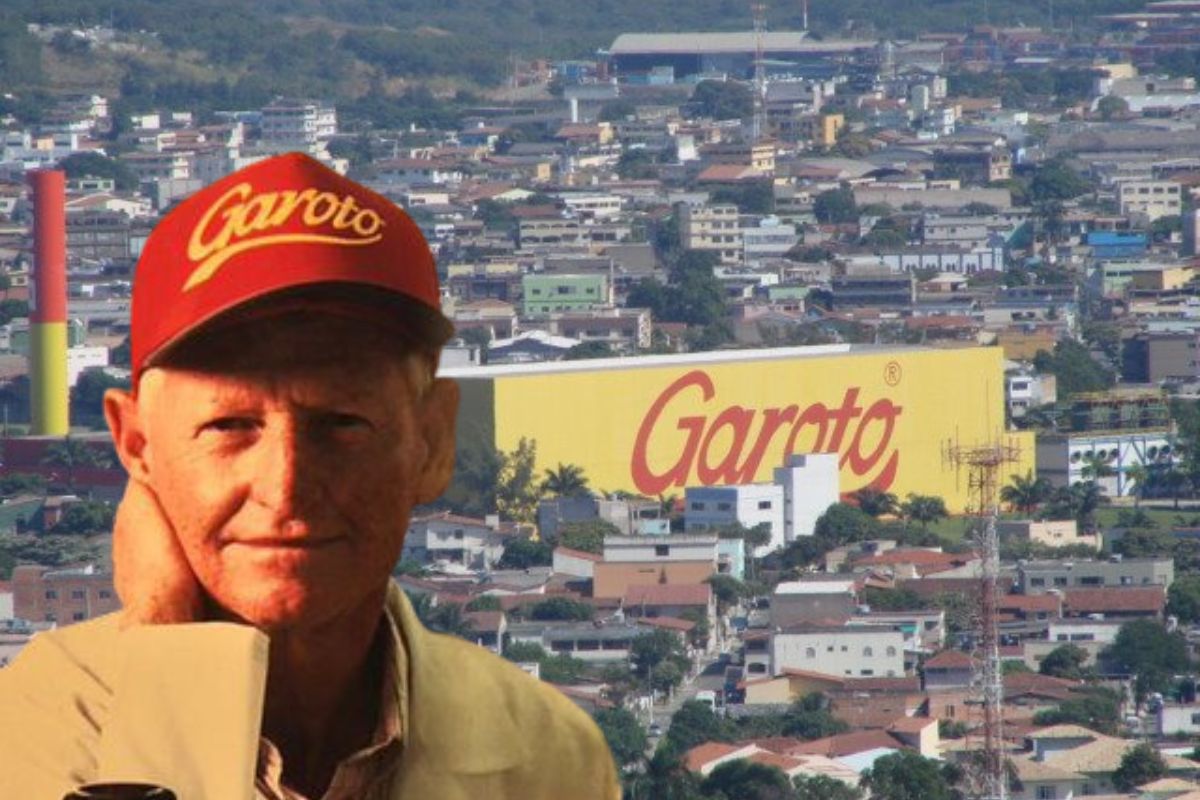


The History of the Capixaba Giant Founded by German Immigrant Henrique Meyerfreund, Marked by Family Disputes and a Controversial Sale to Nestlé After a Long Dispute in CADE.
Who would have thought that candies sold by boys would become one of the largest chocolate factories in the world? This is the story of Garoto. The company survived family crises and World War II. The war led its founder, Henrique Meyerfreund, to prison.
Brands like Batom and Serenata de Amor won over Brazil. But internal rivalries led to a corporate coup. The family lost control to Nestlé after a controversial CADE decision.
The Journey of Henrique Meyerfreund from Germany to Brazil
The founder of Garoto was Henrique Meyerfreund. He was a German immigrant. He arrived in Brazil in 1921, fleeing the difficulties of post-World War I Germany. His initial destination was the U.S., but that was not possible. On the ship, he met a Frenchman who was coming to Espírito Santo.
-
Italian researchers have detected what appears to be a second Sphinx buried under the sands of Egypt, and satellite scans reveal a gigantic underground megastructure hidden beneath the Giza Plateau for over 3,000 years.

-
There are 4,223 drums and 1,343 metal boxes concreted with 50-centimeter walls that store the radioactive waste from Cesium-137 in the worst radiological accident in Brazil, just 23 kilometers from Goiânia, with environmental monitoring every three months.

-
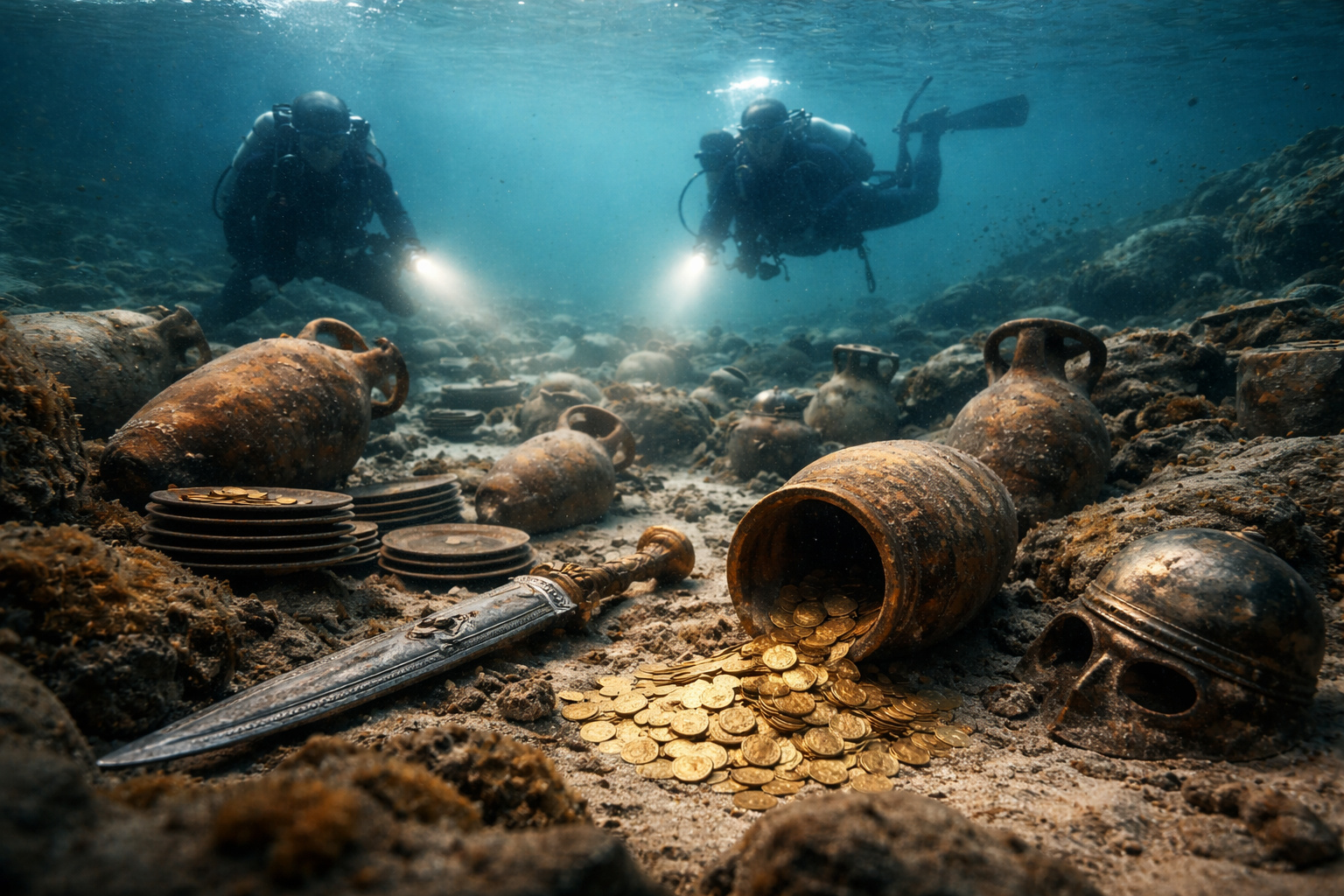
Giant Roman treasure found at the bottom of Lake Neuchâtel in Switzerland reveals an advanced trade system, circulation of goods, and armed escort in the Roman Empire about two thousand years ago.
-
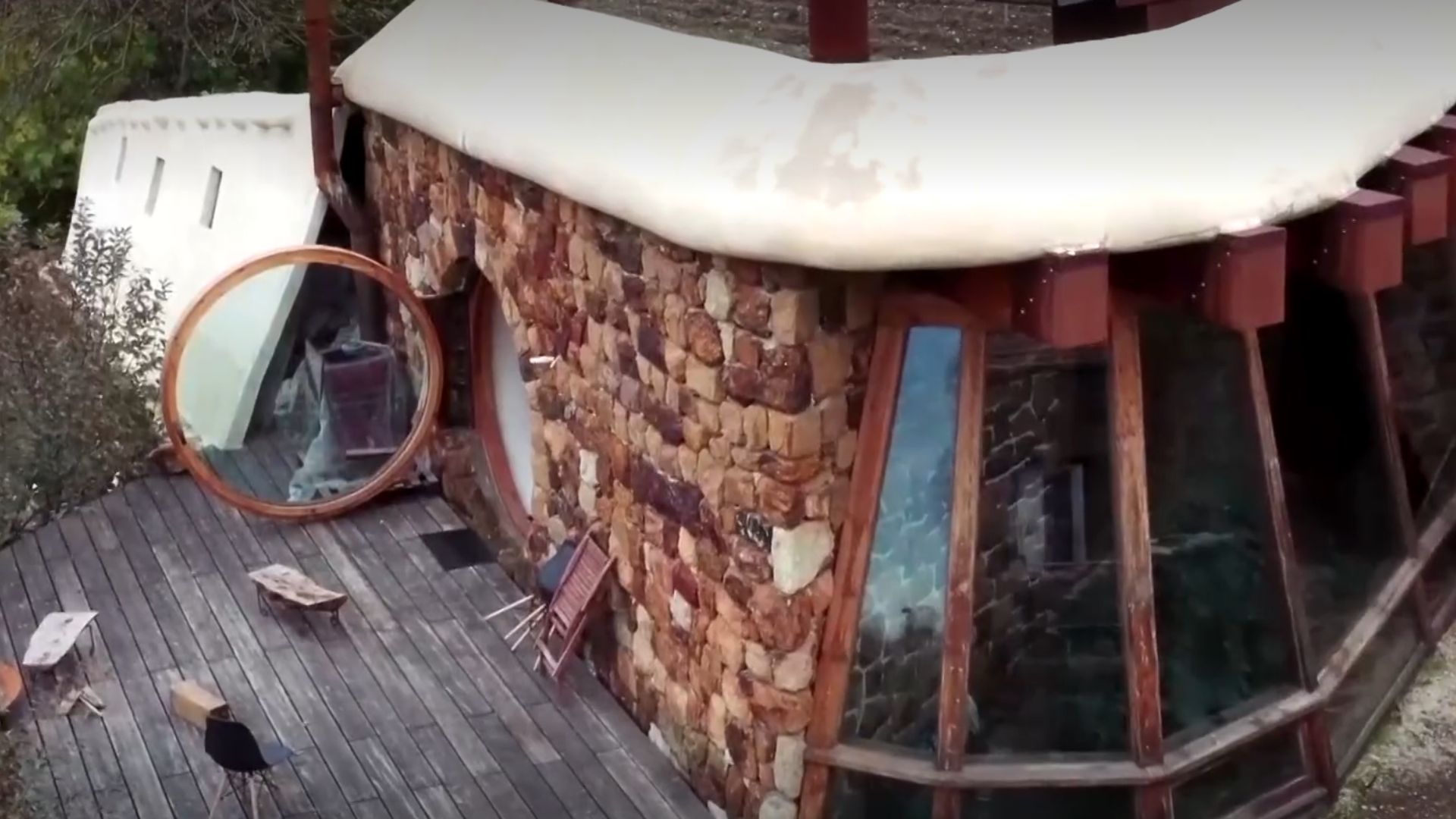
He buried 1,200 old tires in the walls to build his own self-sufficient house in the mountains with glass bottles, rainwater, and an integrated greenhouse.

He accepted the invitation and came along to work as a land surveyor’s assistant. He quickly learned Portuguese. After a year, he contracted malaria. He was helped by a compatriot, Wilhelm Meyer. Once recovered, he worked at Meyer’s coffee roasting business.
Garoto is Born: From Boys’ Candies to the Chocolate Factory

Working at the roasting, Henrique Meyerfreund envisioned a business of his own: candies. There was little competition, and demand was high. In 1926, Meyer loaned him a machine to get started. Henrique returned to Germany to learn more, but the first attempt failed. He went back to Germany for another year of internships at candy and chocolate factories.
Back in Brazil in 1928, he registered the company H. Meyerfreund & Cia. The first candies hit the market in August 1929. They were sold by boys (garotos) at trolley stops. The name “Balas Garoto” caught on and gave rise to the brand. Even with the 1929 crisis, sales remained strong. The candies were cheap and tasty.
Expansion, Innovation and the Dark Years of War
In the 1930s, the business grew in Espírito Santo. Henrique Meyerfreund married Jeanette, daughter of Wilhelm Meyer. They had a son named Ferdinand. In 1934, with an inheritance, Henrique bought chocolate machines from Germany. His sister Helena and brother-in-law Carl became partners. Chocolate production began in 1936, after delays in the release of the machines. The factory was located near cocoa producers. They launched the Extra Forte mint tablet, a success. The factory expanded.
In 1938, Günter Zernig joined the partnership, providing capital and assisting in modernization. But World War II brought difficulties. Being German, Henrique Meyerfreund was imprisoned for six months in Maruípe. The factory suffered federal intervention. Henrique sent instructions from prison. The company survived thanks to the solidarity of Brazilian businessmen.
Succession of Henrique Meyerfreund, Conflicts and the Conquest of National Leadership
After the war, Garoto resumed growth. It adopted a profit reinvestment policy. It launched the first filled bar. Then came Batom (previously Leite Mel) and Serenata de Amor. In 1954, it was a pioneer in Easter eggs in Brazil. Henrique Meyerfreund needed to treat an illness in Europe. Günter Zernig oversaw the business, modernizing the brand and logistics. Upon his return, Henrique appointed Zernig as commercial director.
In the late 1950s, they launched the yellow box of chocolates. In 1962, Günter Zernig died in a plane crash. Before that, he envisioned the transition to a corporation (S.A.). Henrique, with fragile health, made way for his sons Ferdinand and Helmut. In 1971, Helmut ousted Ferdinand with family support. The contact between the brothers became limited. Henrique Meyerfreund passed away in 1973. Helmut formally took over the presidency. The company grew significantly, verticalized production, and began exporting. During the “economic miracle,” production soared. In the 1980s, even during a crisis, it invested in technology. In 1987, Garoto achieved national leadership in chocolates.
The Dispute for Control of Garoto
The third generation of the families arrived at the company. Klaus and Mônica (children of Zernig), Victor (son of Helmut), and Paulo (son of Ferdinand). Internal disagreements were constant. In the late 1990s, Helmut Meyerfreund was ousted from the presidency. The meeting was tense. A power of attorney gave authority to other shareholders. Klaus Zernig and Paulo Meyerfreund led the change.
They claimed a drop in sales and market loss. They criticized Helmut’s excessive focus on machinery. Helmut’s intention to prepare his son Victor for succession also generated friction. Helmut lost family support, even holding 40.2% of the shares. The case went to court.
The Sale to Nestlé and the Long Battle with CADE


After the coup and disputes, the family decided to sell Garoto in 2001. Merryl Lynch bank coordinated the process. In 2002, Nestlé purchased the company for around R$ 660 million. The merger would create a giant with over 58% of the market. Therefore, in 2004, CADE (Administrative Council for Economic Defense) blocked the operation.
It required Nestlé to sell Garoto. It was an unprecedented decision. Nestlé appealed to the court. There were 21 years of legal battles. During this time, Nestlé invested in Garoto but could not fully integrate the operations. The market changed, with the rise of competitors. Finally, in 2023, CADE approved the acquisition, imposing restrictions on Nestlé.
Garoto Today: Under Nestlé Control
Under Nestlé’s management, Garoto benefited from global infrastructure and expertise. It innovated based on its classics. It launched ice creams and cookies. Currently, management is by Liberato Milo, an executive from Nestlé. The factory in Vila Velha (ES) is one of the largest of Nestlé in the world. It is the largest chocolate factory in Latin America. It has over 100 products and more than 2,000 employees. The story of Garoto is one of success but also an example of a family business that had to be sold due to internal conflicts and succession issues.










Foram garotos
Uma pena que a matéria é simplismente política, se pegar o que era a Chocolate Garoto a qualidade dos produtos, variedades, além do volume e market share certamente eram melhores que os atuais. Naquela ocasião a Chocolates Garoto já era a maior empresa de transformação de chocolates da América Latina e já exportava para os 5 contingentes.
Vale uma menção a rapidez que o CADE julgou o caso, 21 anos, uma vergonha!!! Inclusive fica aqui uma pergunta para que serve uma instituição ou um departamento que demora 21 anos é ainda diz ser de defesa do consumidor…..como consumidores representados por um órgão tão preocupado nos os brasileiros podemos ficar tranquilos.
Você não entendeu a matéria, por isso esse comentário bisonho.
Infelizmente a Nestlé de hoje só pensa em lucros , dominou mercado e passou a oferecer ****.
Evito produtos da marca .. cada dia piores