





 Portuguese
  English
  Spanish
  4 min of reading
  0 comments


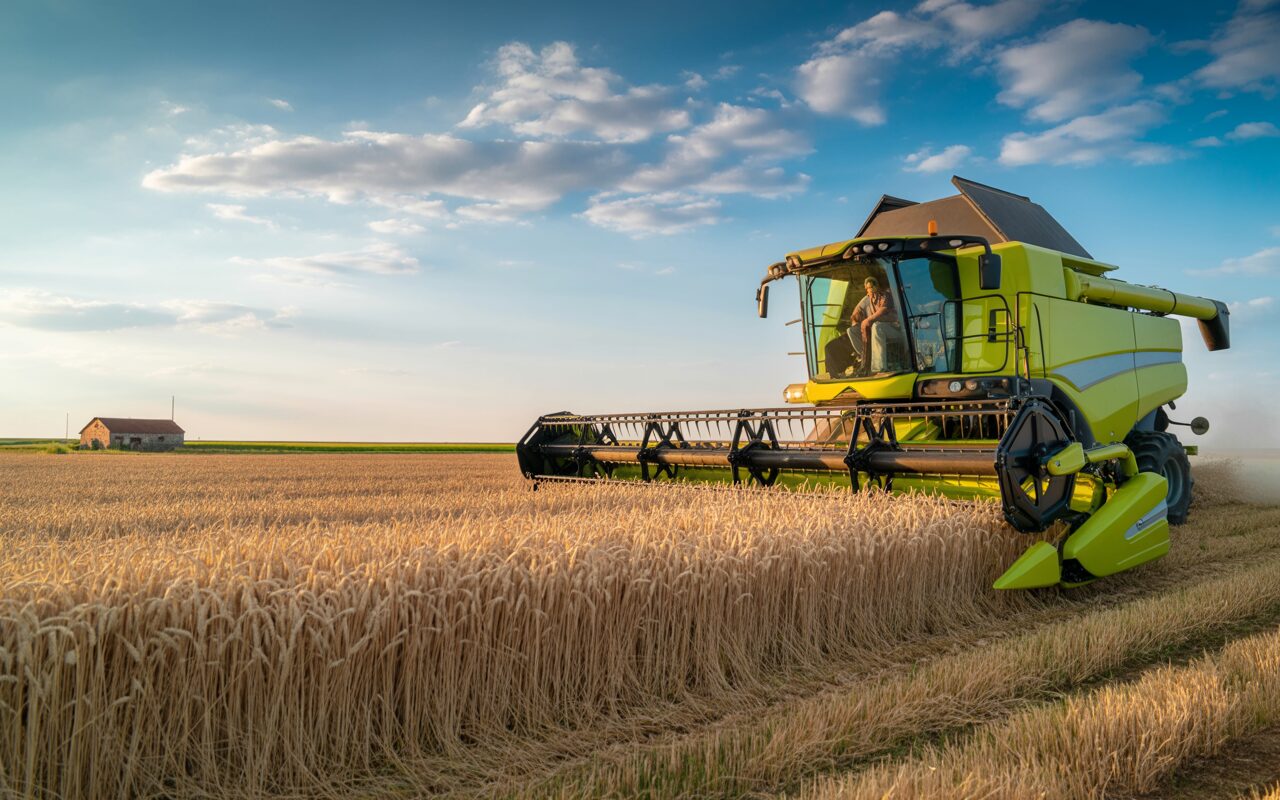
Knowing What Agribusiness Is Essential to Understanding How This Sector Boosts the Brazilian Economy. Understand the Importance of Agribusiness and Its Main Challenges.
With a strong impact on the economy, the environment, and people’s lives, understanding what agribusiness is essential for comprehending the strategic role this sector plays both in Brazil and on the international stage. More than just planting and harvesting, agribusiness involves a complex chain of production, processing, distribution, and export of food, fiber, and energy.
In Brazil, agribusiness is considered one of the pillars of the national economy. Its presence is felt in nearly every aspect of daily life — from the food that reaches the table to the renewable fuels that power vehicles and generate energy.
In this article, you will understand what agribusiness is, its importance to the Brazilian and global economy, as well as the main challenges currently faced by this sector.
-
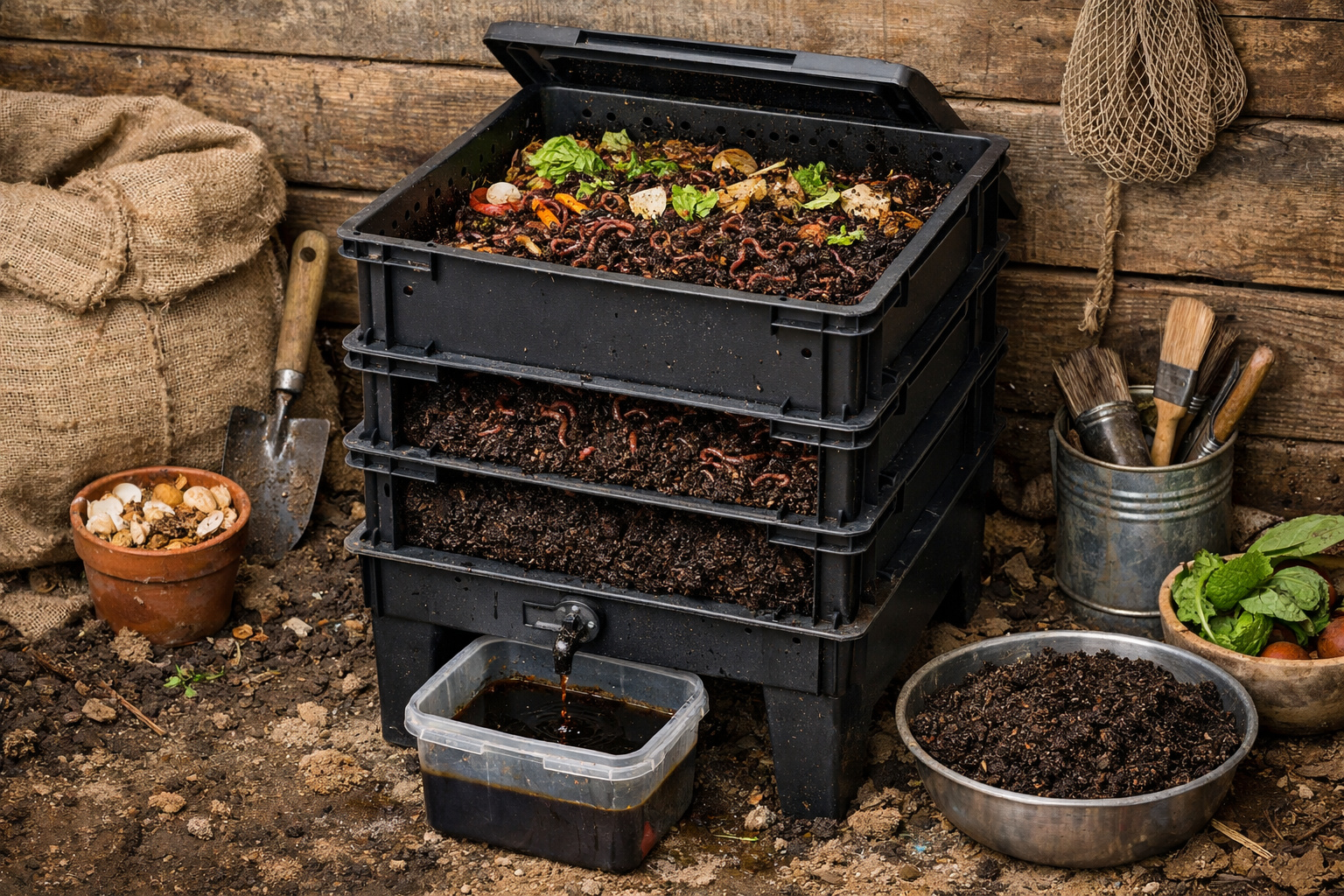
The eggshell that almost everyone throws away is made up of about 95% calcium carbonate and can help enrich the soil when crushed, slowly releasing nutrients and being reused in home gardens and vegetable patches.

-
This farm in the United States does not use sunlight, does not use soil, and produces 500 times more food per square meter than traditional agriculture: the secret lies in 42,000 LEDs, hydroponics, and a system that recycles even the heat from the lamps.

-
The water that almost everyone throws away after cooking potatoes carries nutrients released during the preparation and can be reused to help in the development of plants when used correctly at the base of gardens and pots, at no additional cost and without changing the routine.

-
The sea water temperature rose from 28 to 34 degrees in Santa Catarina and killed up to 90% of the oysters: producers who planted over 1 million seeds lost practically everything and say that if it happens again, production is doomed to end.


Understand What Agribusiness Is and How This Productive Chain Works
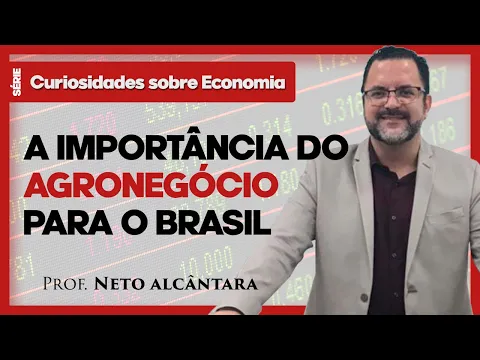

Agribusiness is the set of economic activities related to agricultural and livestock production, going well beyond the fields. It encompasses everything from supplying inputs (such as seeds, fertilizers, and pesticides), through primary production (planting, harvesting, animal husbandry), to industrial processing, transportation, commercialization, and export of agricultural products.
This sector integrates diverse agents, such as small farmers, large agribusiness companies, transportation companies, supermarket chains, cooperatives, and exporters. Each link in this chain is interdependent and essential to ensure the efficient operation of modern agribusiness.
The operation begins with agricultural inputs, continues with rural production, goes through food processing, textiles, and biofuels, and ends with distribution. This structure requires robust logistics, public policies, access to rural credit, state-of-the-art technology, and integration with foreign trade.
The Importance of Agribusiness Goes Far Beyond Food Production
When talking about the importance of agribusiness, the first thought is often about its food function. But the sector is much more than that. It accounts for about 24% of Brazil’s Gross Domestic Product (GDP) according to 2023 data, in addition to representing a significant share of exports and job creation.
It is estimated that one in three jobs in Brazil is directly or indirectly linked to agribusiness. This high participation strengthens the trade balance, positioning the country among the world’s largest exporters of products such as soybeans, corn, beef, coffee, cotton, and ethanol.
Another central aspect is food security. Large-scale food production ensures supply to cities and helps keep prices under control, contributing to economic and social stability. Brazil, for example, feeds more than a billion people around the world, consolidating itself as one of the largest granaries on the planet.
The Main Challenges Facing Brazilian Agribusiness in 2025
Despite its economic strength, Brazilian agribusiness faces urgent challenges that cannot be ignored. The most debated of these is the environmental impact, especially deforestation in areas such as the Amazon and the Cerrado, often driven by the uncontrolled expansion of agricultural frontiers.
The intensive use of pesticides also raises concerns regarding public health and contamination of soils, rivers, and food. Recent studies indicate that prolonged exposure to pesticides can cause serious harm to biodiversity and human health, requiring greater oversight and sustainable alternatives.
In addition, the dependence on monocultures, such as soybeans and corn, reduces genetic diversity in crops and increases the system’s vulnerability to pests, diseases, and climate change. Land concentration, with large estates dominating production, hinders the competitiveness of small and medium-sized rural producers.
Another sensitive point involves land conflicts. Indigenous, quilombola, and traditional communities continue to face pressures for territories, often in disputes with large agribusiness projects, raising debates about social justice, land rights, and cultural preservation.
Paths to a More Sustainable and Inclusive Agribusiness
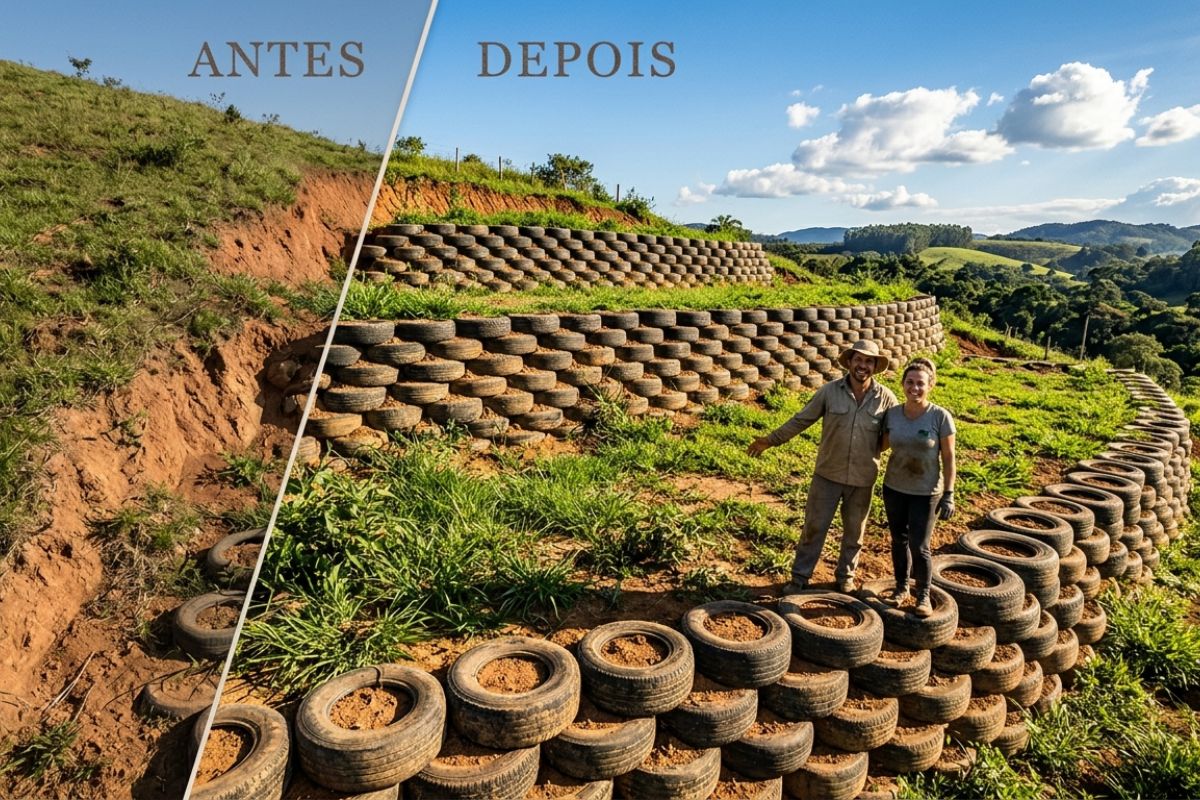
In the face of these challenges, there is a growing demand for a more balanced agribusiness that combines productivity with social and environmental responsibility. This includes encouraging regenerative agriculture practices, the use of precision technologies, agroforestry, diversification of crops, and valuing family production.
Companies in the sector have already been adopting solutions based on ESG (Environmental, Social, and Governance), increasing the use of clean energy, product traceability, and sustainable certifications to meet the demands of the international market and society.
The future of Brazilian agribusiness, therefore, involves a transformation that must reconcile productive efficiency with environmental preservation and social inclusion. This is the way for the sector to continue being one of the engines of the economy without compromising future generations.








Seja o primeiro a reagir!