





 Portuguese
  English
  Spanish
  6 min of reading
  0 comments


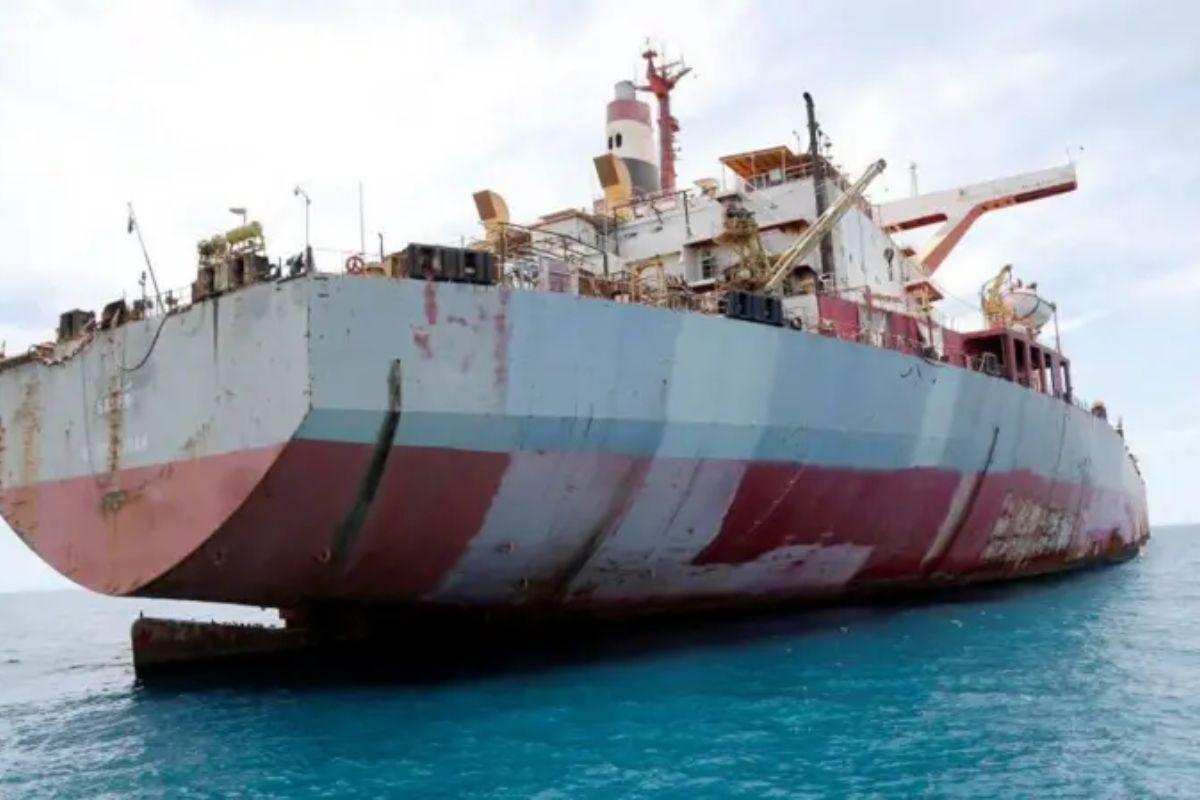
With a Global Increase in Cases, Abandoned Ships Reveal a Gear That Mixes Geopolitics, Ghost Fleets, Permissive Registries, and Hard-to-Track Shipowners, Leaving Thousands of Seafarers Without Salary, Water, and Repatriation, Trapped on Sensitive Oil Routes and Dependent on Union Rescues to Avoid Collapsing in the Middle of the International Logistic Chain.
Abandoned ships have ceased to be isolated episodes and have become a visible symptom of deeper imbalances in maritime transport. According to the portal of BBC, entire crews are remaining onboard for months without salary, with limited provisions and no guarantee of returning home, even when the cargo is worth tens of millions of dollars.
In the recent case of a tanker with about 750,000 barrels of Russian crude oil, nominally valued at approximately US$ 50 million, the deadlock dragged on in international waters after reports of delayed salaries and lack of basic items. The vessel did not proceed to port, and part of the crew remained stuck onboard while external negotiations sought to avoid a humanitarian collapse.
When Abandonment Stopped Being an Exception and Became Operational Standard
The numbers show that the phenomenon has accelerated significantly. In 2016, there were 20 reported cases of abandonment of commercial vessels. By 2025, the total rose to 410, with 6,223 seafarers affected. This is not a point fluctuation, but a scaling change that pressures unions, port authorities, and international organizations.
-
The Argentine government celebrates the lowest poverty rate in 7 years, but experts warn that the methodology has changed, real wages have fallen, unemployment has risen, and the number of people on the streets of Buenos Aires has increased by 57% since Milei took office.

-
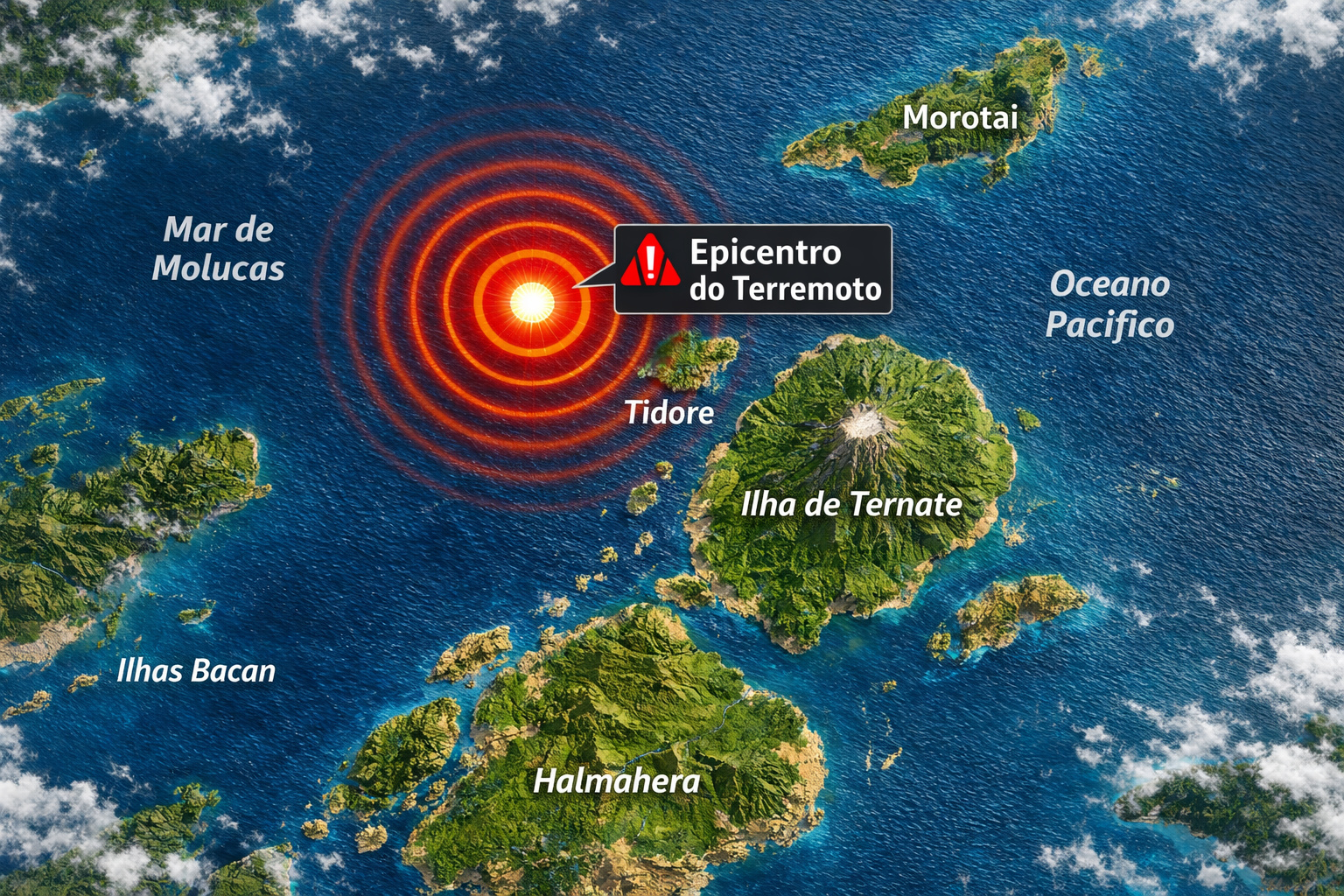
7.8 magnitude earthquake in Indonesia frightens the population, triggers tsunami alert, and hits an island with over 200,000 inhabitants this Thursday.
-
Google will finally let you change that embarrassing Gmail address you created in your teenage years without losing any accounts, logins, or old emails: the feature is already available in the United States.

-
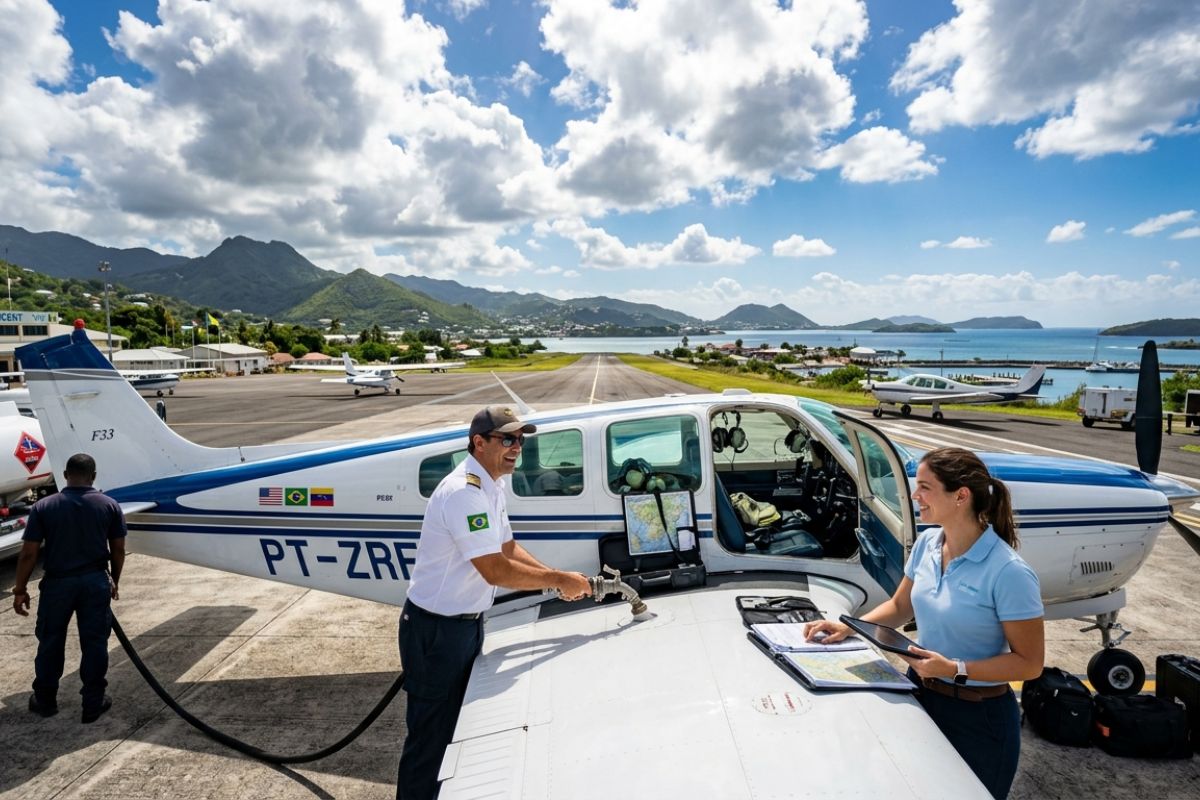
Heading to Brazil in a Bonanza F33 single-engine aircraft: a couple departs from Florida on a visual flight, makes technical stops in the Caribbean to refuel and organize paperwork, and begins the staged crossing until they reach the country.

The growth has also gained social density. Beyond the absolute increase in abandoned ships, there has been an elevation in impact on workers of different nationalities, roles, and salary ranges. The practical result is an ever-growing contingent of professionals subject to contracts that, in practice, cease to be executed just when onboard vulnerability reaches its peak.
What Happens Inside an Abandoned Ship, Far from Shore and Close to Risk

The image of a tanker stopped in international waters often suggests only logistical delays, but the internal daily life is much harsher. As supplies dwindle, operational routine begins to compete with survival: rationed food, controlled water, and increasing tension between fatigue, fear, and uncertainty. The humanitarian crisis begins before any headline.

In this environment, the crew faces a brutal contradiction: they remain responsible for maintaining safety, machinery, and onboard protocols, even without regular pay. In many cases, part of the seafarers are repatriated while others remain on the ship to ensure minimal operation. Abandonment, therefore, does not immediately halt work but pushes it into a legal and financial limbo.
The very location exacerbates the problem. When the ship is outside territorial waters and under political scrutiny, entry to port may be denied or delayed. This prolongs operational blockage and complicates both crew change and safe unloading of cargo, creating a cycle in which downtime becomes a pressure tool against those who are already more exposed.
Sanctions, Volatile Freight, and Ghost Fleet: The Combination That Raised the Risk
According to the portal of BBC, the increase in abandoned ships is connected to an unstable international scenario. Conflicts in multiple regions and the cumulative effects of the pandemic have disorganized supply chains and increased the volatility of freight costs. Companies with fragile cash flow began operating at the limit, and any contractual breach became a trigger for default with crews.
At the same time, so-called ghost fleets have grown, largely formed by older tankers, with opaque corporate structures, questionable technical conditions, and uncertain insurance coverage. These vessels attempt to operate with low visibility to maintain oil flows under restrictions, especially linked to countries under Western sanctions. The more opaque the operation, the higher the chance of abandonment becoming the outcome.
In the Russian case, sanctions after 2022 limited prices and pressured trade routes. Even with buyers willing to pay above the cap at different moments, transport has come to depend on a logistical architecture more sensitive to blockages, oversight, and changes in political appetite. When this gear locks up, the most fragile link is usually those onboard.
Flags of Convenience and Diluted Responsibility
Flags of convenience are not new, but have gained centrality in the current problem. The model allows ships to be registered in countries with lower regulatory burdens and limited oversight, reducing costs and increasing operational flexibility for shipowners. In terms of tonnage, Panama, Liberia, and the Marshall Islands account for a significant portion of this market.
In cases of abandonment, the presence of these flags is dominant. In 2025, 337 abandoned vessels, equivalent to 82% of the total, were under this regime. The data does not prove isolated causality but evidences structural correlation: when the chain of responsibility is fragmented, enforcing labor duties and repatriation becomes slower, more expensive, and uncertain.
The recent expansion of new registrations in countries with little tradition in this segment has also drawn attention. Within months, certain flags began hosting dozens of tankers on paper, without the supervisory capacity keeping up with the jump. This mismatch opens space for fragile documents, poor traceability, and jurisdictional conflicts exactly when wage disputes arise.
How Much It Costs, Who Pays, and Why the Bill Falls on the Seafarer
According to international guidelines, abandonment is configured when the shipowner does not cover repatriation, fails to provide essential support, or unilaterally breaks the employment relationship, including with salary delays of more than two months. In practice, this definition transforms a company cash crisis into a direct violation of labor rights at sea.
In 2025, the delayed salaries of abandoned crews amounted to US$ 25.8 million. Of this total, about US$ 16.5 million were recovered through union action, a relevant result, but still revealing a significant liability. In a single tanker, delays reached approximately US$ 175,000 before the first external intervention. The financial value is high, but the human cost is greater.
The distribution by nationality also helps to understand where the impact is concentrated. Indian seafarers topped the abandonment records, with 1,125 workers, followed by Filipinos (539) and Syrians (309). India’s response, listing 86 foreign vessels for abandonment and violations, indicates that some governments already see the problem as a social, economic, and diplomatic risk simultaneously.
The Legal Tangle at Sea and What Can Reduce New Abandonments
The international maritime chain depends on coordination among flag states, port states, shipowners, insurers, operators, and cargo buyers. When one of these actors disappears, responds late, or operates through hard-to-track structures, the ship may remain technically seaworthy but institutionally without a clear responsible party. It is in this vacuum that abandonment thrives.
Reducing this scenario requires simultaneous measures: real property traceability, effective requirement of linkage between shipowner and flag, continuous insurance oversight, and quicker responses for repatriation and provisions.
It also involves pre-boarding transparency for workers, with objective access to the ship’s history, ongoing sanctions, and verifiable contractual conditions.
On the operational level, cases involving oil tend to require highly complex solutions, such as cargo transfer between ships at sea to unlock deadlocks. Without consistent international coordination, the trend is that energy logistics will continue to coexist with gray areas where the commodity circulates but the worker’s rights get stuck.
The increase in abandoned ships does not stem from a single factor. It results from the overlap of tense geopolitics, fragile contracts, permissive regulatory incentives, and global supply chains that reward opacity in the name of cost and speed.
As long as this combination remains active, new cases should emerge with the same script: valuable cargo, diffuse ownership, and unsupported crews.








-

-

-

4 pessoas reagiram a isso.