





 Portuguese
  English
  Spanish
  3 min of reading


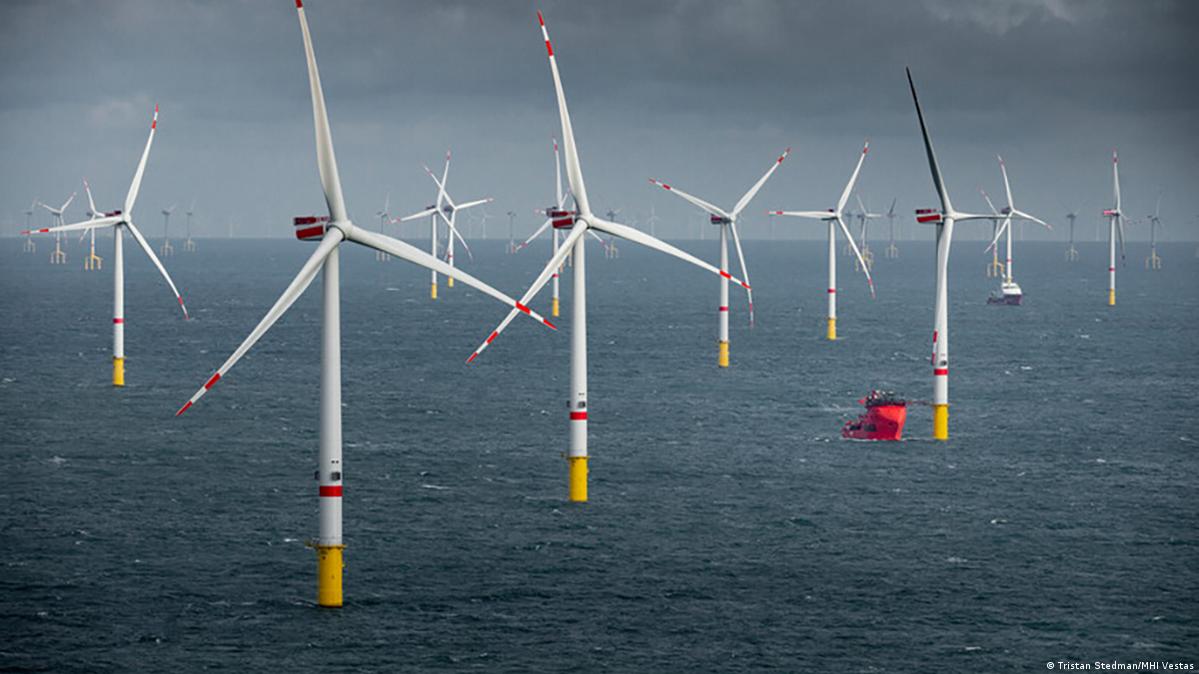
With Immense Potential, Our Country Has Increased Each Year the Installed Capacity of Electric Energy Produced by the Force of the Wind.
The geographic location allows Brazil to be a potential producer of wind energy. This year, the country reached over 22GW of installed capacity across 812 wind farms spread over 13 states. Thus, the energy produced through the force of the wind ranks second in the energy matrix (12%), with immense potential still being untapped, which is offshore production.
Brazil has over 7,490 kilometers of coastline. The winds that arrive are considered high quality. That is, strong, stable, and without sudden changes in direction, with an average capacity factor of 42%, while the global standard is 25%. However, to better explore this immense potential for electric energy with low environmental impact and low levels of greenhouse gas emissions, some issues need to be unlocked.
In the Federal Senate, the regulatory framework for offshore energy is in progress. The Bill (No. 576/2021), authored by Senator Jean Paul Prates (PT-RN), was approved by the Infrastructure Commission and defines rules for the exploration of wind, solar, or tidal energy offshore and also in inland bodies of water, such as lakes. The text has been sent to the Chamber of Deputies.
-
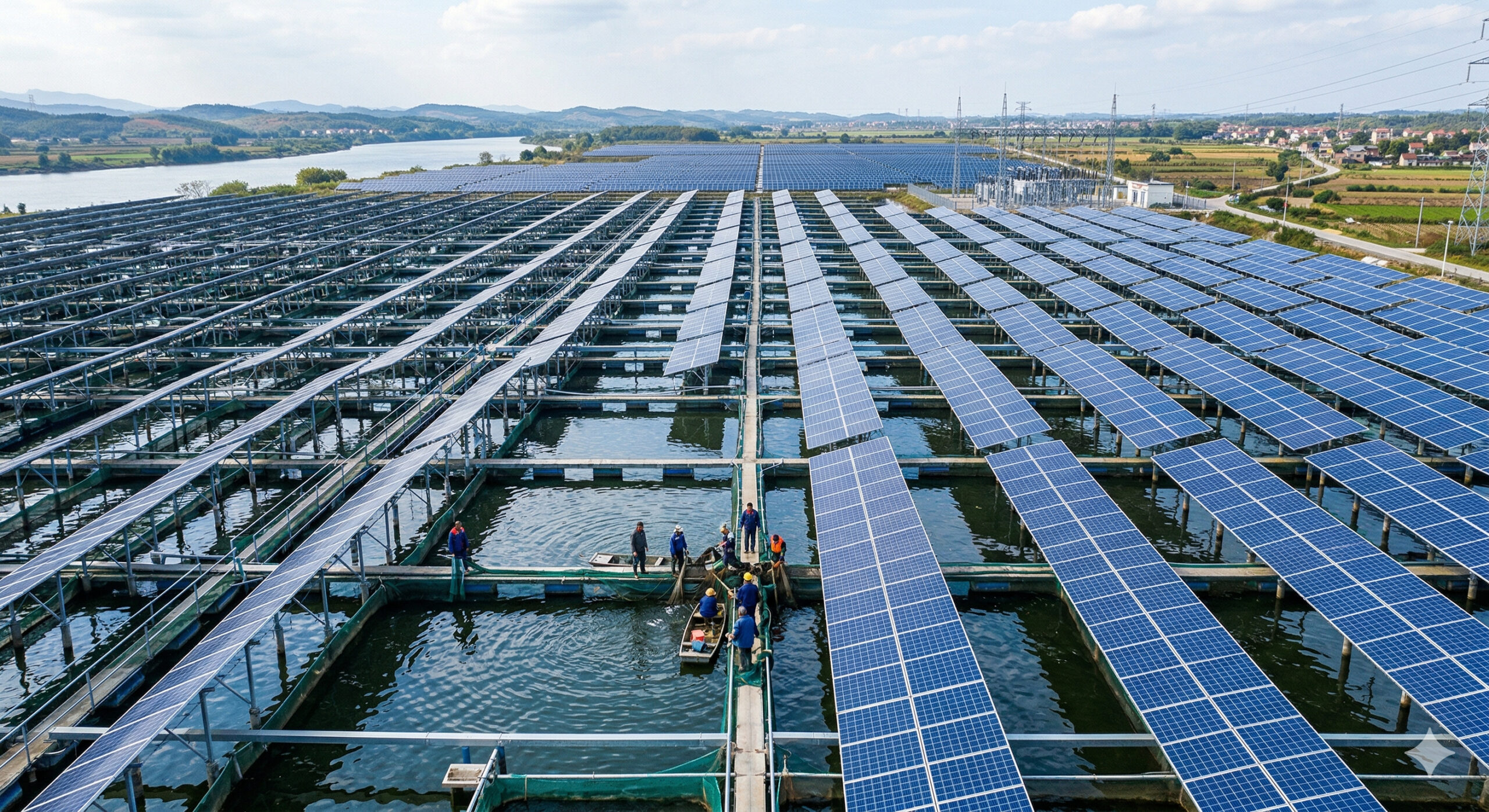
China bets on the Fishery-PV model and transforms fish farms into giant solar plants, covering ponds with panels that generate energy while utilizing the same space for large-scale aquaculture production.
-
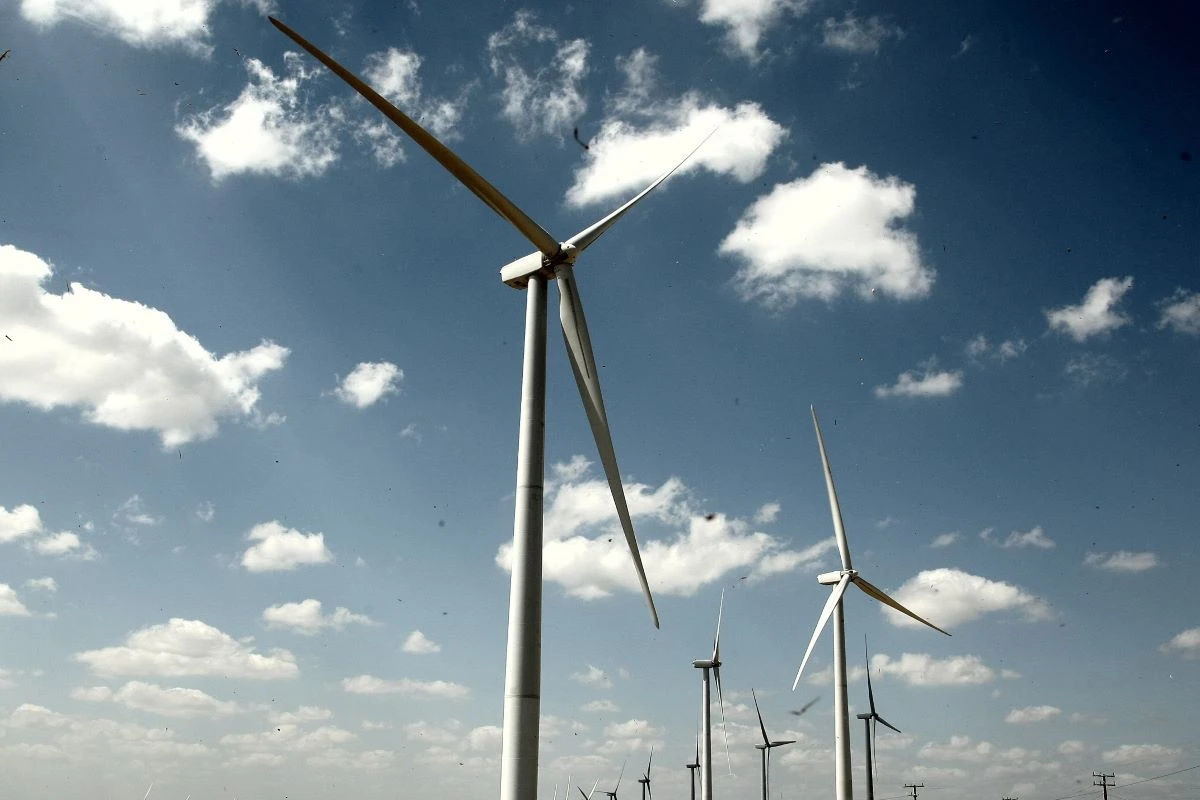
Urgent energy transition: Greenpeace advocates for massive investments and points to Brazil as a global leader in wind energy production in the coming years.
-
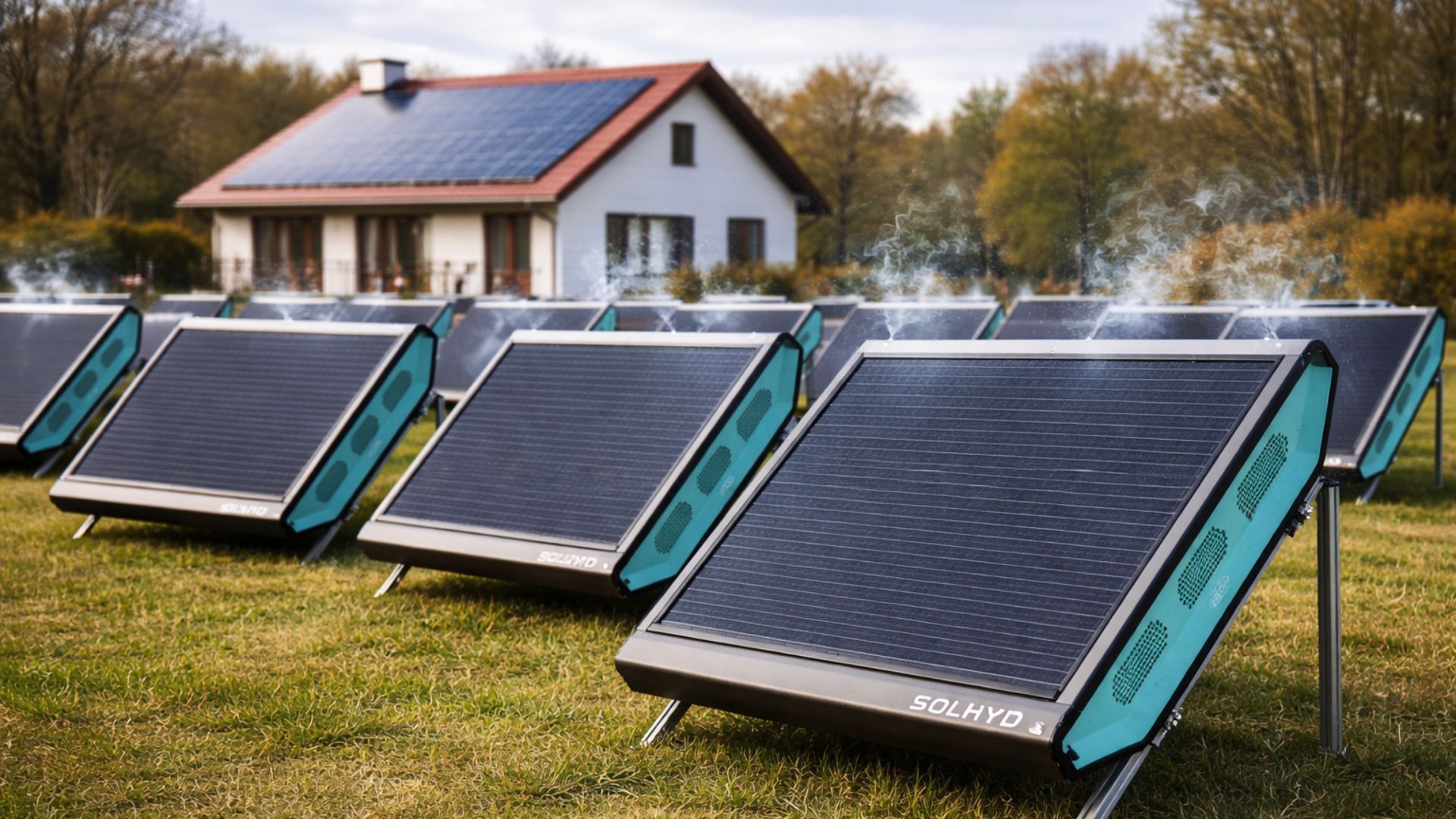
Green hydrogen at home: Belgium launches new technology that makes solar panels produce fuel from the moisture in the air, which could boost the energy transition.
-
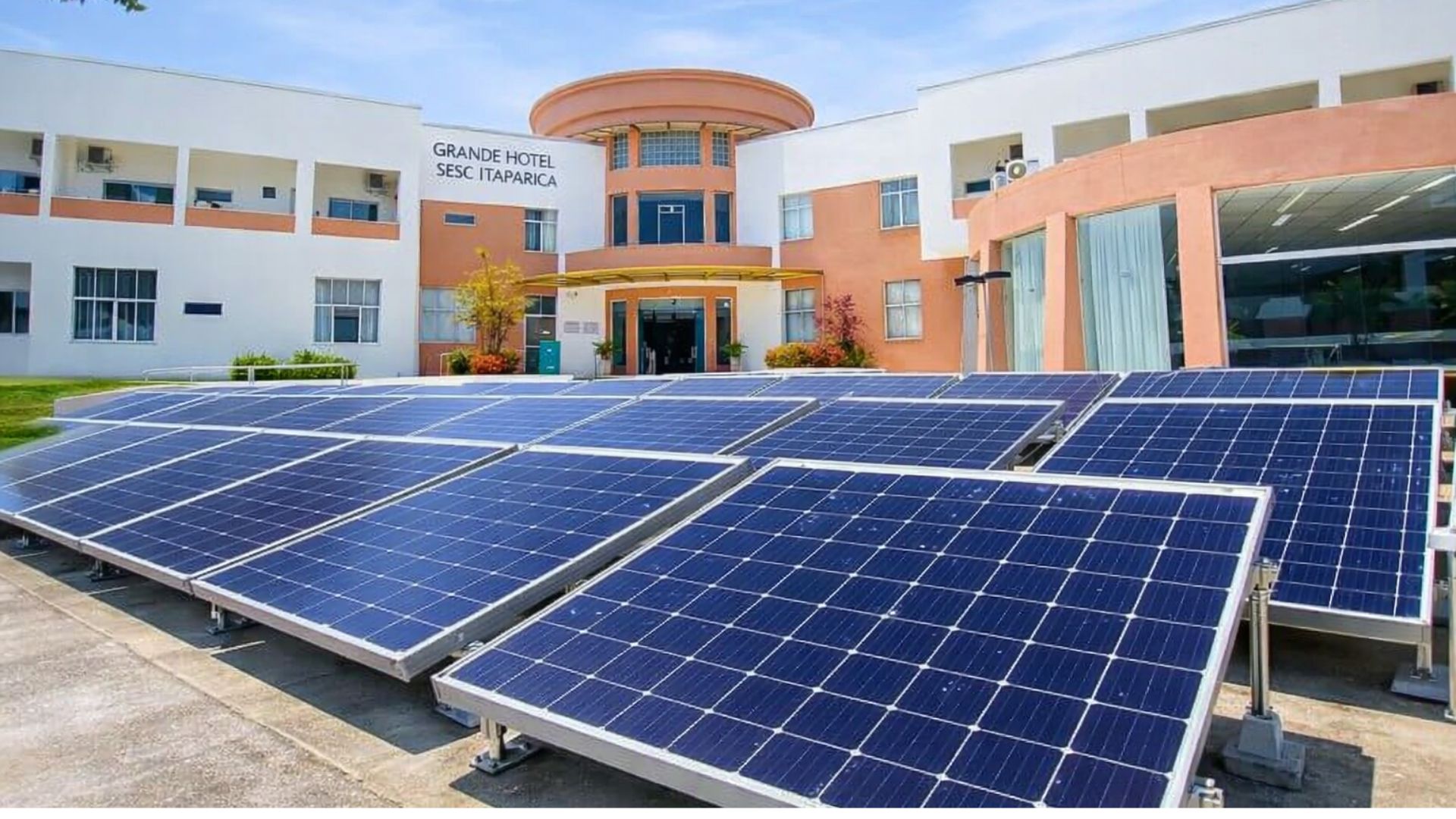
Sesc-BA bets on renewable energy with the support of EDP and drives the energy transition with a direct impact on cost reduction and the sustainability of its operations in Bahia.

Meanwhile, at least 66 projects for the installation of offshore wind turbines have been presented and are under analysis by the Brazilian Institute of Environment and Renewable Natural Resources (Ibama). The expectation of the Brazilian Wind Energy Association (ABEEólica) is that generation will start in 2027, with the regulation on the transfer of public goods for the installation of offshore wind farms expected by December of this year.
On the other hand, the Brazilian Association of Maritime Wind Energy (Abemar) is more optimistic and bets that by 2025 the sector will start to be part of Brazil’s energy matrix. This will happen if it is included in the benefits of the Incentive Program for Sources, created by the Federal Government back in 2002 (Law No. 10,438).
Difference Between Offshore and Onshore Wind Energy
Offshore and onshore wind turbines are quite similar in design. Generally, what happens is that the offshore ones are significantly larger than the onshore ones. Overall, the equipment has slight modifications to better withstand corrosion and avoid excessive damage from moisture.
These differences pose challenges for the expansion of the sector in the national market. According to Abemar, there are currently no manufacturers of specific blades and towers for offshore windenergy here in Brazil, in addition to a lack of basic port infrastructure to meet market needs.
Despite this, installing larger wind turbines at sea would be easier, as the difference lies, obviously, in the base. Generally, offshore towers have hollow steel cylinders similar to the tower, stacked on the seabed at least 30 meters deep.
Wind Energy and Social Development
According to data from ABEEólica, around 196,000 jobs were created in Brazil with the production of wind energy between 2011 and 2022. An average of 10.7 jobs per MW installed, and for every R$ 1.00 invested in wind farms, the GDP increased by about R$ 2.90.
“The expansion of wind farms brings, in addition to job and income generation, technological innovation, development of new business models, as well as other facilities that are being awaited to improve the competitiveness of the Brazilian industry.”
Mônica Messenberg – Director of Institutional Relations of the National Confederation of Industry (CNI)
The highest capacity for wind energy production in Brazil is concentrated in states in the Northeast, such as Rio Grande do Norte, Ceará, Amapá, Piauí, and Maranhão. The latter was visited by our reporting team.





Seja o primeiro a reagir!