





 Portuguese
  English
  Spanish
  5 min of reading


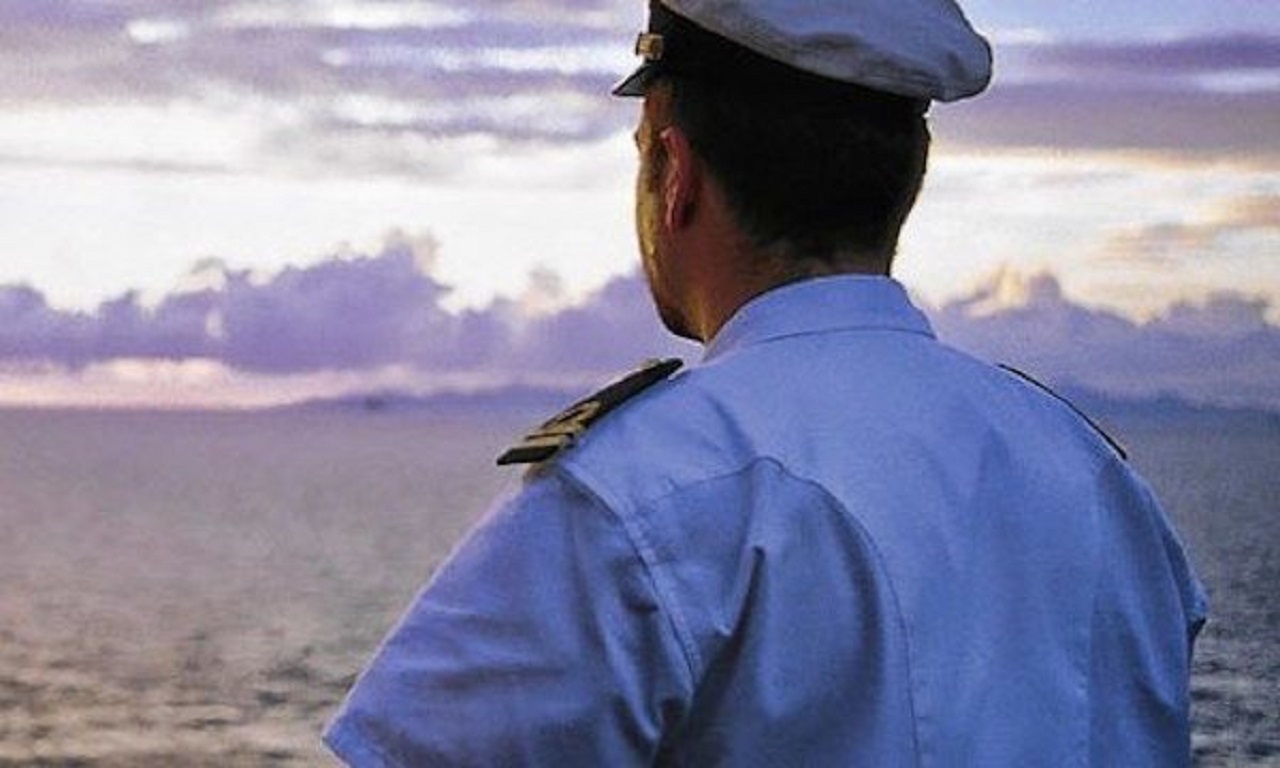
Learn What a First Officer Is, How Much They Earn, and How to Hold This Position in Brazil
In the offshore maritime sector, the term “First Officer” refers to an officer subordinate to the Captain of a ship. The First Officer is usually the second in command on board and is responsible for assisting the Captain in the navigation and safe operation of the vessel. Check out the entire OFFSHORE FUNCTIONS series here.
Some of the main duties of the First Officer may include supervising the crew, maintaining ship logs, implementing safety procedures, managing cargo loading and unloading, and communicating with port authorities and other vessels at sea. In case of an emergency, the First Officer may also be responsible for taking immediate action to ensure the safety of the ship and the crew.
The First Officer typically needs to hold a merchant marine officer’s license and undergo specific training to be able to work in this position. Additionally, they must be familiar with maritime laws and regulations, as well as safety and environmental rules applicable to offshore operations.
-
Lula reveals a masterstroke by Petrobras to undo a deal made by Bolsonaro, which involves the return of an important refinery that currently produces less than half of what was expected and makes Brazil dependent on international diesel.

-
A study confirms that the natural gas sector will reduce greenhouse gas emissions in Brazil by 0.5% and accelerate the energy transition by 2026.

-
Petrobras implements a severe adjustment and confirms a 55% increase in the price of aviation kerosene with a proposal for installment payments for the companies.

-
The rise in oil prices could ensure an extra revenue of R$ 100 billion for the Federal Government, indicates a recent economic study.


How Much Does a First Officer Earn in Brazil?
The salary of a First Officer in Brazil can vary depending on several factors, such as the type of ship, the shipping company, geographic location, experience, and certifications of the professional.
According to data from the job site Catho, as of March 2023, the average salary for a First Officer in Brazil is around R$ 8,500.00 to R$ 12,000.00 per month. However, it is worth noting that these figures can vary significantly upwards or downwards depending on the previously mentioned factors.
Additionally, it is important to highlight that professionals working offshore (on oil platforms or ships operating far from shore) may receive additional compensation such as hazard pay, meals, and lodging, which can considerably increase their total remuneration.
What Types of Ships or Vessels Is a First Officer Authorized to Work On?
The First Officer is a licensed nautical officer, qualified and trained to work on various types of ships and vessels. They can operate in different segments of maritime transport, such as:
- Cargo Ships: These are vessels that transport general cargo such as containers, bulk solids, liquids, and gases, among others. The First Officer is responsible for the operation of the ship, supervision of loading and unloading, maneuvering, and safety of the vessel.
- Passenger Ships: These are vessels that transport passengers, such as cruise ships, ferries, and tourist boats. The First Officer is responsible for the safety of the passengers, operation of the ship, maneuvering, and supervising the crew.
- Tankers: These are vessels that transport liquids and gases in large quantities, such as oil, chemicals, and natural gas. The First Officer is responsible for the operation of the ship, supervision of loading and unloading, maneuvering, and safety of the vessel.
- Research Vessels: These are vessels used for oceanographic, geological, and climatic studies, among others. The First Officer is responsible for the operation of the ship, maneuvering, and supervising the crew, as well as supporting research activities.
These are just a few examples of the types of ships and vessels a First Officer can work on. However, it is important to remember that working aboard ships and vessels can present challenges and adverse working conditions, which is why it is necessary for the First Officer to be prepared and trained to handle these situations.
Where to Study or How to Take Courses to Become a First Officer?
To become a First Officer, it is necessary to hold a nautical officer’s license, which is issued by the maritime authority of the country (in Brazil, the Brazilian Navy). To obtain this license, one must complete a training course at educational institutions recognized by the maritime authority and meet other requirements such as onboard internships and practical experience.
In Brazil, some examples of institutions offering training courses for nautical officers include the School of Training for Merchant Marine Officers (EFOMM), which offers undergraduate courses in Nautical Sciences, and technical and vocational training schools, such as SENAI and SEST/SENAT.
The courses for training nautical officers include theoretical and practical subjects in areas such as navigation, meteorology, maritime safety, operation of navigation and communication equipment, management of cargo loading and unloading, among others. The course can take about 3 to 4 years, depending on the institution.
After completing the training course, it is necessary to meet other requirements, such as completing an onboard internship and obtaining specific certifications, to obtain the nautical officer’s license and work as a First Officer. It is important to check the specific requirements of the maritime authority of the country in which one wishes to work.
Is There a Demand for First Officer Jobs?
The demand for First Officer jobs can vary depending on the segment of maritime transport, geographic region, and economic situation. In general, in Brazil, the naval and offshore industry has been affected by economic and political crises, which can reflect on the demand for jobs for professionals in the field.
However, despite economic fluctuations, the naval and offshore industry is an important activity for the country, and there is always a demand for qualified professionals, such as the First Officer, to operate and maintain ships and vessels. Additionally, oil and natural gas exploration in the pre-salt layer has driven demand for offshore professionals, such as First Officers, to work on oil platforms and offshore support vessels.
It is worth noting that the job market for maritime professionals is quite dynamic and can present opportunities in different regions and sectors. To increase the chances of finding a job as a First Officer, it is recommended that the professional remains up to date with industry requirements and regulations, holds relevant certifications, and is open to job opportunities in different sectors and regions.
Companies Hiring First Officers in Brazil
Some companies that may hire First Officers in Brazil include:
- Petrobras: Petrobras is the largest energy company in the country and operates various oil platforms and offshore support vessels.
- Vale: Vale is one of the largest mining companies in the world and transports a large part of its production via cargo ships.
- Wilson Sons: Wilson Sons is a maritime services company that operates in various areas such as towing, port operations, logistics, and offshore.
- Maersk: Maersk is a global shipping company that operates cargo and container ships worldwide.
- Transpetro: Transpetro is a subsidiary of Petrobras that operates the transport of oil and derivatives through tankers.
- CBO: CBO is a Brazilian maritime services company that operates offshore support vessels such as tugs, diving platforms, and support boats.
- DOF Subsea: DOF Subsea is a Norwegian company that operates in various areas such as construction and maintenance of oil and gas platforms, installation of underwater systems, and pipeline inspection.
These are just a few of the companies that may hire First Officers in Brazil. It is important to remember that the demand for professionals may vary over time and that other companies may also offer job opportunities for First Officers.










Seja o primeiro a reagir!