





 Portuguese
  English
  Spanish
 6 min of reading
  1 comment


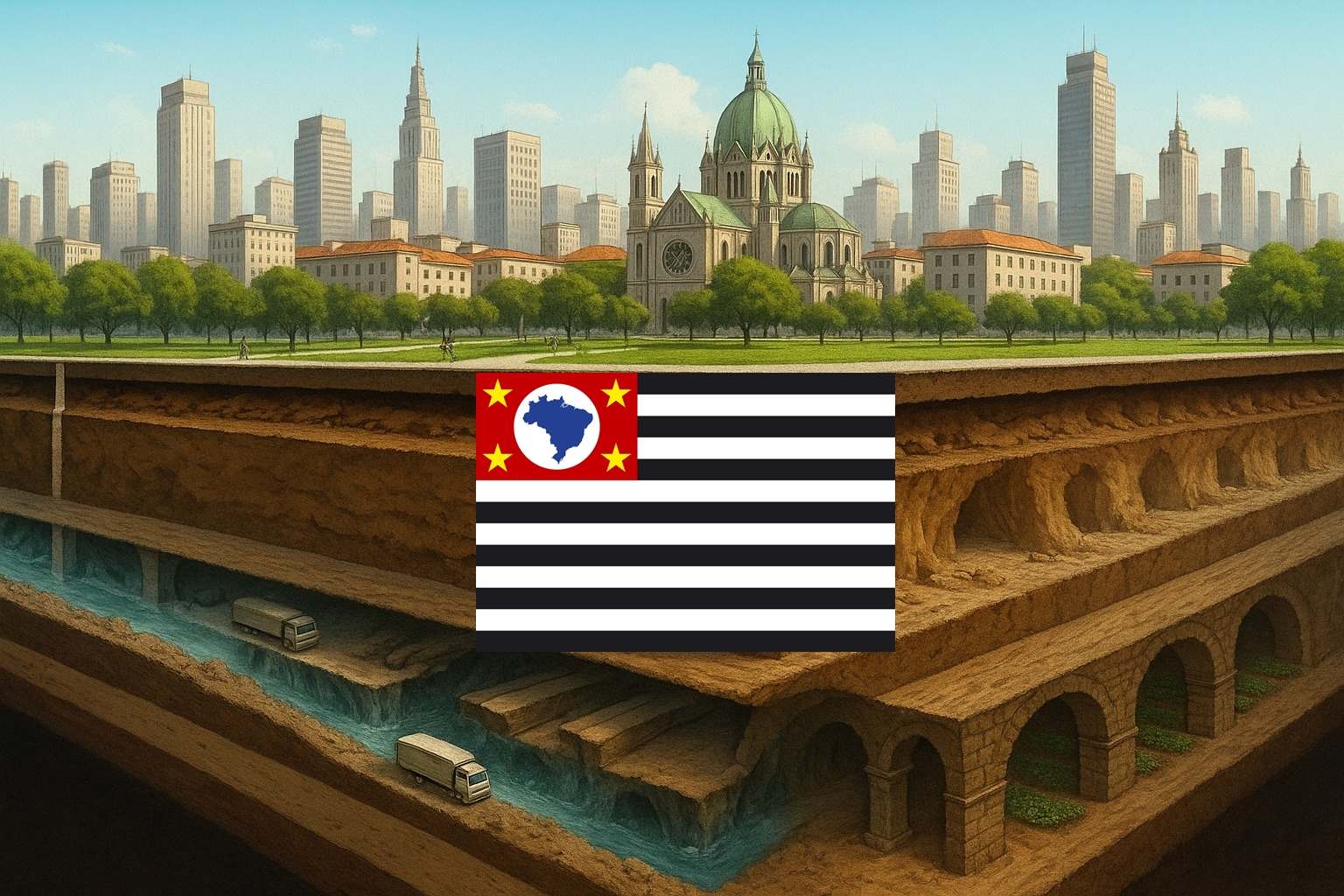


Among Buried Rivers, Military Tunnels, Historical Crypts, and Subway Stations 65 Meters Deep, The Underground of São Paulo Houses a Parallel Metropolis — An Invisible Universe Where Technology, Memory, and Urban Life Meet in Surprising Ways.
São Paulo was founded in 1554, on top of a hill between theTamanduateí and Anhangabaú rivers. What began as a small Jesuit mission transformed into the largest metropolis in South America, with over 12 million inhabitants and a metropolitan area exceeding 20 million.
Above ground, the city is made of skyscrapers, museums, avenues, and business centers that never sleep.
But beneath the concrete, São Paulo hides an invisible world — buried rivers, historic tunnels, crypts, stations, gardens, and even bars — composing a parallel city that sustains, connects, and reveals the soul of the capital.
-
The Argentine government celebrates the lowest poverty rate in 7 years, but experts warn that the methodology has changed, real wages have fallen, unemployment has risen, and the number of people on the streets of Buenos Aires has increased by 57% since Milei took office.

-
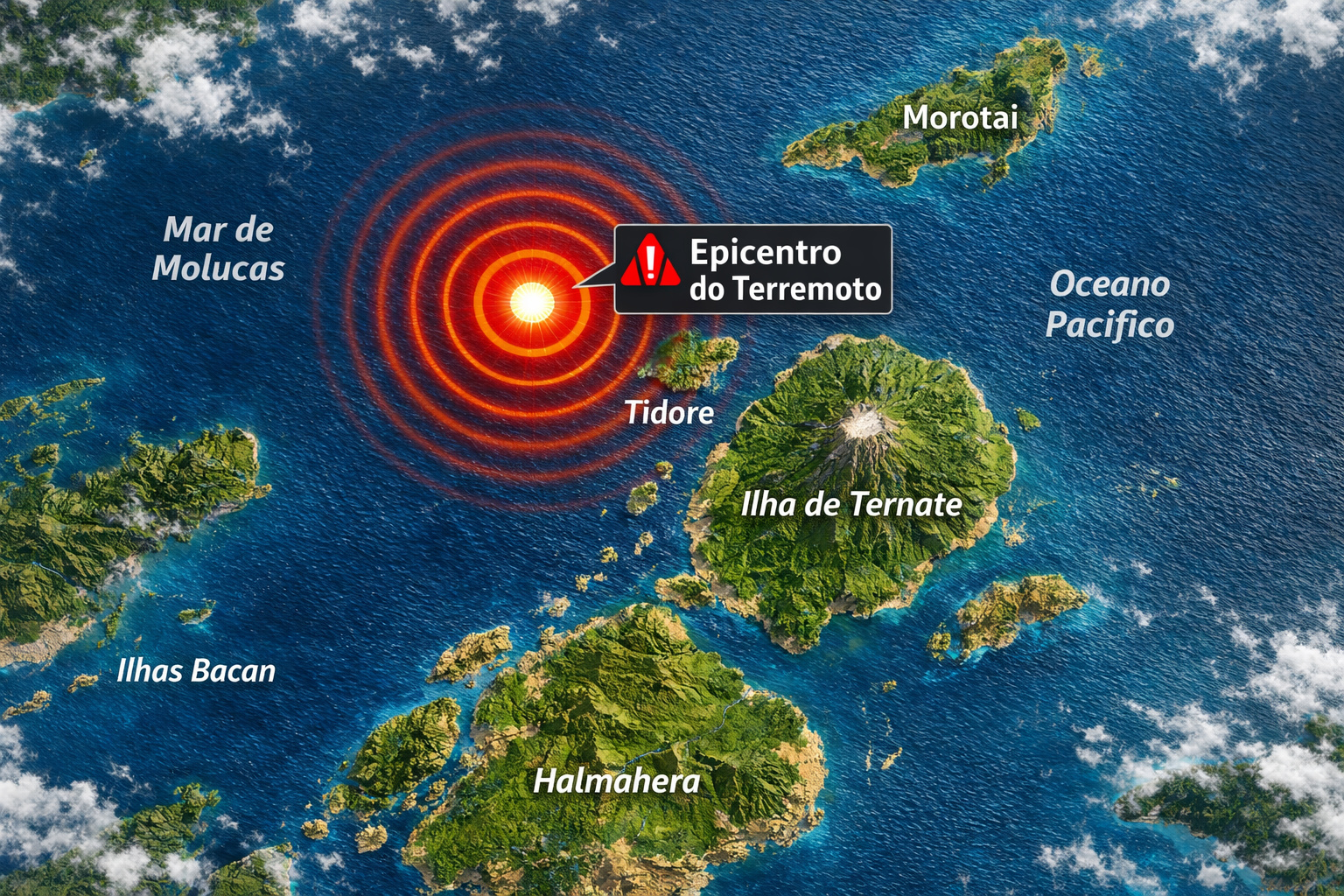
7.8 magnitude earthquake in Indonesia frightens the population, triggers tsunami alert, and hits an island with over 200,000 inhabitants this Thursday.
-
Google will finally let you change that embarrassing Gmail address you created in your teenage years without losing any accounts, logins, or old emails: the feature is already available in the United States.

-
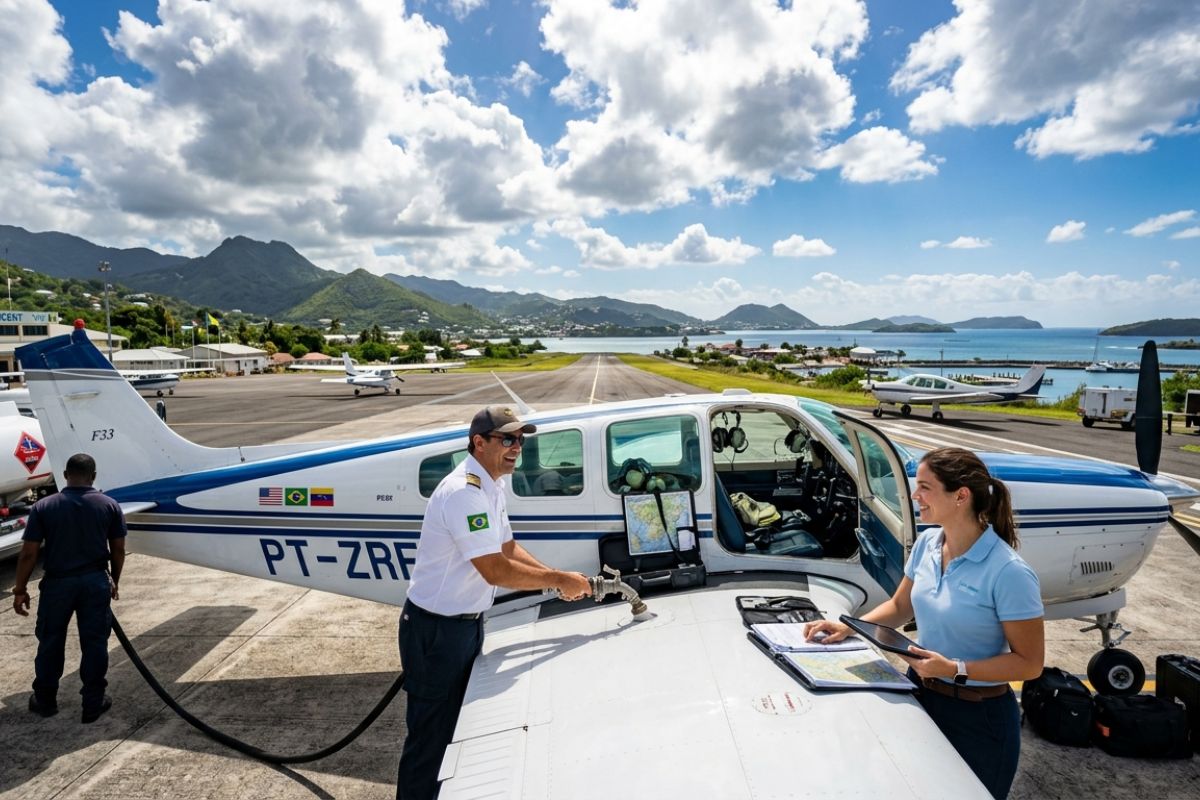
Heading to Brazil in a Bonanza F33 single-engine aircraft: a couple departs from Florida on a visual flight, makes technical stops in the Caribbean to refuel and organize paperwork, and begins the staged crossing until they reach the country.

The Feito Geo channel gathered curiosities about the city of São Paulo.
The Infrastructure That Keeps The City Alive
Under the sidewalks and avenues, just a few centimeters from the surface, pass internet, telecommunications, and television cables protected by conduits.
Just below, electric power lines and gas pipes run, followed by drinking water and sewage ducts between 1 and 2 meters deep. Invisible, this network forms the backbone of the city and ensures that São Paulo never stops.
The Rivers That Disappeared
The metropolis grew over dozens of rivers and streams. For centuries, these waters shaped urban life, but the urbanization of the 20th century channeled them and hid them beneath the asphalt.
Today, they flow invisibly beneath busy avenues such as 9 de Julho, 23 de Maio, and Paulista. The Saracura, Itororó, and Anhangabaú rivers are among those that have vanished from the landscape.
On days of heavy rain, these “ghost” rivers remind us of their existence, overflowing and causing floods. It is estimated that over 300 km of waterways are buried, turning the underground into an invisible labyrinth.
Tunnels and Passages That Tell Stories
Among the underground structures, there are tunnels with historical and curious functions. Beneath the ROTA headquarters, a 19th-century tunnel was used by soldiers during the 1924 Revolution and now houses the organization’s historical collection.
Another notable corridor is located in the Hospital das Clínicas, built for the transportation of bodies for the death verification service. A little over 100 meters long, it was designed to ensure privacy for families.
The Crypts That Preserve History
The underground also houses central figures of Brazilian history. Beneath the Monument to Independence in Ipiranga lie Dom Pedro I, Empress Maria Leopoldina, and Dona Amélia.
In the Cathedral of Sé, a monumental crypt inaugurated in 1919 impresses with its 7-meter high ceiling, marble columns, and sculptures. Buried there are bishops and the chief Tibiriçá, who was fundamental in the foundation of the city.
The Ibirapuera Mausoleum Obelisk holds the remains of more than 700 combatants from the 1932 Constitutional Revolution, becoming one of the largest funeral monuments in Latin America.
The Subway: A City in Motion Beneath The Surface
Inaugurated in 1974, the subway is the underground heart of São Paulo. With over 90 stations, it transports millions of people daily. Tunnels dug dozens of meters deep house platforms and corridors that form a parallel city.
The Sé station is a crossing of lines that never sleeps. The Pinheiros station reaches nearly 40 meters deep. The upcoming Itaberaba-Hospital Vila Penteado station of Line 6-Orange will be over 65 meters, the deepest in Latin America.
In addition to mobility, the subway also fosters cultural life: exhibitions, murals, music, and shops make the stations spaces for community and art.
Agriculture and Sustainability Underground
In the heart of the city, 16 meters deep, there is an underground garden that produces basil, mint, and lettuce under LED lights simulating the sun. In the same complex, at 30 meters, there is a sewage treatment station that reuses water for bathrooms and irrigation.
These initiatives show that the underground also harbors sustainable solutions, combining technology and efficiency invisible to most residents of São Paulo.
An Abandoned Aquarium and A Hidden Theater
In Parque da Luz, a structure started in the 19th century to house the city’s first public aquarium was abandoned after leaks and rediscovered in 2000. Decades later, the space was restored and transformed into an aquarium.
In the Sumaré neighborhood, the Centro da Terra Theater was built 12 meters deep. With 100 seats, the space has become a reference for intimate and experimental performances.
Underground Literature and Leisure
Underneath Avenida Paulista, the literary passage of Consolação transformed an old dark corridor into a meeting point for readers and artists. Rare books, comics, and live music coexist with the daily hustle and bustle.
Another example is the Bar dos Arcos, beneath Theatro Municipal. Installed in old service tunnels from the early 20th century, it combines stone arches, soft lighting, and sophisticated cocktails in an atmosphere that blends history and modernity.
Legends and Memories of The Underground
The historic center holds tales of tunnels that would connect churches like the Sé and the Monastery of São Bento to colonial mansions. Some would have been used to transport valuables or serve as escape routes.
During the Estado Novo, in the 1940s, basements and passages hosted clandestine political meetings and illegal deposits. Today, only memories and stories remain to feed the imaginations of São Paulo residents.
Guardians of Memory and Art
The underground also serves as an archive and cultural vault. In the São Paulo Museum of Art (MASP), subterranean areas store paintings and sculptures in controlled environments.
These spaces preserve an essential part of the artistic identity of the city and the country, even if far from the public eye.
Railway Tunnels and Industrial Legacies
The rapid growth in the early 20th century left a legacy of railway tunnels, especially in the Luz and Brás regions. Some still exist, walled up and forgotten. Workers engaged in urban construction report finding sections of these ancient corridors, reminding them of the industrial past of the metropolis.
The 1924 Revolution also marked the underground: combatants used makeshift passages for protection and mobility during conflicts.
The Hidden System That Prevents Flooding
Below the city, galleries and giant reservoirs store and drain rainwater. The Pacaembu large retention basin is an example — a subterranean structure that retains millions of liters during storms.
When heavy rain falls, sensors activate pumps that drain excess water, preventing avenues and tunnels from becoming submerged. Without this system, a storm would be enough to paralyze São Paulo.
The New Frontier: The Underground Future
The underground of São Paulo continues to expand. The Line 6-Orange subway, with more than 15 km of tunnels, will connect Brasilândia to the center, benefiting 600,000 daily passengers. Other lines, such as Line 19-Celeste and Line 20-Rosa, will further expand this network.
Municipal projects are studying revitalizing degraded passages, transforming them into cultural and commercial corridors, complete with libraries and art galleries.
Private initiatives are also experimenting with underground urban gardens in parking lots and buildings, merging sustainability and innovation.
A City Beneath The City
Below the busy streets, São Paulo reveals another face: that of a vibrant, complex, and surprising metropolis. Among hidden rivers, historic tunnels, crypts, and works of art, the underground holds the memory and future of the city.
It is in this invisible space that the true engine of the capital pulses — silent, essential, and, like São Paulo itself, constantly transforming.









I must say this article is extremely well written, insightful, and packed with valuable knowledge that shows the author’s deep expertise on the subject, and I truly appreciate the time and effort that has gone into creating such high-quality content because it is not only helpful but also inspiring for readers like me who are always looking for trustworthy resources online. Keep up the good work and write more. i am a follower.