





 English
  Francês
  Alemão
  Italiano
  Japonês
  Norueguês
  Portuguese
  Spanish
  3 min of reading


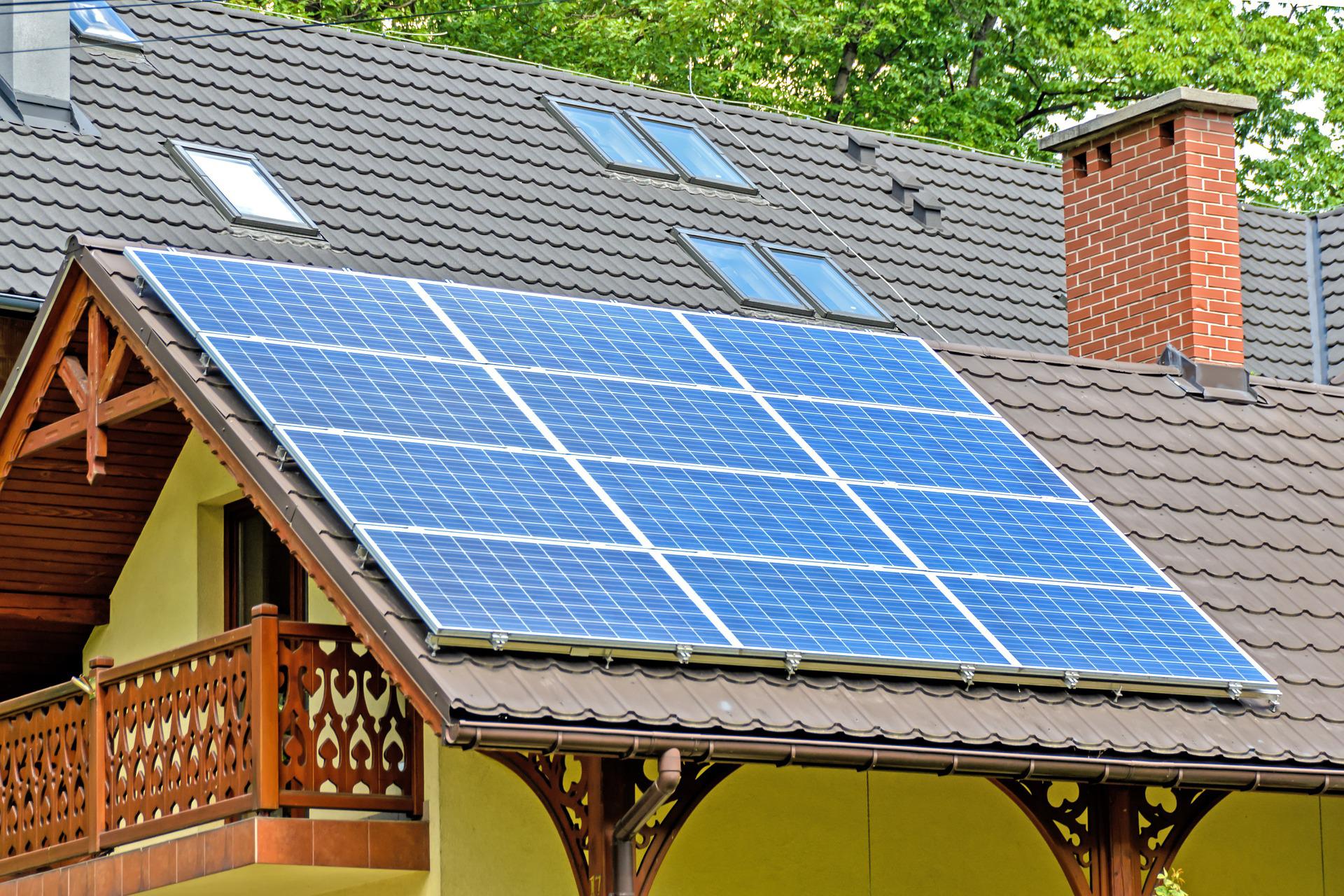
The Legal Framework of Solar Energy, Created by Law 14300, Provides That Citizens Who Invest in Solar Energy Until January 7, 2023, Will Be Entitled to Exemption from ICMS Tax on Everything Produced Until 2045. The Federal Decision to Approve the Project Led to an Increase in Demand for Photovoltaic Panels in Brazil, As Consumers Do Not Want to Delay Investment to Be Forced to Pay Taxes.
The Legal Framework of Solar Energy Has Just Completed Its Six Months of Existence Following Jair Bolsonaro’s Approval of Law 14300, Which Provides That Small, Medium, and Large Solar Energy Producers Through Photovoltaic Panels Will Pay ICMS Taxes to Their Resident States. The Tax Amount May Vary According to Region and Quantity Produced.
The New Law Allows Citizens Who Install Until January 7, 2023, to Have the Right to Exemption from ICMS Tax Payments Until 2045 as a Form of Incentive. However, After That, Taxes Will Be Charged As Determined by the Federal Government, Leading to Increased Demand in the Sector and the Base Material, Polysilicon, Reaching One of Its Highest Prices in the Last 11 Years.
-
A study reveals the expansion of renewable energy procurement in Brazil and shows how companies are taking advantage of opportunities to reduce expenses, ensure energy efficiency, and strengthen strategic environmental commitments.

-
Roraima bets on the sun to escape high tariffs: Amid the energy crisis and price hikes, solar energy is growing in Roraima and transforming consumption in the North region.
-
Mato Grosso do Sul excels in the sugar-energy sector: the state reaches a milestone of 22 operating mills and accelerates the production of clean energy in MS with a focus on sustainability.

-
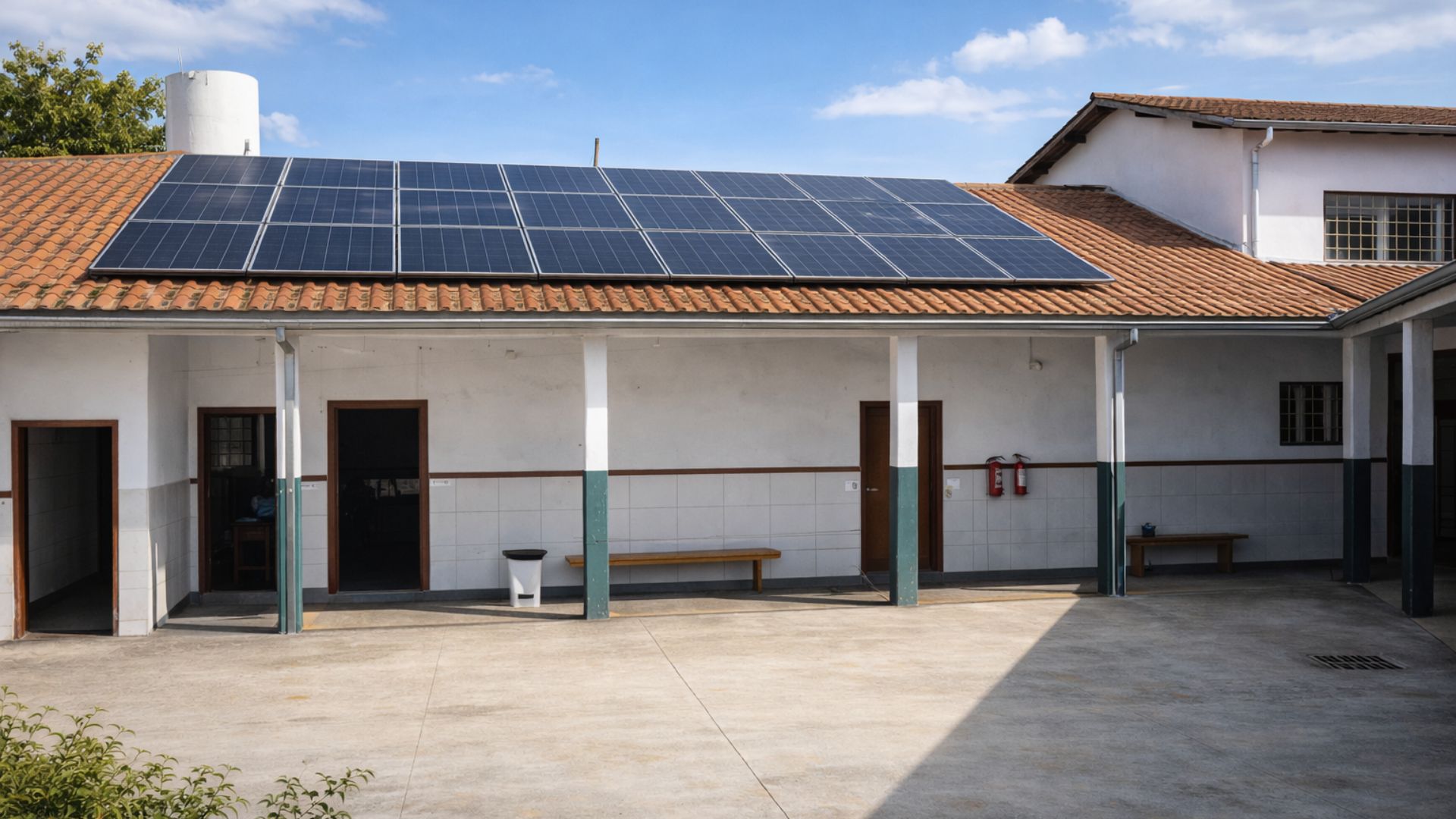
Copel boosts solar energy in Paraná and brings innovation to public schools, promoting savings on electricity bills, energy efficiency, and a direct impact on the quality of education.

Solar Energy Companies Report That Approval of the Law Led to an Increase in Sales with Consumer Expectations to Not Pay Taxes
Companies Selling and Installing Solar Panels and Microinverters, Such as NeoSolar, Claimed That Sales Increased After the Approval of the Legal Framework, As Consumers Have the Expectation of Not Paying Any Taxes Until 2045.
According to the Company’s Co-Founder, Raphael Pintão, Clients Who Generally Purchase Photovoltaic Panels Are Those Linked to Environmental and Social Causes, Aiming to Reduce Carbon Dioxide in the Environment and Decrease Electricity Bills.
NeoSolar Claims That Brazilians, Even the “Minimally Informed”, Have Access to Information on All the Advantages That Solar Energy Guarantees. With This in Mind, It Is Estimated That Their Demands Will Increase Significantly Until January of Next Year, a Deadline Considered for the Beginning of State Taxation.
One of the Factors Leading Consumers to Invest in Solar Energy, Besides the Tax Exemption in 2022, Is the Exponential Increase in Fossil Fuel Prices, Causing Traditional Energy to Face Instabilities Every Year. For Example, Only This Year, the Aneel Approved a Project That Provides for an Increase of up to 65% in Tariff Rates, Especially at Higher Levels. The Coal, in 2022, Saw Increases of 103% and the Price of Oil Doubled.
Properties with Solar Energy Are More Valuable After Legal Framework and Law 14300
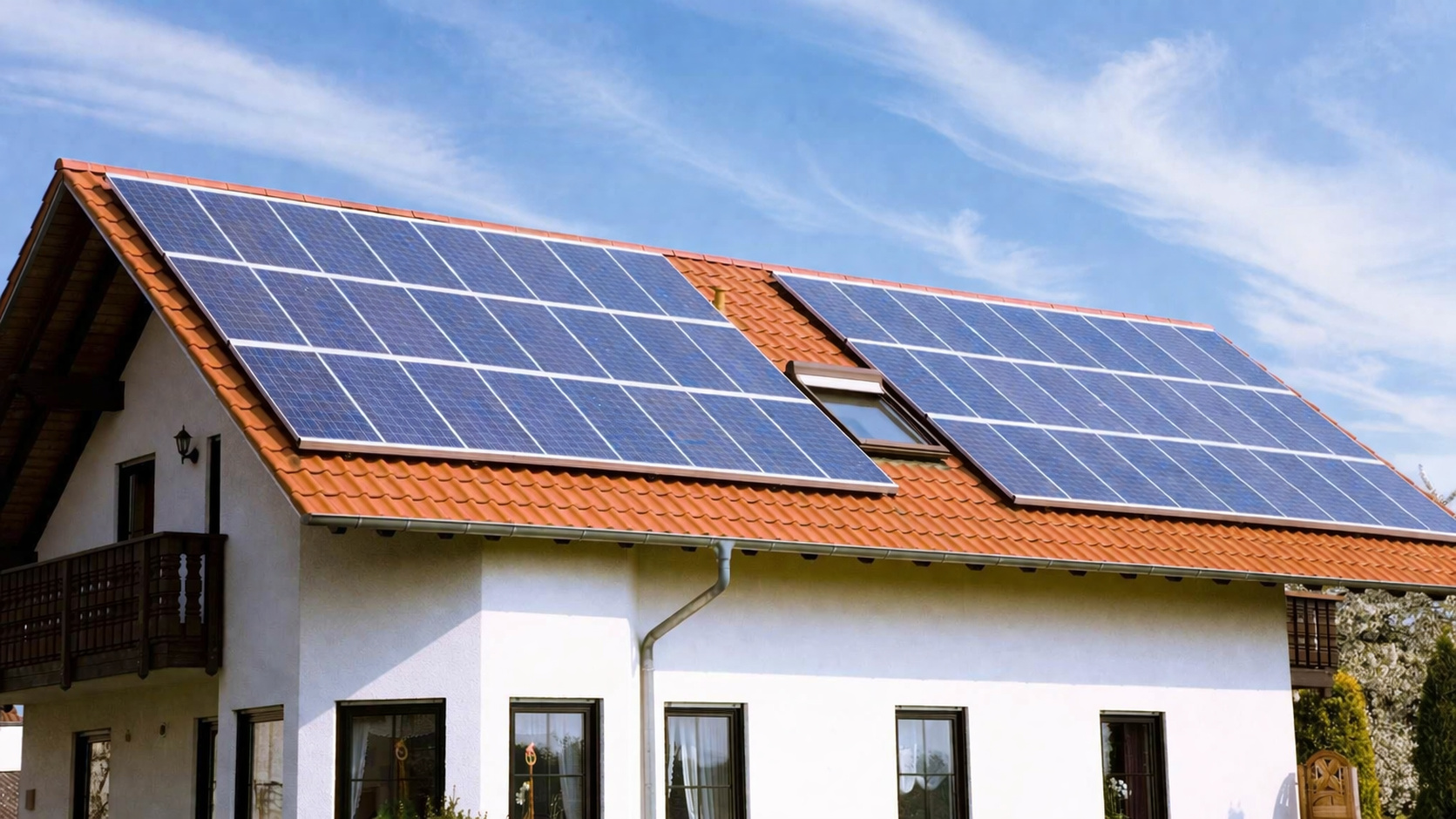
Moreover, Raphael Pintão Argues That Properties Sold with Solar Energy Experience Significant Appreciation Because Clients Purchasing These Properties Believe They Will Gain More Savings, Considering That Cost Reduction Can Exceed 95% of the Electricity Bill. Buying Residences with Photovoltaic Panels Is an Increasingly Attractive Alternative.
The Solar Energy System Generally Pays for Itself in Three Years. However, in Cases of Financing or Higher Investment Amounts, It Can Take Up to 7 Years, Producing a Minimum of 80% of What Was Contracted Along with a Durability Guarantee of Up to 25 Years for the Panels. Some Companies Even Offer a Minimum Production Percentage for Over 30 Years.
About NeoSolar
NeoSolar Is a Company That Operates in the Distribution of Products Aimed at Electricity Production, Established in 2010. The Brand Became Known in the Market for Being One of the Founders of the Brazilian Solar Energy Association (ABSOLAR).









Seja o primeiro a reagir!