






 Portuguese
  Spanish



During The Year Of 2021, The Federal Government In Partnership With Aneel Had Already Announced The Creation Of The Scarcity Flag On The Electricity Bill, Which Would Be Charging Even Higher Amounts For Those Who Surpassed The Mark Of 100 kW/h Spent.
On Tuesday, June 21, the National Electric Energy Agency (Aneel) announced that it would be increasing the fine for each electricity flag on the electricity bill by up to 63%. This winter, Brazil will have the green flag, which has no additional charge. However, it is estimated that with the arrival of the dry season and summer, the new prices will already take effect.
- The Yellow Flag Was Being Marketed With A Fine Of R$ 1.87 And Will Be At Least R$ 2.98 For Consumption For Every 100 kW/h
- The Red Flag “Level 1” Was Being Marketed With A Fine Of R$ 3.97 And Will Be At Least R$ 6.50 For Consumption For Every 100 kW/h
- The Red Flag “Level 2” Was Being Marketed With A Fine Of R$ 9.49 And Will Be At Least R$ 9.79 For Consumption For Every 100 kW/h
Adjustments Begin Starting This Friday (24) On The Electricity Bill
According To Aneel, It Is Estimated That The Adjustments Will Begin In Paraná Starting This Friday, June 24, On The Electricity Bill. Now, Customers Who Are Part Of The Paraná Energy Company (Copel) Will Have To Pay At Least 1.59% Adjustment On Their Electricity Bill; And The Average For Each Flag Will Increase By 4.9%. According To The Institution, This Increase Is Occurring Due To Charges From Taxes And Extra Activities Being Applied In Relation To The Distribution Of Energy.
With The Variations Experienced By Electric Energy, The Use Of Solar Energy Or Other Renewable Sources Has Been The Alternative For Many Brazilians Who Wish To Save Money At The End Of The Month. However, It Is Important To Act Quickly: ICMS Exemption Will Only Be Guaranteed For Those Who Invest In 2022, Starting In 2023, There Will Be A Tax Charged On All Energy Produced.
-
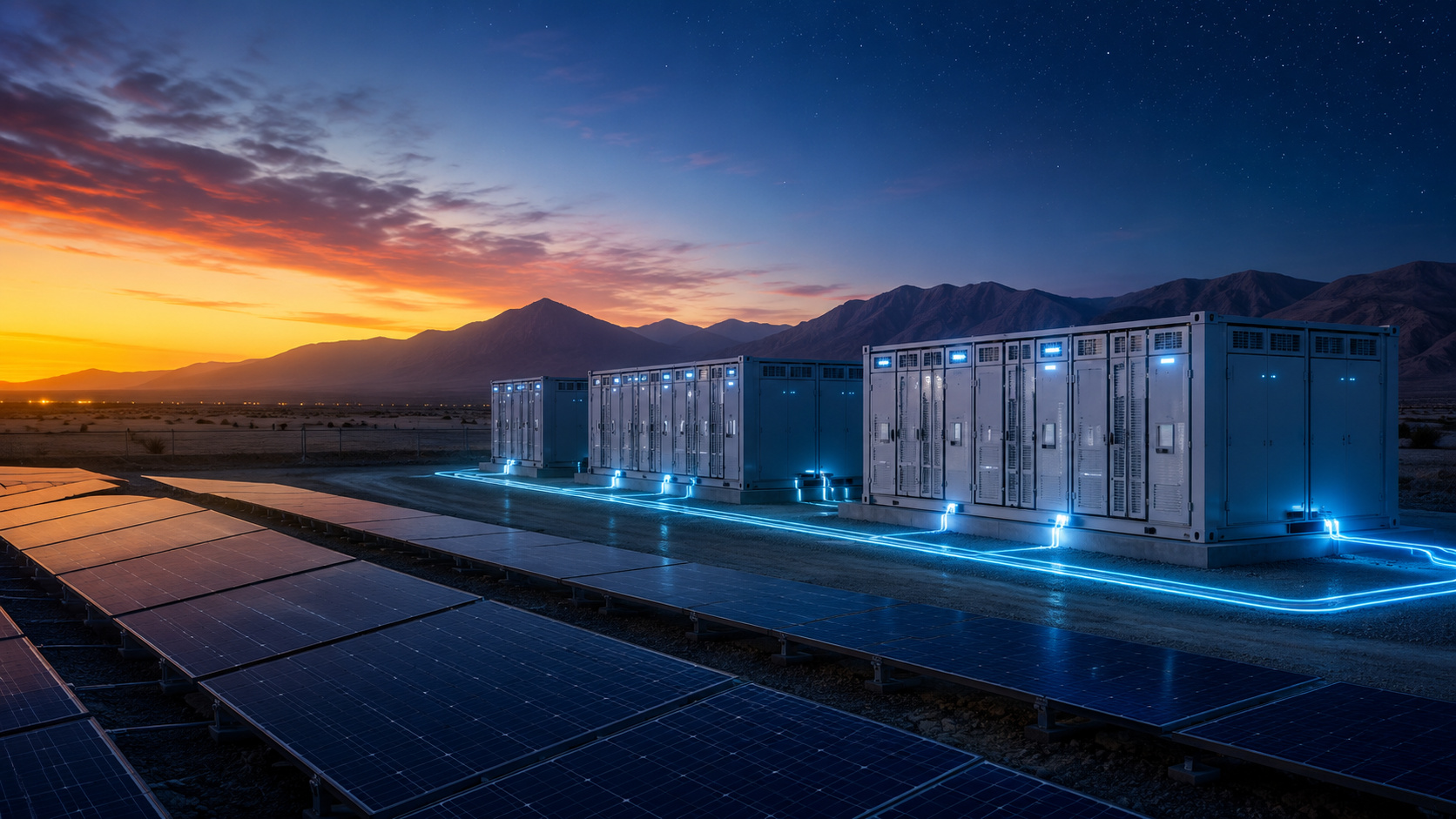
Giant Batteries Take Center Stage in Chile Auction as Company Offers 960 GWh of Solar Energy for Nighttime Use, Aiming to Stabilize Solar Power Supply

-
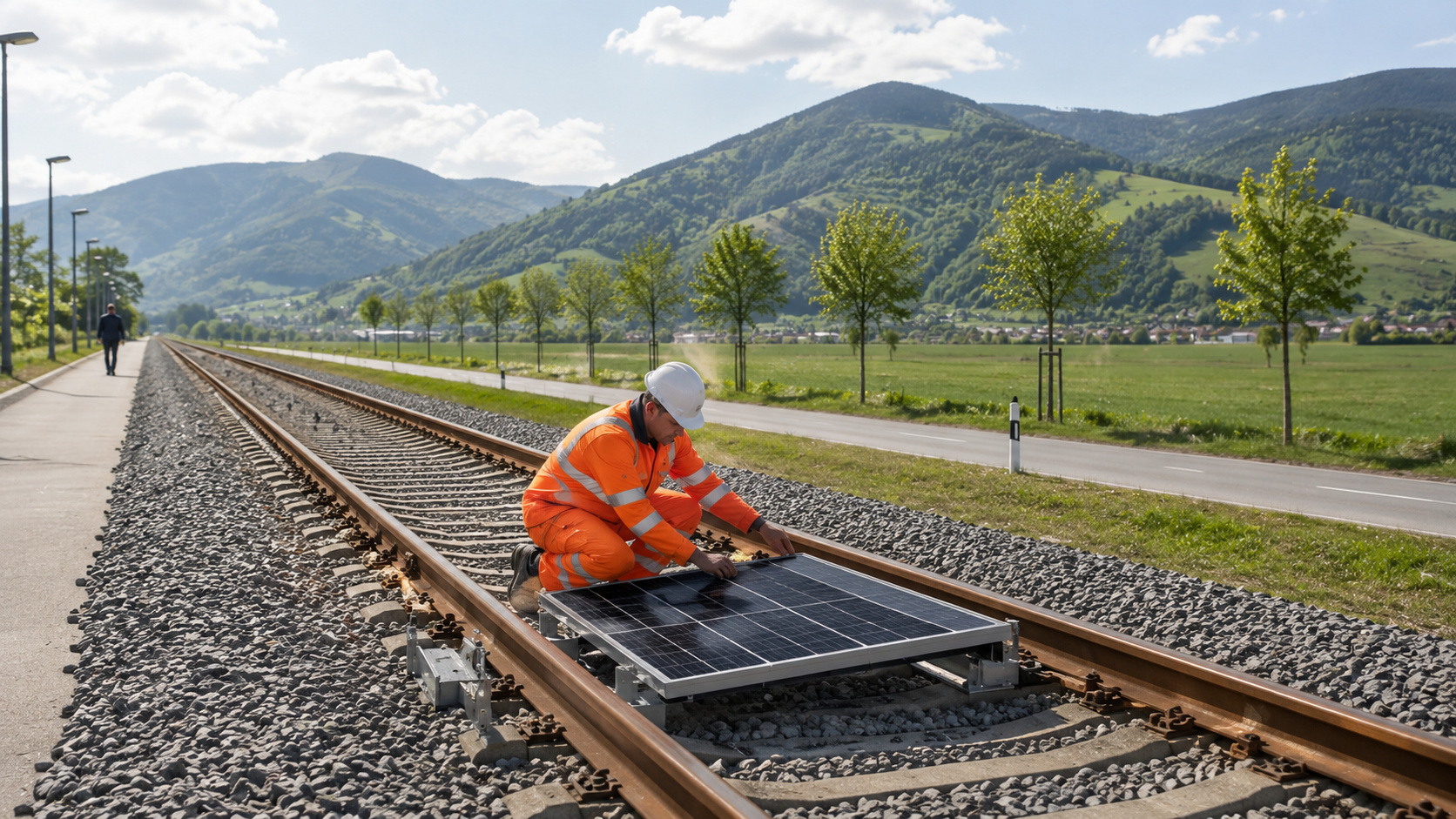
After a Year of Success in Switzerland, Solar Railway Attracts Italy’s Interest for Clean Energy Transformation
-
Brazil to Issue “Panda Bonds” in China, Aiming to Raise Up to 5 Billion Yuan at Lower Interest Rates Than Dollar Debt
-
NATO Faces Internal Tensions as U.S. Pushes for Increased Defense Spending, Targeting 5% of GDP by 2035, with Warnings for Countries Near 2% Level

Deduction Of R$ 1.59 Billion On The Flag
The Copel Has Already Had To Use The Credit Destined For PIS To Offset The Cost Of Electric Energy That Was Below The Brazilian Inflation. In Short, They Had To Use At Least R$ 1.5 Billion From Social Programs To Pay For The Extras That The Population Was Paying. However, The Balance For The Use Of This Project Has Run Out And The Adjustment Is Necessary So That The Flags Do Not Fall Behind.
It Is Worth Noting That This Is Not The First Time That The Company Has Used Credits From PIS To Pay The Population’s Electricity Bill. During The Year Of 2021, In June, They Would Have Used At Least R$ 700 Million From Credit To Lessen A Part Of The Adjustment At That Time And Ensure That The Population Was Not Harmed.
Despite The Adjustments, The Government Stated That The Solidarity Energy Program Should Remain To Help People Who Spend Up To 150 kWh Per Month. Copel Has Exempted More Than 380,000 Families During This Past Month For Having Spent Less Than The Ceiling – There Is No Fine!







