





 Portuguese
  English
  Spanish
 4 min of reading


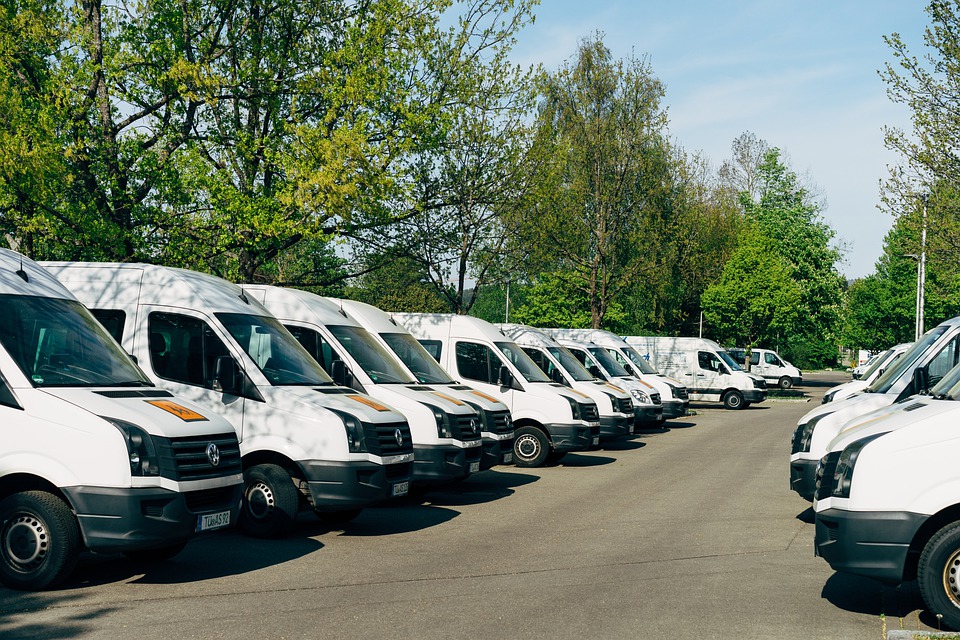
Fleet Management Is A Challenge For Most Companies, As It Often Is Not Directly Linked To The Company’s Core Business
Fleet management is the term used to address the management of vehicles used by a transportation, collection, or service company. Contrary to what many believe, fleet management does not only apply to large companies with significant numbers of vehicles. Any company that uses a vehicle to make deliveries or provide services should have management in place.
But how to manage a fleet of vehicles? Here are 6 important points that must not be missed in vehicle fleet management!
What Is Fleet Management?
Fleet management encompasses all the data, plans, and strategies regarding the company’s vehicles, used to reduce costs and risks while utilizing the fleet more efficiently in service of the company.
-
São Paulo surprises the world with a colossal railway network project that promises over 1,000 km of tracks, R$ 194 billion in investments, and 40 projects connecting the capital to the interior with fast and sustainable trains.

-
The world’s largest escalator, measuring 905 meters in China, reduces urban travel time from 1 hour to about 20 minutes and transforms mobility in mountainous regions with an engineering solution adapted to the terrain.

-
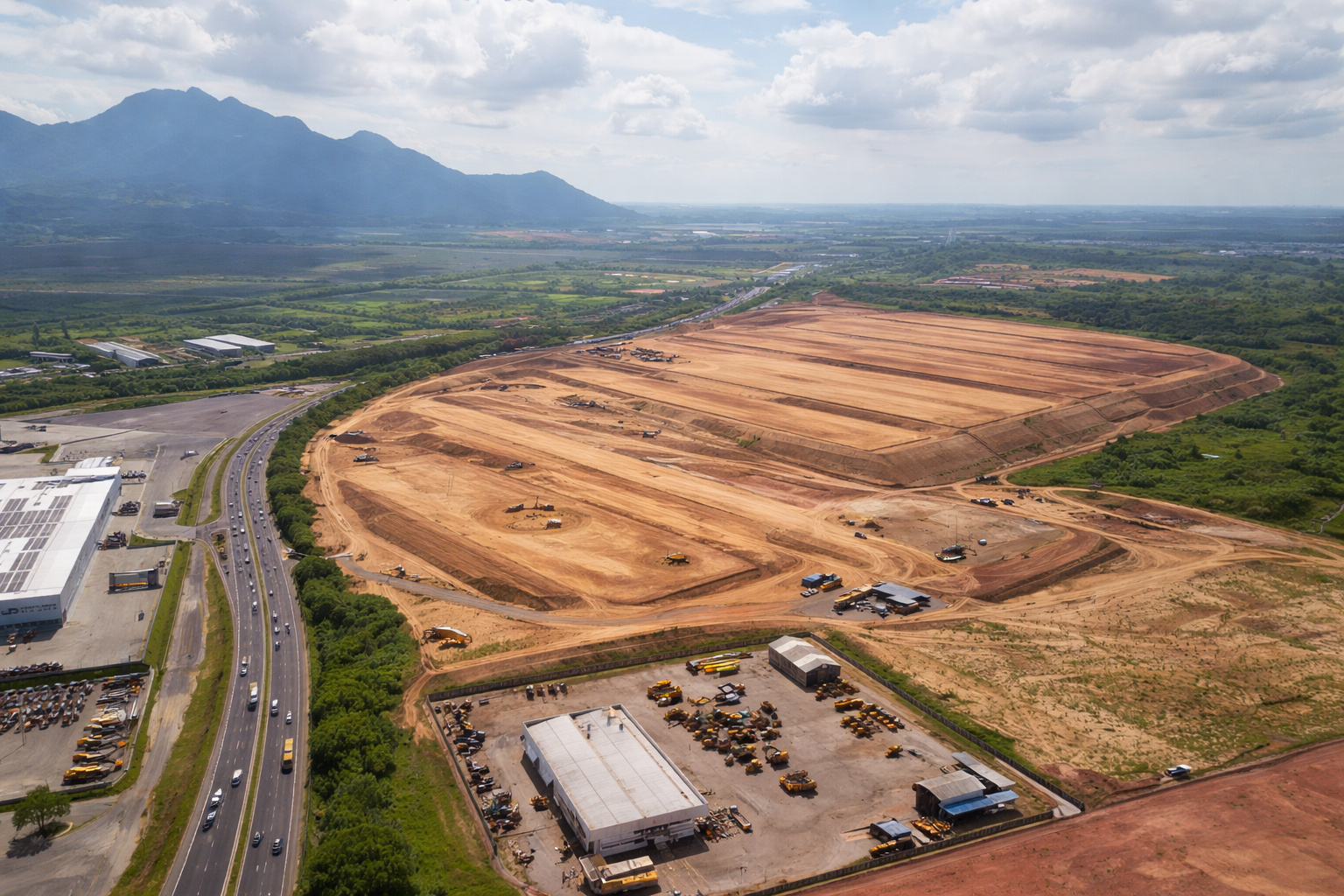
A R$ 300 million logistics giant is taking shape in Serra with over 100,000 m² and raises a question: how can this transform e-commerce and distribution in the state?
-
Could Uber Rides Lose Minimum Fare? Understand What’s Happening!


Managing a fleet means controlling processes based on collected information and data, such as how drivers drive, the condition and maintenance of vehicles, the amount of fuel consumed, the routes being followed, the mileage driven, among others.
This data helps make better decisions, save costs, and resolve issues more easily and efficiently. When fleet management is done well, it becomes easier to identify if any of the processes are causing excessive expenses and whether the fleet’s potential is being used correctly.
Fleet Management: What Must Not Be Missed
Preventive Maintenance For Vehicles
Taking vehicles for maintenance only when there is a problem can lead to higher costs than performing preventive maintenance. This is because, many times, we only notice the problem in the car when it has already progressed significantly.
Performing preventive maintenance not only reduces expenses but can also ensure the safety of your fleet’s drivers. Corrective repairs on the vehicle generate higher costs and disrupt the company’s transportation schedule, potentially leading to losses or customer dissatisfaction.
Drivers can contribute to preventive maintenance by preparing a checklist and checking all included items before starting a trip. This way, problems can be identified more quickly, avoiding more complex repairs and issues and/or accidents.
Insurance For Fleets
Even with vehicles up to date on maintenance, accidents, theft, robberies, collisions, and issues can occur. Having auto insurance for fleets can help save resources and protect the drivers.
In addition to protecting the company in case of theft and robbery, auto insurance offers 24-hour assistance for issues involving mechanics, electrical problems, and others such as flat tires and damaged keys.
In the event of accidents involving third parties, the insurance will cover damages to vehicles, as well as provide assistance in case of injuries in the collision.
Route Management
Neglecting route management is one of the most serious mistakes in fleet management. It is important to perform this task to reduce costs, especially with maintenance and fuel.
Having access to information about distance, possible types of routes, whether they are paved and safe, or the number of tolls along the route allows fleet vehicle management to be conducted in a way that facilitates a more efficient and safe trip for the driver.
Up-to-Date Documentation
During fleet management, there is a relevant obligation: to keep vehicle documentation up to date, as well as to pay necessary fees and taxes.
IPVA, Mandatory Insurance, ICMS, among other fees and commitments are subject to interest and fines if not paid on time, which can even lead to the seizure of vehicles, resulting in losses for the company.
Driver Training
Providing training for drivers is essential, as it becomes a way to bring out the best in each professional, improving team performance. Training that involves vehicle care, defensive driving, and traffic laws are great topics to address and pass on to the driving team.
Additionally, paying attention to the health of your driver team can be a way to increase fleet efficiency. Drivers work about 12 hours a day in Brazil, performing repetitive movements.
Guidance on preventive health, nutrition, physical exercise, proper sleep, and driving techniques can be measures that ensure greater productivity while preserving the health of drivers.
Fleet Management Software
With so many vehicles, drivers, and data to collect and analyze, the professional managing the fleet can rely on technology to their advantage. Thus, the task will become even more efficient, reducing errors. Fleet management software helps in tracking activities with agility, control, and practicality.
By: Andreia Silveira, editor at SeguroAuto.org.










Seja o primeiro a reagir!