





 Portuguese
  English
  Spanish
  5 min of reading
  1 comment


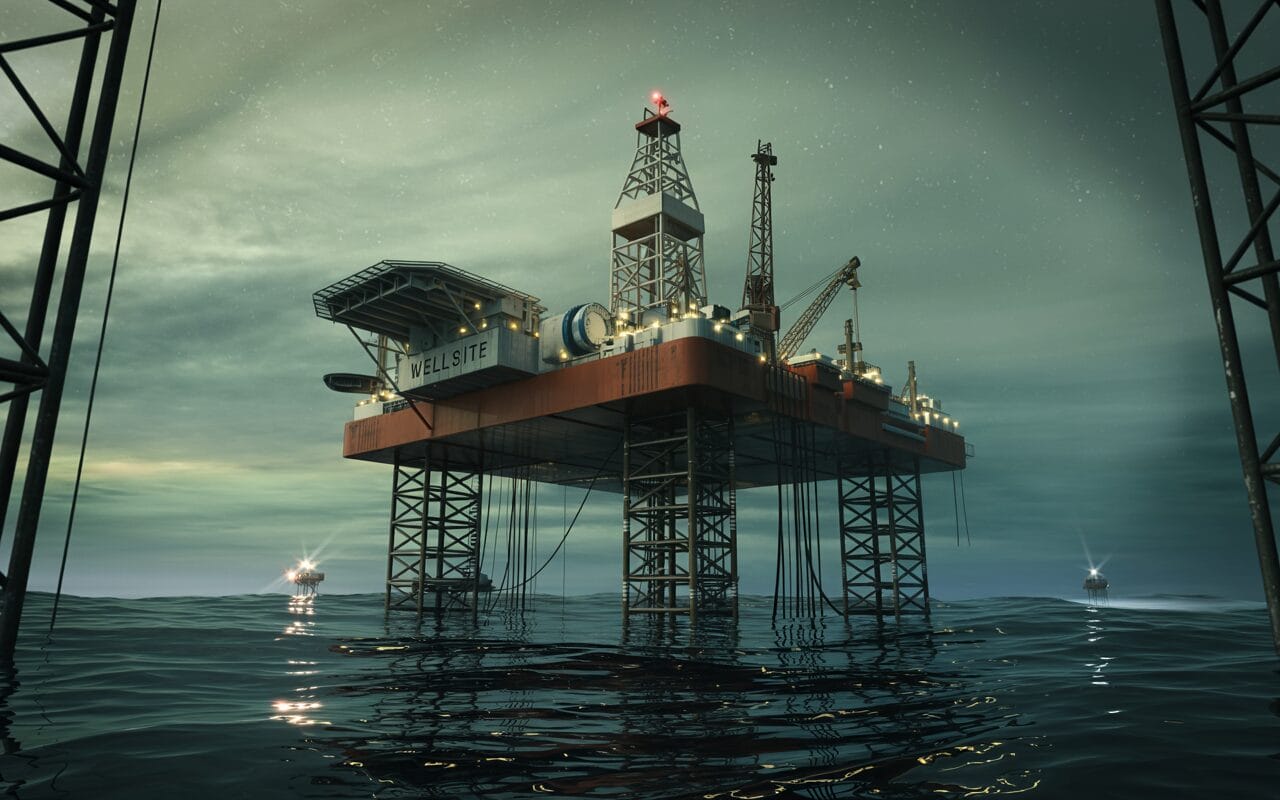


Petrobras Achieved A Historic Milestone With Monai, The Deepest Oil Well Ever Drilled In Brazil. Located In The Pre-Salt Of The Espírito Santo Basin, Monai Goes Down Almost 8 Kilometers Below The Sea Surface, Breaking Technical Records And Challenging The Limits Of Offshore Engineering.
Named After A Mythological Figure From Guarani Culture, Monai Is Not Just Another Well In Petrobras’ Portfolio. It Is Officially The Deepest Oil Well In Brazil, Representing An Unprecedented Achievement In Ultra-Deep Water Exploration. Located 145 Km Off The Coast Of Espírito Santo, In The Exploratory Block ES-M-669, The Monai Well Was Drilled In A Water Depth Of 2,366 Meters And Reached A Total Depth Of 7,700 Meters. This Is Almost Eight Kilometers In Vertical Depth, Exceeding Even The Height Of Mountains Like Mount Kilimanjaro.
Why Is The Depth Of The Monai Well A Milestone?
The Depth Of 7,700 Meters Positions Monai As The Oil Well That Tunnels Almost 8 Km Into The Sea Floor, Breaking The Previous National Record Held By The Parati Well, Drilled In 2005 In The Santos Basin, Which Reached 7,630 Meters. – Another Important Curiosity: The Largest Drilling Rig In The World Weighs 60,000 Tons And Drills The Earth’s Crust At 12 Km Depth — Meet The Oil Titan Equivalent To 96 Football Fields

This Milestone Is Not Just Symbolic — It Represents The National Industry’s Ability To Work In Exploratory Frontiers Of Extremely High Complexity, With Cutting-Edge Technologies And Increasingly Robust Safety Protocols.
-
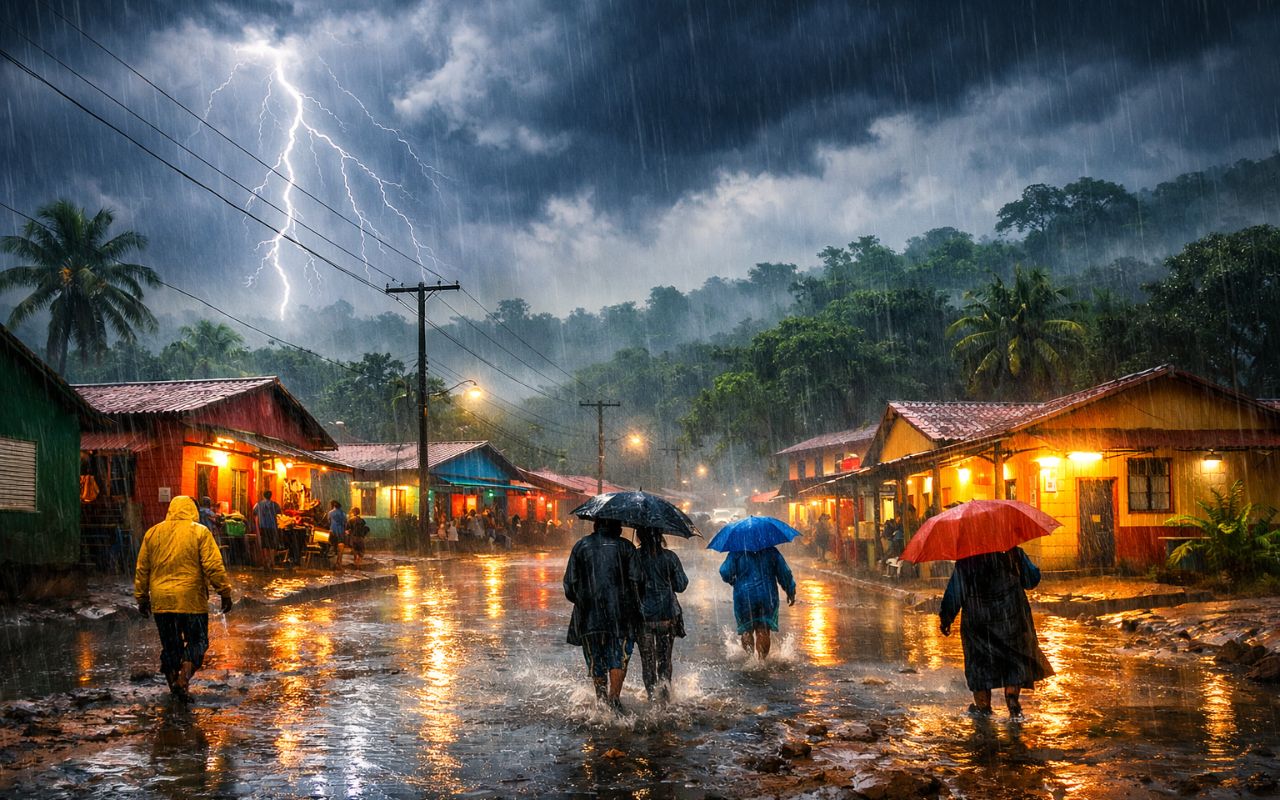
It seems to have come out of a science fiction movie: A Brazilian city where it rains almost every day, recording over 4,000 mm per year, driven by climatic factors — a direct result of its strategic location in the Amazon.
-
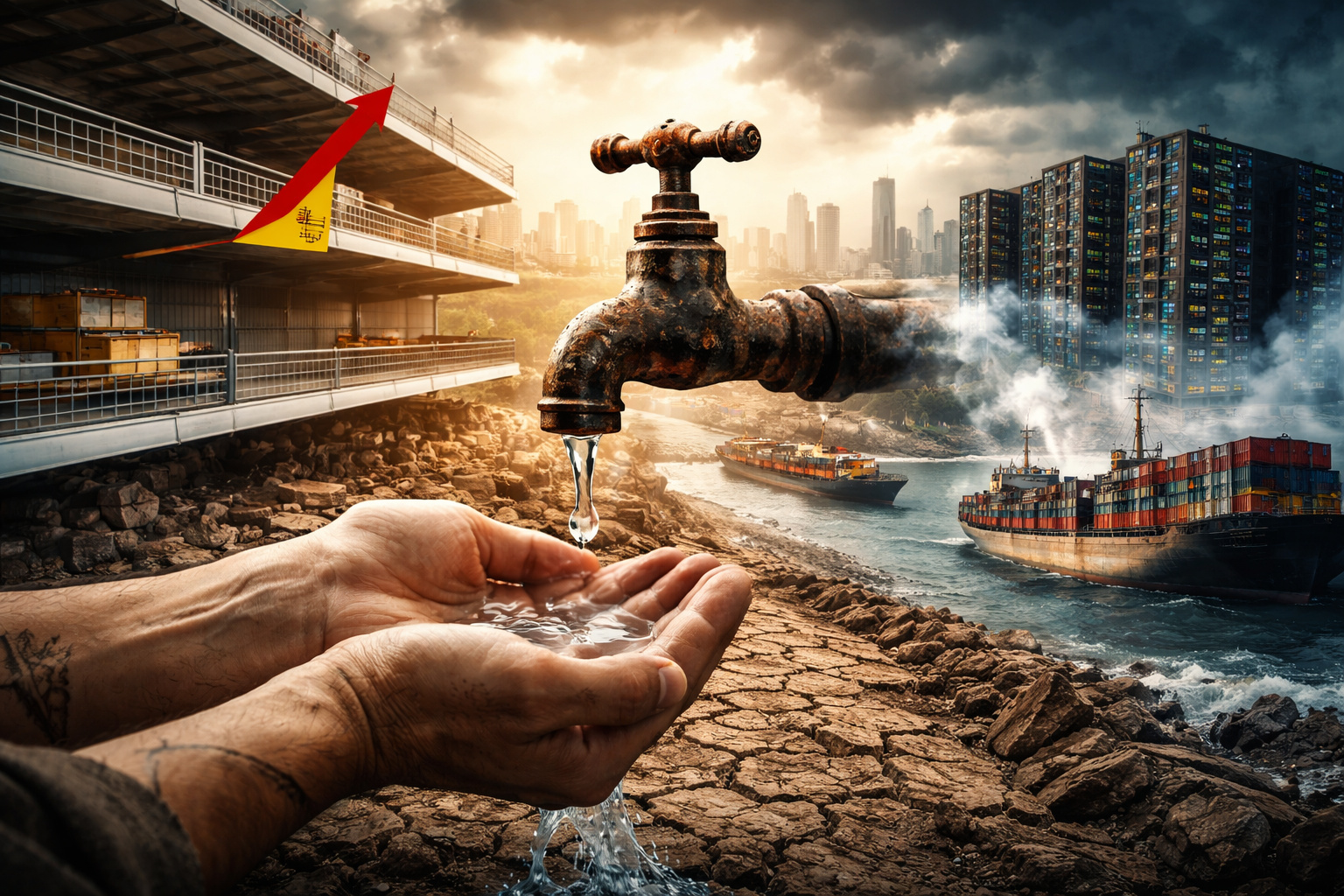
The water crisis that could change everything this year has already begun; it’s not just about the climate, it affects technology, raises product prices, and can halt entire companies without warning.
-
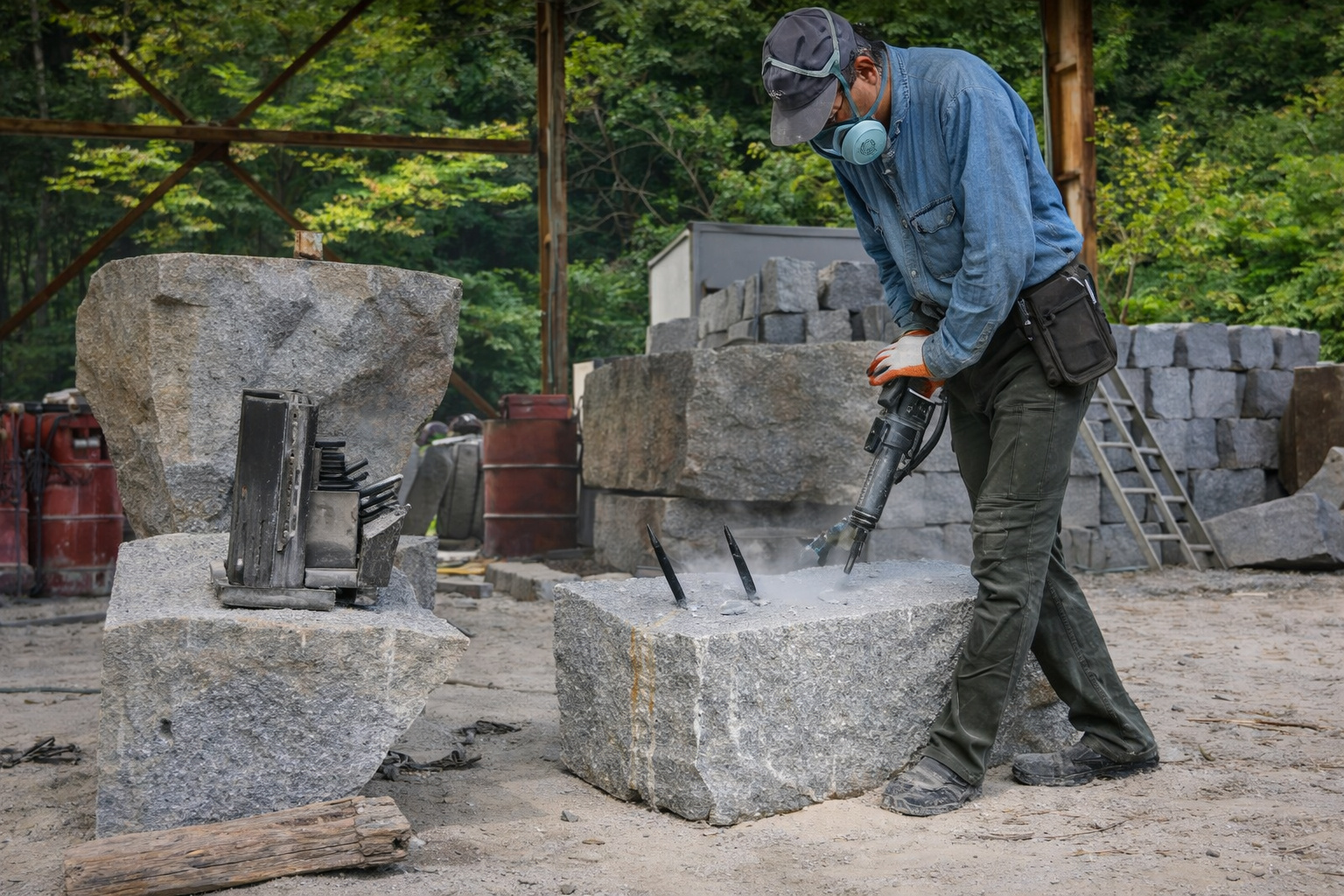
A Japanese mason transforms raw granite into small cups and handcrafted utensils, collects giant stones, cuts with precision, and impresses with detailed manufacturing and finishing.
-
The rise in oil prices could ensure an extra revenue of R$ 100 billion for the Federal Government, indicates a recent economic study.

Understand The Difference Between Production Well And Exploratory Well
The Monai Well Is An Exploratory Type, Meaning Its Main Objective Is To Analyze The Viability Of Extraction In A Certain Area. Unlike Production Wells, Which Pump Oil Or Gas Continuously, Exploratory Wells Serve To:
- Evaluate The Geology And Pressure Of The Drilled Rocks;
- Identify The Existence Of Reservoirs;
- Provide Data For Geological Modeling And Investment Decisions.
This Data Was Crucial For Petrobras To Decide The Directions Of The ES-M-669 Block, Acquired In 2013.
The Different Depths In Offshore Production
The Complexity Of The Monai Well Is Also Measured By Comparing It To Other Types Of Offshore Exploration:
- Shallow Water: Up To 300 Meters Deep;
- Deep Water: Between 300 And 1,500 Meters;
- Ultra-Deep Water: Above 1,500 Meters — A Category In Which Monai Fits, With Over 2,300 Meters Just In Water Depth.
The Sum Of The Water Depth With The Depth Of The Well Makes Monai One Of The Most Challenging Wells Ever Drilled In National Territory.
The Historic Records Of The Monai Oil Well

Next, See The Main Records Achieved By The Deepest Oil Well In Brazil:
Greatest Total Depth In Brazilian Territory
7,700 Meters: The Monai Well Surpassed All Previous Ones Drilled By Petrobras And Any Other Company Operating In Brazil.
Greatest Tie-Back Column
One Of The Technical Highlights Was The Installation Of The Largest Tie-Back Column Ever Recorded In The Country, With 4,300 Meters In Length. This Metal Structure Connects The Bottom Of The Well To The Head Installed On The Seabed, Ensuring Stability.
Greatest Thickness Of Salt Layer Ever Drilled
The Monai Passed Through A Salt Layer With A Thickness Of 4,850 Meters, A Number That Almost Doubles The Average Observed In The Santos Basin, Between 2,000 And 2,200 Meters. This Is Equivalent To The Height Of Almost Six Burj Khalifa, The Tallest Building In The World.
Greatest Weight Of Lining In Brazilian Waters
A Total Of 794 Tons Of Steel Were Used For The Internal Lining Of The Well, Equivalent To Five Blue Whales, The Heaviest Animal On The Planet.
The Technical Challenges Faced By Petrobras
Drilling A Well Like Monai Is No Simple Task. Complexity Increases Drastically At Extreme Depths. Some Of The Main Challenges Included:
Extremely Reduced Drilling Speed
- In The Final Stages Of The Well, The Drilling Speed Dropped To Less Than 5 Meters Per Hour, Compared To 100 Meters Per Hour In Shallower Sections.
Extreme Geological Pressures
- Pressure In Some Points Of Monai Reached 17,000 Psi, About 1,200 Times The Atmospheric Pressure At Sea Level, Which Requires Extremely Reinforced Equipment And Continuous Monitoring.
Hardness Of The Rocks
- At Great Depths, The Rocks Are Denser, Harder, And Require Special Drills And Elevated Thermal Resistances To Withstand The Heat And Pressure Of The Environment.
Advanced Technologies To Enable Drilling
To Overcome The Challenges Of The Oil Well That Tunnels Almost 8 Km Into The Sea, Petrobras Invested In Cutting-Edge Technological Solutions:
Next-Generation Drills
Equipment Specifically Designed To Withstand Abrasion And Operate With High Efficiency In Ultra-Dense Rocks.
MPD (Managed Pressure Drilling) System
A Real-Time Pressure Management System, Essential To Avoid Accidents And Leaks, Monitoring Well Stability With High-Precision Sensors.
24/7 Automation And Operational Intelligence
Fully Supervised Operations, With Remote Monitoring Centers, Contributing To Safety And Reducing Execution Time.
Operational Efficiency
Thanks To The Application Of These Technologies, The Monai Achieved A 50% Reduction In Total Drilling Time, Representing Direct Resource Savings.
Why Still Drill Such Deep Wells In Times Of Energy Transition?
The Question Is Legitimate: If The World Is Moving Towards Clean Sources, Why Invest In Such Deep Oil Wells?
The Answer Lies In Responsible Energy Transition. According To Petrobras And The National Agency Of Petroleum (ANP), There Is Still Global Demand For Oil, Especially For Fuels, Plastics, Fertilizers, And Essential Derivatives.
The New Wells, Like Monai, Aim To:
- Replace Depleted Reserves;
- Reduce The Carbon Footprint Per Barrel Produced;
- Strengthen National Energy Autonomy;
- Maintain Brazil As A Reference In Low Environmental Risk Offshore Exploration.
Monai And The Future Of Exploration In The Espírito Santo Basin
With The Data Collected By Monai, Petrobras Will Be Able To Model New Projects In The ES-M-669 Block And In Adjacent Areas Of The Espírito Santo Basin, Considered One Of The New Promises Of Brazilian Pre-Salt, Along With The Santos And Campos Basins.
The Geological Information Obtained Helps Reduce Exploration Risks, Attract Foreign Investments, And Consolidate Brazil As One Of The World Leaders In Ultra-Deep Water Production.
The Monai Well And Geopolitical Impact
From A Geopolitical Perspective, The Deepest Oil Well In Brazil Reinforces The Country’s Strategic Role In The International Energy Scenario.
With Significant Reserves, Globally Recognized Technical Expertise, And Advanced Infrastructure, Brazil Can:
- Guarantee Energy Self-Sufficiency;
- Export Knowledge And Technology In Drilling;
- Expand Its Role In The Global Market Without Compromising Environmental Responsibility.
The Monai Well Is Not Just The Deepest Well In Brazil. It Is A Symbol Of An Industry That, Even Amidst Climate And Geopolitical Transformations, Reinvents Itself And Advances Based On Science, Technology, And Safety.
By Reaching Almost 8 Km In Depth At The Bottom Of The Sea, Monai Broadens The Horizons Of Energy Exploration And Places Brazil On A New Level Of Innovation And Technical Excellence.




O poço do petróleo que perfura? Que frase mais sem sentido. Poço é poço, quem perfura é Plataforma de Perfuração.