





 Portuguese
  English
  Spanish
  4 min of reading
  8 comments


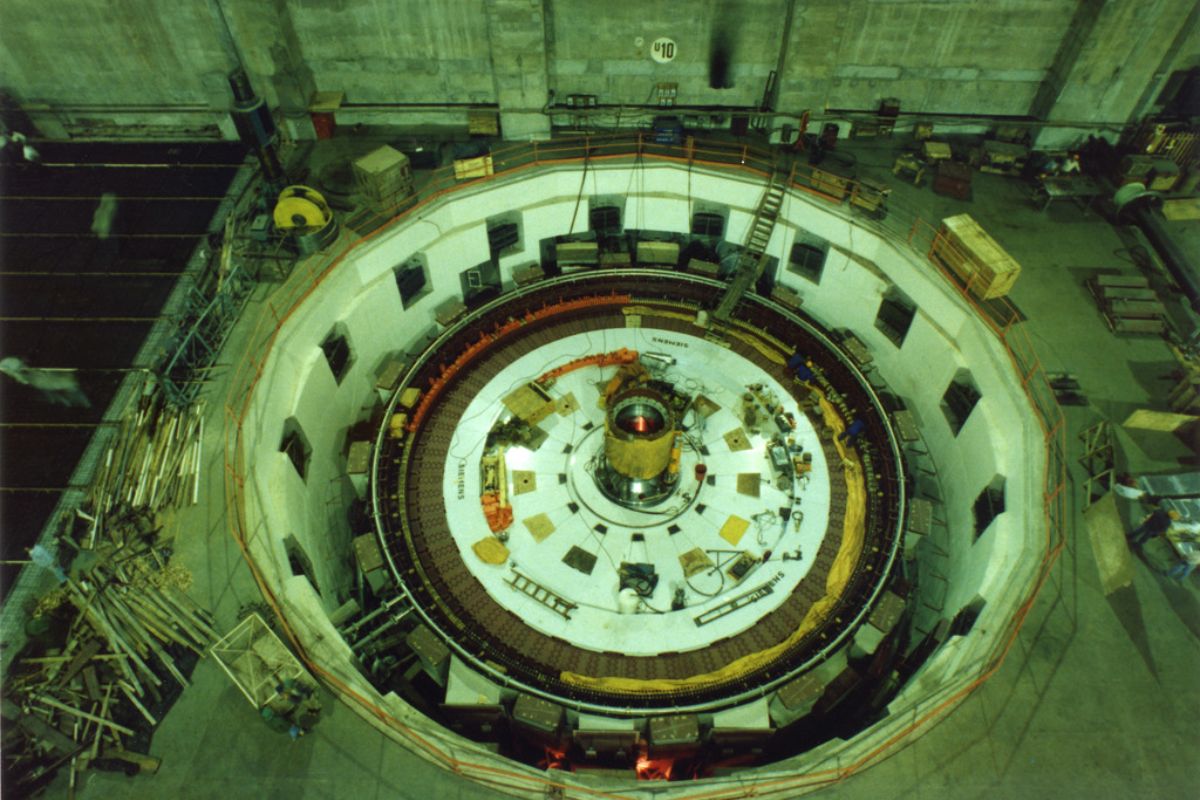


The Plant Is Driven by Colossal Components, Including the 1,760-Ton Itaipu Generator Rotor, an Engineering Feat That Is Currently Undergoing Modernization.
The image of a colossal piece spinning to generate energy for millions of people fuels the imagination about the Itaipu Dam. At the center of this system, the Itaipu generator rotor converts the force of water into electricity, but the story behind its true weights and measurements is even more fascinating than the legend.
Spawned from a treaty signed between Brazil and Paraguay in 1973, the dam is a monument of engineering. Now, in the midst of modernization, the analysis of its components reveals why Itaipu continues to be a global reference. Understand how this machine works and how its future is being secured.
How the Force of Water Moves the 20 Gigantic Francis Turbines
Energy generation at Itaipu begins at its dam, nearly 8 km long and 196 meters high. Water from the Paraná River is directed through enormous forced conduits, each 10.5 meters in diameter, to the 20 generating units.
-
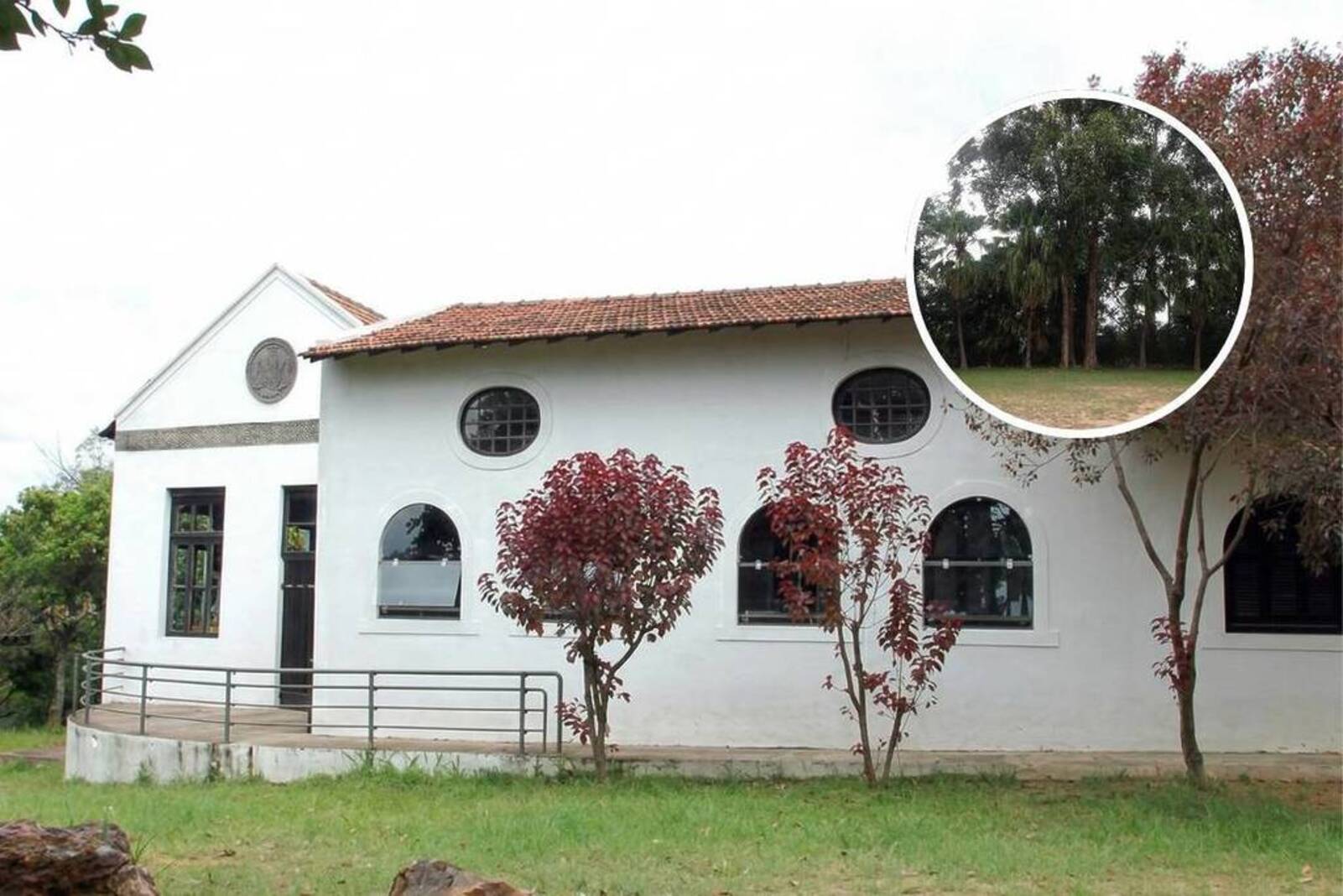
After 14 years of waiting, a rammed earth mansion built in 1702 in the North Zone of São Paulo will become a park with leisure facilities and green areas, with a million-dollar investment.
-
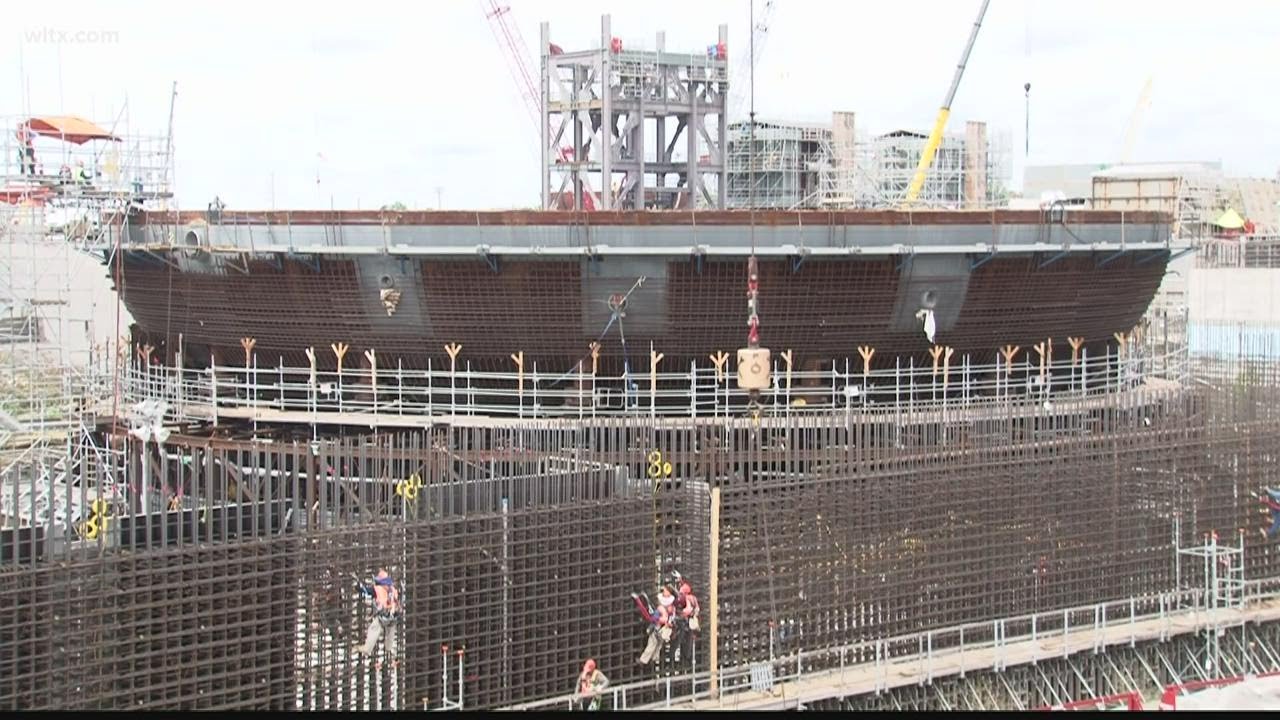
With 2 unfinished nuclear reactors, up to 25 billion in costs, and proven fraud, the Nukegate case has left 800,000 consumers still paying today for energy that will never be produced.
-
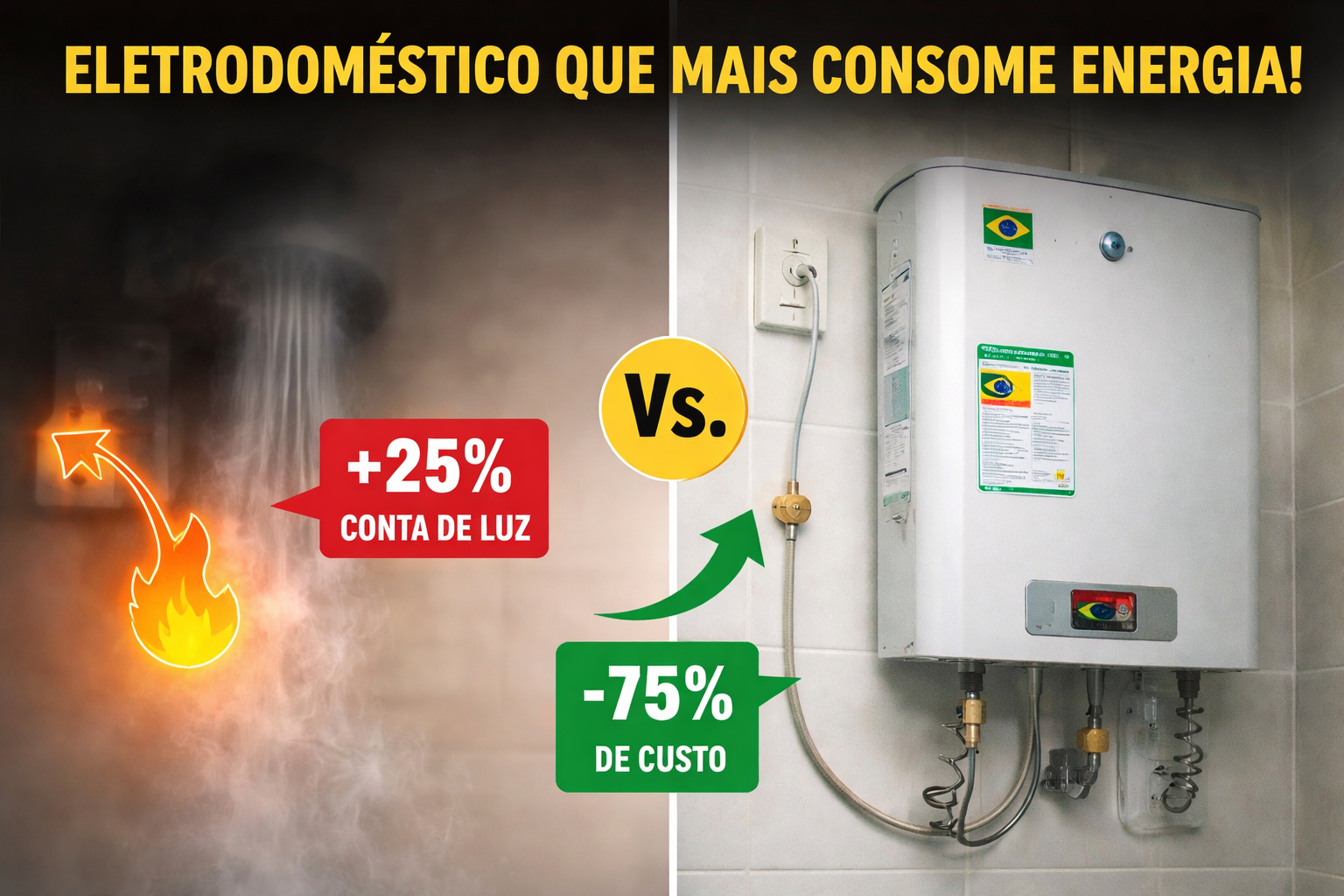
The household appliance that consumes the most energy in Brazilian homes is not the air conditioner; it is located in the smallest room of the house, is used daily, and can account for up to 25% of the electricity bill, while an alternative in the same outlet can reduce this cost by up to 75%.
-
Son of a seamstress from the rural area of Ceará who did not speak English wins a scholarship of over 2 million reais at Williams College, one of the top 10 universities in the United States, covering everything including dormitory, meals, and annual trips to Brazil.


Each unit is equipped with a Francis turbine, ideal for the 118-meter drop of the plant. The flow of water passing through each turbine is 690 cubic meters per second. It is this monumental force of water that ultimately drives the Itaipu generator rotor.
The Turbine Wheel and the Itaipu Generator Rotor
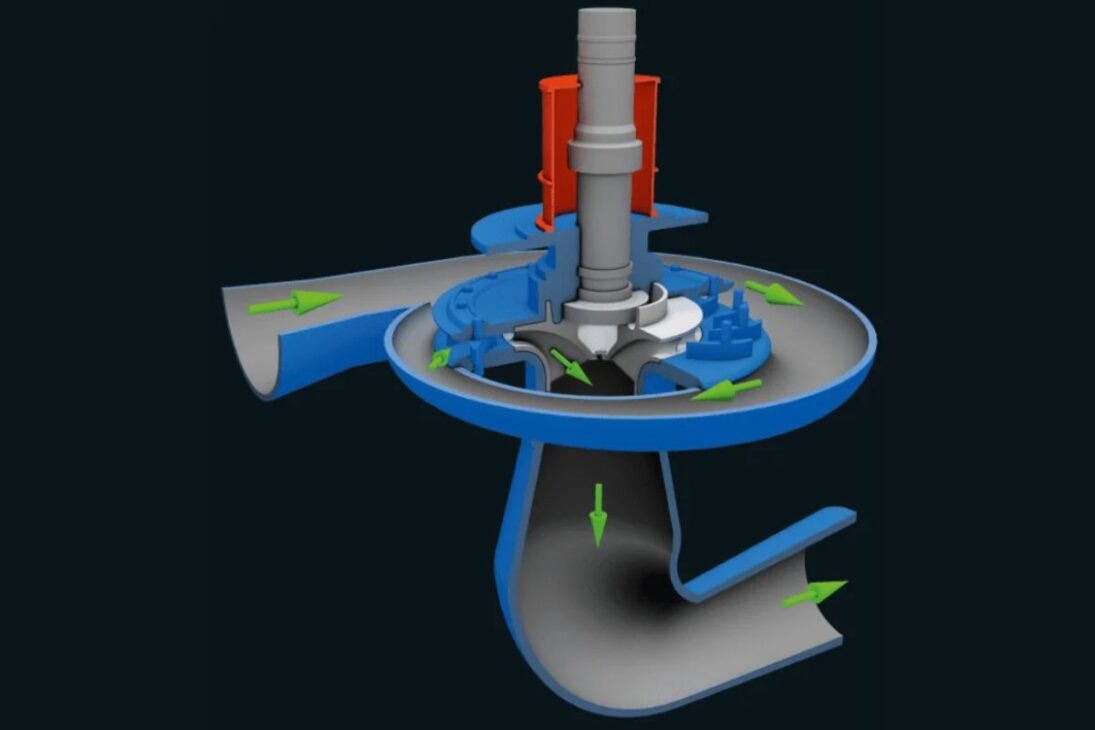
The generating unit has two main rotating components, with very different weights and functions, that are often confused.
The piece that makes direct contact with the force of water is the Turbine Wheel. With its curved blades, it functions like a giant oar. The turbine wheel at Itaipu is 8.6 meters in diameter and weighs 296 tons.
Coupled to the turbine shaft is the true colossus of the unit: the Itaipu generator rotor. This is a massive electromagnet that, when spinning, converts movement into electricity. It is the heaviest moving part of the plant, weighing 1,760 tons. The total weight of a single generating unit, which includes the turbine, shaft, and the impressive Itaipu generator rotor, reaches approximately 3,360 tons.
Spinning at 90 RPM to Generate 14,000 MW: Energy Production for Brazil and Paraguay
All this gigantic assembly, with the Itaipu generator rotor as its most massive component, spins at a strictly controlled speed, as it defines the frequency of electrical energy. The ten units serving Brazil (60 Hz) spin at 92.3 revolutions per minute (RPM), while the ten units serving Paraguay (50 Hz) spin at 90.9 RPM.
Each of the 20 units has a nominal capacity of 700 megawatts (MW), totaling the famous installed capacity of 14,000 MW of Itaipu. Under the 1973 treaty, energy is divided equally between the two countries. Since Paraguay consumes less than its quota, it sells the surplus to Brazil, a key operation for the success of the binational agreement.
The $670 Million Modernization Plan That Will Extend Until 2036
After nearly 40 years of operation, Itaipu has initiated the most comprehensive upgrade plan in its history. The project, costing around $670 million and lasting 14 years (2022-2036), aims to replace analog control systems with cutting-edge digital technology.
The modernization focuses on the “brain” of the plant, not its “muscles.” Heavy components, such as the turbine, turbine wheel, and the robust Itaipu generator rotor, are in excellent condition and will not be replaced. The focus in 2025 is on planning, using a “digital twin” of the plant to simulate all changes before the physical intervention, which will begin in 2026.
A Legacy of Clean Energy and Robust Engineering
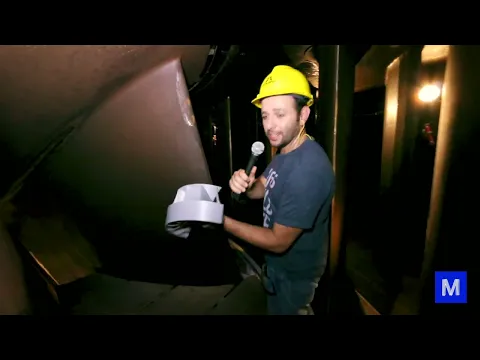

Itaipu is an engineering icon not only for its scale but for its longevity and performance. The plant holds the world record for the highest accumulated energy production in history, a feat made possible by the reliability of components like the Itaipu generator rotor.
With the repayment of its construction debt in 2023, the plant entered a new era, freeing up resources to finance its own modernization. By upgrading its systems for the 21st century, Itaipu ensures that it will continue to be a pillar of clean and renewable energy, solidifying its legacy as an example of cooperation, excellence, and sustainability.





Eu n tenho muito a comentar mas fui eu que em 1979 transportei no caminhão um gancho de 3400 toneladas de são Paulo a Itaipu binacional este gancho foi utilizado a mover no local os rotores e turbinas ok
Não nos esqueçamos também que Itaipu e praticamente todas as estatais são um cabides de empregos para os apaniguados dos partidos políticos que estão nos poder.
Quer conhecer mais sobre geração de energia elétrica por máquinas girantes, leia o livro 212,5 cm/ seg, da editora Synergia e aumente o portfólio de seus conhecimentos.