





 Portuguese
  English
  Spanish
  8 min of reading
  0 comments


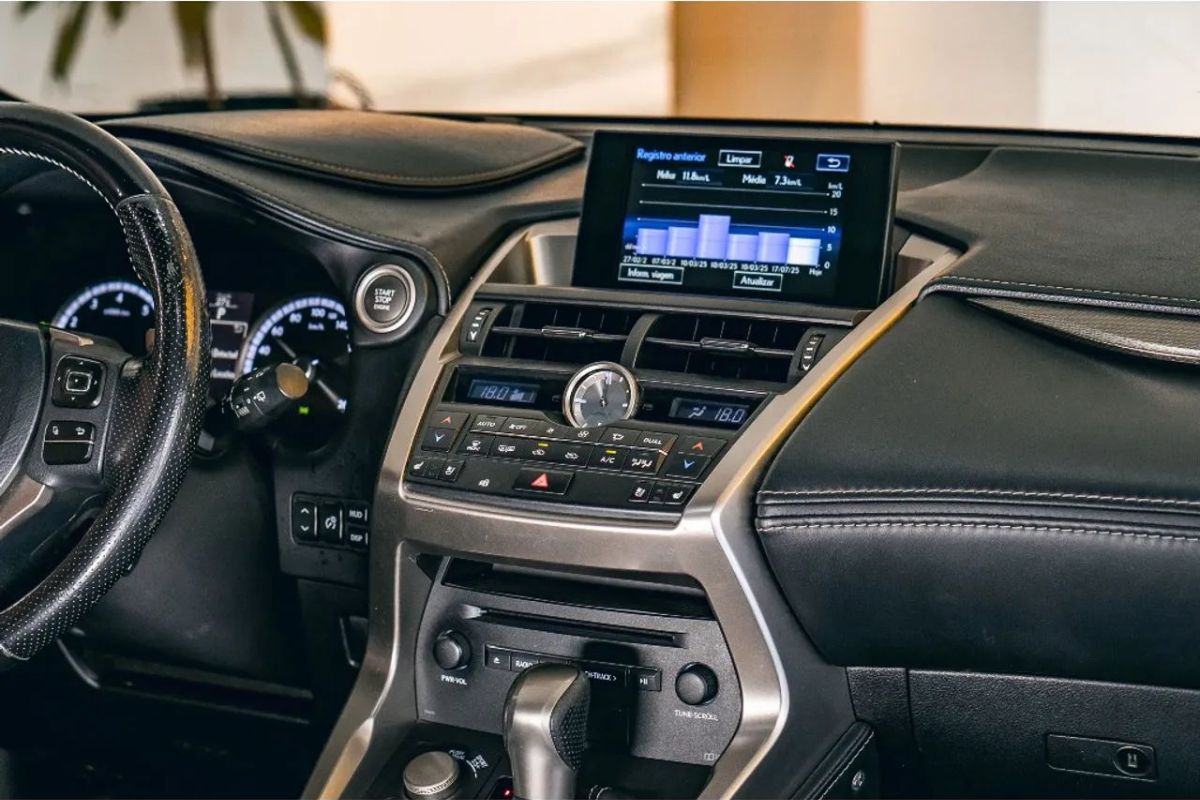
In The Brazilian Used Car Market, The 2016 Lexus ES 350 Emerges As A Luxury V6 Sedan With Reliable 3.5 Naturally Aspirated Engine, Honest Fuel Economy, Toyota Maintenance, Price Between 130 And 150 Thousand Reais, Competing Directly With Mid-Size Zero-Kilometer SUVs More Basic And Less Equipped In Finish, Comfort, Technology, Urban Safety
Manufactured in 2016 and now on the verge of completing about ten years of use, the Lexus ES 350 still delivers a typical set of an executive sedan from a German brand, but with Toyota mechanical underpinnings, a 3.5L V6 engine producing 277 horsepower, and a stated focus on comfort and long-term reliability. In a scenario where large sedans have practically disappeared from showrooms, it survives in Brazil as a niche car, bought by those who look at technical sheets and maintenance spreadsheets before following the SUV trend.
Nearly ten years after its manufacture, with used prices ranging around 130 to 150 thousand reais, the Lexus ES 350 has gone through the most intense phase of depreciation and now costs less than many compact and mid-size zero-kilometer SUVs sold in the country. The proposal is clear: to offer a naturally aspirated V6 with a robust history, sophisticated finishing, and honest fuel consumption for those willing to forgo some newer technologies in exchange for a simple, known, and predictable mechanical package for maintenance.
Luxury Sedan With German Look And Toyota Heart

On the outside, the Lexus ES 350 positions itself exactly where buyers usually look for German brands: large sedan, well-defined three-volume design, front with a huge grille and LED headlight assembly, rear with horizontal taillights and visible dual exhausts.
-
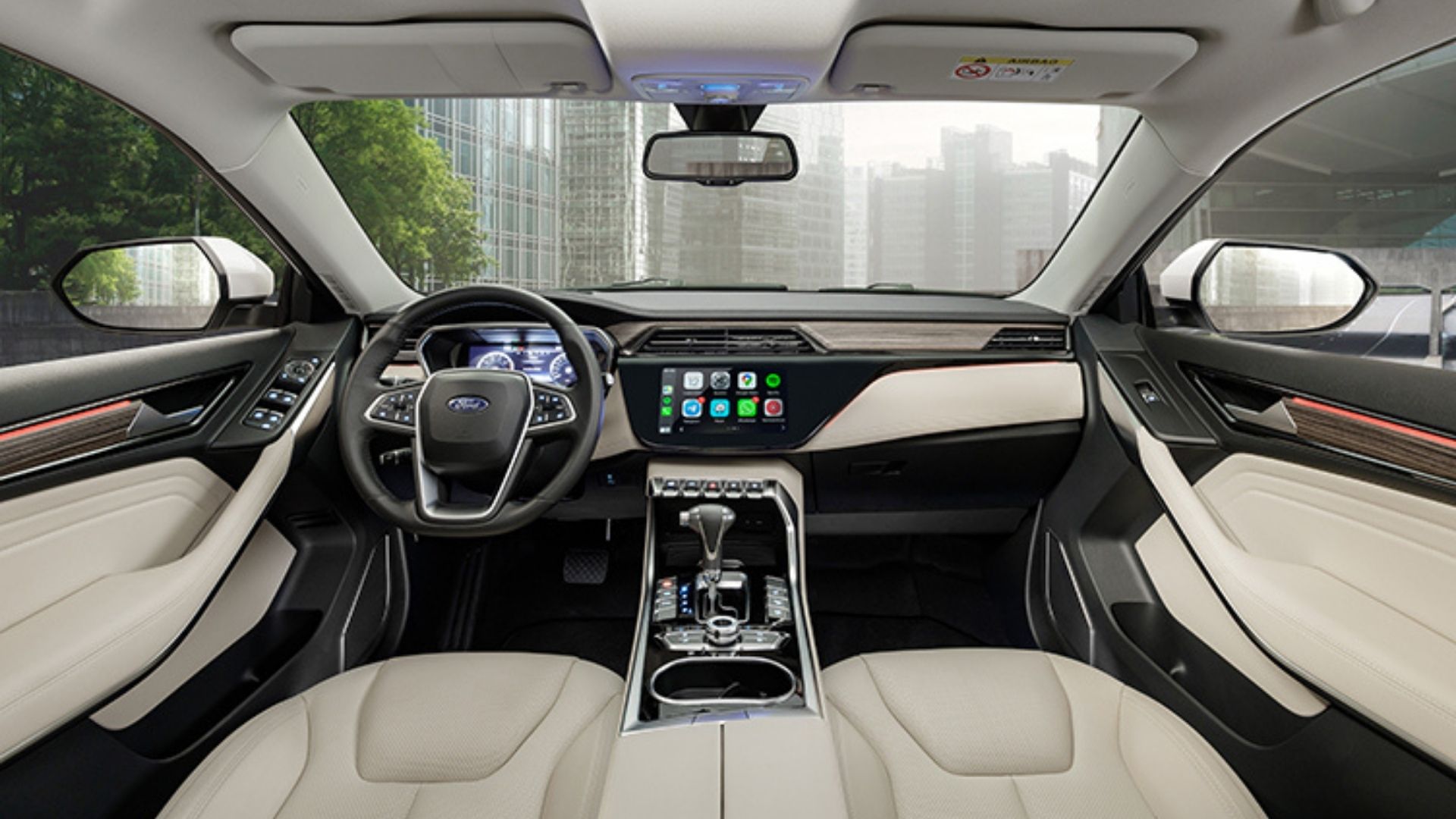
Around R$ 24,000: 4 used Ford SUVs with up to 253 hp, V6 engine, all-wheel drive, 7 airbags, panoramic sunroof, and a complete package that surprises with its price and performance in Brazil.
-
A brand new car starts at around R$ 75,000 in Brazil, but what stands out the most is seeing streets filled with SUVs and expensive sedans in a country where millions remain in debt.

-
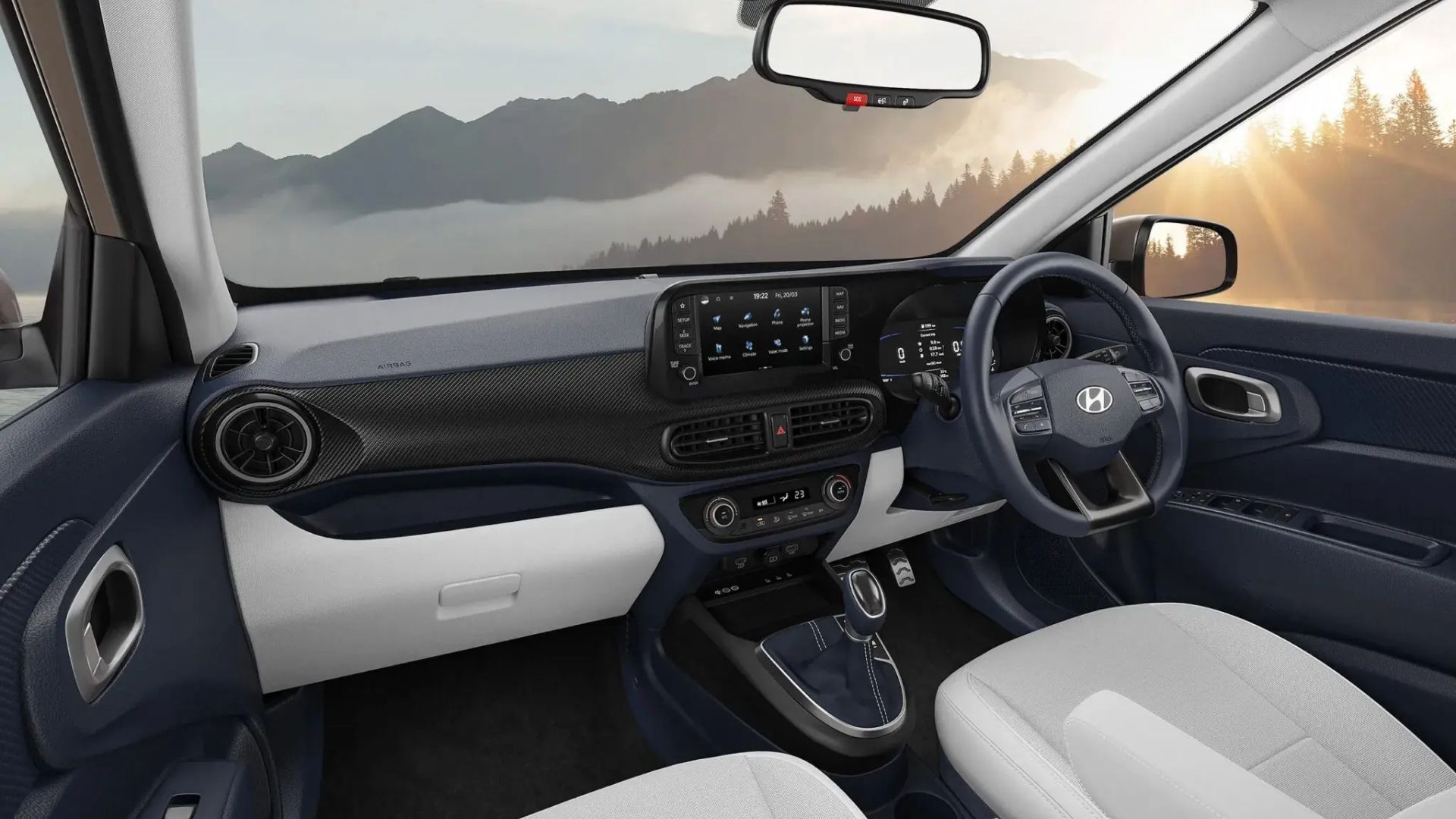
For R$ 32,000, a brand new Hyundai car is a rival to the Kwid with a 1.2 engine producing 82 hp, 6 airbags as standard, multimedia with wireless Android Auto, up to 391 liters in the trunk, and a refreshed look for 2026 in India.
-
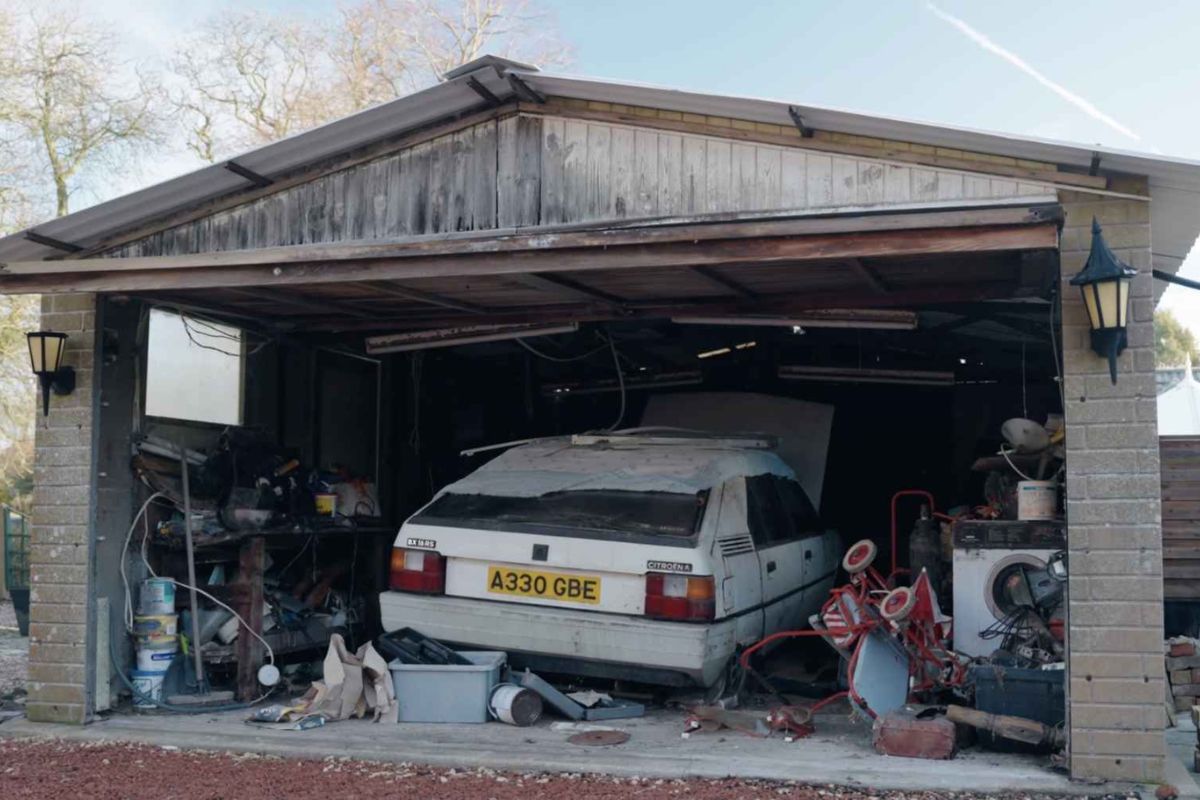
He bought a new car in 1983, locked it in the barn in 1988, and no one opened the door for 38 years until the family discovered what was stored inside and realized it looked like something out of a movie.

It is a respectable sedan, with visual presence and typical high-end executive proportions.
The difference is under the body.
Instead of a more complex and expensive European engine, the car uses the same engine base as the Toyota Camry of the time.
This means fully Toyota mechanics, focused on durability, chain-driven instead of timing belts, and absence of turbo or complex hybrid systems.
In practice, the ES 350 is a much more luxurious Camry, designed for those who want to step up in finish without proportionally increasing mechanical risk.
3.5L Naturally Aspirated V6 Engine, Performance And Official Numbers
Under the hood, the Lexus ES 350 comes with a 3.5L naturally aspirated V6, 100 percent without turbo, with 277 horsepower and 35.3 kgfm of torque at 4,700 rpm.
It is a typical set of a large naturally aspirated engine from the old school, with peak torque coming at higher revolutions and linear delivery, without the abrupt push of modern turbos.
Weighing around 1,640 kilograms, the sedan offers a power-to-weight ratio of approximately 5.9 kilograms per horsepower, a number that places it in the range of cars considered fun to drive in acceleration.
The traction is front-wheel drive and the transmission is a six-speed automatic, without dual-clutch.
According to disclosed data, the zero to one hundred kilometers per hour is around 7.5 seconds, a result confirmed in practical testing around 7.4 seconds, with two people on board and less than ideal pavement.
Honest Fuel Economy For A Naturally Aspirated V6


In the city, the Lexus ES 350 registers averages around 6.5 kilometers per liter, while on the highway it can reach roughly 11.5 kilometers per liter under stabilized driving conditions.
For a naturally aspirated V6 with nearly 280 horsepower, these numbers are considered honest fuel consumption, not miraculous.
The calibration of the six-speed transmission favors low RPM cruising.
At around 110 kilometers per hour, the engine runs close to 2,000 rpm, which helps with fuel consumption and reduces interior noise.
There are no radical sporty modes, but there is a selection between Eco, normal, and sport modes, altering throttle response and gear management.
For those coming from medium-sized four-cylinder sedans, the leap in performance is clear, while fuel consumption remains within expected limits for the category.
Internal Space And Executive Comfort
Inside, the Lexus ES 350 follows the guidelines of a classic executive sedan.
The rear seat offers excellent legroom, allowing even crossing legs comfortably when the front seat is adjusted for someone around 1.83 meters tall.
There are headrests and three-point seat belts for everyone, Isofix mounting points, multiple side airbags, curtain airbags, and knee airbags, plus rear air outlets and an additional outlet specifically connected to the seat ventilation.
In terms of finishing, there is good quality leather on the seats, doors, and console, wood trims, soft-touch materials on practically all contact surfaces, and details designed for those traveling in the back, such as window curtains and an electrically operated rear curtain activated by a button.
The air conditioning is three-zone, with independent control for rear passengers, and the rear seats offer heating, reinforcing the focus on prolonged comfort for long trips.
Trunk, Family Use And Practical Details
The trunk of the Lexus ES 350 offers 430 liters, fully lined and with good opening, sufficient for the luggage of a family on trips, but not as generous as some rivals of similar size.
The car has a full-size alloy spare wheel, identical to the other wheels, with disc brakes on all four wheels, something unusual in many recent sedans that use temporary spare tires.
On the downside, the rear seatback does not fold down, limiting the transport of long objects, such as boards or larger sports equipment.
The fuel tank holds 65 liters, which, combined with highway fuel consumption, allows for good autonomy on trips.
Small practical details, like trunk lid hooks and points to hold the lid while accessing the spare, show that the design considered the real use of the car, even in less frequent situations.
Dated Multimedia And Classic Ergonomics
If there is one clearly outdated point in the Lexus ES 350, it is the multimedia system.
The screen is small by current standards, is not touch-sensitive, and requires operation via a controller in the central console, with wrist support and physical navigation controls.
The interface is slow, does not offer Android Auto or Apple CarPlay as standard, and requires patience for map or audio adjustments.
On the other hand, the ergonomics of the air conditioning controls and main functions are well resolved. Dedicated physical buttons control temperature, ventilation, and airflow direction, allowing adjustments without taking your eyes off the road.
The instrument panel uses analog gauges for speedometer, tachometer, engine temperature, and fuel level, with a small central display for consumption information, compass, error messages, and simple adjustments.
There is no digital speedometer or advanced driving assistance package, such as adaptive cruise control.
Equipment, Luxury And Small Weak Points
In the front, the seats of the Lexus ES 350 are spacious and very comfortable, with multiple electric adjustments, including lumbar and seat extension, plus memory functions for the driver.
The passenger seat is also electric and can receive height adjustment, something still uncommon today.
The steering wheel has electric height and depth adjustment, synchronized with the seat and side mirror memory functions.
When turning off the car, the seat moves back to facilitate the driver’s exit.
The acoustic insulation is a highlight. At highway speeds, wind and road noise are very low, reinforcing the character of a travel sedan.
There is a sunroof with separate controls for tilt and full opening, an auto-dimming rearview mirror, automatic headlights, automatic wipers, and quality sound supporting Dolby Digital.
Among the weak points, besides the multimedia system, are the pedal-operated parking brake and the absence of features that are now common in luxury sedans, such as blind spot alerts or more advanced assistants.
Driving, Comfort And Performance In Practice
At the wheel, the Lexus ES 350 reinforces the proposal of absolute comfort.
The independent suspension well filters irregularities, without finish noises and without harsh bumps, and the car remains stable in highway curves, despite the front-wheel drive.
The V6 engine feels docile in normal use, almost silent and without vibrations, but responds with strength when the accelerator is pressed more decisively.
The acceleration from zero to one hundred in about 7.4 to 7.5 seconds is more than sufficient for safe overtakes, and the overall behavior conveys a sense of a solid, mature, and well-built car.
There is no explicit sporting pretense, and the chassis calibration favors comfort, but the performance is clearly superior to that of medium four-cylinder sedans and many SUVs equipped with smaller turbo engines.
Price, Comparison With Zero-Kilometer SUVs And Value Proposition
The Brazilian used car market positions the Lexus ES 350 in a range of approximately 130 to 150 thousand reais, depending on the year, mileage, condition, and whether or not it has armor.
This is exactly the price range of many compact and mid-size zero-kilometer SUVs with smaller engines, fewer features, and simpler finishing.
While purchasing a brand new Lexus is often considered a bad deal in terms of depreciation, a well-depreciated used one becomes a much more rational proposal.
The ES 350 combines a robust naturally aspirated V6 engine, Toyota’s support network, and lower mechanical complexity than used German rivals in the same price range, which often require more expensive and unpredictable maintenance. For those looking to keep the car for several years, this predictability matters.
For Whom Does A Used Lexus ES 350 Make Sense
The Lexus ES 350 used serves a specific profile: a driver who wants a large, comfortable sedan with strong naturally aspirated V6 performance, good acoustic insulation, and a luxury interior, but does not wish to enter the maintenance routine of an used German car of the same age.
It is a car for those who are willing to forgo modern multimedia systems and advanced assistance in exchange for robustness and classic comfort.
In practice, those looking for a compact or mid-size zero-kilometer SUV in the 130 thousand reais range will find in the ES 350 a package of space, performance, and finishing hard to match, as long as they are willing to deal with an older project in connectivity and with larger size for daily urban use.
Knowing this, if you had around 130 to 150 thousand reais today, would you put the Lexus ES 350 used on your list before closing a deal on a mid-size zero-kilometer SUV or would you still prefer the safety of a newer project even if it means giving up the V6 and luxury?









-

5 pessoas reagiram a isso.