





 Portuguese
  English
  Spanish
  4 min of reading
  0 comments


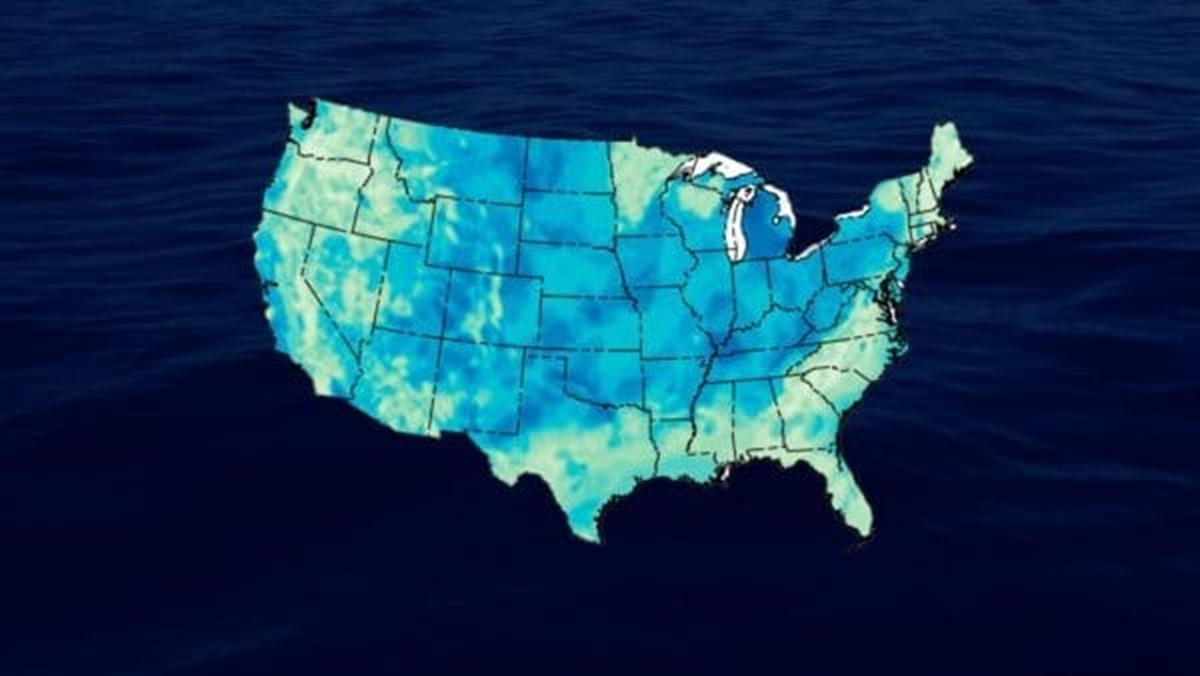
Survey Released in 2025 by the United States Geological Survey Identifies Hidden Geological Hydrogen Belt Under U.S. Territory, Indicating Energy Potential Nearly Twice That of Global Natural Gas Reserves and Highlighting Four Strategic States Amidst Pressure for Decarbonization and Energy Security
The United States Geological Survey revealed in 2025 a hidden geological hydrogen belt under the United States, indicating extensive energy reserves in four states, amidst the slowdown of emissions reduction and the search for carbon-free sources with a direct impact on national energy security.
Emissions Are Rising Again and Pressuring the Energy Matrix
Reports from The Guardian and BBC indicate a concerning reversal in the recent trajectory of greenhouse gas emissions in the United States, following years of continuous decline.
Experts suggest that the projected increases anticipated for 2025 are likely to persist this year, influenced by harsher winters and the rise of natural gas prices to record levels.
-
With a cost per shot close to zero, the DragonFire laser could change naval warfare in 2027 and provide British ships with nearly unlimited defense against drones.

-
A British startup creates tires that generate electricity in electric vehicles when passing over potholes, speed bumps, and cracks.

-
Scientists have created robots made with living cells that have their own nervous system, swim on their own, explore the environment, and self-organize without any genetic engineering, and now they want to do the same with human cells.

-
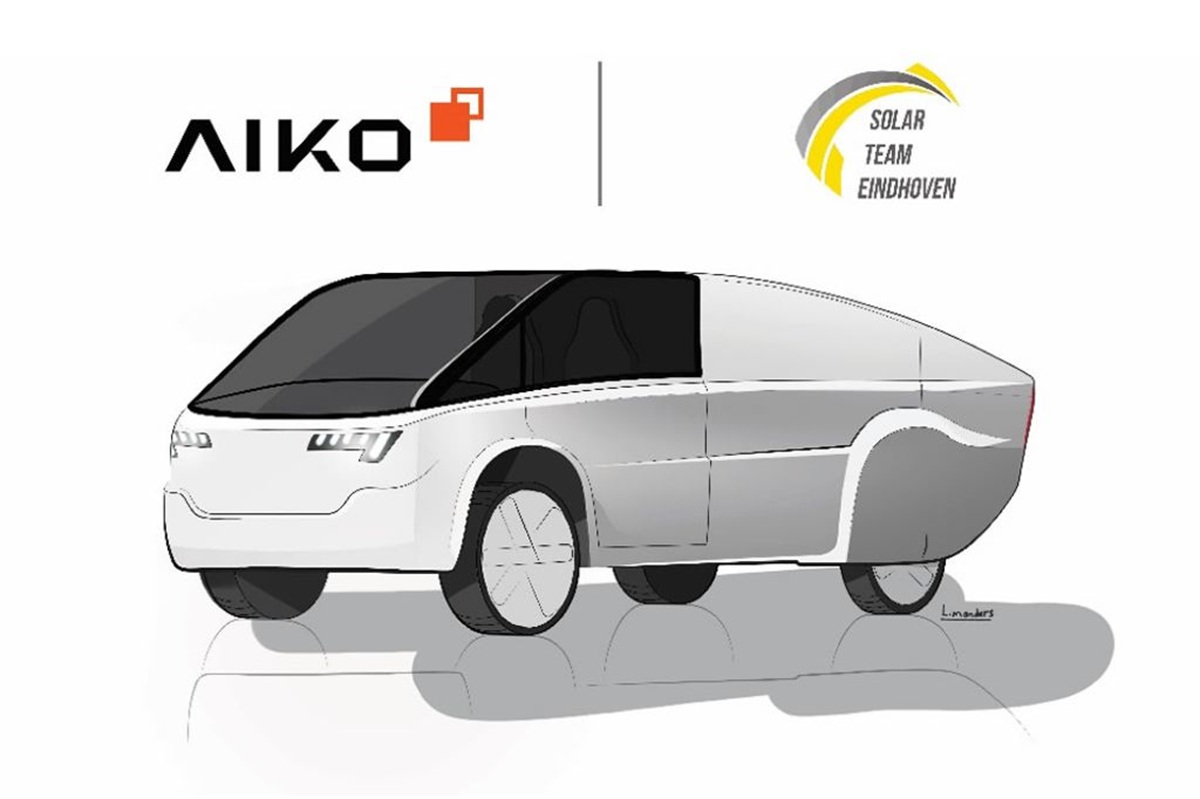
Students create a solar-powered ambulance that operates without a plug, without fuel, and still keeps medical equipment running in remote areas.

In addition to increased dependence on coal for energy generation and heating, other structural factors have contributed to this scenario, including federal reforms in climate policy and changes in the pace of implementing environmental measures.
The United States ranked 65th in the 2026 Climate Change Performance Index, reflecting additional challenges to meet emissions reduction goals in the context of growing energy demand.
Growth of AI and Pressure on the Electric System
Another relevant element is the exponential growth of artificial intelligence, which has significantly increased electricity demand, especially due to the accelerated expansion of data centers across the country.
According to analyses cited by ABC News, the electric sector is facing overload due to high consumption, even with the continuous growth of installed capacity of renewable sources.
Although wind and solar generation continue to expand, the pace may not be sufficient to offset the simultaneous increase in demand and the instability associated with more expensive fossil sources.
In this context, hydrogen emerges as the most sought-after source to support decarbonization and diversification goals, paving the way for solutions previously considered unlikely.
Geological Hydrogen and the Concept of “Blue Oil”
Hydrogen is classified by colors according to its production method, and the rarest form is geological hydrogen, also known as white hydrogen, due to its natural occurrence underground.
For years, it was assumed that this type of hydrogen was scarce, limiting its potential role in global energy security and long-term clean energy planning.
This perception was challenged after the USGS released a detailed map indicating a hidden geological hydrogen belt under U.S. territory, altering previous assumptions.
According to Sarah Ryker, associate director of energy and minerals at USGS, “this map is enticing because it shows that several parts of the U.S. might actually have suburban hydrogen sources.”
Scientific Methodology and Scale of Estimated Reserves
In an article published in the journal Science Advances, geologists Sarah Gelman and Geoff Ellis detailed the methodology applied to 48 states in the southern United States.
The estimates indicate that the potential energy associated with geological hydrogen could be nearly double the energy contained in known global natural gas reserves.
The study utilized geological and geochemical data to identify regions with the highest likelihood of natural hydrogen generation and trapping underground.
These results significantly broaden the scope of energy planning by suggesting an abundant, carbon-free source that is still under-explored at a commercial scale.
States with Greater Potential and Strategic Impacts
The released map highlights Michigan as the state with the highest individual reserve potential, but four states were marked in dark blue due to the high estimated concentration of geological hydrogen.
These states, known as the “Four Corners”, are Arizona, Colorado, New Mexico, and Utah, forming a strategic axis for future energy exploration initiatives.
According to USGS, these reserves could reshape the energy matrix of the United States, diversifying sources and increasing energy security in a financially viable manner.
Additionally, the use of this hydrogen could help reduce emissions in heavy industry, offering a carbon-free alternative in hard-to-electrify sectors.
Continental Reach and Long-Term Prospects
The report also mentions the identification of an underground hydrogen chamber beneath Latin America, with energy potential estimated to last for millennia.
Although the main focus is on U.S. territory, the discovery reinforces the possibility that geological hydrogen may have a wider global distribution than previously assumed.
For the United States, the revelation of the hidden belt comes at a critical moment, marked by climate pressures, rising demand, and the need for long-term structural solutions.
The complete report can be consulted at United States Geological Survey. (2025). USGS Releases First Map of Geological Hydrogen Potential in the U.S., Consolidating the Scientific Foundations of This Discovery and Its Possible Future Implications.








-

-

-

-

-

10 pessoas reagiram a isso.