





 Portuguese
  English
  Spanish
  4 min of reading
  5 comments


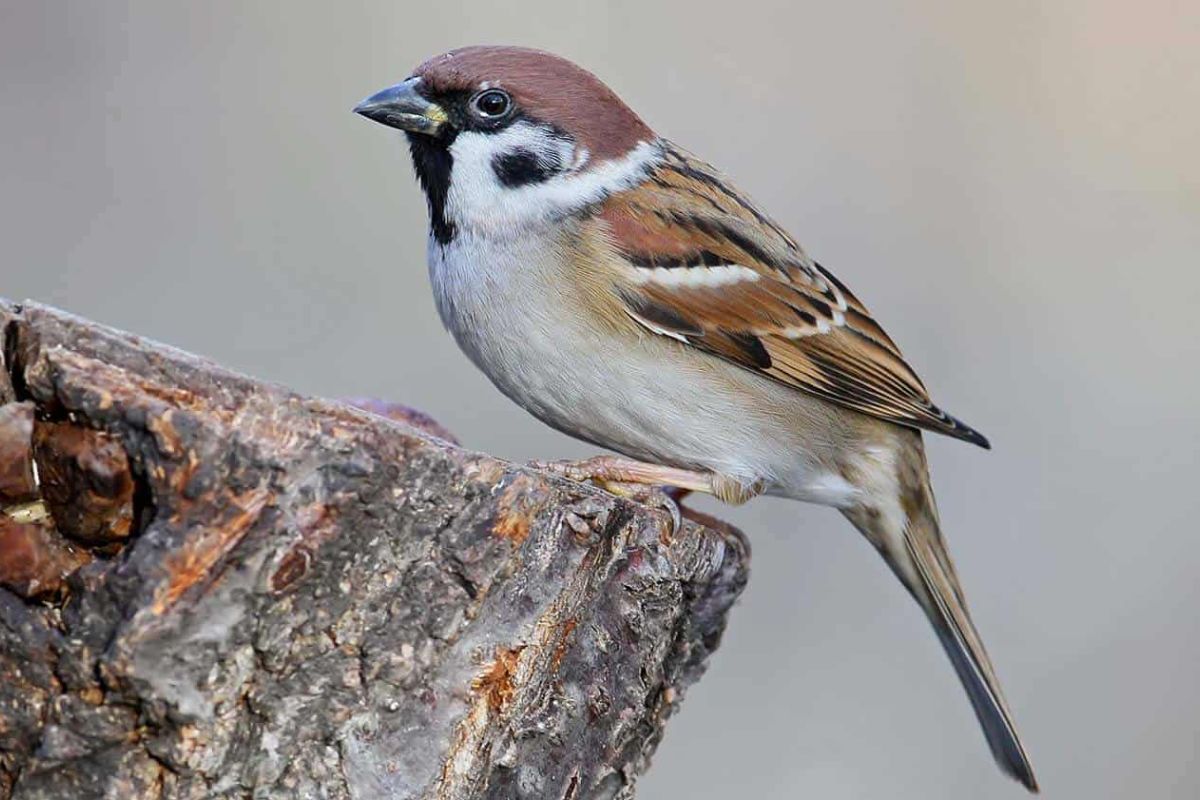


Global Studies Point to an Alarming Decline in the Sparrow Population, and the Causes Are Directly Linked to the Way of Life of Humans and the Transformation of Urban Centers.
According to conservation organizations like the Royal Society for the Protection of Birds (RSPB) in the UK, one of the most familiar and present birds in cities worldwide is experiencing a sharp decline. The sparrow (Passer domesticus), that small and resilient bird that has always been among us, is silently disappearing, and few have noticed.
This phenomenon is not an isolated case, but a global alert. The history of the sparrow is directly linked to the history of civilization, and its disappearance reveals a deep imbalance in the health of the urban environments that we, humans, have created. Understanding why this common bird is at risk is to understand the invisible impact of our lifestyle on the nature that surrounds us.
A 10 Thousand Year Partnership at Risk
The sparrow is what biologists call a commensal species, meaning it evolved to live alongside humans. About 10,000 years ago, with the emergence of agriculture in the Middle East, this small bird found abundant grain and shelter in human settlements. Since then, it has followed us across the globe, boarding ships and spreading to the Americas, Australia, and Africa.
-
A collector bought a black stone in Morocco in 2011 without knowing that he had in his hands a Martian meteorite 4.45 billion years old with ten times more water than any other fragment of Mars ever found on Earth.

-
European cities are building public climate refuges to cope with extreme heat.

-
Excavations for a highway uncovered an intact Celtic city with gold, jewelry, and ancient production structures.

-
Every pineapple you eat is actually up to 200 different fruits fused into one: discover the fascinating process in which each flower opens for just one day and produces the pieces that form the whole fruit over the course of 3 weeks.


This adaptability has made it the most widely distributed wild bird. However, the same environment we have created that allowed its prosperity is now becoming hostile and deadly.
The Causes of the Decline, What Is Killing Sparrows?
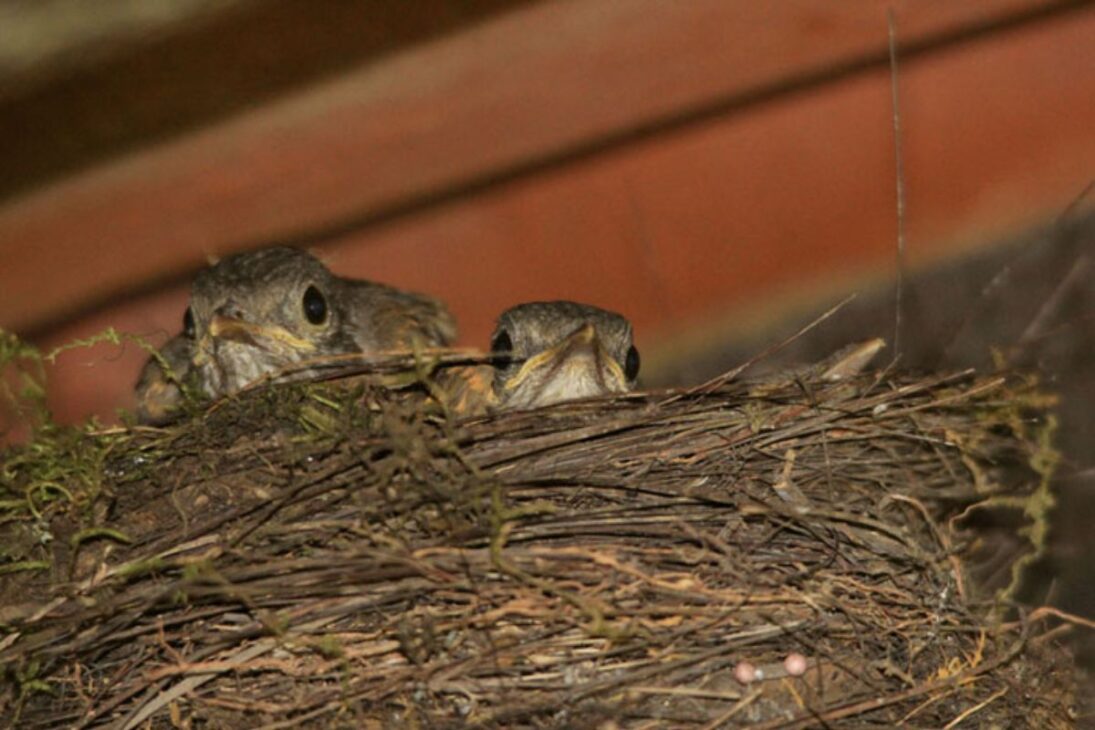
The disappearance of sparrows does not have a single cause but is the result of a combination of factors related to modern life.
Food in the Nest: Adult sparrows eat grains, but their chicks rely exclusively on insects in the first 15 days of life. Scientific studies, such as a report from the Intergovernmental Platform on Biodiversity and Ecosystem Services (IPBES), indicate that more than 40% of insect species are in decline worldwide. The use of pesticides and the loss of green spaces in cities eliminate the main food source for chicks, leading to starvation.
Hostile Architecture: Modern construction, with its sealed glass and concrete buildings, has eliminated the crevices, eaves, and small holes that sparrows used to build their nests. Literally, they are running out of places to live.
Light and Noise Pollution: The intense artificial light of cities at night disrupts the sleep and reproduction cycles of birds. The constant noise from engines and sirens, in turn, interferes with communication among sparrows, making mating more difficult.
Domestic Predators: Studies published in journals like Nature Communications estimate that domestic and feral cats are one of the greatest threats, killing between 1.3 and 4 billion birds each year just in the United States. Sparrows, by living close to humans, are easy targets.
The “Silence Syndrome,” What the Disappearance of Sparrows Reveals
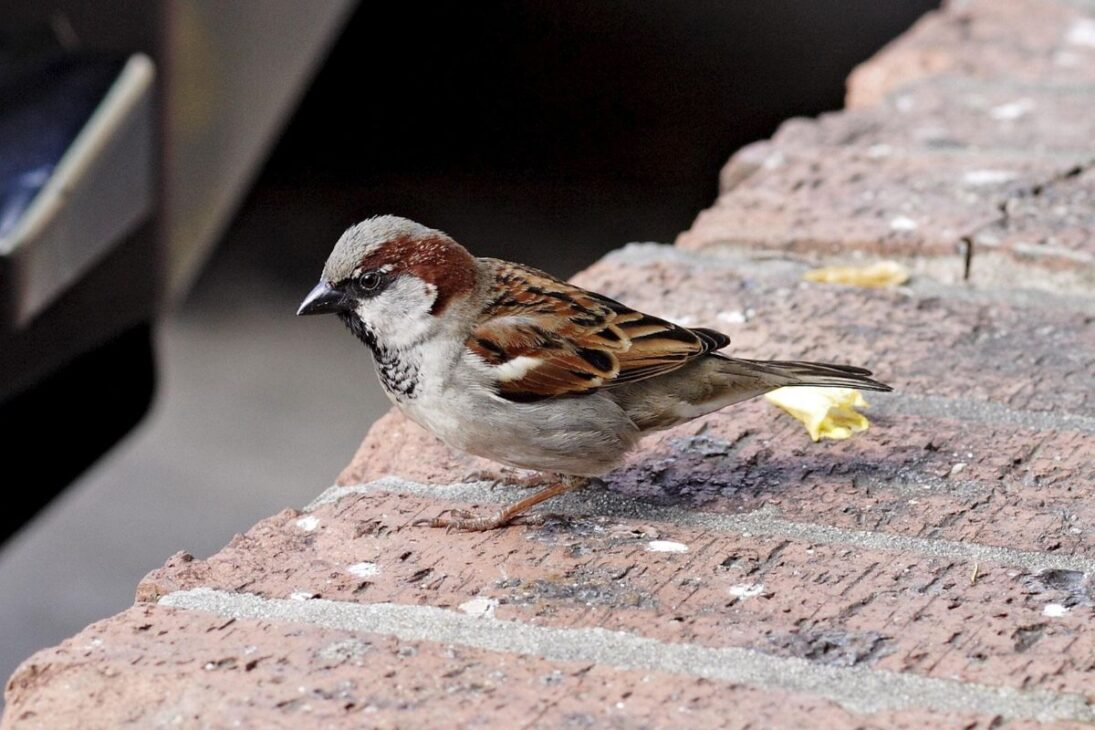
The disappearance of sparrows is a symptom of a larger phenomenon that some scientists call the “ecological silence syndrome.” Research shows that the richness of natural sounds, especially birdsong, is decreasing worldwide. The silence left by sparrows is an indicator of biodiversity loss in our own backyards.
The impact goes beyond ecological. Studies in the field of environmental psychology demonstrate that contact with nature, including the simple act of listening to birdsong, has positive effects on the mental health of humans, reducing stress and anxiety.
Is There Hope? Conservation Initiatives Around the World
The good news is that awareness of the problem is growing. Activists in India created World Sparrow Day, celebrated on March 20, to promote the protection of the species. In England, NGOs are leading projects to install nest boxes in schools and parks. In Spain, some cities are adapting new constructions to be more friendly to urban birds.
What Can We, Humans, Do to Help?
Small individual actions can make a big difference for the survival of sparrows and other urban birds.
Create a Friendly Environment: Plant native flowers and shrubs in your garden or balcony to attract insects.
Provide Shelter: Install nest boxes and water feeders.
Avoid Pesticides: Opt for natural solutions for pest control.
Control Predators: If you have a cat, keep it indoors or use a collar with a bell to alert birds.
Do you still hear sparrows where you live? Your answer is an important part of this alert.









Procurei está materia, justamente por ter percebido esse sumiço.
Boa tarde, Donizete. minha percepção foi a mesma. Há muito tenho notado esse sumiço dos pardais, aves que habitavam o quintal e redondezas onde moro. Há muitas arvores frutíferas na minha casa e outras( não frutiferas) nas redondezas. Costumo criar galinhas soltas no quintal há uns 20 anos e as mesmas conviviam com os pardais, dividindo até a ração com eles. Sinto falta deles. Lastimável!
Tive essa observação nesse dias que onde moro (Limeira-SP) não estou vendo mais os pardais como eu via antigamente.
Isso é horrível, farei o possível pra ajudá-los.