





 Portuguese
  English
  Spanish
  5 min of reading
  1 comment


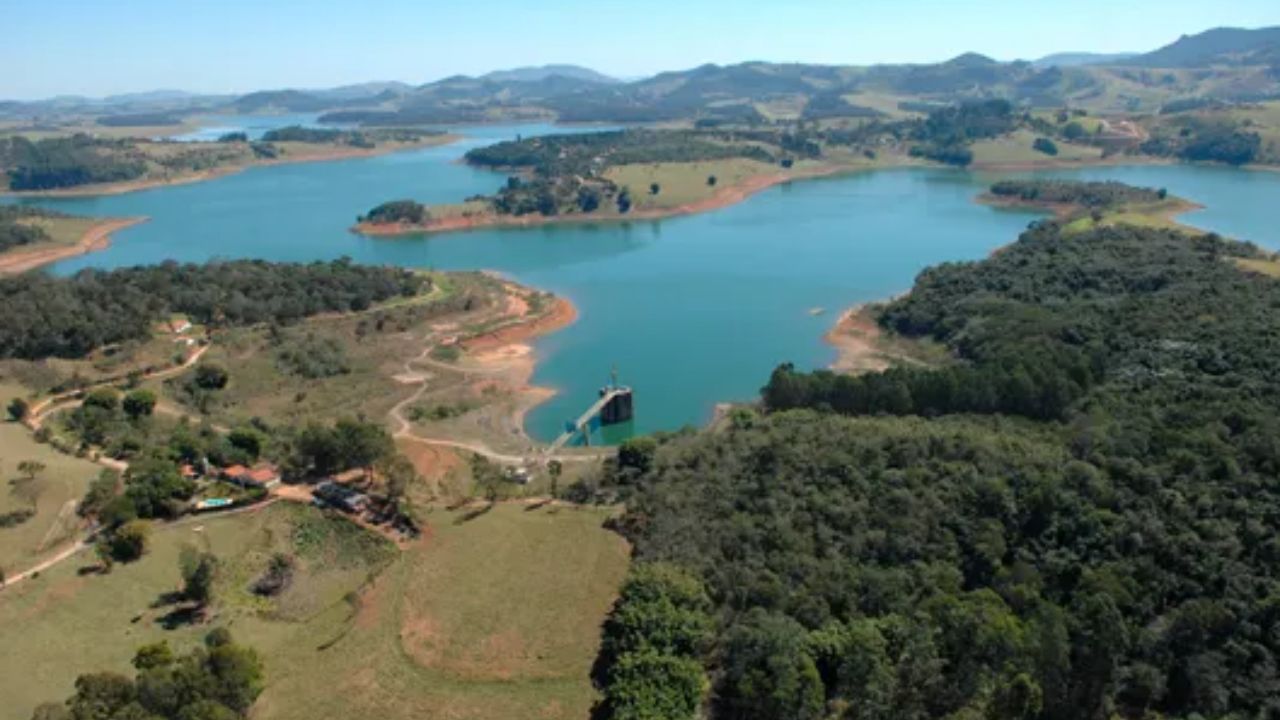

Water Scarcity Drives Innovative Solutions In Brazil. A Wastewater Treatment System Integrated With The Recovery Of A Water Body Exemplifies How Effluents Can Become A Secure Source Of Potable Water For A Brazilian Metropolis, With Brasília Leading In Large-Scale Indirect Potable Reuse.
Brazilian metropolises face the growing challenge of water scarcity and pollution of water sources. Water reuse emerges as a strategic alternative. This article explores how advanced wastewater treatment can transform a previously discarded resource into potable water, highlighting the case of Lake Paranoá in Brasília, a landmark in the supply of a Brazilian metropolis.
The Water Challenge And Reuse As A Strategic Solution For The Brazilian Metropolis
The high population and industrial concentration throughout the Brazilian metropolis generates immense demand for water. Often, this demand exceeds the capacity of water sources. These, in turn, suffer from pollution and unplanned urbanization. Rivers and reservoirs near large cities often have compromised waters. Their direct use for supply becomes complex and expensive. The water crisis in the Cantareira System (SP) in 2014 exemplified this vulnerability.
Water reuse processes effluents for use in various purposes. This reduces the pressure on freshwater sources. Non-potable reuse is common in irrigation and industry. Potable reuse, for human consumption, is more complex. It is divided into Direct Potable Reuse (DPR), where treated effluent goes directly to the distribution system, and Indirect Potable Reuse (IPR), where treated effluent is released into a water body before collection and further treatment. In Brazil, the planned reuse of wastewater for potable purposes is still incipient but essential for alleviating urban water stress, especially in Brazilian metropolises.
-
The Argentine government celebrates the lowest poverty rate in 7 years, but experts warn that the methodology has changed, real wages have fallen, unemployment has risen, and the number of people on the streets of Buenos Aires has increased by 57% since Milei took office.

-
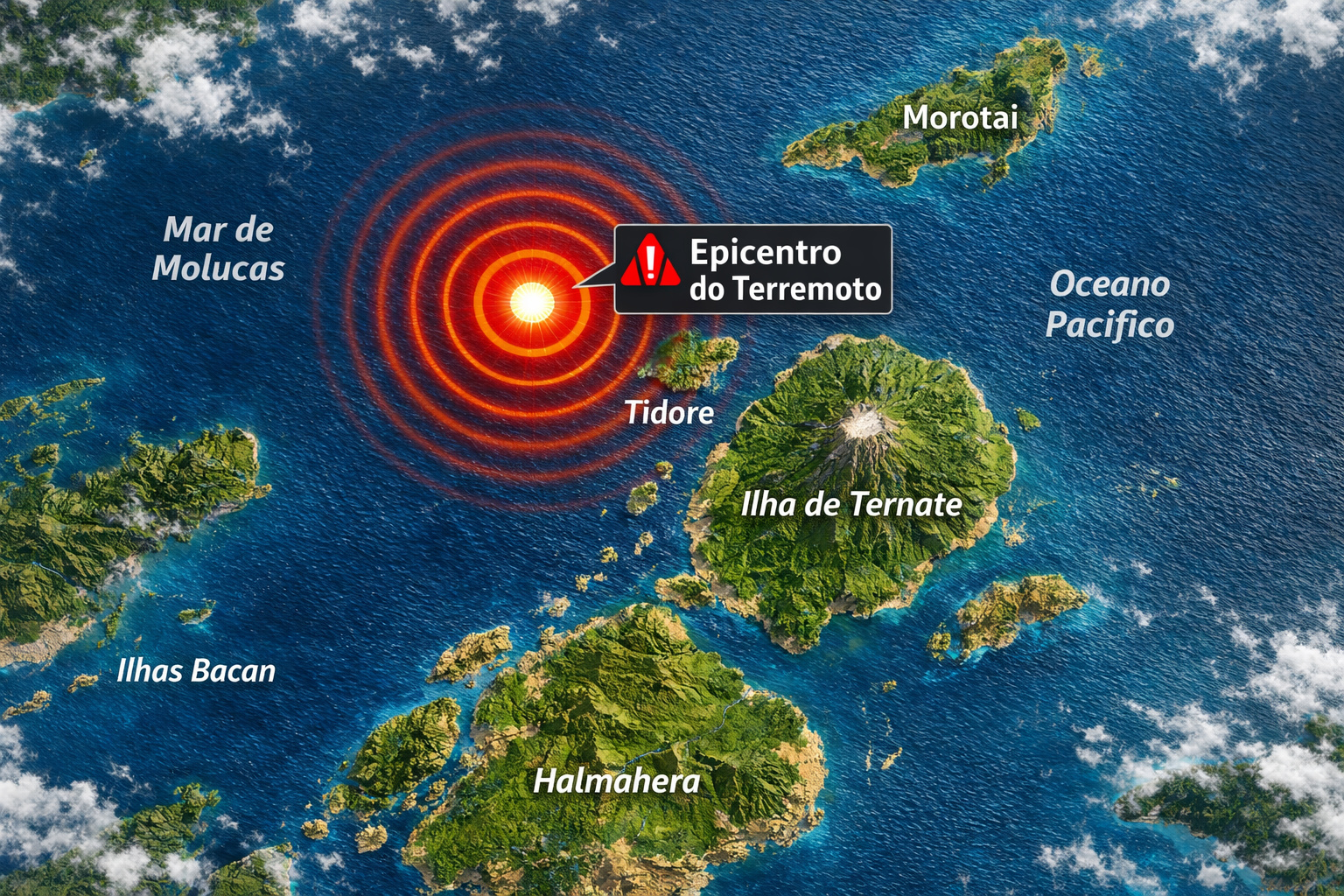
7.8 magnitude earthquake in Indonesia frightens the population, triggers tsunami alert, and hits an island with over 200,000 inhabitants this Thursday.
-
Google will finally let you change that embarrassing Gmail address you created in your teenage years without losing any accounts, logins, or old emails: the feature is already available in the United States.

-
Heading to Brazil in a Bonanza F33 single-engine aircraft: a couple departs from Florida on a visual flight, makes technical stops in the Caribbean to refuel and organize paperwork, and begins the staged crossing until they reach the country.

River Cleanup And Potable Water Production From Effluents
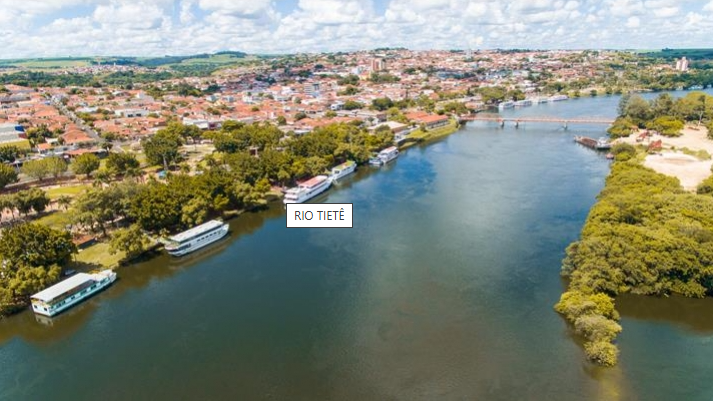
It is crucial to distinguish “river cleanup” from “production of potable water from effluents.” The Tietê Project in São Paulo, a Brazilian metropolis, aims to recover the quality of the Tietê River. Its focus is on increasing the collection and treatment of sewage, improving the river’s water quality. It does not directly transform the polluted water of the river into potable water in the most polluted stretch. The primary goal is sanitation and environmental recovery. A Wastewater Treatment Station (WTS) treats the sewage before releasing it into the river, reducing the pollutant load.
The Aquapolo Project, also in São Paulo, is the largest industrial water reuse venture in South America. It collects treated sewage from the ABC WTS and subjects it to advanced treatment. The reclaimed water produced supplies the Capuava Petrochemical Pole, replacing potable water. Although it uses sophisticated technologies, its objective is industrial, with standards different from potable water.
Brazilian Metropolis: Advancements Towards Potable Reused Water
Despite the challenges, Brazil has pioneering initiatives in the reuse of treated sewage for potable purposes.
Campinas (SP) stands out in DPR research. in collaboration with the Brazilian metropolis. Sanasa (Society of Water Supply and Sanitation) and CIRRA/USP (International Reference Center for Water Reuse at USP) collaborate in this effort. The city relies on the Atibaia and Capivari rivers, historically stressed by pollution and high demand.
The basis of the studies is the Capivari II Water Reuse Production Station (EPAR). It already uses Membrane Bioreactor (MBR) and ultrafiltration. The high-quality effluent from EPAR feeds the DPR pilot plant. This plant tests technologies such as Reverse Osmosis (RO), Advanced Oxidation Processes (AOP) with UV/H_2O_2, and Activated Carbon (AC).
The results are positive. The produced water met the potability standards of Brazilian legislation (Portaria GM/MS No. 888/2021). It removed conventional pollutants, pathogens, and emerging contaminants of concern (CECs) such as pharmaceuticals. Despite the technical success, the project in a brazilian metropolis faces operational challenges and the need for a robust regulatory framework. The transition to large scale depends on regulatory advances and public acceptance.
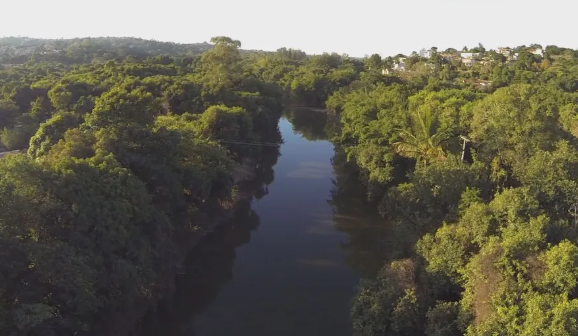
Brasília, a Brazilian metropolis, offers a significant example of planned large-scale Indirect Potable Reuse (IPR). Lake Paranoá, an urban artificial lake, suffered decades of sewage pollution. A recovery program by CAESB (Environmental Sanitation Company of the Federal District) dramatically improved its quality. The North and South WTS, with advanced treatment, release treated effluents into the lake.
With the improved quality, CAESB developed the Lake Norte Water Production System (ETA Lago Norte/Paranoá). This system collects water from the lake, which has already gone through dilution and self-purification, for conventional treatment (coagulation, flocculation, flotation, filtration, disinfection) and advanced treatment (adsorption with activated carbon) and subsequent distribution. This constitutes a classic IPR. The management requires strict monitoring of water quality at the WTS, in the lake, and in the produced potable water. This case demonstrates that environmental recovery of an impacted water body, combined with advanced treatment, can transform a previously polluted source into safe potable water for a brazilian metropolis.
Regulatory And Technological Landscape Of Potable Reuse In Brazil

The expansion of potable reuse in Brazil depends on clear regulation and effective technologies. Currently, there is no specific federal legislation for DPR. The Water Law (9,433/1997) and the New Sanitation Legal Framework (14,026/2020) are general bases. The CNRH Resolution No. 54/2005 focuses on non-potable reuse. The Potability Ordinance (GM/MS No. 888/2021) does not mention wastewater reuse as a source. The ANA (National Water and Basic Sanitation Agency) is developing a Reference Standard for reuse, expected for 2026.
Key technologies include advanced/tertiary secondary treatment (Activated Sludge, MBR), Microfiltration/Ultrafiltration, Nanofiltration/Reverse Osmosis, AOPs (Ozonation, UV/H_2O_2), Activated Carbon, and advanced disinfection (UV, ozone). The choice depends on the quality of the effluent and the standards to be achieved.
The challenges for a brazilian metropolis are technical (removal of contaminants, management of RO concentrate), economic (high CAPEX and OPEX costs), regulatory (absence of a framework for DPR), and public acceptance (overcoming the “yuck factor”).






É esse tipo de trabalho, visando a solucionar os problemas mais graves de nosso País e promover bem estar e saúde para nossa população que esses políticos deveriam se preocupar, mas infelizmente o que vemos são ganância e brigas pelo poder, tentando enganar o povo para ter o poder, mas sem qualquer preocupação com os problemas sérios que afligem o povo brasileiro.