





 Portuguese
  English
  Spanish
  3 min of reading
  0 comments


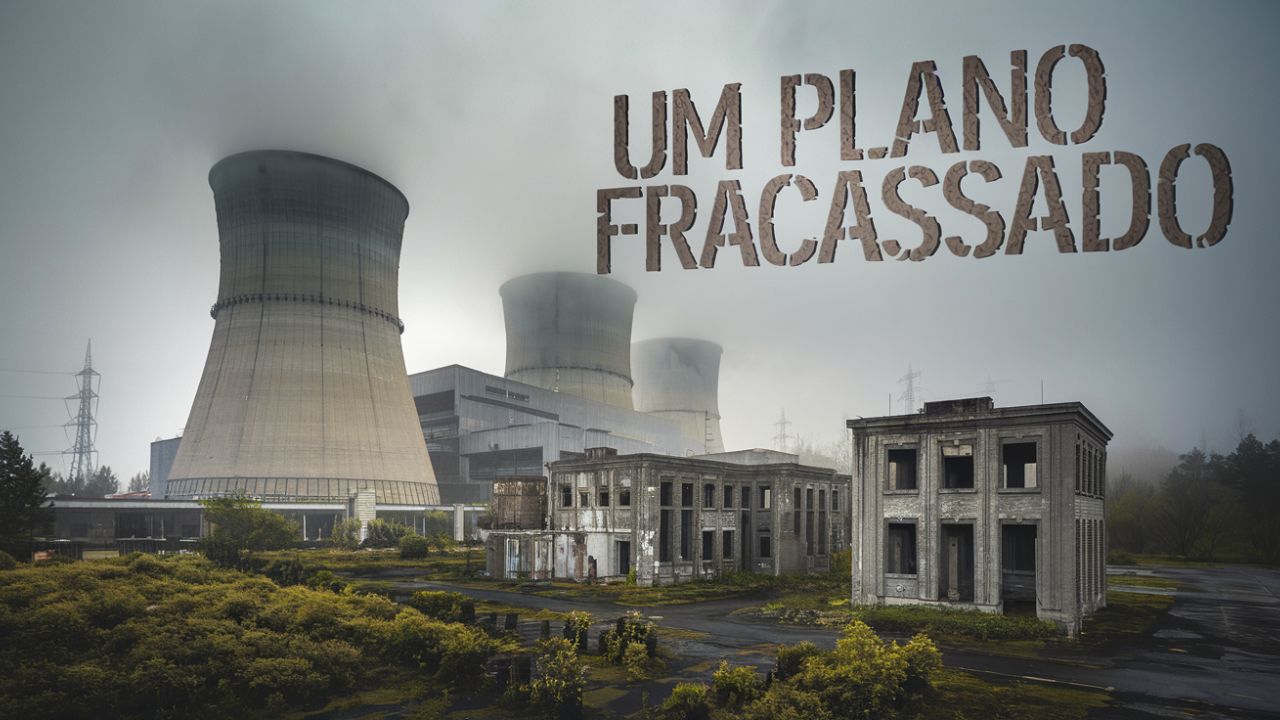
Fidel Castro Planned to Transform Cuba into the First Nation in Latin America with Nuclear Energy, but the Fall of the Soviet Union and Structural Failures Left the Juraguá Nuclear Power Plant Unfinished, Accumulating Losses of Over US$ 1 Billion and Creating a Ghost Town in the Caribbean.
During the Cold War, Cuban leader Fidel Castro envisioned a future where his country would free itself from dependence on imported oil. To achieve this, he aimed high: to build the first nuclear power plant in Latin America, in partnership with the Soviet Union. But like all grand ambitions, the story of Juraguá ended with a legacy of unfinished concrete and bitter lessons about politics, technology, and economics.
The Beginning of a Dream: The Nuclear Power Plant in Juraguá
In the 1970s, Fidel Castro found in the Soviet Union an ally willing to transform Cuba into an energy self-sufficient country. The Soviets offered their VVER-440 reactor technology, already tested in Eastern Europe. These reactors would be capable of generating 440 MW each, enough to meet a significant part of Cuba’s energy needs.
To oversee the project, Fidel appointed his son, Fidel Castro Díaz-Balart, known as Fidelito, as the leader. Graduated in nuclear physics in the Soviet Union, he embodied the promise of a bright future for Cuba. The first reactor was scheduled to come online in 1993, but reality showed that things would not be so simple.
-
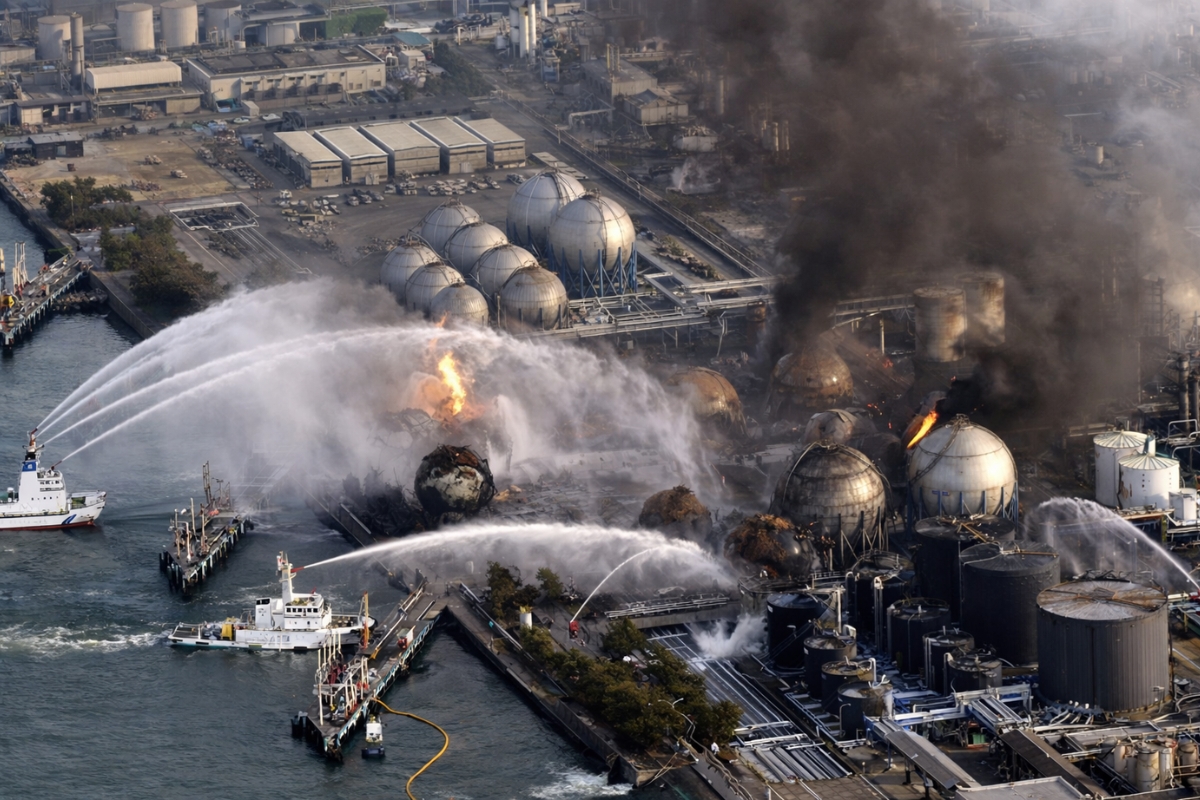
Fukushima Marks A Turning Point In Japan’s Energy Policy: After The Disaster, The Country Shut Down Its 54 Nuclear Reactors And, 15 Years Later, Only A Small Portion Have Returned To Operation
-
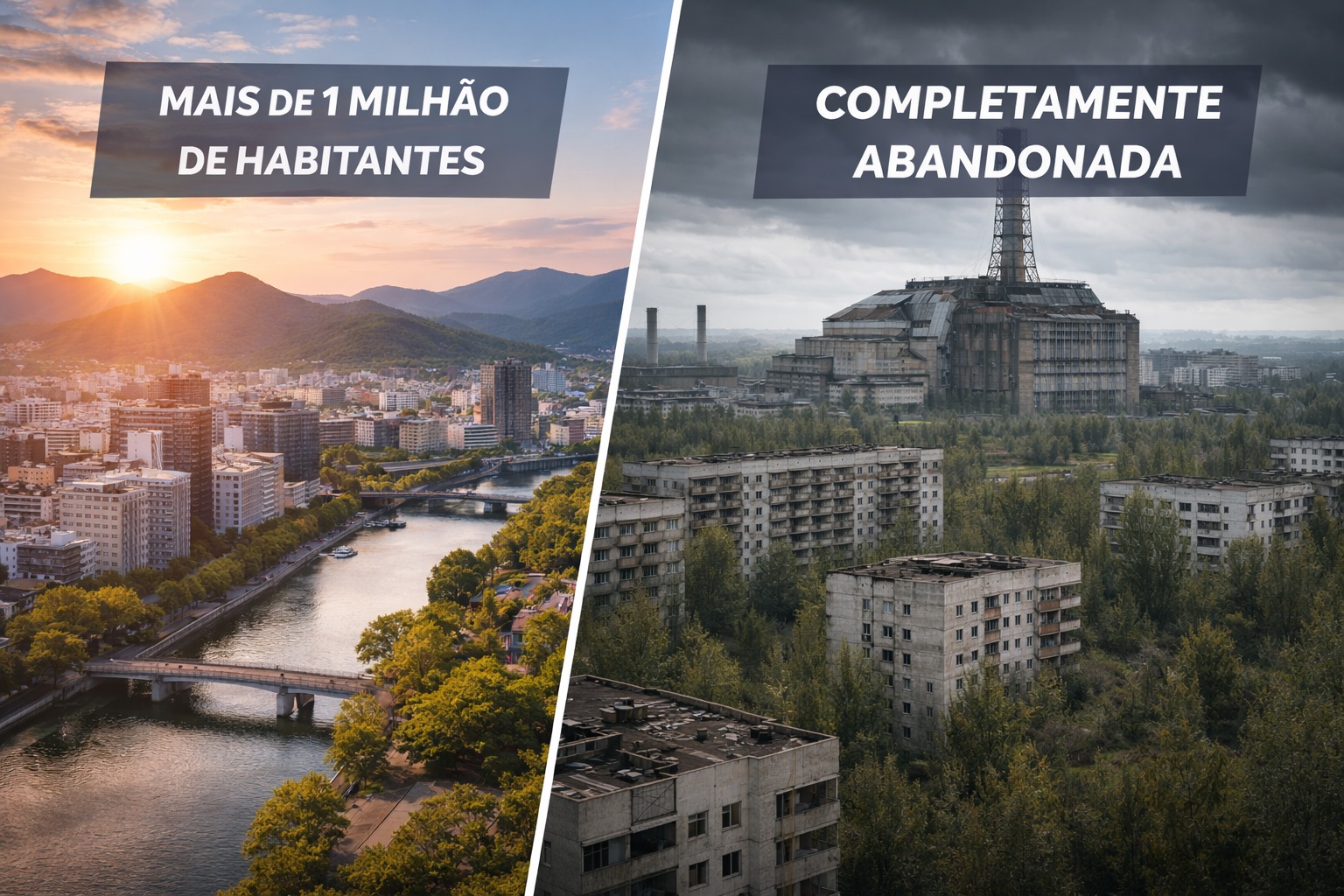
How Japan Overcame The Nuclear Bomb And Now Houses Millions In Hiroshima, While Ukraine Lost Chernobyl?
-
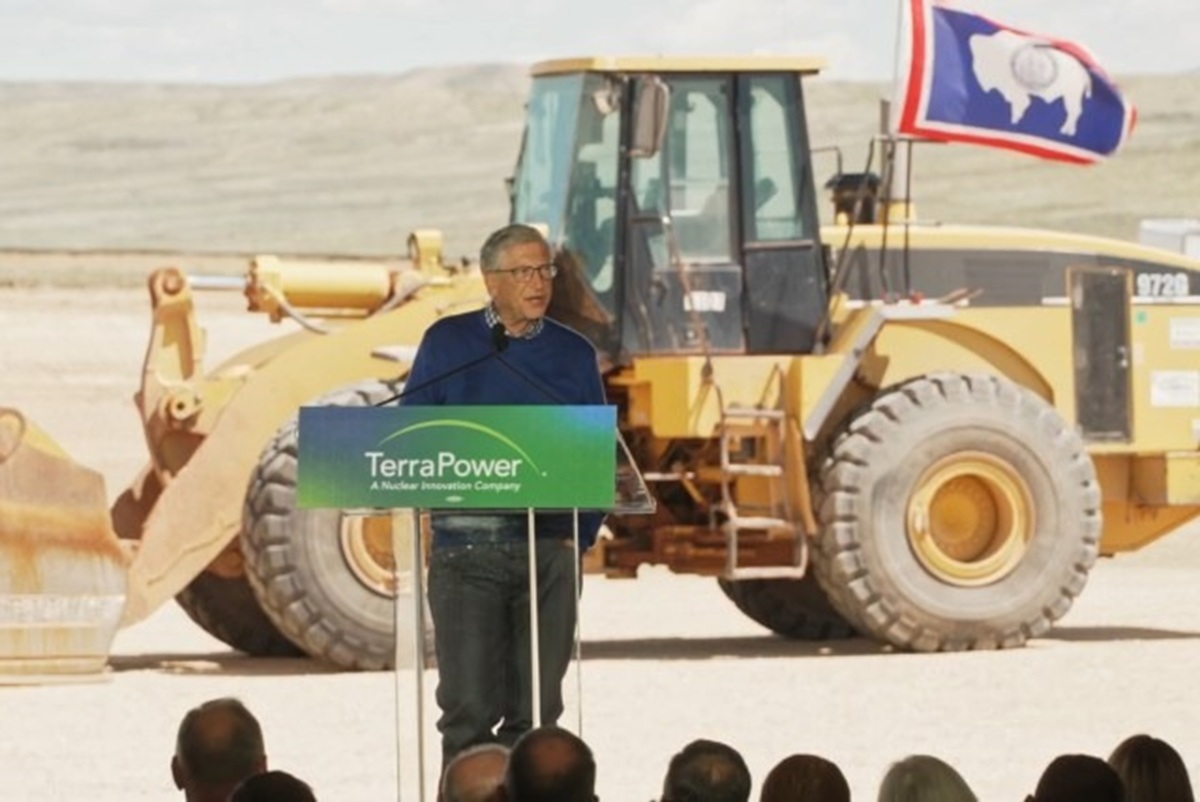
Bill Gates Receives Historic Approval to Build Giant 345 MW Nuclear Plant in the U.S. and Promises to Generate Up to 500 MW of Energy with Innovative Technology
-
India Opens Nuclear Energy to Private Capital to Accelerate Projects and Attract Billions, While Brazil Remains Stalled at Angra 3 and Discusses Who Will Foot the Bill for Completion

The Impact of the Fall of the Soviet Union

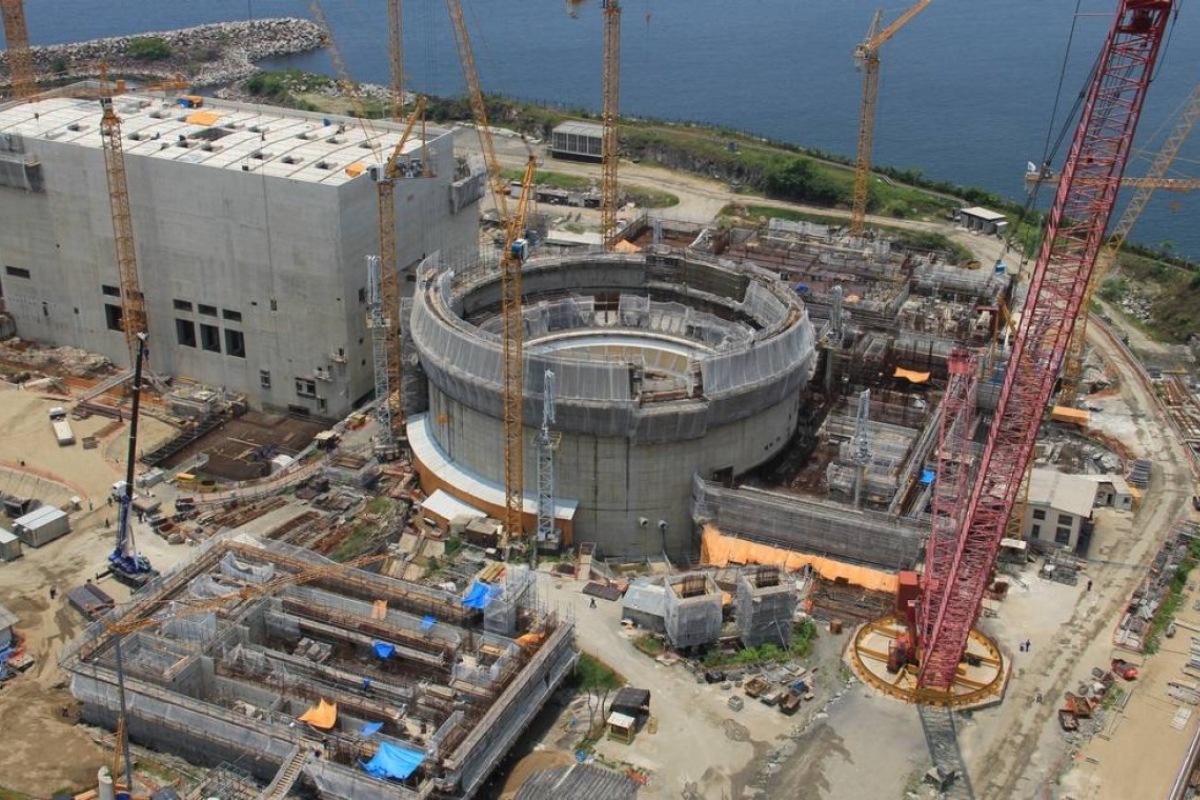
The construction of the Juraguá nuclear power plant progressed until 1992, when the Soviet Union collapsed. Without financial and technical support, Cuba saw the project come to a halt, with the first reactor 90% complete and the second only 30%. The economic and political crisis that followed on the island made it clear that Fidel’s nuclear dream would not come to fruition.
Doubts arose about the safety of the plant. Inspections revealed serious flaws, such as defective welds in up to 15% of the assessed points. Cuban operators were not fully trained, raising concerns about the country’s ability to operate such a complex facility.
The Nuclear City: A Plan That Turned to Ruin
The Juraguá nuclear power plant was not just a power plant; it was a life project for thousands of Cubans. Fidel planned a city around the plant, in the mold of Chernobyl, to house workers and their families. About 4,000 people still live in the area, amidst unfinished buildings and a landscape reminiscent of a post-apocalyptic movie.
Over time, the concrete structures began to deteriorate, but they still serve as a source of livelihood for some residents, who salvage copper and steel from the rubble to sell.
Attempts to Revive the Project
In the late 2000s, Vladimir Putin offered Cuba US$ 800 million to complete the plant. However, Fidel rejected the offer, partly because it was conditioned on the repayment of a US$ 20 billion debt the island had with the Soviet Union. With no interest in reopening economic wounds, the project remained abandoned.
Today, the Juraguá nuclear power plant stands as a monument to what could have been. For the United States, it was a relief not to see a nuclear reactor operating just a few kilometers from its coast. Although nuclear fuel never arrived on the island, the ruins still haunt the region, like scars of an ambitious plan that failed.





-

-

2 pessoas reagiram a isso.