





 Português
  Inglês
  Espanhol
  3 min de leitura
  0 comentários


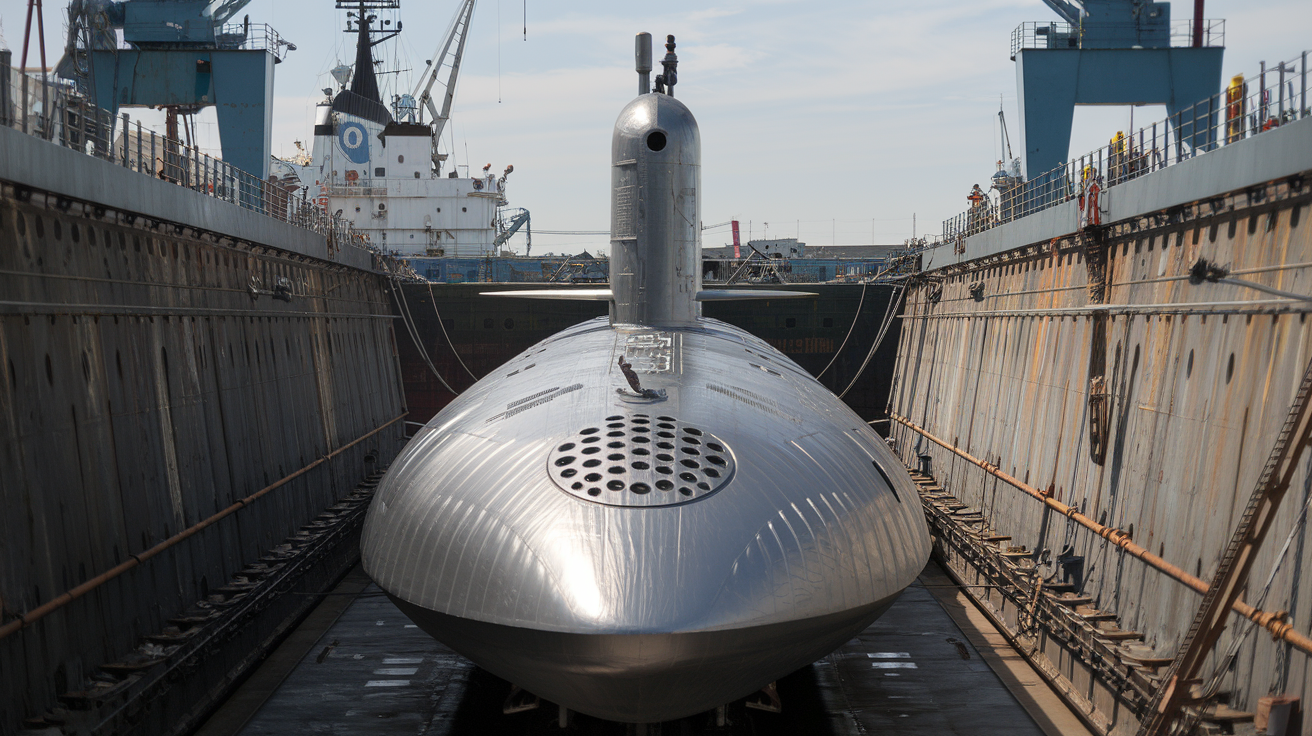
Russia Haunted NATO During The Cold War: Russian Submarine Alfa Scared Enemies and Could Reach Incredible 74 Km/h. Meet The Titanium Russian Submarine Project 705 Lira.
The Alfa-class submarines, known by the Soviet Code Project 705 Lira, represented a significant technological leap during the Cold War. Built by the US, this titanium Russian submarine was developed to operate as a weapon of destruction against NATO fleets, standing out for its advanced performance and innovative features.
What Is The Main Differentiator Of The Titanium Russian Submarine?
With a hull made of titanium, the Russian submarine Alfa achieves impressive speeds and could dive to depths unreachable by Western models of the time. Thanks to the use of a lead-bismuth cooled reactor, the model used during the Cold War offered greater energy efficiency and extended mission durations without the need for refueling.
This technology provided a lighter and more compact structure, allowing greater mobility compared to American submarines like the Los Angeles-class. However, despite these advantages, limitations and reliability compromised its practical performance in real combat situations during the Cold War.
-
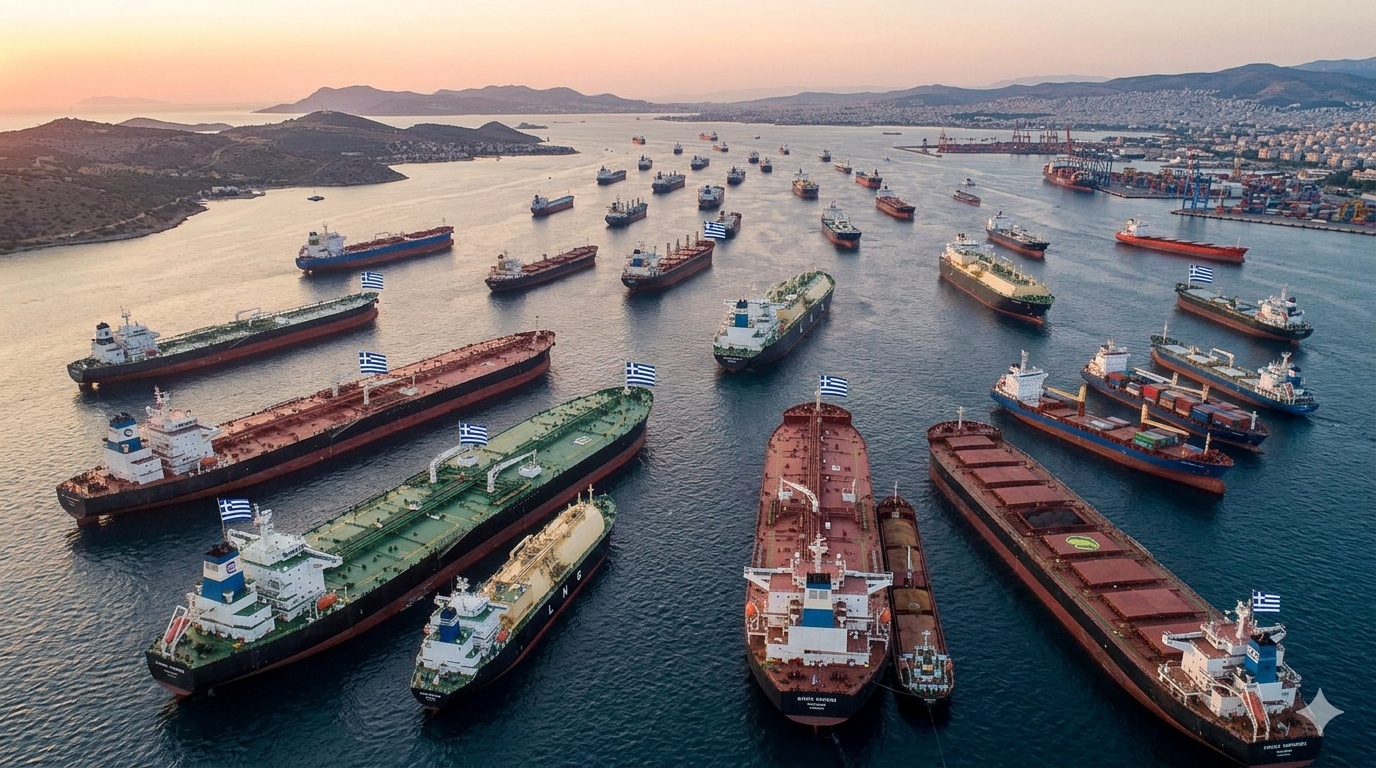
Neither the USA nor China: a small European nation has become one of the largest maritime powers on the planet, controlling one of the largest merchant fleets in the world with thousands of ships and dominating the global transportation of oil and strategic cargo.
-
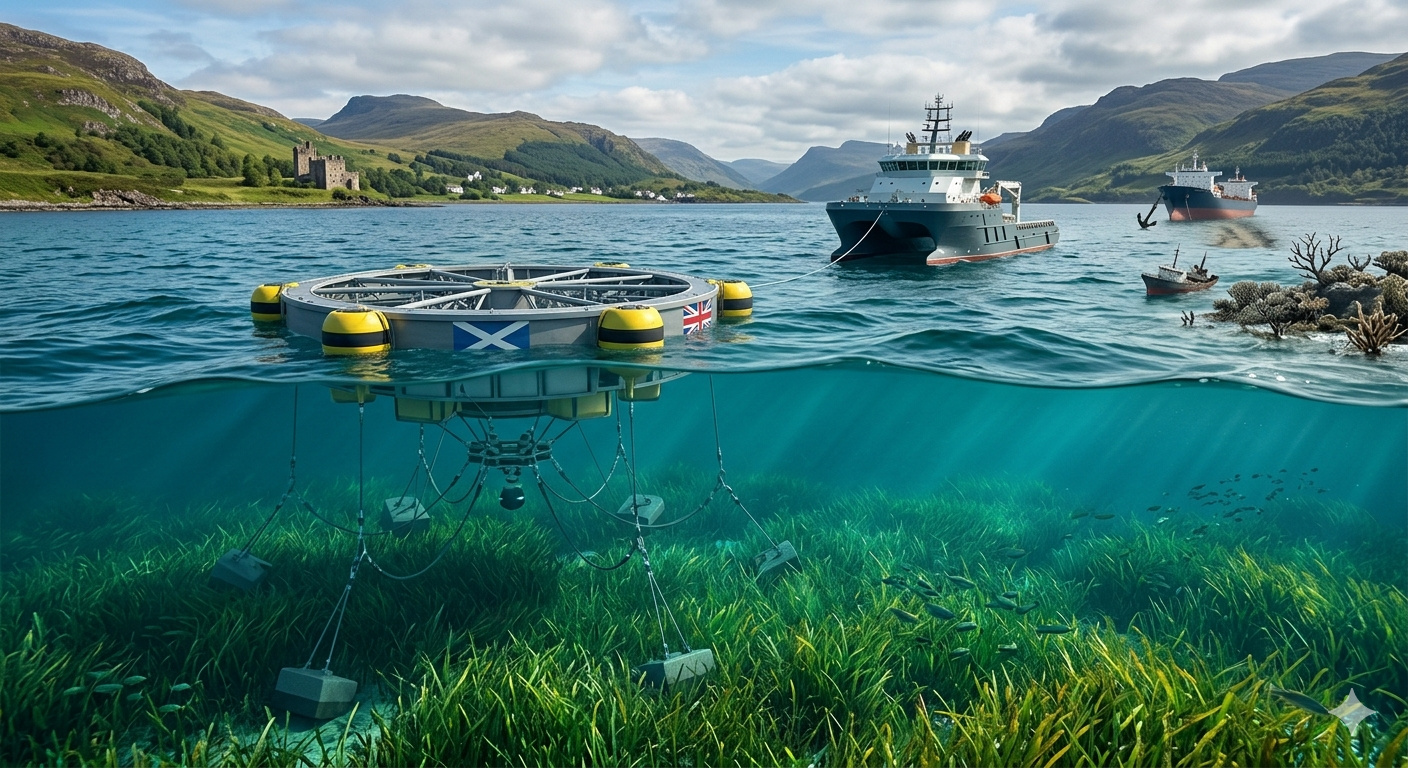
Scotland and the United Kingdom have created a new anchoring system that floats in the water without touching the seabed, after discovering that the current from a conventional anchor destroys up to 50 m² of seagrass meadow per event and that ship-damaged reefs showed no signs of recovery even ten years later.
-
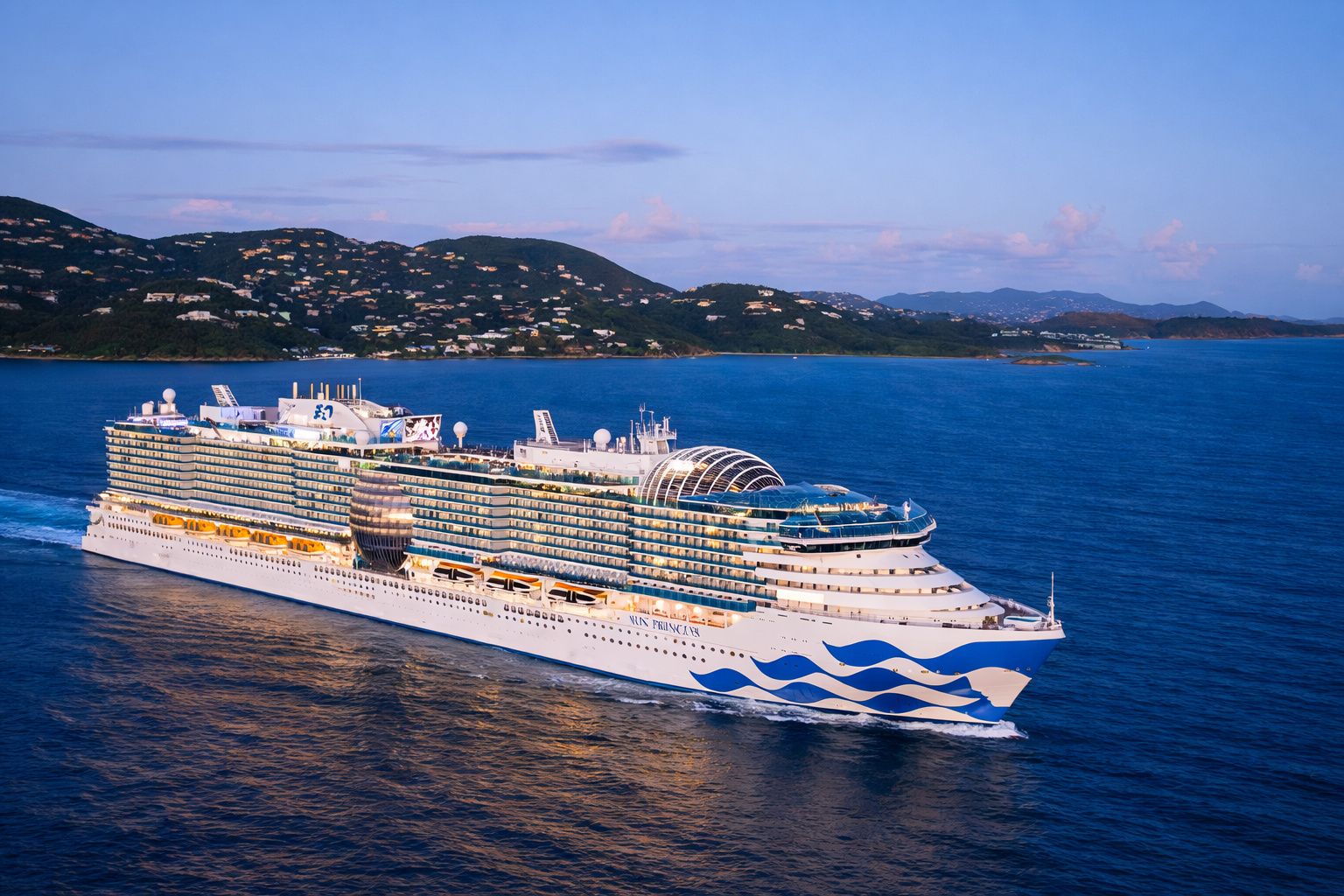
Weighing 175,500 Tons, Measuring 345 Meters Long, and With Capacity for Over 4,300 Passengers, the Sun Princess Becomes the Largest Ship Ever Built by Princess Cruises and Attracts Global Attention for Its Huge Glass Dome Inspired by Santorini’s Architecture Installed on Top of the Vessel
-
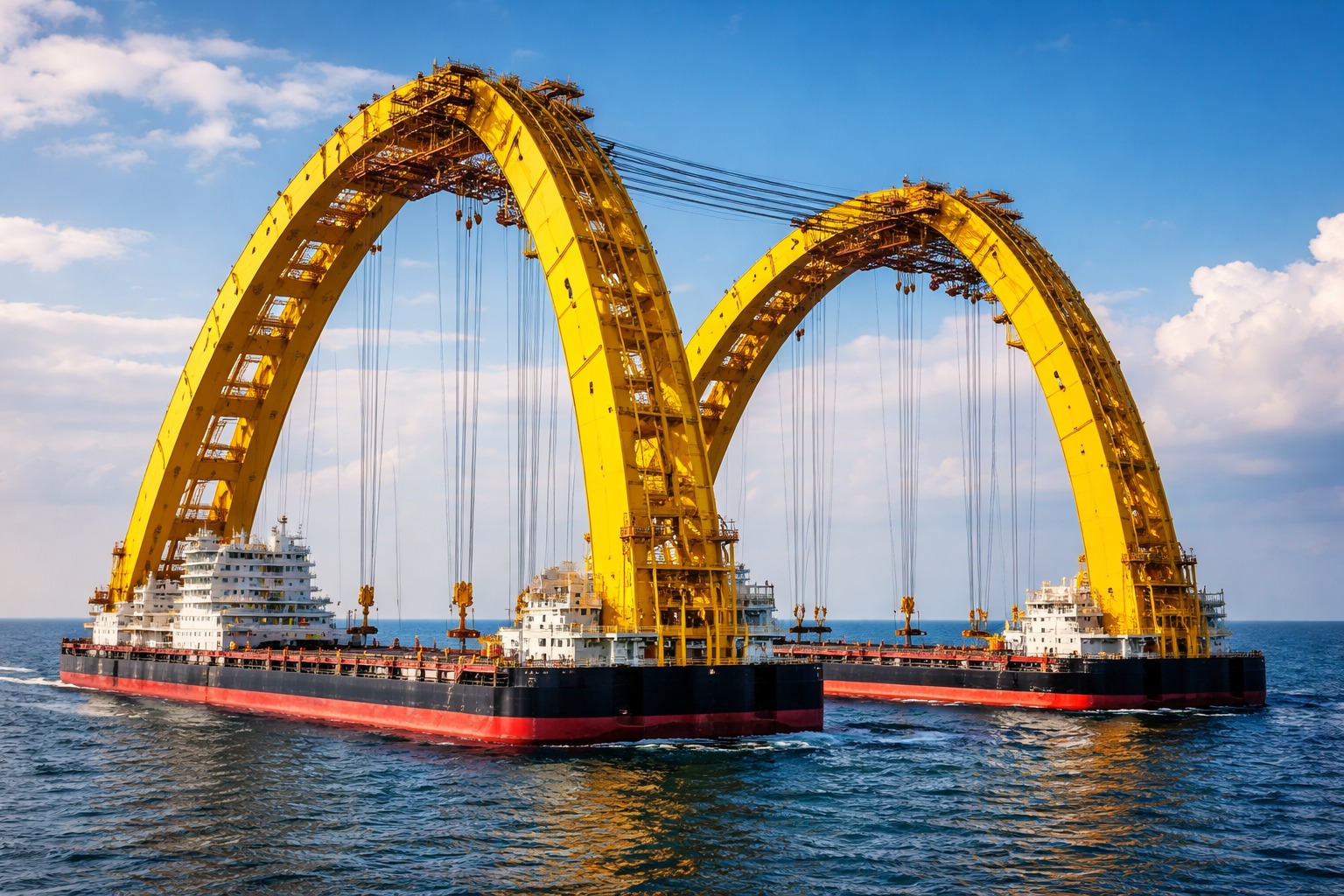
TX-10, The Colossus of The Sea: Largest Lifter Ship in The U.S., With Two Giant Barges, 73-Meter Tall Structure, and Strength to Raise 7,500 Tons of Sunken Oil Rigs

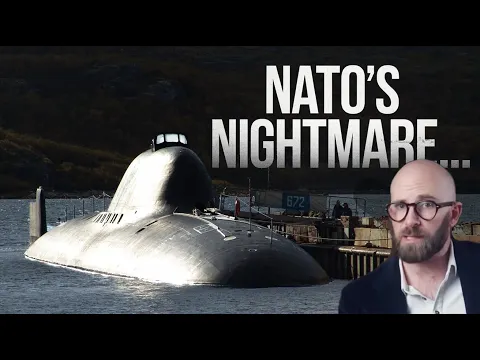

The use of titanium in the Russian submarine Alfa, while advantageous in terms of durability and resistance, also brought challenges. Its high cost limited large-scale production, resulting in only seven units constructed.
Still, the titanium Russian submarine remained an icon of innovation, exemplifying the Soviet advance in submarine engineering and raising questions about its effectiveness in direct confrontations against NATO.
Russian Submarine Alfa Could Dive To 350 Meters
The titanium Russian submarine could reach speeds of up to 40 knots, equivalent to 74 km/h, and dive to depths of 350 meters, far exceeding the operational limits of Western vehicles in the 1970s.
These capabilities made the model a formidable threat in combat during the Cold War, with the potential to evade torpedoes and enemy tracking with ease.
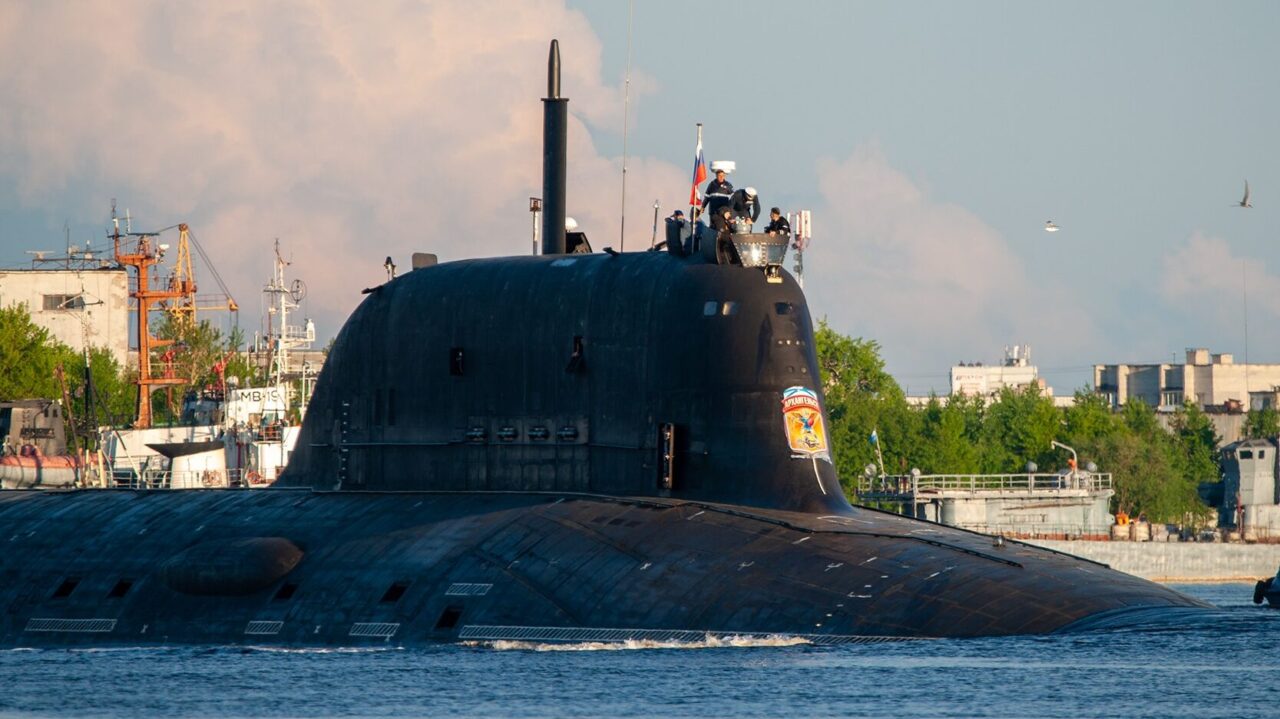
Furthermore, the use of a titanium hull provided superior resistance to water pressure at great depths, enhancing the structural safety of the submarine.
This feature enabled operations in strategically challenging areas and reinforced the Soviet advantage in underwater domain. However, this technical superiority was partially compromised by the operational noise generated by its systems, making them more vulnerable to detection by quieter NATO submarines.
The implementation of a liquid metal-cooled reactor also brought operational challenges to the Russian submarine Alfa during the Cold War.
While efficient, this system required careful and complex maintenance, limiting reliability and increasing operational costs. These limitations prevented the Alfa-class from achieving the same longevity and reputation as Western submarines, like the American Seawolf-class models.
The End Of The Titanium Russian Submarine
Despite its impressive innovations, the Russian submarine Alfa was gradually retired between the 1980s and 1990s. Its limitations in stealth and reliability, coupled with high maintenance costs, rendered them unviable for ongoing upgrades in light of the evolution of Western submarines.
Nevertheless, these submarines left a lasting legacy in naval engineering, influencing the development of future generations of underwater vessels. The use of titanium and advanced reactors served as a basis for ongoing research in propulsion technologies and structural resistance.
Today, the Alfa-class submarines are remembered as symbols of Soviet technological prowess during the Cold War. They represent both the successes and challenges faced by Russia in its quest for naval domination and strategic destruction capability.









Seja o primeiro a reagir!