





 Portuguese
  English
  Spanish
  3 min of reading
  0 comments


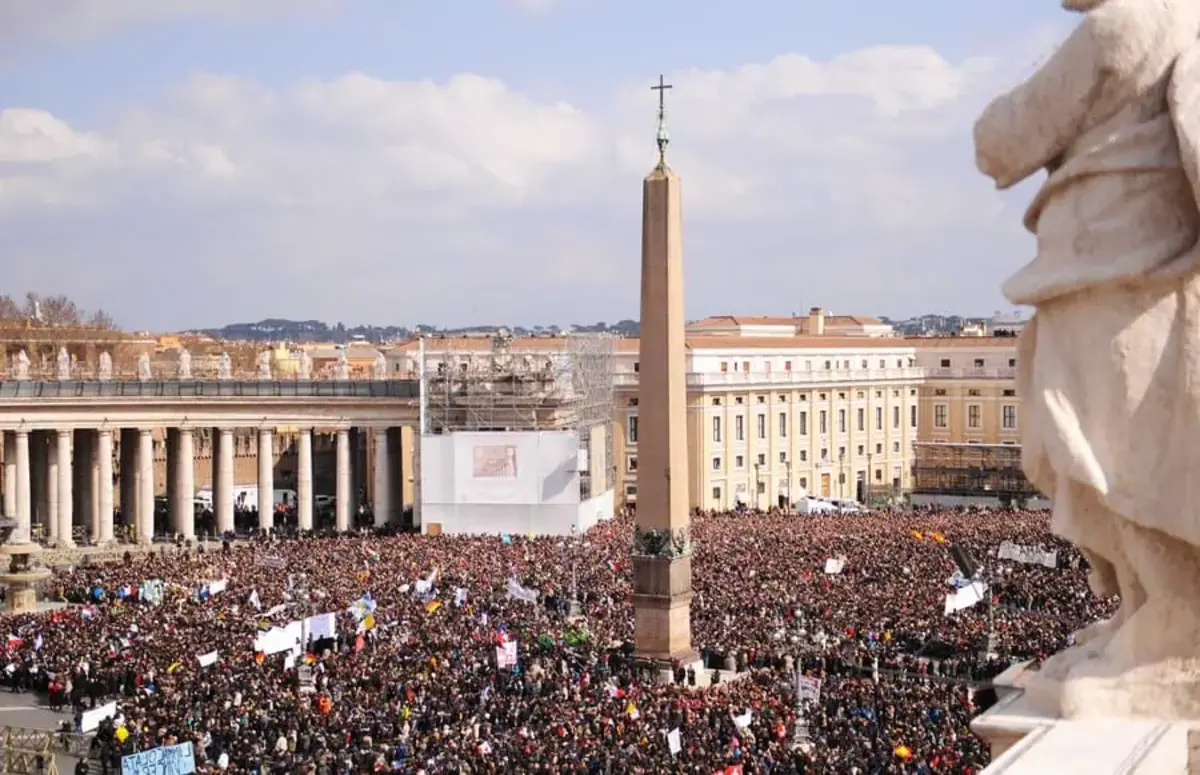
Death of Pope Francis Exposes Austere Lifestyle and Reignites Debate on Vatican Financial Management
The passing of Pope Francis on April 21, 2025, reignited a series of discussions about the assets of the Holy See and how the Vatican manages its resources. Jorge Mario Bergoglio, known for his critical stance on social inequalities, led the papacy with a focus on simplicity, which was also reflected in his personal life.
Pope’s Earnings: No Salary and No Assets
Francis did not receive a salary. As a member of the Society of Jesus, he took a vow of poverty and therefore owned no personal belongings. In public statements, he explained that when he needed something, like clothing or footwear, he would request it directly.
He knew that the Vatican would take care of his needs. This practice followed an austere lifestyle, different from the traditional one associated with the position.
-
The Argentine government celebrates the lowest poverty rate in 7 years, but experts warn that the methodology has changed, real wages have fallen, unemployment has risen, and the number of people on the streets of Buenos Aires has increased by 57% since Milei took office.

-
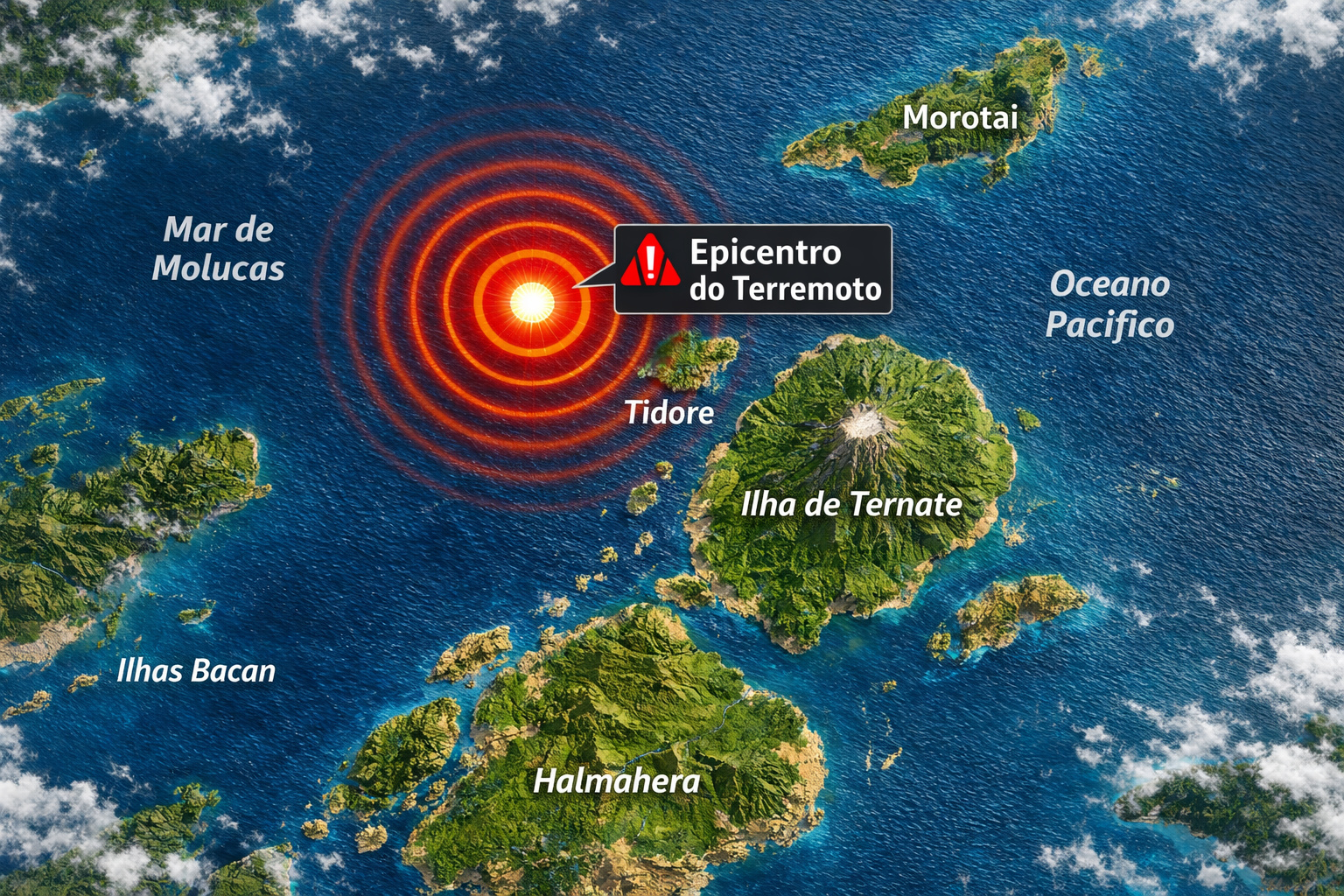
7.8 magnitude earthquake in Indonesia frightens the population, triggers tsunami alert, and hits an island with over 200,000 inhabitants this Thursday.
-
Google will finally let you change that embarrassing Gmail address you created in your teenage years without losing any accounts, logins, or old emails: the feature is already available in the United States.

-
Heading to Brazil in a Bonanza F33 single-engine aircraft: a couple departs from Florida on a visual flight, makes technical stops in the Caribbean to refuel and organize paperwork, and begins the staged crossing until they reach the country.


He lived in the Casa Santa Marta, a simpler place in the Vatican, instead of the Apostolic Palace. All of his expenses — food, health, transportation, and accommodation — were covered by the Church.
After his death, it was revealed that his personal wealth was close to 100 dollars (approximately 87 euros), with no bank accounts or properties in his name.
Management of the Holy See’s Assets
The Vatican has its own financial system. Payments and investments are coordinated by the APSA — Administration of the Patrimony of the Apostolic See. This body is responsible for managing thousands of properties, with 4,200 of them located in Italy.
The mission of the APSA is to ensure that the Church’s resources are used to support its spiritual and material activities. Additionally, the body works to align actions with the objectives of the Pope and the Catholic Church as a whole.
The Role of the Vatican Bank
Another essential element is the Institute for Works of Religion, known as the Vatican Bank. It supports religious and charitable projects around the world. In 2023, the bank reported a net profit of 30.6 million euros, with assets under management of 5.4 billion euros.
Despite its importance, the bank is often the target of criticism and scrutiny due to its history. The pursuit of greater transparency has been a recurring challenge for its managers, who work to maintain the institution’s credibility.
What Comes After the Death of Pope Francis
With Francis’s death, there is an opportunity for new directions in the financial management of the Holy See. Still, it is expected that the Church’s central mission — focusing on spiritual and social support — will remain a priority.
The future administration will need to address economic, social, and cultural changes without losing the connection to the principles of the Catholic faith. The combination of tradition and innovation will be the central axis to ensure the continuity of religious and humanitarian actions on a global scale.
With information from Correio Braziliense.







-

-

2 pessoas reagiram a isso.