





 Portuguese
  English
  Spanish
 4 min of reading
  0 comments


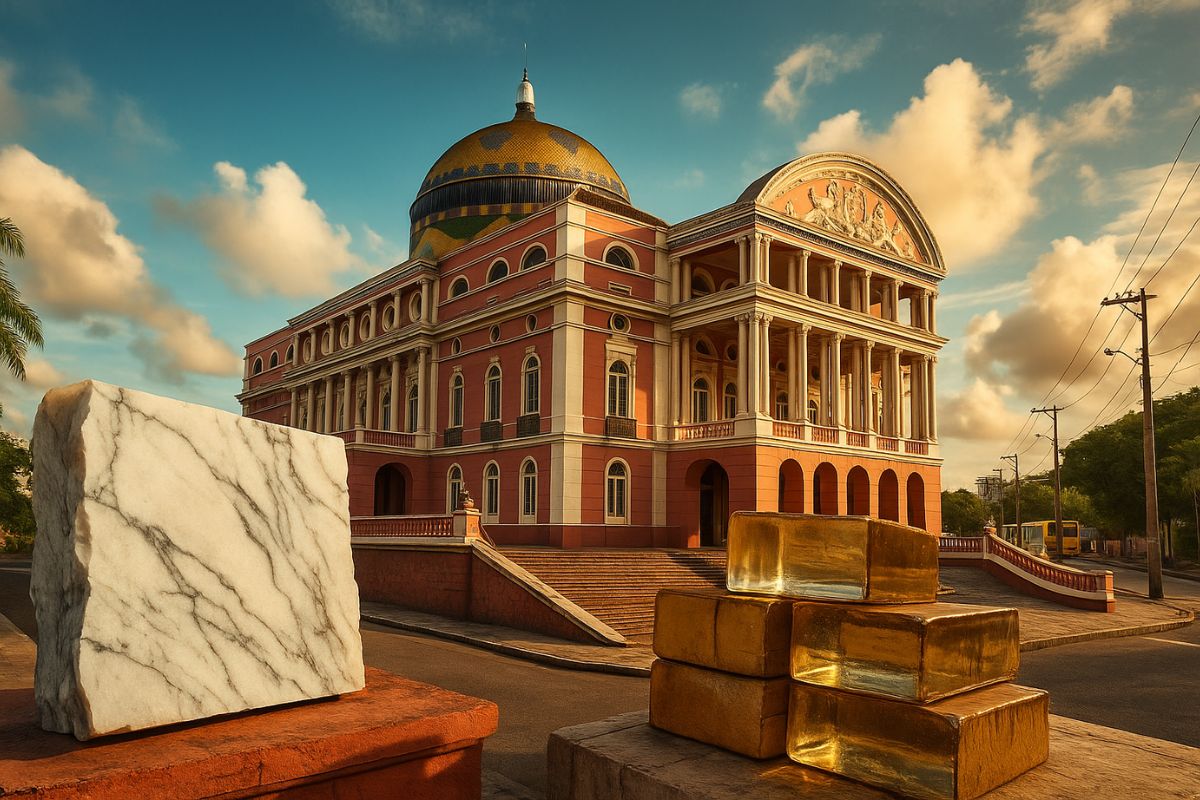
The Amazon Theater, in Manaus, was built at the peak of the rubber cycle with Carrara marble from Italy, glass and tiles from France, and cast iron from Scotland, symbolizing the era of luxury and ambition that marked the Amazon at the end of the nineteenth century.
The Amazon Theater is one of the greatest symbols of the economic and cultural splendor experienced by Manaus at the end of the nineteenth century. Erected in the heart of the Amazon during the rubber cycle, the theater was the materialization of the local elite’s ambition to transform the city into a “Paris of the Tropics”, a direct reflection of the wealth generated by latex exports.
Inaugurated in 1896, after 12 years of construction, the theater is one of the most sophisticated constructions ever built in Brazil, combining European materials, imported techniques, and a level of architectural detail comparable to the great opera houses of the world. The grandeur of the work made the building a landmark of the “Amazonian Belle Époque.”
The Era of the Rubber Cycle and the Origin of Opulence
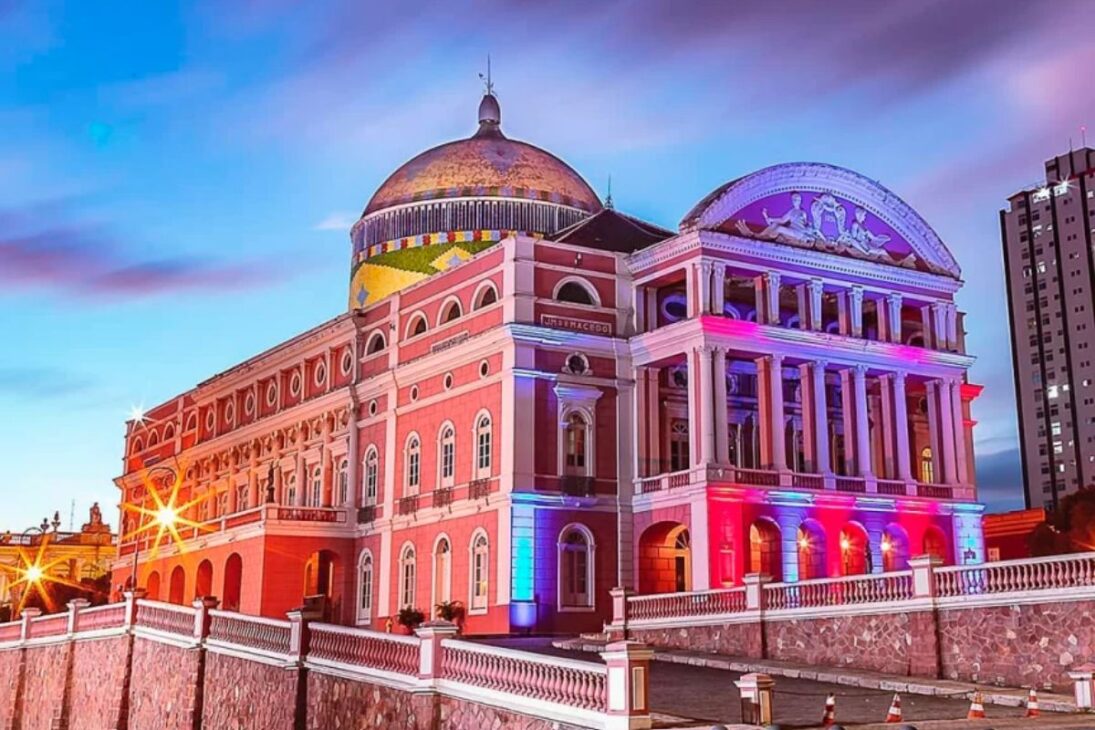
During the rubber cycle, between 1890 and 1920, the Amazon experienced a period of unprecedented wealth.
-
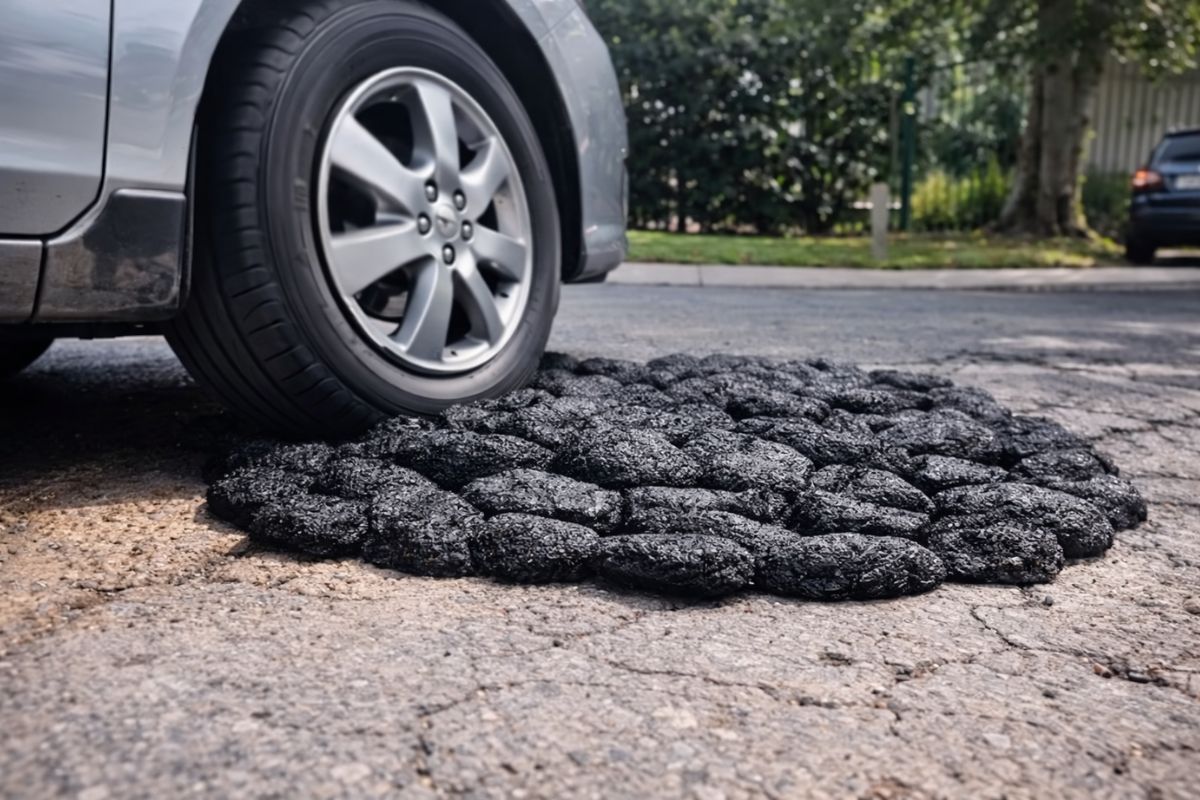
The low-cost solution called PatchPal, invented in South Africa to fix potholes in minutes, does not crack and prevents water from entering, becoming more compact with each car that drives over it, revolutionizing road repairs that governments have forgotten.
-
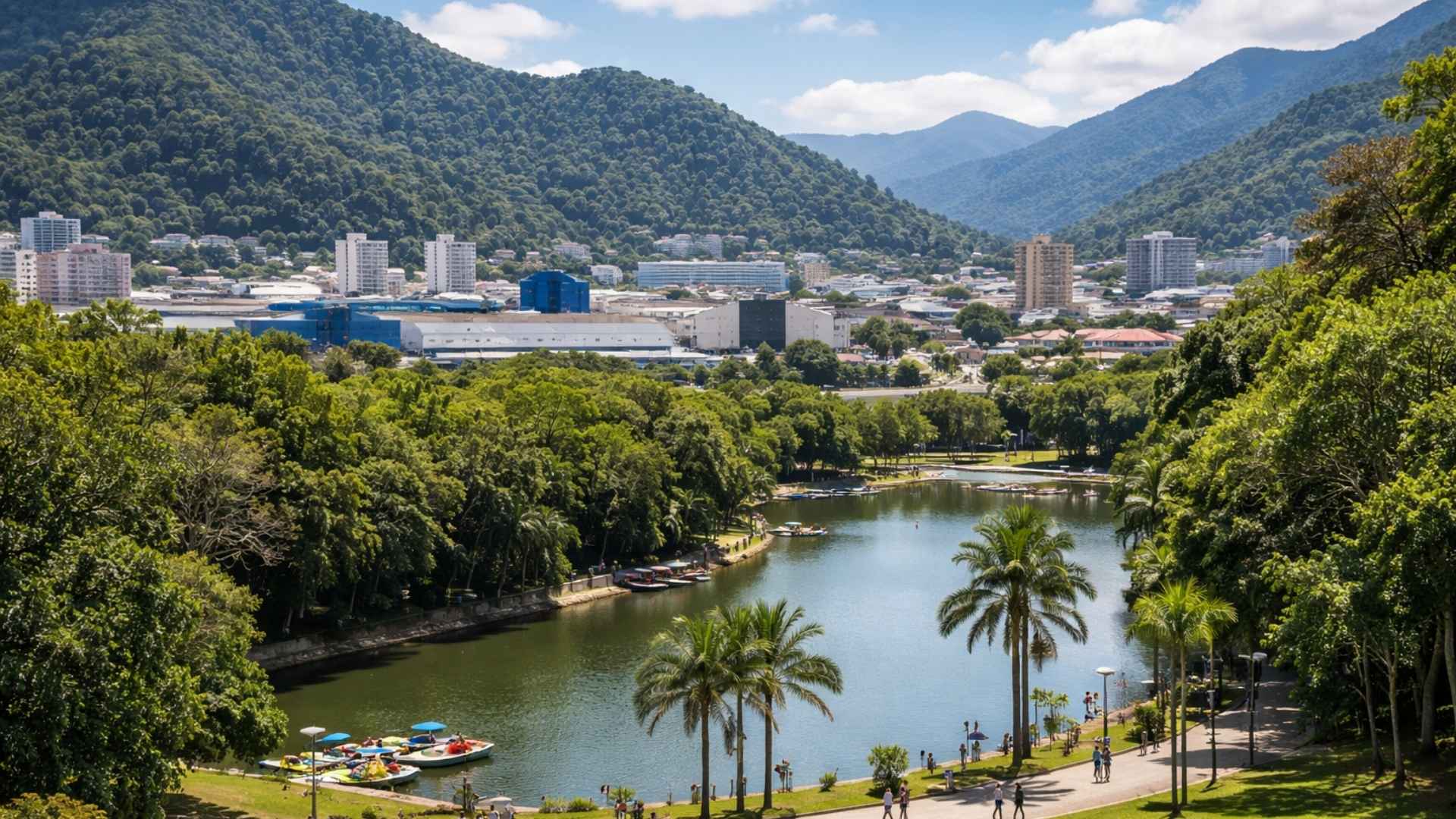
The 2nd safest city in Brazil is attracting new residents, industries, formal jobs, and also has a giant free park.
-
“Brazilian California”: the city is one of the best places to live in Brazil.
-
A collector bought a black stone in Morocco in 2011 without knowing that he had in his hands a Martian meteorite 4.45 billion years old with ten times more water than any other fragment of Mars ever found on Earth.

The “rubber barons” controlled the international trade of latex, and their fortunes allowed Manaus to become one of the most modern cities in the country, with electric lighting, trams, piped water, and a European-standard theater in the middle of the tropical jungle.
The construction of the Amazon Theater was financed by this elite group that wanted to affirm the region’s importance and attract international artists.
The architectural design followed European models of the time, aiming to show the world that the Amazon could be synonymous with luxury, culture, and progress.
Marble from Italy and Imported Luxury to the Jungle
The grandeur of the Amazon Theater begins with the staircases and columns clad in Carrara marble, imported directly from Italy.
This type of marble, considered one of the noblest in the world, was also used in statues and ornamental details that still impress visitors.
In the Noble Hall, the floor is a work of art on its own: 12,000 pieces of wood interlocked without the use of nails or glue, representing the meeting of the waters of the Rio Negro and the Rio Solimões.
The marquetry was made with Brazilian hardwoods, but the design and assembly followed European standards, reinforcing the international character of the project.
Glass and French Chandeliers Lighting the Amazon
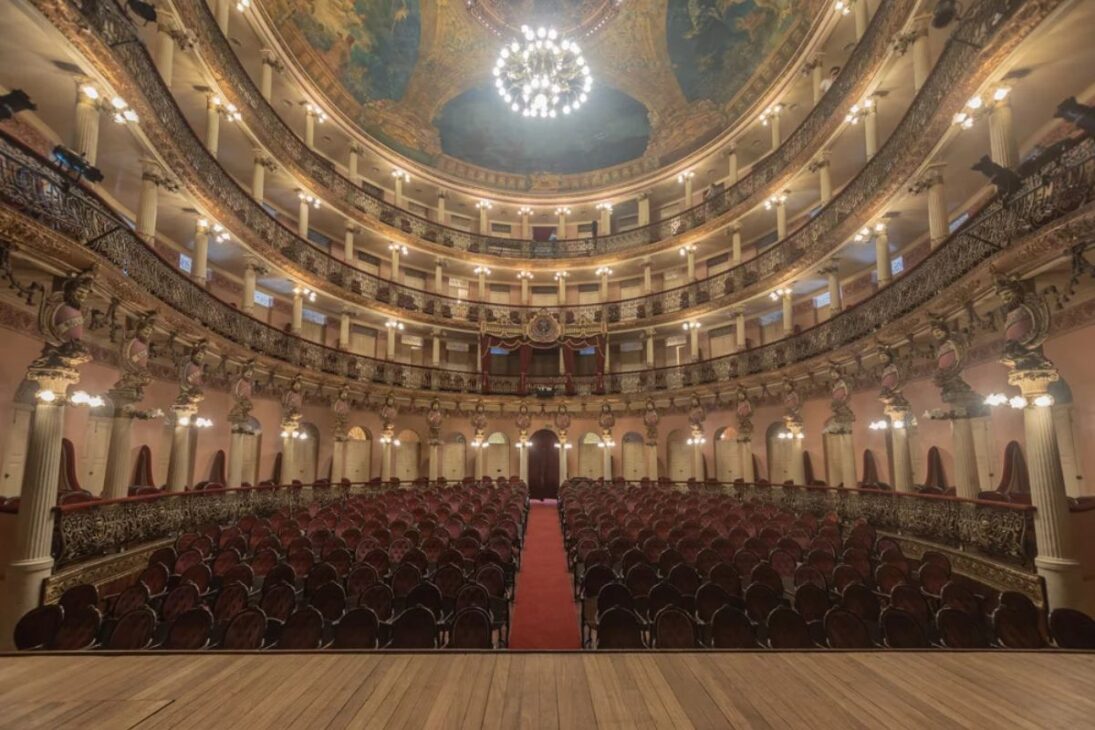
The European luxury extends to the glass from France and Murano chandeliers from Italy, which adorn the ceiling of the main hall.
The central chandelier weighs about 200 kilograms and was made of French metal, with refined finishing and lighting designed to enhance the gold of the walls and the details of the paintings.
The external dome, visible from afar, is one of the most iconic elements of the theater.
It is covered with 36,000 glazed ceramic scales in the colors of the Brazilian flag, also imported from Alsace, a French region.
The result is a work that combines art, patriotism, and sophistication, symbolizing the peak of Amazonian wealth.
Iron from Scotland and Paris Art: The Global Scale of the Project
The structure of the Amazon Theater used cast iron from Scotland, ensuring resistance and stability to the building in a humid and hot region.
The canvases that decorate the ceiling of the performance hall were painted in Paris, depicting scenes that exalt European music and theater, direct influences from the culture imported by the elite of Manaus.
Every detail of the construction was designed to impress. From the furniture coming from France to the fabric of the curtains, everything was chosen to reinforce the ideal of civilization and refinement.
The performance house holds about 700 people and has acoustics designed for opera performances and symphonic concerts, maintaining an internationally recognized sound quality to this day.
Economic Decline and Preservation of Heritage
With the end of the rubber cycle, the region’s economy entered a decline.
The competition from Asian production drove down latex prices, and Manaus lost part of its strategic and commercial importance.
The Amazon Theater, the ultimate symbol of this golden era, remained underutilized for decades, but survived as a historical testament to Amazonian wealth and decadence.
In the second half of the twentieth century, the theater underwent restorations and, in 1966, was listed by the National Historical and Artistic Heritage Institute (Iphan).
Today, it is one of the most visited monuments in Brazil, with about 288,000 visitors per year and a cultural program that includes the Amazon Opera Festival and dozens of national and international performances.
Amazon Theater: Art, History, and Brazilian Identity
More than a building, the Amazon Theater is a symbol of how art and architecture were used to affirm a sense of power and modernity in the heart of the forest.
Its existence demonstrates the contrast between the exuberance of the past and the contemporary challenges of keeping the historical heritage alive and accessible.
The theater remains active, preserved, and integrated into the cultural life of Manaus, serving as a link between history and the present.
It is also a reminder of the creative force and the human desire to build beauty even in the most improbable places.






Seja o primeiro a reagir!