





 Portuguese
  English
  Spanish
  3 min of reading


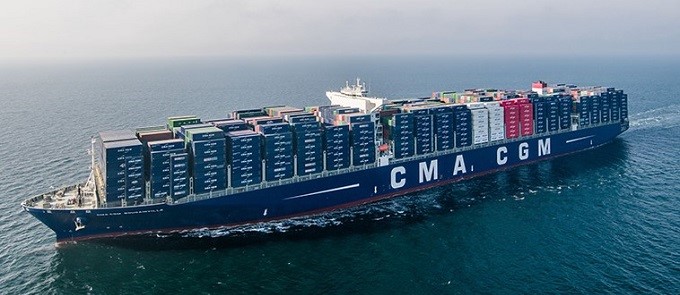
In order to strengthen its service offering in Brazil, the CMA CGM Group acquired Mercosul Line, one of the leading operators in the Brazilian maritime market for container transportation.
Related Articles
The cabotage service, which involves navigation between ports without straying from the coast to the point of losing sight of it, is an excellent option for saving on cargo transport. In addition to optimizing the logistics chain, it reduces accidents and damage rates, while also allowing for more accurate traceability without neglecting sustainability.
Certainly, business with Argentina becomes more profitable and safer when transported by ships rather than by other means of transport, as navigation is easily traceable.
-
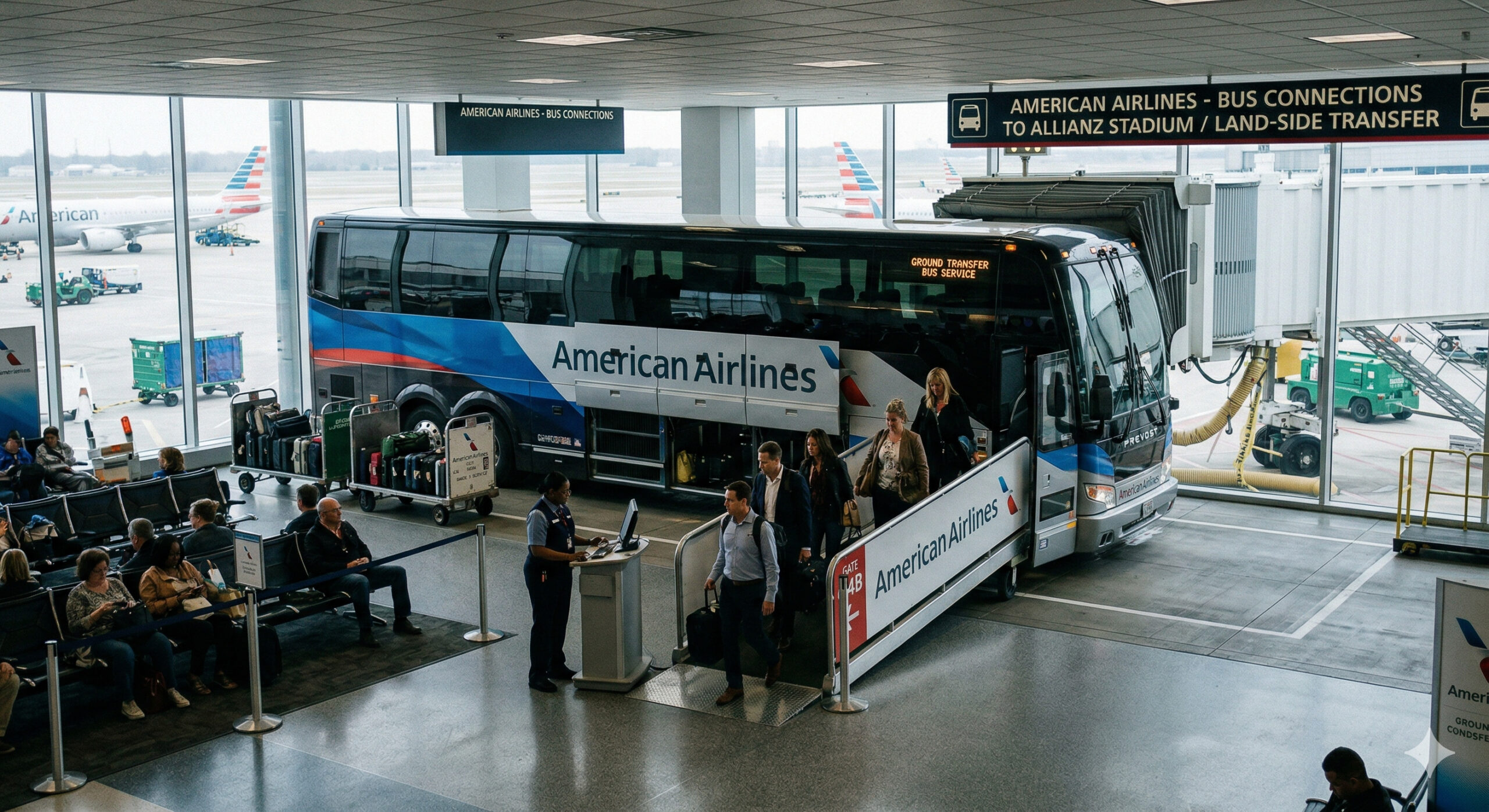
American Airlines starts selling trips as if they were flights, with check-in and baggage check at the airport, but on short routes, passengers board luxury buses connecting cities to major hubs in the U.S.
-
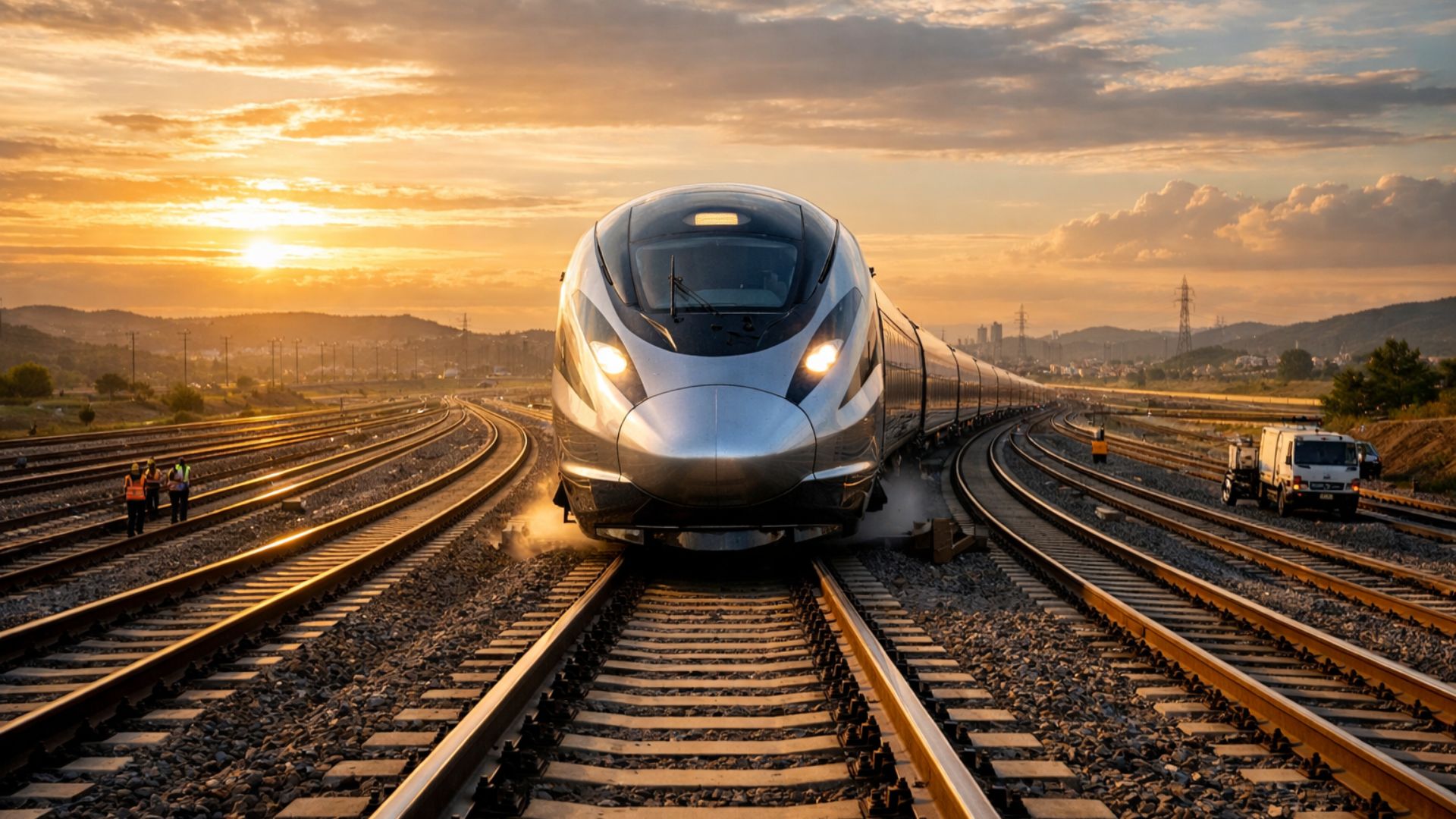
São Paulo surprises the world with a colossal railway network project that promises over 1,000 km of tracks, R$ 194 billion in investments, and 40 projects connecting the capital to the interior with fast and sustainable trains.
-
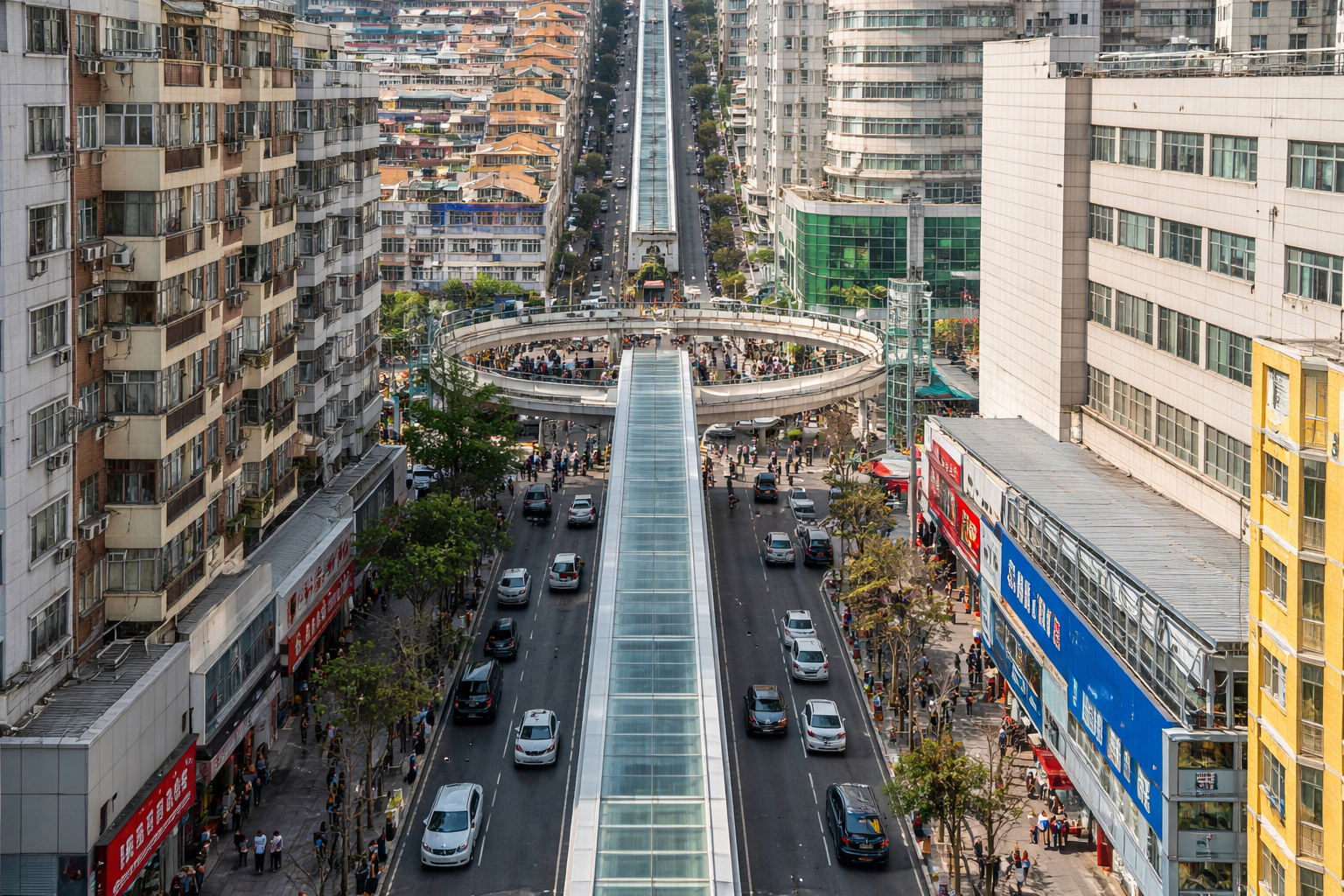
The world’s largest escalator, measuring 905 meters in China, reduces urban travel time from 1 hour to about 20 minutes and transforms mobility in mountainous regions with an engineering solution adapted to the terrain.
-
A R$ 300 million logistics giant is taking shape in Serra with over 100,000 m² and raises a question: how can this transform e-commerce and distribution in the state?


How Does the Cabotage Service Work?
The operation of the cabotage service is similar to a transport service with a scheduled time to arrive at designated points, just like a city bus, for example, differing in the aspect of point and port. The ships depart with specific destinations and predetermined schedules to ensure that the cargo is delivered as planned and, essentially, it is better planned than road transport, which may encounter various unforeseen events along the way.
Maritime transport is a secure, precise option with so many advantages that it easily convinces anyone with knowledge of logistics. Hardly anyone outside the industry knows about cabotage, but the more it becomes part of people’s daily lives, the greater the interest in this service will grow among them, especially since it is a predictable and stable service.
What Is the Importance of the Cabotage Service in Cargo Transportation?
Primarily due to the predictability this service allows, many believe that an extension of services by ships will increase to the point of replacing road transport. With minimal delays or circumstances that disrupt its journey, maritime transport has been increasingly sought after to move cargo from one place to another.
Moreover, as it is a service that accommodates when a company hires the entire container or just part of it, it makes for an easier and cheaper mode of transport. Given the extensive coastline in Brazil, for example, maritime transport has great potential for expansion, transforming the logistics of companies.
Especially when thinking about maritime transport and considering the Brazilian coast as a vast space to be navigated and explored to execute all necessary deliveries along the route, it is quite simple to conclude that it is the best option for any type of cargo being transported.
From products used daily in households to appliances and furniture, maritime transport is a highly effective, secure, and even practical alternative for any situation. Particularly, even products that need refrigeration can be transported by ships, making this mode of transport even more appealing and convenient.










Seja o primeiro a reagir!