





 Portuguese
  English
  Spanish
  3 min of reading
  0 comments


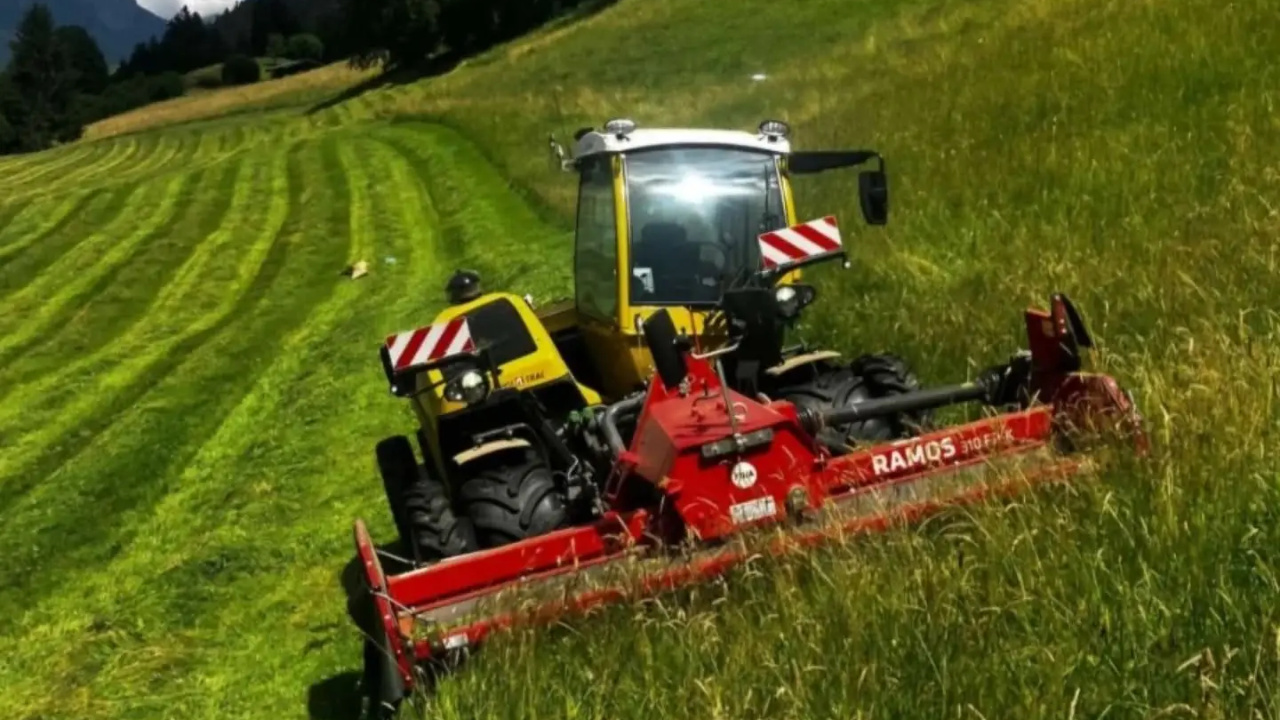
Swiss Sisters Develop An Electric Tractor Powered By Solar Energy That Promises To Reduce Costs, Cut Emissions And Change The Routine Of Farmers In Europe.
While the global agribusiness still heavily relies on diesel, an innovation from Switzerland is beginning to disrupt the agricultural machinery sector. Two sisters created an electric tractor powered by solar energy that is already being used on farms in Europe.
The proposal is simple but explosive: to replace fossil fuel with electricity generated on the roofs of barns and stables.
The project breaks with decades of dependence on combustion engines and places solar energy at the center of agricultural mechanization. At the same time, it raises questions about autonomy, power, and large-scale viability.
-
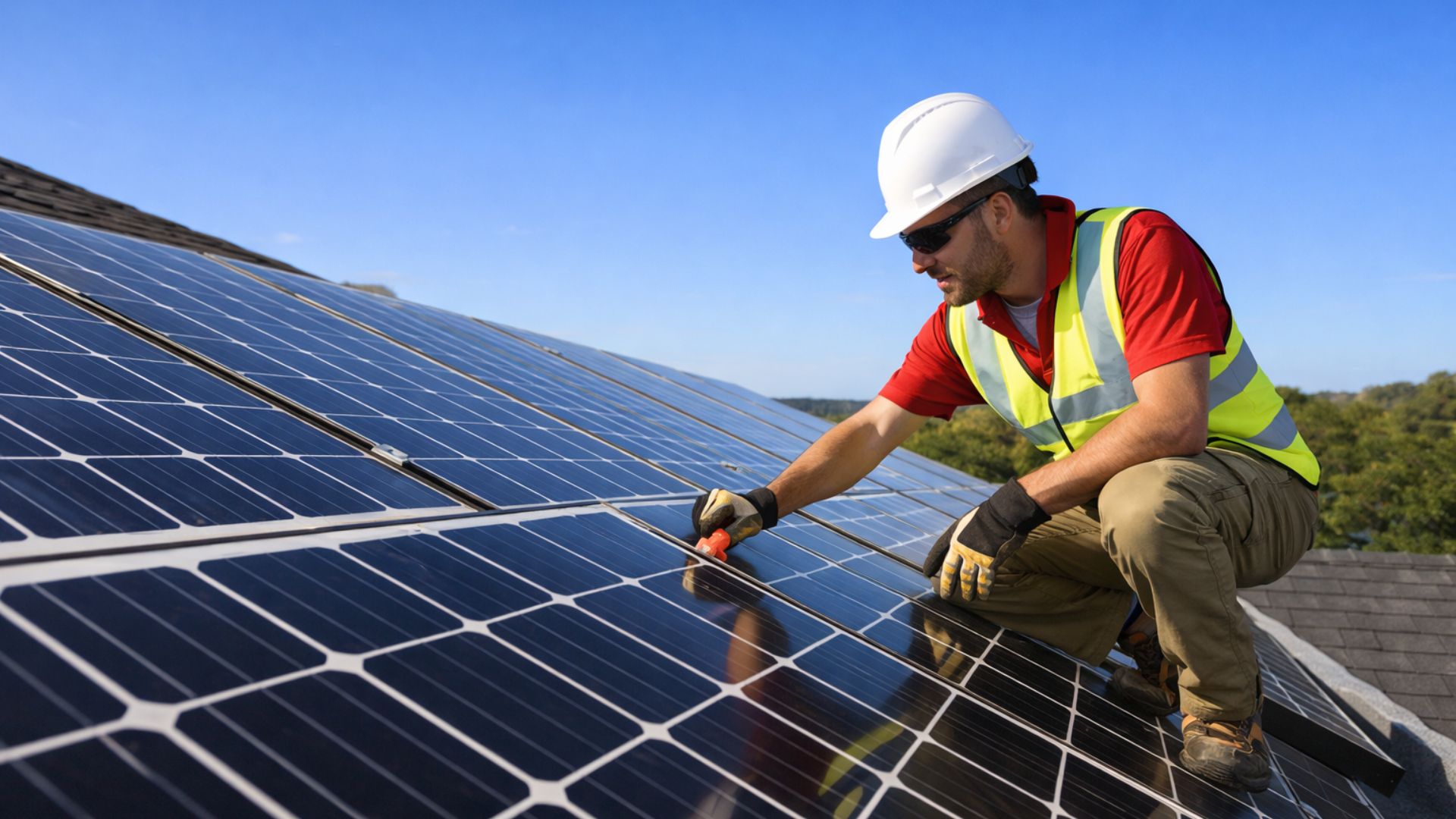
Seagri’s headquarters invests in solar energy with Neoenergia Coelba and promises to cut electricity costs, highlighting a strategic advance in sustainability and energy efficiency within state public administration.
-
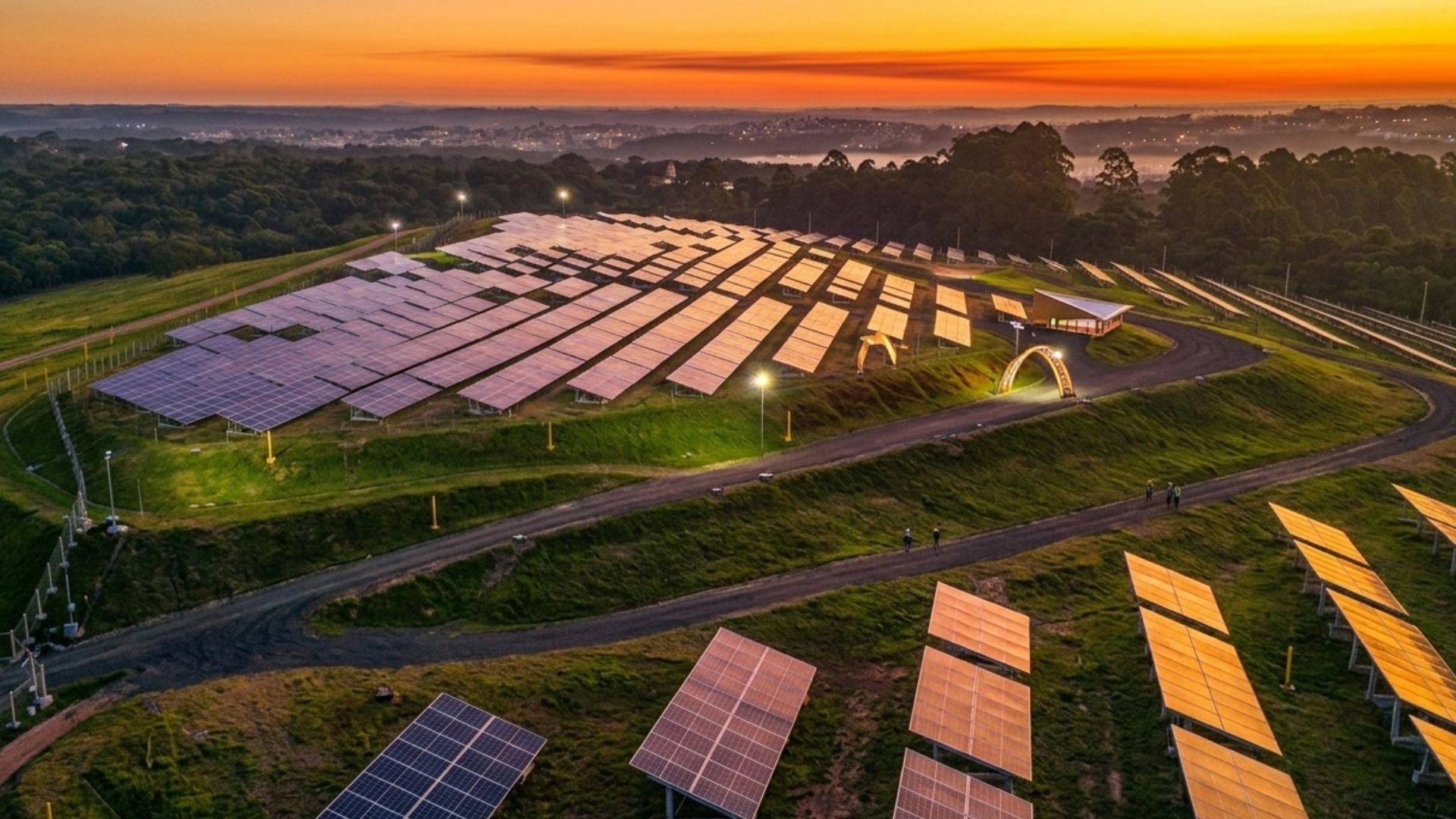
Solar Pyramid draws attention by converting solar energy into million-dollar savings and repositioning the City Hall of Curitiba as an example of innovation, sustainability, and intelligent use of public resources.
-
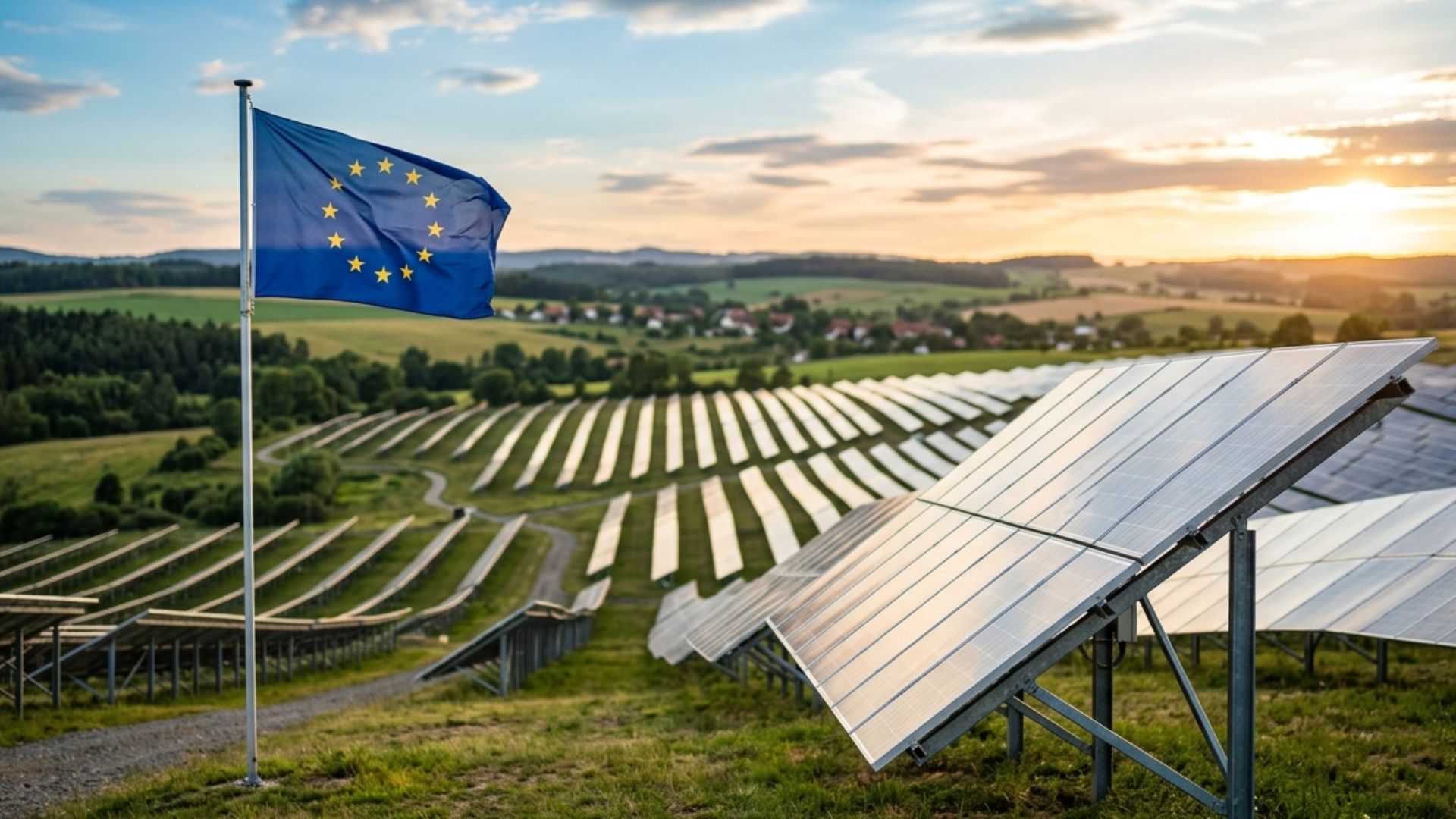
Europe records strong euro economy with solar energy in March and sparks curiosity about which country leads growth that redefines the energy market and reduces costs.
-
Piauí reaches a historic milestone in energy transition: State records nearly 160,000 households powered by solar energy and leads growth in the Northeast.

An Electric Tractor That Promises To Cut Costs And Emissions
The tractor developed in Switzerland replaces the diesel engine with a set of electric motors powered by rechargeable batteries. In practice, this eliminates the direct consumption of fossil fuels and drastically reduces pollutant emissions in the field.
The machine is designed primarily for horticulture, vegetable cultivation, mountainous areas, and winter services such as snow removal.
In other words, it does not aim to replace giant tractors used in extensive farming, but rather to serve small and medium producers looking for more energy efficiency.
The system features four independent electric motors, which together deliver about 84 kW of power. These motors are distributed between the front and rear axles and also in the starting system, ensuring better traction, control, and stability on uneven terrain.

How Solar Energy Enters The Heart Of The Operation
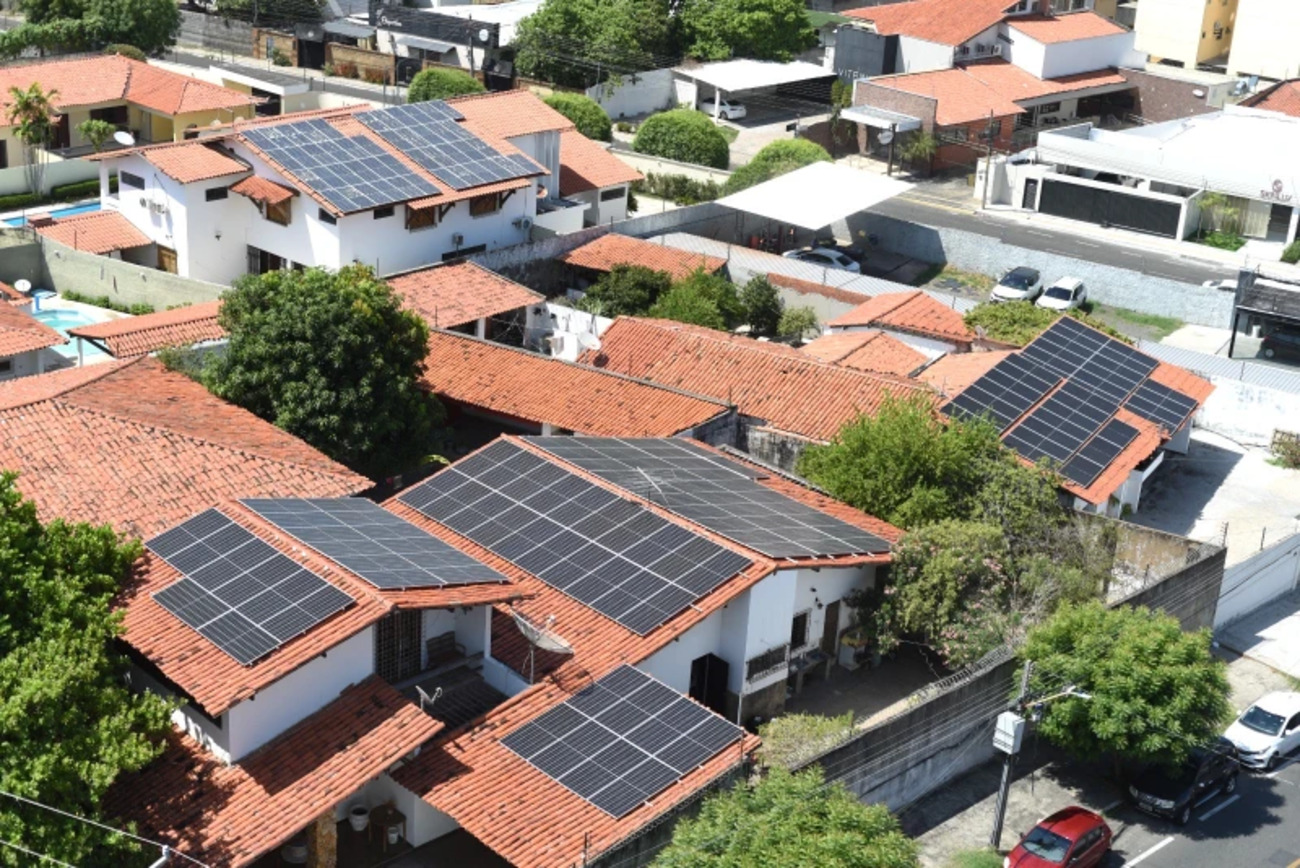
The main differentiator of the project is the direct integration with solar energy produced on the farm itself. The tractor can be charged both from the conventional power grid and from stations connected to photovoltaic systems installed on the roofs of barns, stables, and warehouses.
In some models, small solar panels installed on the tractor itself help maintain the charge or power auxiliary systems, extending autonomy.
In this way, the electricity generated during the day can be stored in the batteries and used when the machine is in operation.
This ecosystem includes rechargeable batteries, independent electric motors, a management system that monitors consumption and charge, as well as a direct connection with the so-called “solar farm.”
All of this creates an environment where agricultural production and energy generation go hand in hand.
The Direct Impact Of Solar Energy On The Farmer’s Pocket
By replacing diesel with solar energy, the farmer completely changes the logic of fueling. Instead of relying on gas stations and volatile prices, they start to plan their recharges based on the electricity production of their own property.
Among the main benefits are the reduction of local emissions, improvement of air quality in greenhouses and stables, less stress for animals, and a quieter work environment. Additionally, operational costs tend to be more predictable when the energy comes from the sun.
Another important point is maintenance. Electric motors have fewer moving parts than combustion engines, which can reduce mechanical failures and expenses over time.
Limitations That Still Generate Distrust
Despite the enthusiasm, the solar-powered tractor still faces significant challenges. Autonomy depends on the battery capacity and the type of task performed. On long days or during peak agricultural periods, it may be necessary to pause work to recharge.
In very demanding terrains, such as deep tillage areas or heavy soil preparation, diesel or hybrid tractors are still more efficient. Therefore, the Swiss model was designed as a complement, not as a complete replacement for the traditional fleet.
This limitation causes some producers to view the technology as promising, but still insufficient for all activities in the field.
Do you think solar energy can actually replace diesel in tractors or is this technology still far from functioning in the everyday life of farming?







Seja o primeiro a reagir!