





 Portuguese
  English
  Spanish
  4 min of reading
  0 comments


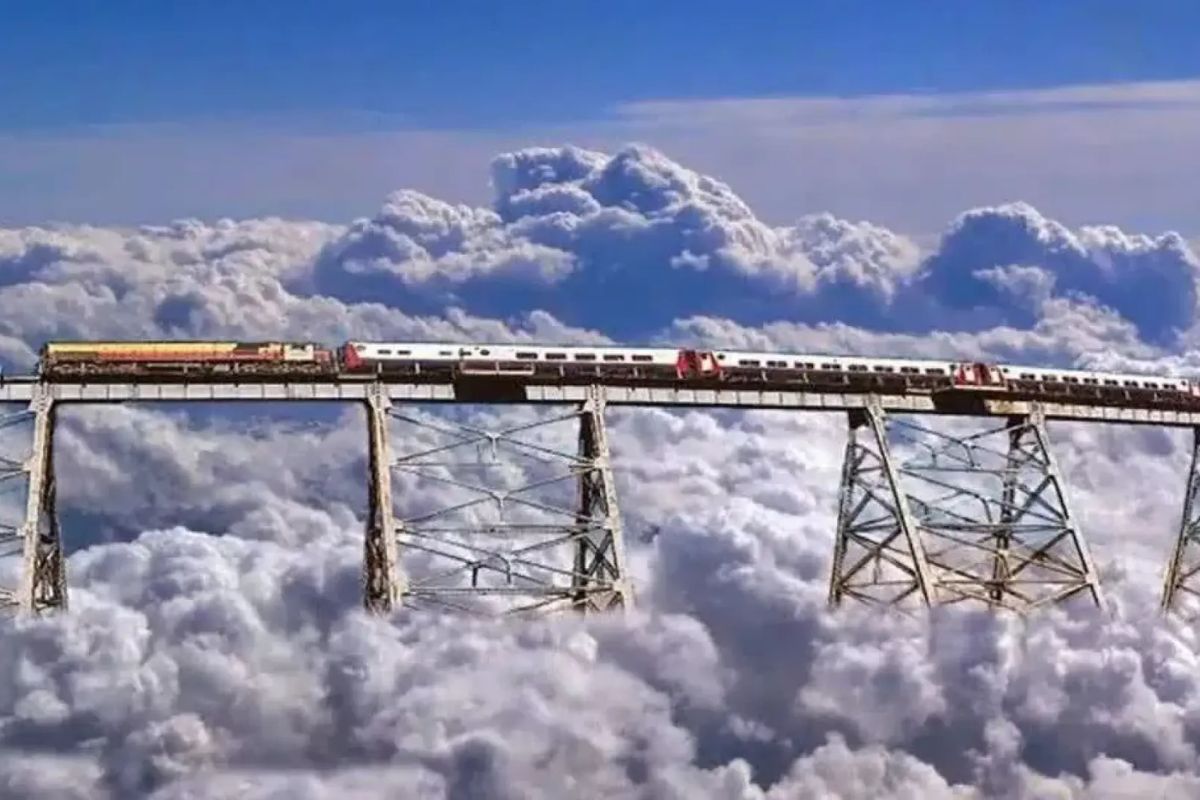


Discover The History And Route Of The Train To The Clouds, One Of The Highest Railroads In The World, Crossing Spectacular Bridges In The Salteña Puna.
Boarding the Train to the Clouds is an adventure that literally rises to the peaks of the Andes Mountains. This iconic Argentine tourist train reaches an impressive altitude of 4,220 meters above sea level, offering a unique experience through dry and majestic landscapes.
More than just a means of transportation, the Train to the Clouds is an emblem of Argentine ingenuity and a cultural conductor. This article details the history, the route, engineering highlights, and essential tips to plan your journey on this one of the highest and most spectacular railroads on the planet.
What Is The Train To The Clouds? A Journey To The Roof Of The Andes
The Train to the Clouds is one of the most famous tourist railroads in Argentina and the world. Its main attraction is the trip that reaches an altitude of 4,220 meters, providing the feeling that “the Salteña Puna fuses with the sky.”
-
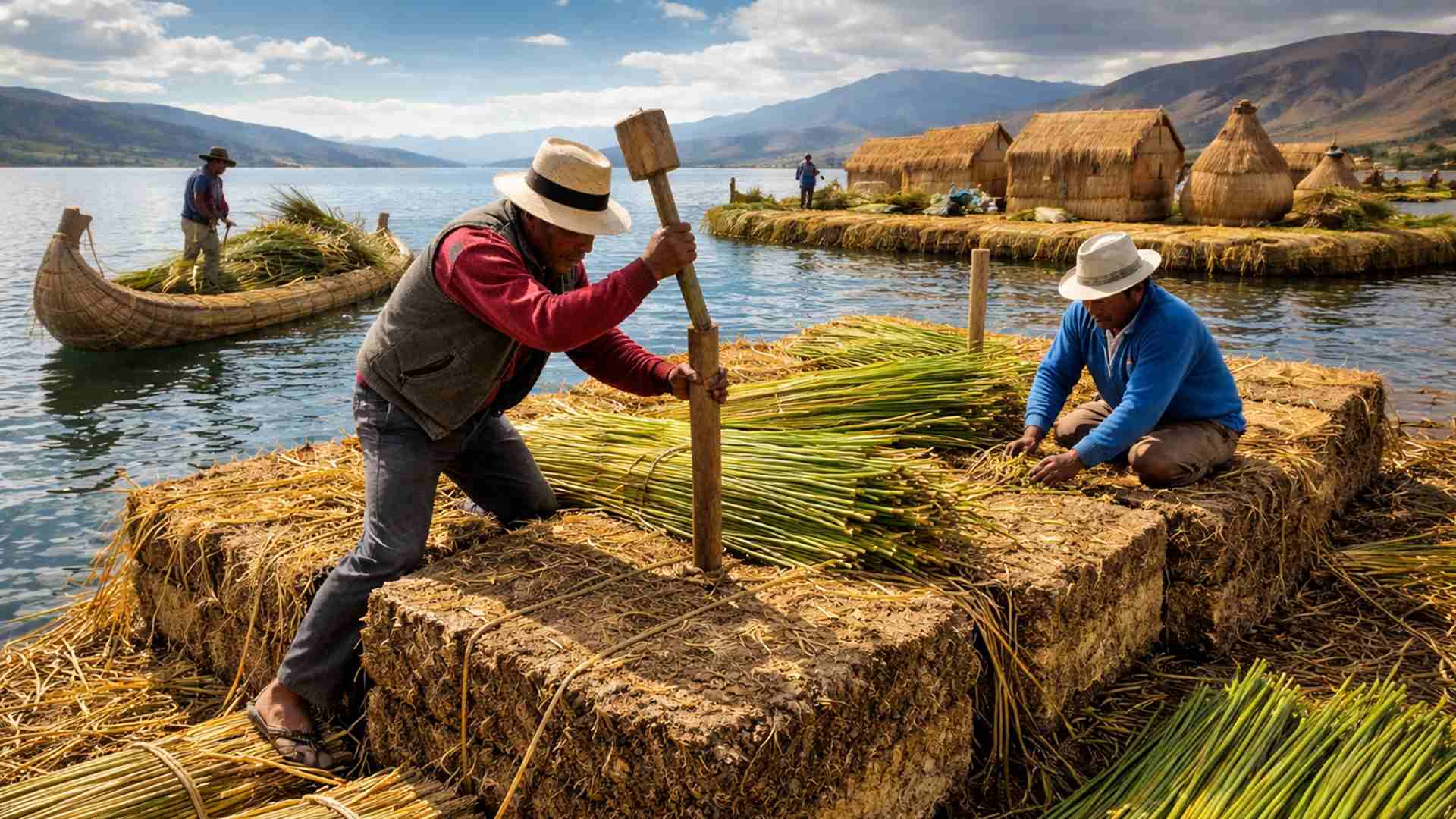
How to build a floating island from scratch with reeds, giant blocks, and stakes in the lake in a process that needs to be repeated almost every day.
-
A forgotten cord on the floor of a basement in Vienna leads a plumber to a box containing 30 kilograms of gold with Mozart’s face, hidden before World War II. The treasure, worth 2.3 million euros, was just centimeters away from a worker who ignored the sign a day earlier.

-
A couple buys an old chalet, breaks the kitchen floor for renovation, and finds over a thousand coins of gold and silver hidden since the English Civil War over 4 centuries ago.

-
Rigid bags with their days numbered: new trend prioritizes comfort in 2026.


Currently, the most complete experience is a full-day trip. The journey combines a bus route from the city of Salta with a railway segment. The highlight of the trip is crossing the imposing La Polvorilla Viaduct. The operation is a carefully managed tourist service to ensure safety and comfort, including medical assistance on board due to the altitude.
The Epic History Of The C-14 Branch: The Construction Of The Train That Touches The Sky
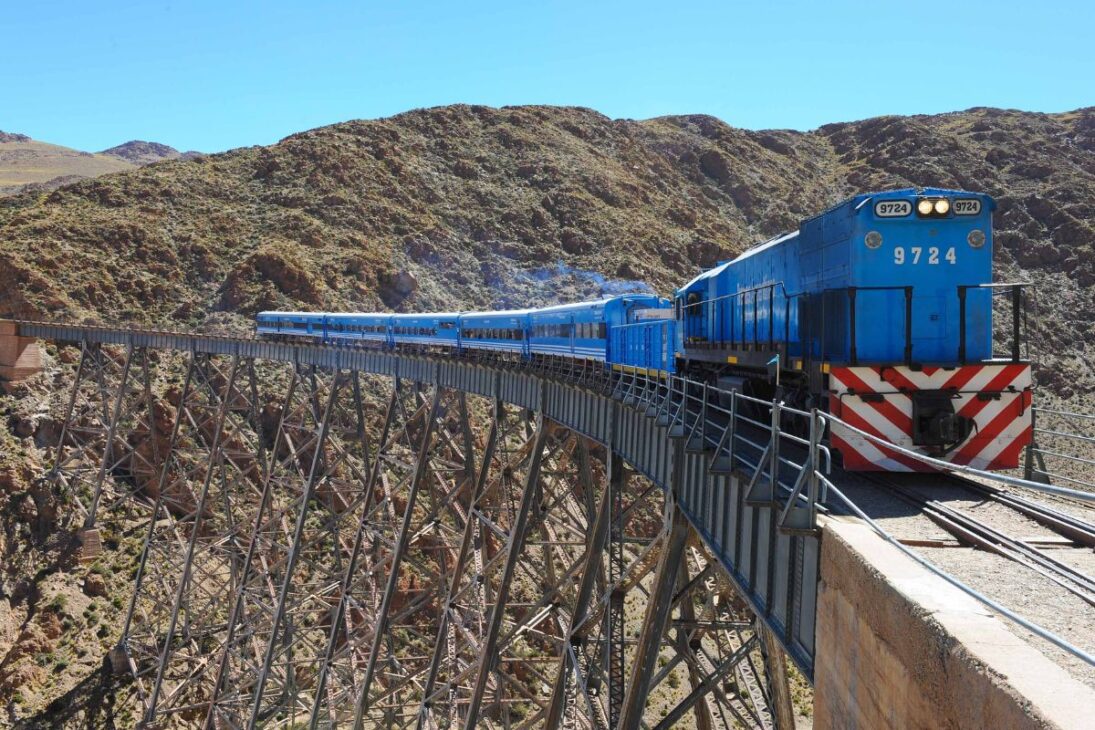
The genesis of the Train to the Clouds dates back to the strategic necessity of connecting northwestern Argentina to Chile. The railroad project, the C-14 Branch, was designed by the German-Argentine engineer Josep Rauch. However, the construction was led by the American engineer Richard Fontaine Maury.
The work, started in 1921 and completed in 1948, was a saga of 27 years. About 1,300 workers faced extreme altitude and the relentless Andean terrain. The name “Train to the Clouds” originated from a documentary in the 1960s. While filming the steam train crossing the La Polvorilla Viaduct, the steam mixed with the low clouds, creating the iconic image that named the attraction.
The Wonders Of The Quebrada Del Toro And The Climax At La Polvorilla Viaduct
The modern excursion of the Train to the Clouds begins in Salta, by bus. The trip passes through historical locations like Campo Quijano and the impressive Quebrada del Toro, with stops for photos. An important cultural stop is in El Alfarcito, at an altitude of 2,800 meters, where travelers learn about life in the Puna and enjoy a countryside breakfast.
Boarding the train takes place in San Antonio de los Cobres, at an altitude of 3,775 meters. The 21 km railway segment climbs to La Polvorilla Viaduct, at 4,220 meters. This steel structure, 224 meters long and 63 meters high, is the highlight of the trip. At the viaduct, the train stops for about 30 minutes so that passengers can disembark, contemplate the scenery, and participate in a ceremony with the Argentine flag.
Travel Guide: Planning Your Adventure On The Train To The Clouds


Planning a trip on the Train to the Clouds requires attention to some details:
Tickets: the main option is the complete bus and train tour from Salta. It is also possible to purchase just the train segment, departing from San Antonio de los Cobres. Reservations should be made in advance on the official website.
Best Time: the operation usually takes place from April to December. The dry season, from April to November, is ideal, offering clearer skies and spectacular views.
Altitude Sickness (Soroche): it is essential to acclimatize in Salta for one or two days before the trip. Drink plenty of water, avoid alcohol, and eat light meals. Coca tea is a traditional local remedy.
What To Bring: wear layered clothing, as the temperature varies greatly. Sunscreen, sunglasses, and a hat are essential due to the strong radiation at high altitude.







Esperar o Milei sair pra voltar à Argentina