





 Portuguese
  English
  Spanish
  3 min of reading
  2 comments


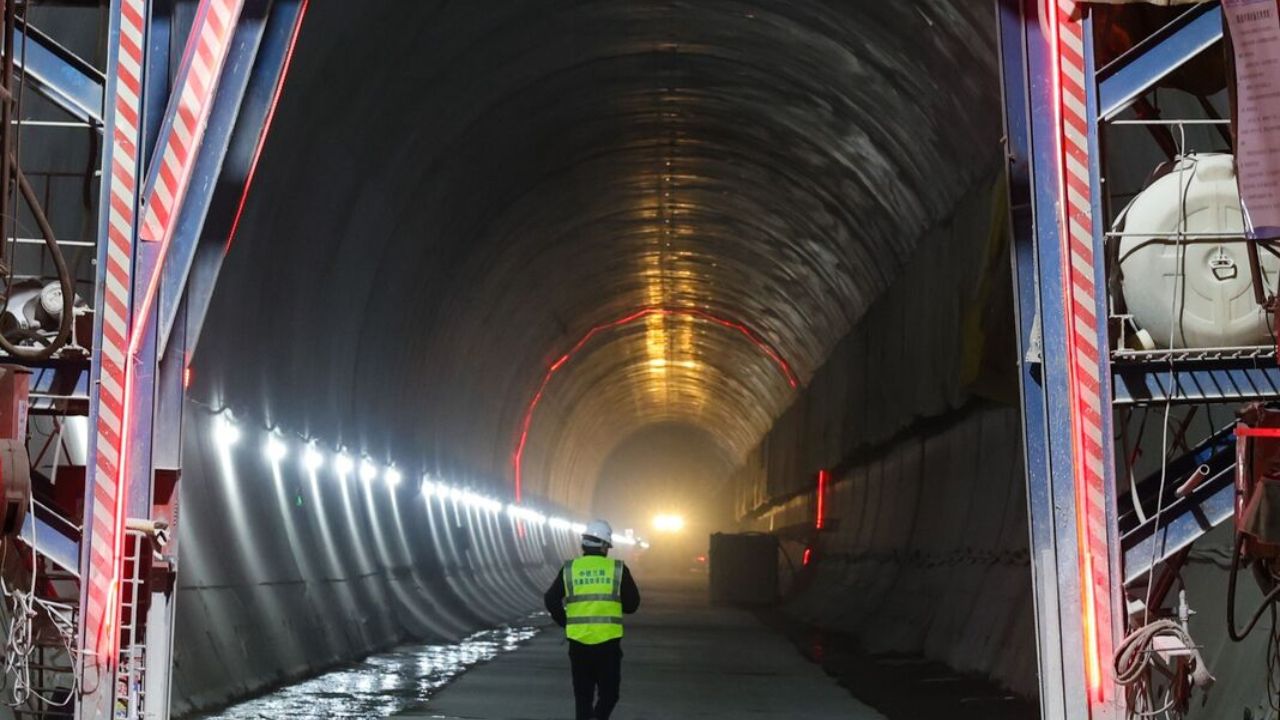


A Strategic Construct That Promises to Transform Transport and Trade Between China and Europe, Replacing Three Century-Old Tunnels and Boosting International Logistics.
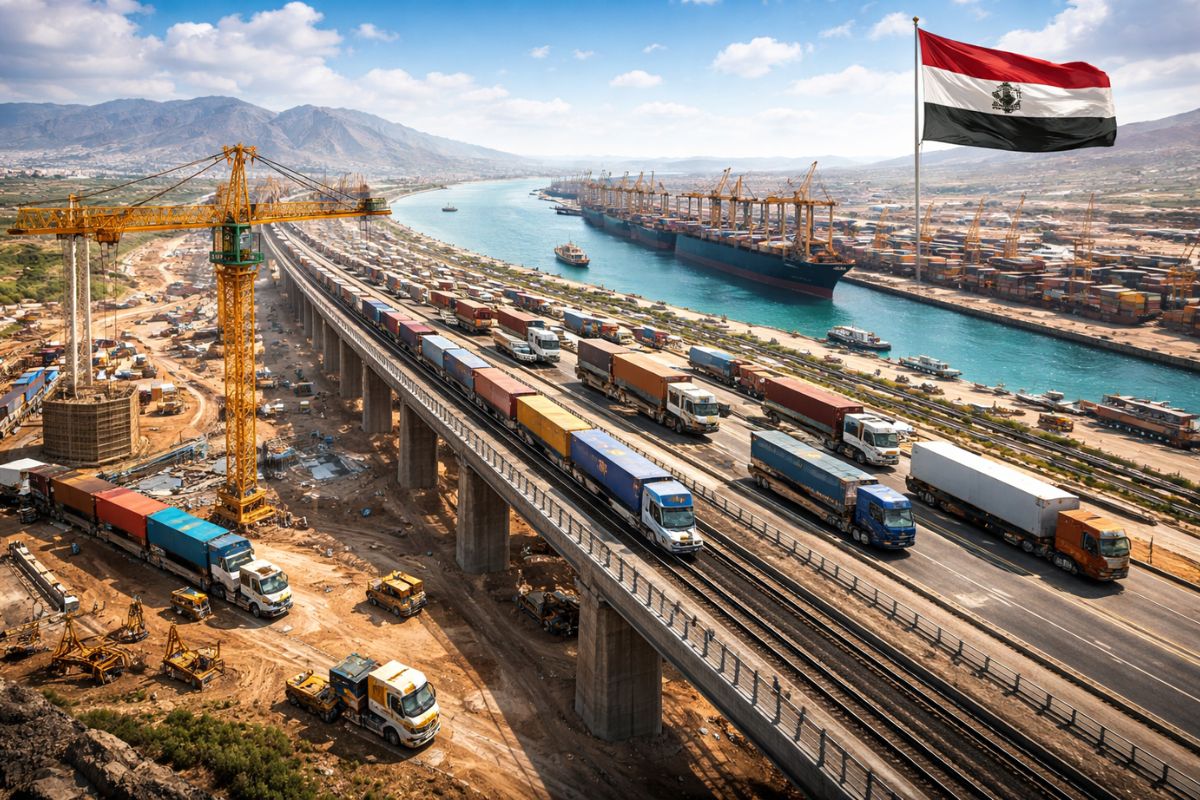
China is about to deliver another jaw-dropping infrastructure project: the Suifenhe railway tunnel, located near the border with Russia. At 602 meters long, it will replace three railway tunnels that are over 120 years old, modernizing one of the main connection points between the two countries.
This new railway tunnel is not just a matter of infrastructure, but also a strategic move by China to expand its commercial and logistical influence. By modernizing these historical connections, the country demonstrates that it knows how to balance the past and the future in the development of its railway network.
The Commercial and Logistical Impact of the New Railway Tunnel
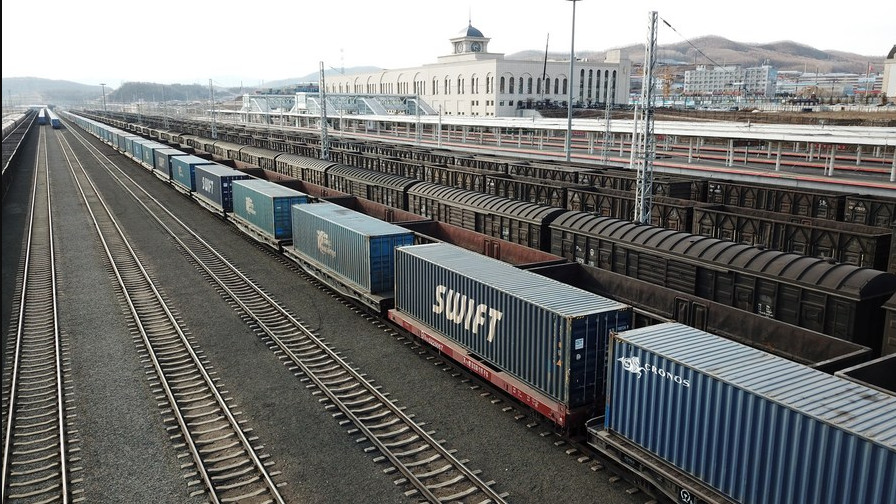
With a completion forecast for May 2025, the Suifenhe tunnel has a clear mission: to boost trade between China and Europe. The country has been heavily investing in the expansion of its railway system, making the transport of goods much more efficient and reducing travel time to various international destinations.
-
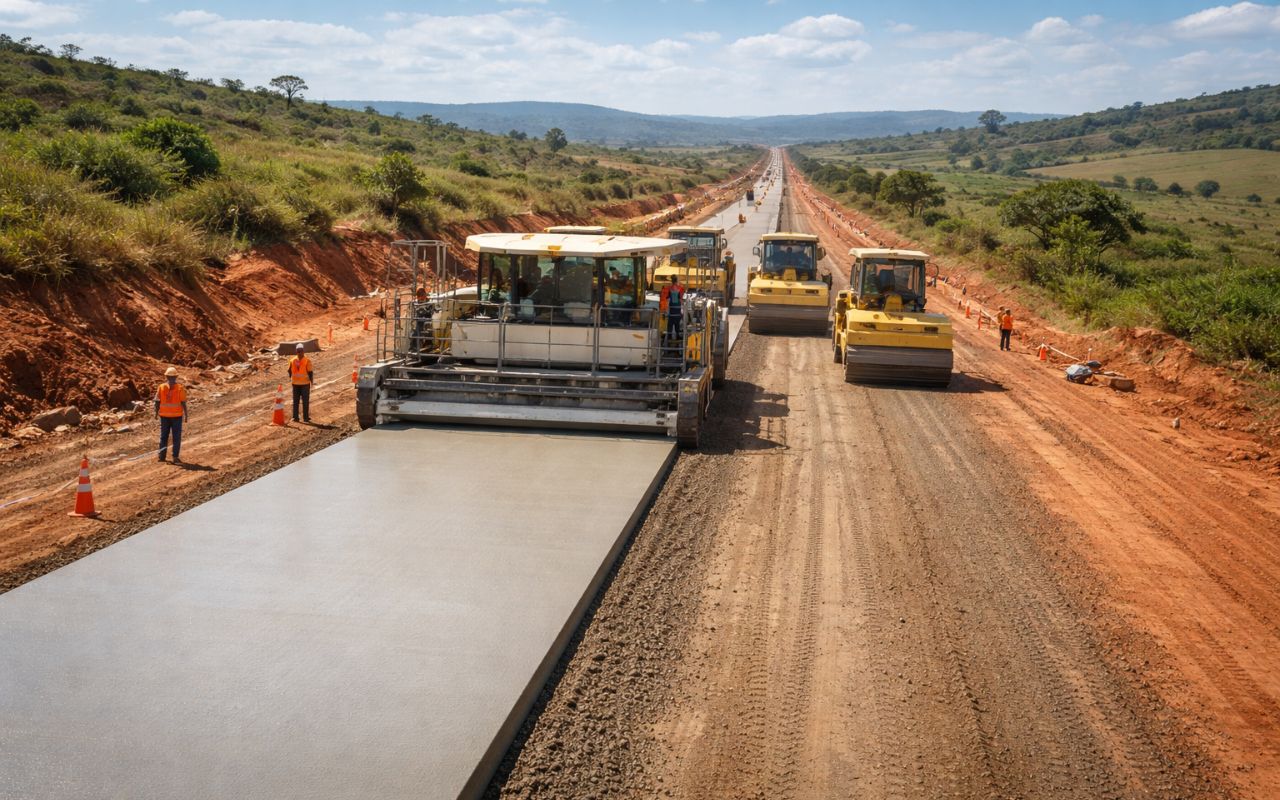
New CCR concrete paving technology promises roads up to 3x more durable, less maintenance, and cost reduction in Brazil.
-
Made from recycled plastic, plastic wood is gaining space in the construction industry because it does not rot, resists moisture, and reduces maintenance costs over the years.

-
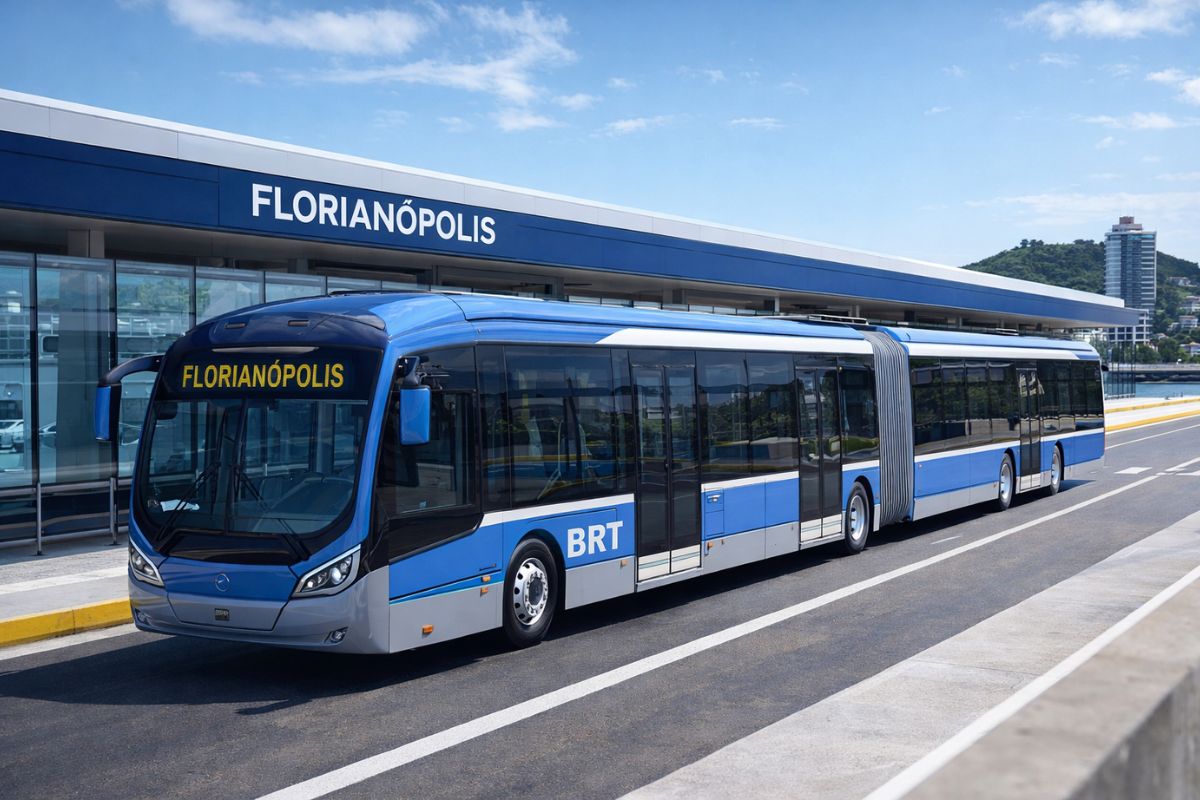
Florianópolis will receive a million-dollar BRT that will begin construction in 2026 with nearly 400 million in funding from the federal government and the Inter-American Development Bank, and the map already shows the routes for the exclusive bus corridors.
-
Without a blueprint, without an engineer, and using scrap from the dump, a father spends 15 years building an 18-room castle for his daughter, featuring tram tracks, 13 fireplaces, and over 700 m², which may now be demolished.

Today, the China-Europe freight railway route operates about 900 freight trains per year, transporting around 88,000 twenty-foot equivalent units (TEU). The idea is to make this commercial flow more dynamic and less dependent on maritime and road routes.
Suifenhe as a Strategic Point for International Trade
Located in Heilongjiang province, the Suifenhe port is a true key piece in the eastern trade corridor between China and Russia. Its railway infrastructure connects several Chinese cities to European destinations like Madrid, Warsaw, and Duisburg, further strengthening trade relations between the two continents.
With this new railway tunnel, China makes a significant leap in the ease of transporting goods, optimizing routes and reducing logistical costs for companies operating between Asia and Europe.
Chinese Rail Infrastructure and Mega Projects Underway
The Suifenhe tunnel is just one of the many ambitious railway projects that China is betting on. In recent years, the country has heavily invested in expanding and modernizing its transport infrastructure to increase regional and global integration.
A prominent example is the 49.7 km bridge-tunnel being built to connect Shenzhen and Zhongshan. With an estimated cost of 4.8 billion dollars, this project aims to significantly reduce travel time between the two Chinese cities, further boosting the economy in the Pearl River Delta region.
The Tianshan Shengli Tunnel and the Revolution in Internal Transport
Another noteworthy project is the Tianshan Shengli tunnel, with its impressive 22 km length. It has drastically reduced travel time between Urumqi and Korla in the Xinjiang autonomous region. Previously, traveling the 480 km between these cities took many hours, but now the journey is made in less than two hours.
This type of initiative demonstrates how China is betting on its railway network to shorten distances, improve logistics, and stimulate economic development in various regions.








Cadê o mapa da China com a localização do túnel. Assim fica muito vago
Essas notícias pecam por não falar das bitolas.