





 Português
  Inglês
  Espanhol
  3 min de leitura
  0 comentários


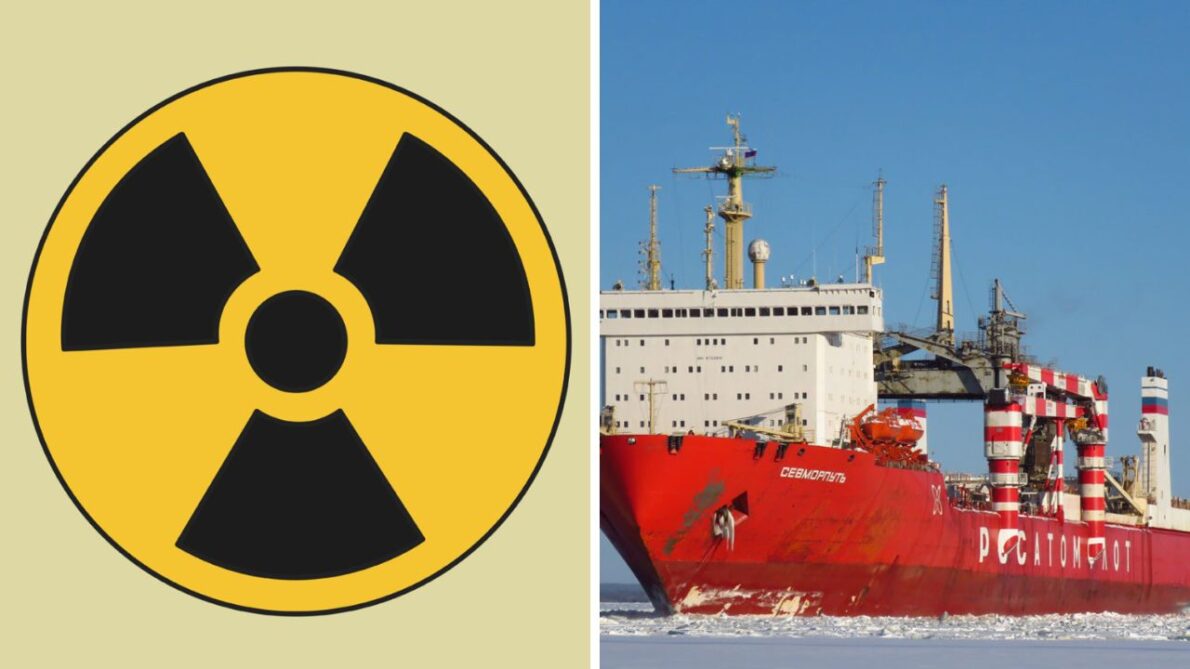
The Sevmorput, A Nuclear Cargo Ship From Russia, Has Been in Operation Since the 1980s, Standing Out as the Only Active Example of This Technology in the World.
Amid global efforts to reduce greenhouse gas emissions, nuclear energy emerges as a viable solution for maritime transportation. Although this technology is not new, the world currently counts only one nuclear cargo ship still in operation: the Sevmorput, a Russian giant built in the 1980s, which continues to sail and plays a crucial role in Arctic routes.
The Sevmorput, a nuclear cargo ship built during the Soviet era, is a key piece in Russia’s plans to explore the natural resources of the Arctic, navigating the challenging Barents Sea. With a history dating back to the 1980s, the Sevmorput stands as a testament to the technological innovation of the time, being the only nuclear cargo ship currently in operation in the world.
Nuclear Energy for Naval Propulsion
The idea of using nuclear energy for naval propulsion is not new. Throughout the last century, the Soviet Union initiated an ambitious project to build ships that could face the frozen waters of the Arctic year-round. In 1953, the first nuclear icebreaker was launched, allowing the USSR to dominate Arctic routes. This expertise led to the development of the Sevmorput, which had its keel laid in 1982 at the Zaliv shipyard in what was then Soviet Ukraine, and began operations in 1988.
-
Fukushima Marks A Turning Point In Japan’s Energy Policy: After The Disaster, The Country Shut Down Its 54 Nuclear Reactors And, 15 Years Later, Only A Small Portion Have Returned To Operation

-
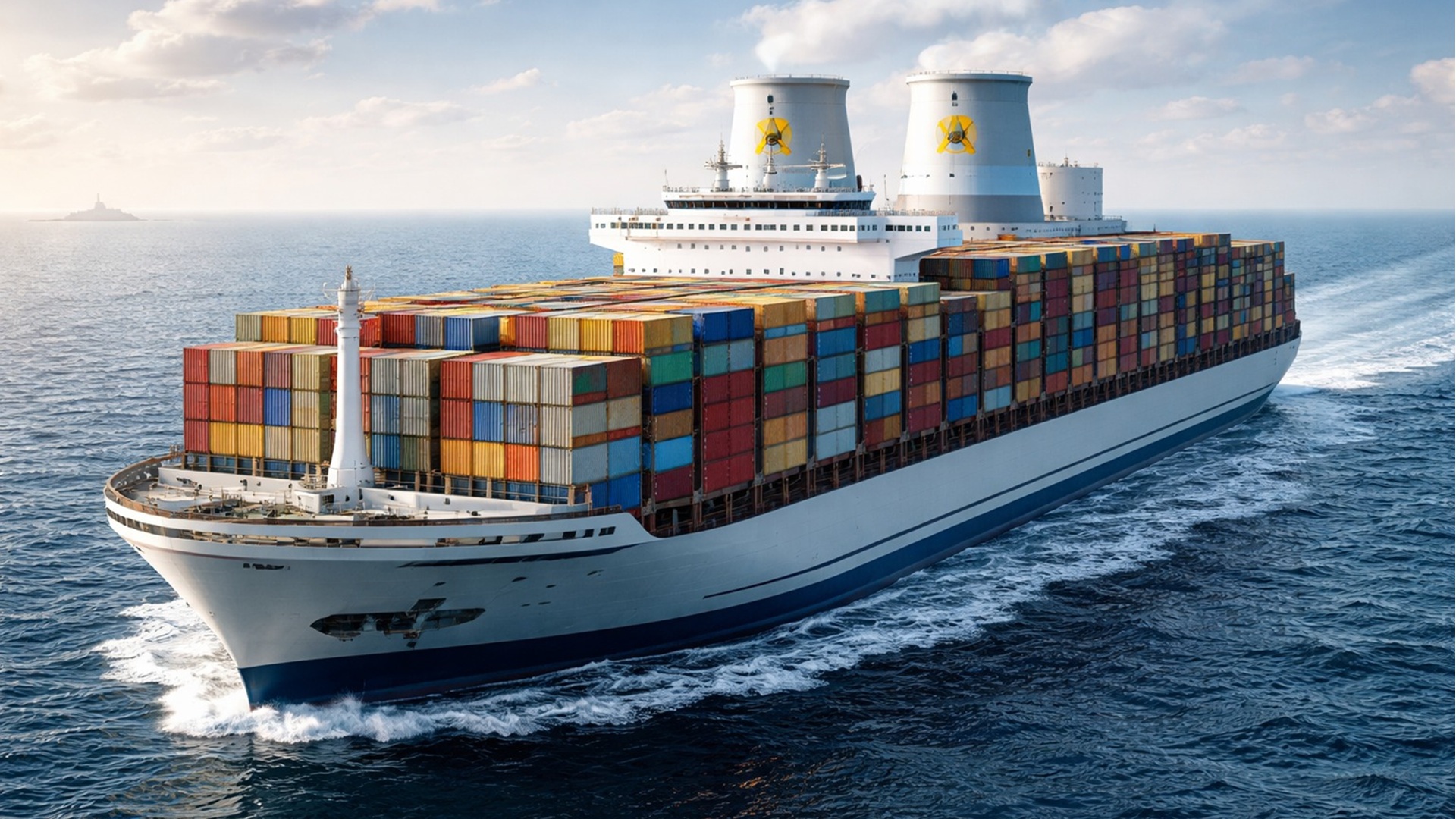
Ocean Giant Could Change Everything: Nuclear Container Ship Project Promises to Transport 16,000 Containers Without Using Fossil Fuels
-
How Japan Overcame The Nuclear Bomb And Now Houses Millions In Hiroshima, While Ukraine Lost Chernobyl?

-
Bill Gates Receives Historic Approval to Build Giant 345 MW Nuclear Plant in the U.S. and Promises to Generate Up to 500 MW of Energy with Innovative Technology

RELATED: Maersk Predicts Merchant Ships Powered by Nuclear Energy in Europe With Fourth Generation Reactors
Nuclear Cargo Ship Has KLT-40 Fission Reactor That Generates 135 MW of Power
With an impressive length of 260.3 meters and a width of 32.2 meters, the Sevmorput can carry up to 61,000 tons of cargo. The ship can accommodate more than 70 SLS 506309 barges and 1,324 standard shipping containers, thanks to its integrated cranes and a KLT-40 fission reactor that generates 135 MW of power. This plant powers the propeller and allows the ship to travel long distances without the need for refueling.
However, the history of the Sevmorput has not been without challenges. Just two months after its launch, the ship faced restrictions from docking at major Soviet Pacific ports due to fears over nuclear safety, exacerbated by the Chernobyl disaster in 1986. The ship underwent a nuclear refueling in 2001 and continued operating until 2007, when it was temporarily taken out of service.
Fate of the Sevmorput
In 2008, Russia’s fleet of nuclear icebreakers was transferred to Atomflot, a division of the State Atomic Energy Corporation Rosatom. The fate of the Sevmorput, however, was uncertain, with rumors that it would be dismantled. However, in 2013, a refurbishment plan was announced, and in 2015, the Sevmorput resumed sailing, though facing new challenges like a failure in one of its propellers in 2020.
Currently, the Sevmorput remains in active service, docked at the Atomflot base in Murmansk, standing as the last operational nuclear cargo ship in the world. Its existence highlights the importance of nuclear energy in maritime transportation, especially in such inhospitable areas as the Arctic, and raises questions about the future of this technology in a world seeking to reduce carbon emissions.
The Sevmorput is not just a relic of Soviet engineering, but also a symbol of the potential of nuclear energy as a solution to global transport and sustainability challenges.
We want to hear your opinion on the future of this technology and how it may impact global maritime transport. Do you think nuclear energy can be a viable solution to reduce carbon emissions in the sector?









Seja o primeiro a reagir!