Portuguese
  Spanish


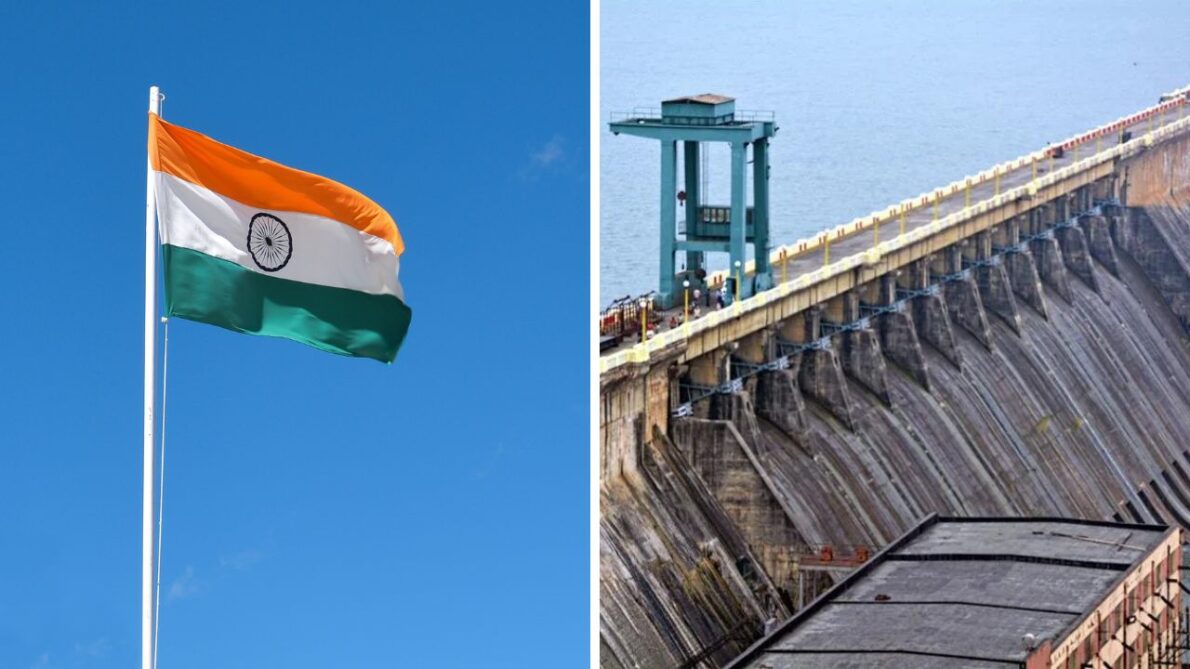

The Bold and Dangerous Construction in India: Hirakud Dam Faces Critical Risks and Challenges
The construction of the impressive Hirakud Dam in India is a milestone of global engineering. Located in the state of Odisha, this is the largest earth dam in the world, playing a vital role in water resource management, flood control, and power generation. However, recent assessments reveal serious problems, such as siltation and lack of maintenance, which threaten its integrity and safety.
Situated between the hills of Lxm Dugri and Chandel Dungu, approximately 100 km north of Sambalpur, India, the Hirakud Dam spans an impressive 25.8 km. This monumental construction was designed to contain the waters of the Mahanadi River, creating a reservoir that covers an area of 743 km², with a perimeter of 639 km. Since its inauguration in 1957, the dam has been essential for flood control, irrigation of agricultural land, and hydroelectric power generation.
Construction of the Hirakud Dam
The construction of Hirakud was driven by an ambitious vision to transform the Odisha region. In March 1946, the cornerstone was laid by Sir H. Lewis, the governor at the time, marking the beginning of one of India’s first major multipurpose projects post-independence. The dam was completed ahead of schedule, being formally inaugurated on January 13, 1957. The total cost of the project, in updated values, was around 66 million reais.
-
EPS duplex house is ready in up to 5 days without conventional pillars and beams: fair in Espírito Santo showcases sand made from mining waste, a 250 m² modular house assembled in 15 days, and technologies that can change the time, cost, and waste on construction sites.

-
Dubai will invest US$ 22 billion in sewage tunnels up to 90 meters deep, replacing pumps with gravity and replacing more than 100 old stations, in an attempt to save a city of skyscrapers, artificial islands, and rapid growth from an underground problem that has already overflowed into the streets.

-
The history of the Hercílio Luz Bridge involves controversies, love, and renewal: From its iconic construction to its reopening, it is a symbol of Santa Catarina.
-
On the world’s highest navigable lake, the Uros people have hand-built around 100 floating straw islands, living on them for 3,000 years without concrete or foundations.


The multifunctional role of the dam is evident in the vast network of channels it manages, including the Bargath Main Canal, the Sason Canal, and the Sambalpur Canal. These channels are crucial for the distribution of water for agriculture and industry, highlighting the importance of the construction to the regional economy. The dam also hosts a hydroelectric complex with an installed capacity of 347.5 MW, generated by two powerhouses located along the river.
RELATED: The Only Nuclear Cargo Ship in the World Still in Operation is Russian and Built in the 1980s
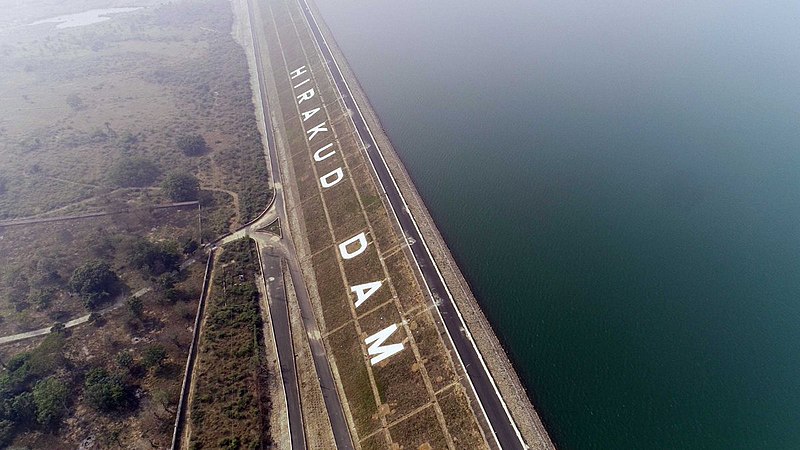
The Structural Integrity of the Dam is at Risk
However, environmental impact and maintenance challenges are becoming increasingly evident. Siltation, which has already reduced reservoir capacity by 24%, jeopardizes both flood control and power generation. The structural integrity of the dam is at risk due to delays in inspections and maintenance. Experts warn that, without urgent interventions, the Hirakud construction could become a threat to the safety of the communities living downstream.
Submersion of More than 200 Temples
The risks of a potential structural failure raise fears of a disaster of significant proportions, comparable to the largest environmental disasters on record. The submersion of more than 200 historical temples during the rainy season, followed by their reemergence during the dry season, adds an element of cultural and tourism complexity to the challenge of managing this colossus.
India Has Already Launched Plans
The future of the Hirakud Dam is directly linked to its ability to address these structural and environmental challenges. India has already initiated plans to implement advanced monitoring and maintenance technologies in an effort to ensure the safety and functionality of the dam. However, concern remains high, with experts and the local population demanding more transparency and effective actions to prevent a tragedy.
This construction in India is not just an engineering landmark but also a symbol of the complex challenges of managing large water infrastructures in a world facing rapid climate and environmental changes. The success or failure of the Hirakud Dam could serve as a crucial case study on the importance of balancing economic development, environmental preservation, and community safety.
If you can, I would like to know what you thought of this news and if there is anything you would like to adjust or delve into? Your comments are always welcome!