





 Português
  Inglês
  Espanhol
  3 min de leitura
  0 comentários


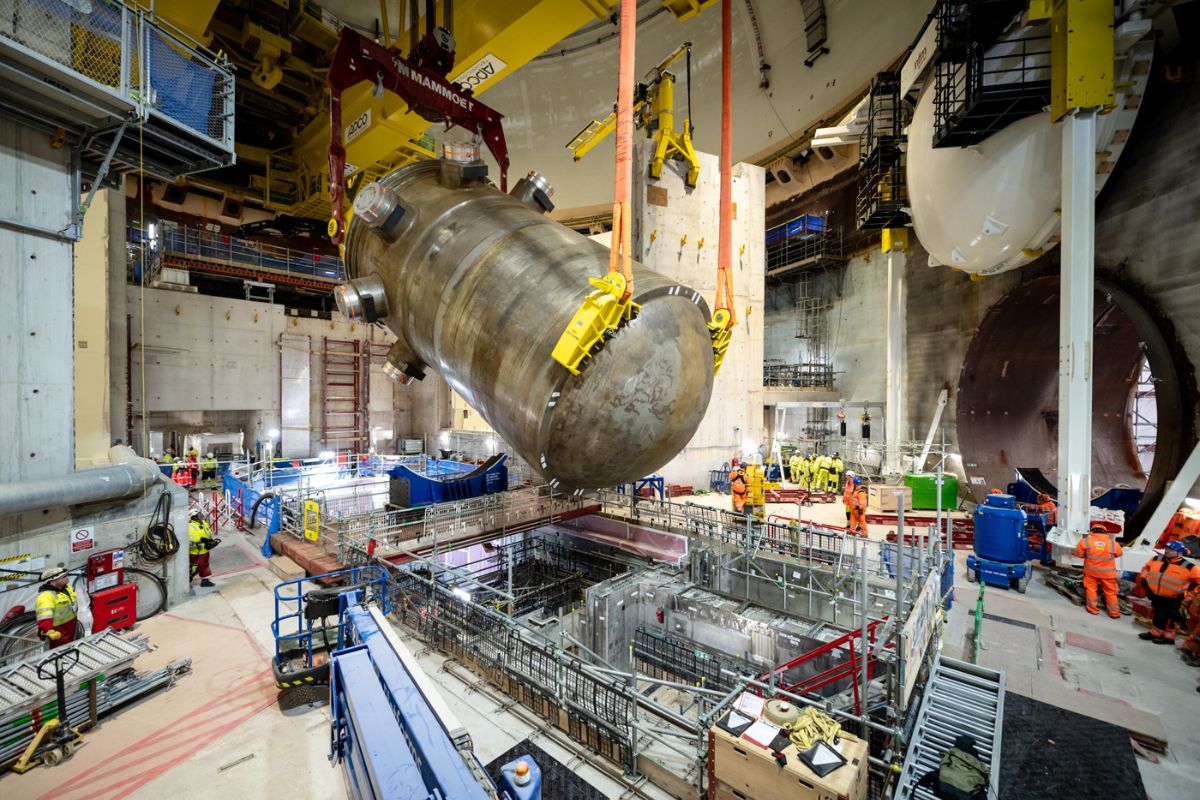
Know the Reactor Pressure Vessel, the Most Critical and Robust Component of a Plant Like Angra, Designed to Withstand Decades of Radiation and Extreme Conditions.
In a PWR nuclear plant, like those in Angra, Rio de Janeiro, there is a component that is considered its “steel heart”: the Reactor Pressure Vessel (RPV, in English). This colossal structure, which can weigh over 500 tons, has the critical function of housing the reactor core, where nuclear reactions occur.
It is designed to be the plant’s most important safety barrier, withstanding for decades a pressure 150 times greater than the atmosphere and extremely high temperatures. The integrity and longevity of this component are so fundamental that they determine the lifespan of the entire nuclear plant.
What Is the Reactor Pressure Vessel and Why Is It Unreplaceable?
The Reactor Pressure Vessel is the structure that contains the nuclear fuel and all internal components that control the fission reaction. Its primary function is to be the first and most robust physical barrier against the release of any radioactive material.
-
The world’s first octopus farm wants to open in the Canary Islands and is already provoking an international reaction: the plan aims to produce 3,000 tons per year.

-
Drought may be creating stronger superbugs in the soil and helping antibiotic resistance reach hospitals, warns a study highlighting a problem that could grow alongside extreme weather.

-
The biggest scam in history: Napoleon’s France deceived the United States by selling them a territory that was Spanish.

-
Why is the Danakil Desert so dangerous? It has unstable terrain and how extreme temperatures and toxic gases turn the region into one of the most hostile environments on Earth.


For this reason, it is considered the only main component of a plant that cannot be replaced. Its design and manufacturing follow the highest engineering and quality standards, as a failure in its structure could have catastrophic consequences. It not only contains the core but also supports and guides the control rods and directs the flow of water that cools the system.
Extreme Conditions, Operating at 343°C Under Colossal Pressure
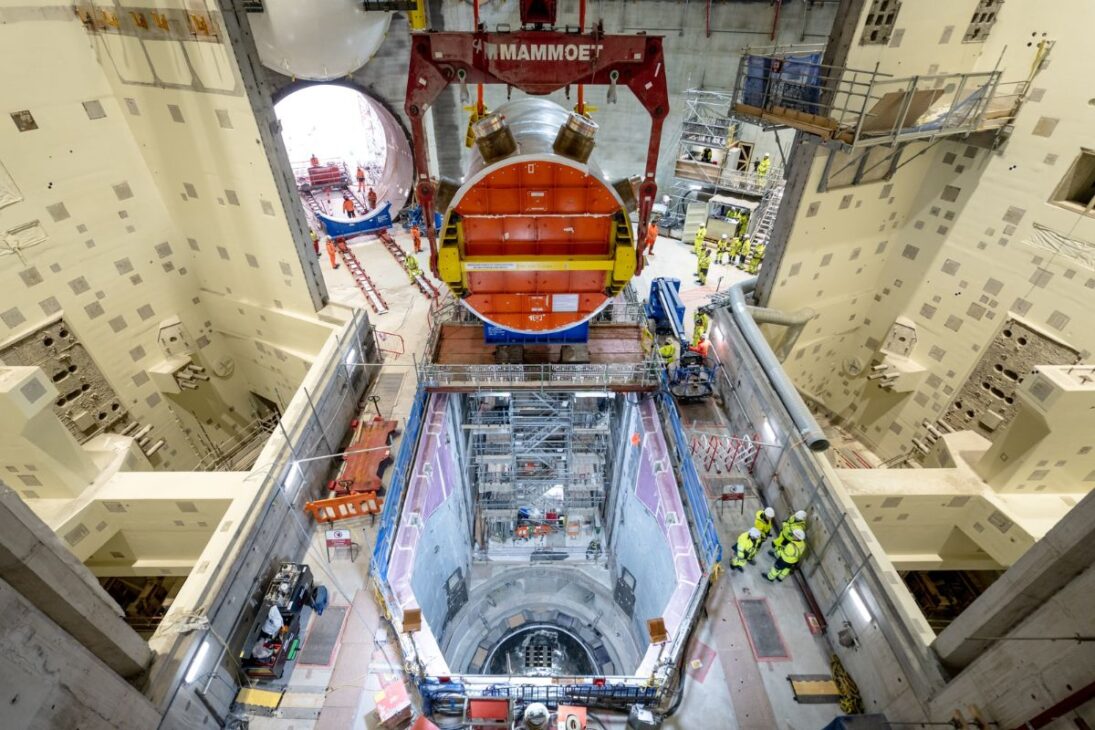
The environment inside a Reactor Pressure Vessel is one of the most extreme man-made conditions. To keep the water in a liquid state and prevent it from boiling, the system operates under a pressure that ranges from 150 to 170 bar. This is approximately 150 to 170 times the atmospheric pressure we feel at sea level.
Temperatures are also extremely high, ranging from 290°C to 343°C. To withstand these conditions, the vessel is a monumental structure: it can be up to 14 meters tall, 5.5 meters in diameter, and weigh over 600 tons, depending on the plant’s power.
The Construction of a Giant, from Low-Alloy Steel to Stainless Coating
Manufacturing a Reactor Pressure Vessel is a meticulous process. The main body is made of low-alloy, high-strength steel, usually a molybdenum manganese alloy, chosen for its robustness and ability to withstand pressure.
To resist corrosion, which is accelerated by high temperature and radiation, all internal surfaces of the vessel are coated with stainless steel. The manufacturing process involves forging seamless steel rings, which are then welded with extreme precision. Each step is inspected with rigorous non-destructive tests to ensure maximum integrity.
Radiation Embrittlement and Engineering Solutions
Even with all this robustness, the Reactor Pressure Vessel undergoes invisible wear over the decades. Continuous exposure to neutron radiation causes a phenomenon called “embrittlement”, which makes the steel less ductile.
To ensure safety and extend the vessel’s lifespan, engineers use various strategies. One of the most effective is annealing, a heat treatment that heats the vessel to restore the metal’s properties. This process, along with constant monitoring, allows a reactor to operate safely for much longer.
The Technology in Operation in Brazil with Plans for 60 Years
In Brazil, we have practical examples of this technology in the Angra I and Angra II plants. Both operate with PWR-type reactors and, therefore, have a Reactor Pressure Vessel as their central component. Angra I began commercial operation in 1985, and Angra II in 2001.
Initially, both plants were designed for a 40-year lifespan. However, thanks to the robustness of the design and the rigorous monitoring of component integrity, there are plans underway to extend the operation of Angra for another 20 years, reaching a total of 60 years of service. This demonstrates the reliability and safety of this impressive piece of engineering.







-

-

-

-

-

-

40 pessoas reagiram a isso.