





 English
  Francês
  Alemão
  Italiano
  Japonês
  Norueguês
  Portuguese
  Spanish
  3 min of reading
  1 comment


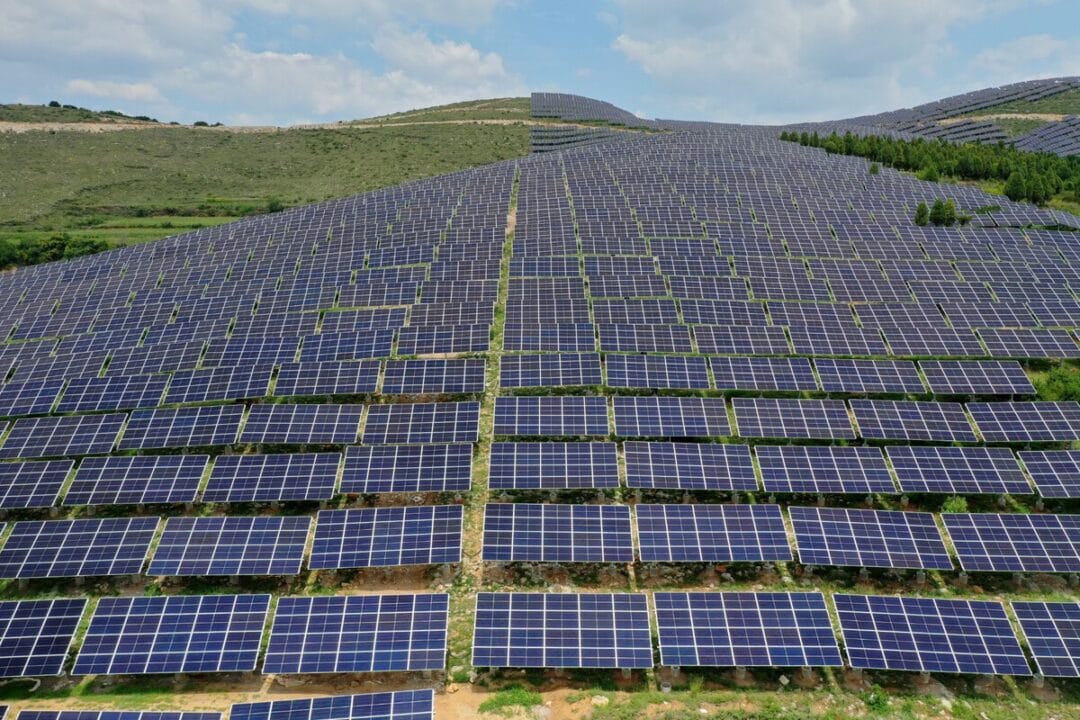

Solar Energy Market: China Uses Loss Leader Strategy to Lead. Learn More About the Impacts of This Practice and the Crisis Faced by Manufacturers
China has managed to make the entire world dependent on its solar energy panels with a simple formula: government support, constant improvement of technology, and prices so low that they end up disrupting the market. There is just one problem: its manufacturers are losing money on a large scale.
Crisis in the Chinese solar sector. Most Chinese photovoltaic module manufacturers are struggling to achieve profits. Half of them are having difficulty containing their enormous losses and are resorting to their “war funds”.
The root of the problem lies in market prices: many solar panels are sold at cost or even at prices below production costs, a situation facilitated by the huge oversupply in the industry.
-
Renewable energy advances over protected areas in Brazil, and a survey by the Energy Transition Observatory reveals silent impacts that challenge environmental conservation and pressure sensitive traditional territories.

-
Rio Grande do Sul accelerates energy transition: State invests in renewable technologies and consolidates decarbonization strategies and pathways to attract billions in new industrial investments.

-
With 160,000 m² of collectors, an area larger than 20 football fields, Silkeborg, in Denmark, hosts a solar thermal plant that heats 19,500 homes and could become the largest solar heating plant in the world.

-
A study reveals the expansion of renewable energy procurement in Brazil and shows how companies are taking advantage of opportunities to reduce expenses, ensure energy efficiency, and strengthen strategic environmental commitments.


The production capacity of the Chinese solar sector has doubled in three years. There are too many manufacturers just when installations are declining, especially for older P-type panels.
Half of the manufacturers are selling at a loss. According to a report from Bloomberg, negative margins are accumulating throughout the solar industry’s supply chain, and most companies are already losing money.
Chinese manufacturers have funds to withstand these losses for a while, but more than half reported negative revenues before financial expenses (EBITDA) during the first quarter of 2024:
- First Solar (U.S.): $243.1 million
- Trina (China): $132.2 million
- Jinko (China): $73.2 million
- Canadian Solar (China): $49.1 million
- DAQO (China): $30.5 million
- GCL System (China): $14.2 million
- Aiko (China): $1.6 million
- Akcome (China): -$24 million
- Eging (China): -$27.2 million
- Risen (China): -$34.8 million
- Tongwei (China): -$38.7 million
- TCL Zhonghuan (China): -$78 million
- JA Solar (China): -$96.3 million
- Longi (China): -$437.1 million
GCL Seeks Help from the Chinese Government. GCL Technology — the second largest solar energy company in China and one of the largest companies in the global energy sector — has requested state support to face the crisis.
GCL, which manufactures more efficient N-type panels, has not only been harmed by the oversupply but also by declining exports. Increases in tariffs in the United States and investigations by the European Union into alleged unfair subsidies from Beijing have worsened the global position of major photovoltaic companies.
Weathering the Storm. The Chinese government appears clear on how to tackle the crisis: by funding new domestic solar installations and reducing industry rates to alleviate the oversupply.
Beijing is determined to prevent the industry from shrinking at all costs. The crisis has already forced manufacturers like Longi to close production lines and reduce their workforce, but the future looks promising for the industry.
China plans to build over 1000 GW in N-type cell capacity as the world meets its net zero emissions commitments. The manufacturing capacity of the Chinese industry is 17 times larger than the rest of the world and could lead to a new market increase by 2025.
The bet is risky because it is unclear how long these struggling companies can hold out, but if there is a country capable of absorbing the losses, it is this one. China leads 80% of the photovoltaic sector and, although rivals are growing, they still rely on silicon and other Chinese components.
Image | Longi










“ah, mas a taxa a china ta tendo prejuízo com a venda de painéis solares”. Pois é, pq o objetivo não é lucro e sim a transição energética e maior independência de combustíveis fósseis.