





 Portuguese
  English
  Spanish
  3 min of reading
  28 comments


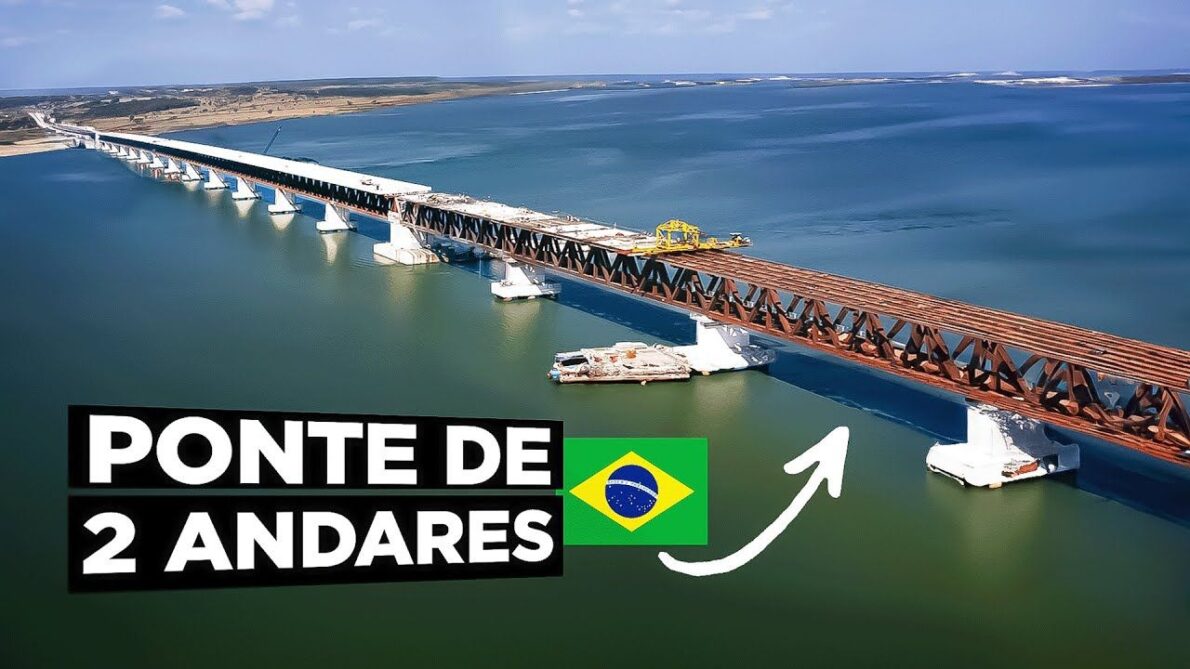


Construction of the Rodoferroviária Bridge over the Paraná River Revolutionizes Transport Between States
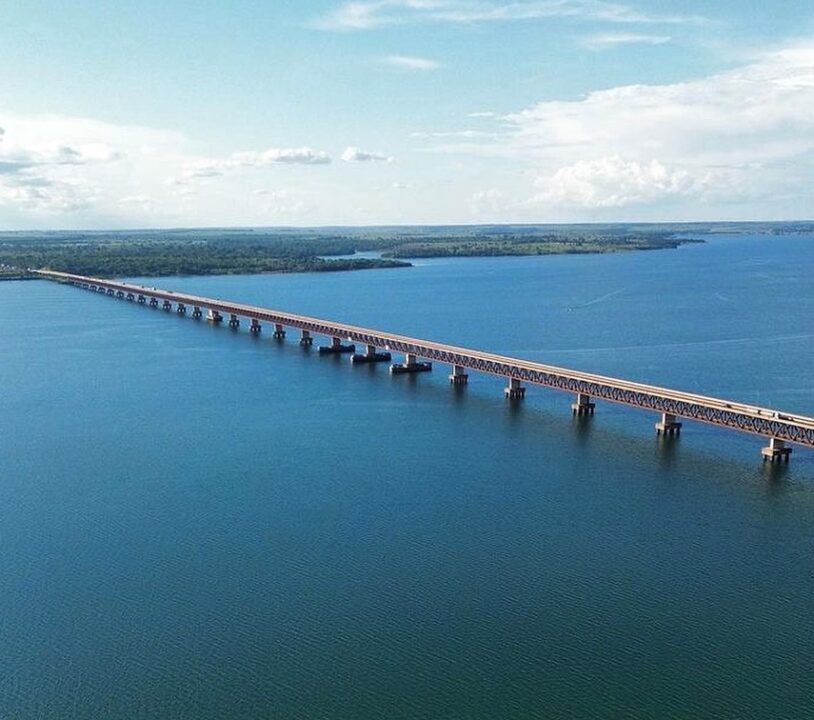
If you think you have seen great engineering works, wait until you learn about the construction of the Rodoferroviária Bridge over the Paraná River, a monumental feat that seems to have come straight out of an epic tale! Located between the states of São Paulo and Mato Grosso do Sul, approximately 70 km upstream from the Ilha Solteira hydroelectric plant, this bridge is not just a physical connection but a symbol of innovation and determination.
The Rodoferroviária Bridge over the Paraná River, officially named the Rollemberg-Vuolo Rodoferroviária Bridge, honors two important figures: former congressman Roberto Rollemberg, who lends his name to the road section, and former senator Vicente Vuolo, who names the rail section. Both played fundamental roles in the construction of this work, joining forces to realize a project dreamed of since the early 20th century.
Construction of the Rodoferroviária Bridge over the Paraná River
The idea for the bridge’s construction emerged in 1901, with engineer Euclides da Cunha advocating for a solution to connect the regions. However, it was only in 1975 that federal deputy Vicente Vuolo presented a bill to include the rail connection between São Paulo and Cuiabá, which was approved by Congress as Law No. 6,346.
-
Made from recycled plastic, plastic wood is gaining space in the construction industry because it does not rot, resists moisture, and reduces maintenance costs over the years.

-
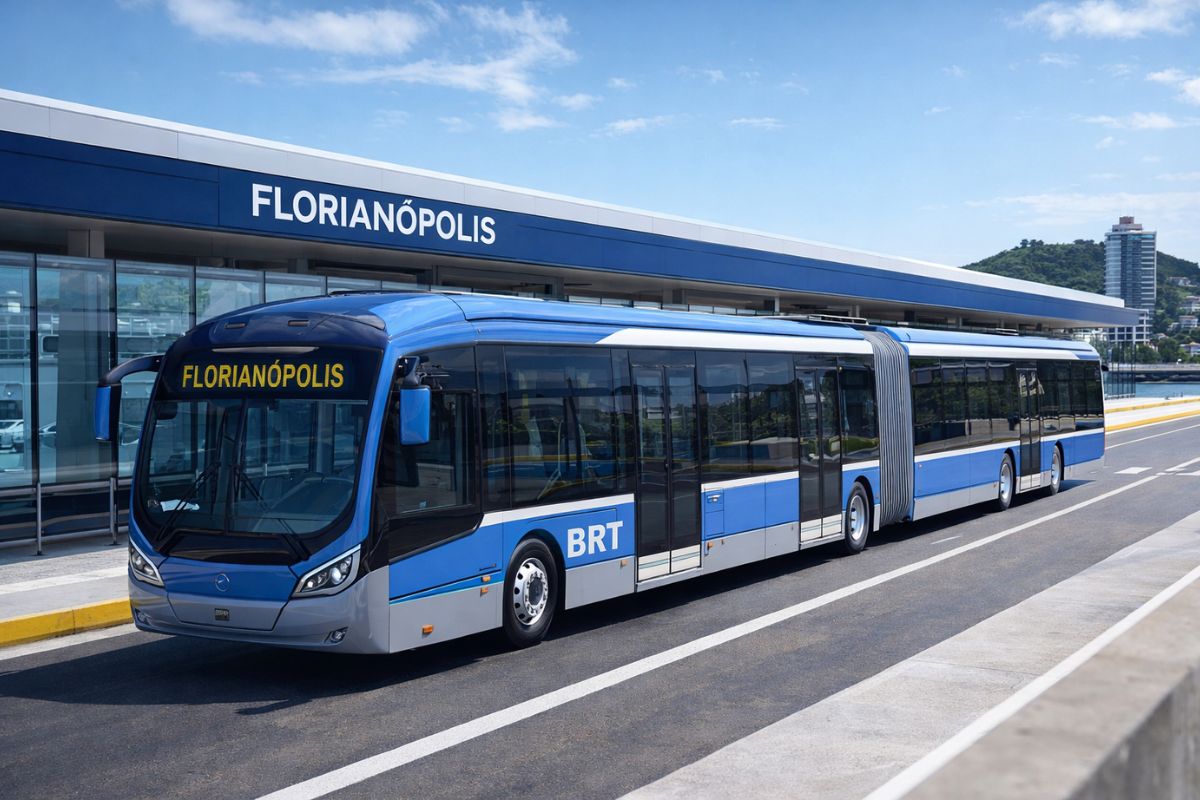
Florianópolis will receive a million-dollar BRT that will begin construction in 2026 with nearly 400 million in funding from the federal government and the Inter-American Development Bank, and the map already shows the routes for the exclusive bus corridors.
-
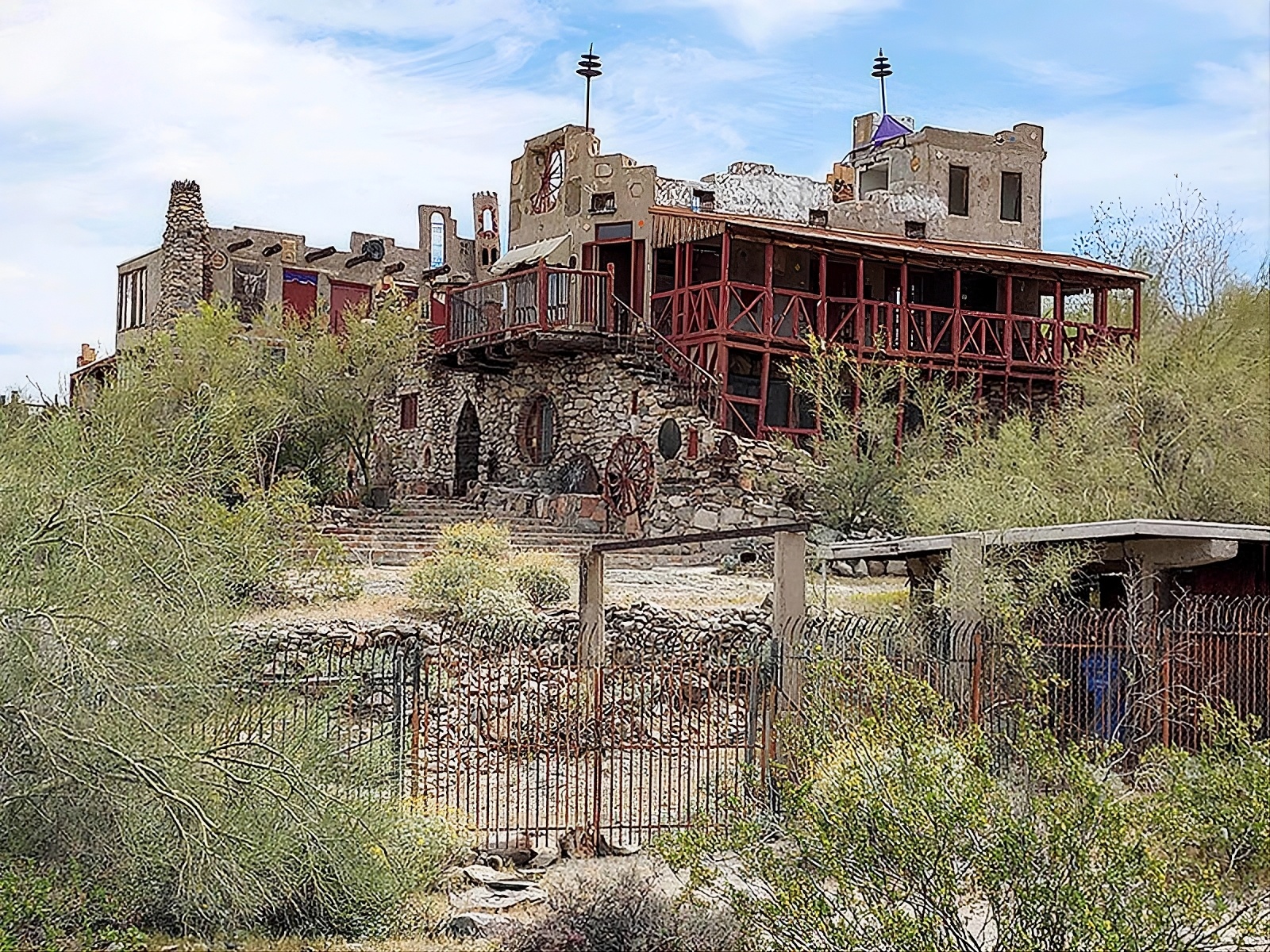
Without a blueprint, without an engineer, and using scrap from the dump, a father spends 15 years building an 18-room castle for his daughter, featuring tram tracks, 13 fireplaces, and over 700 m², which may now be demolished.
-
A megaproject worth R$ 89 billion is advancing in Iraq and promises to change the game in global trade by creating a new corridor between Asia and Europe, reducing traditional routes and repositioning the country as a logistics powerhouse.
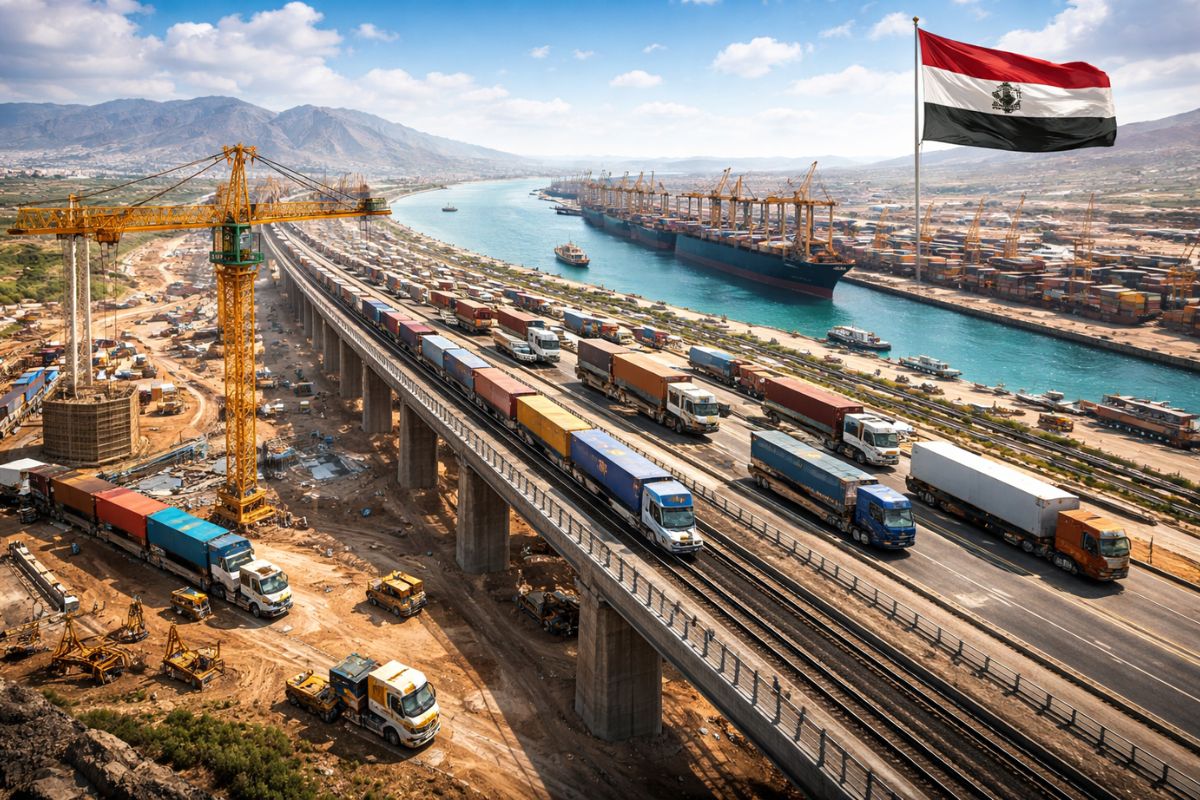

The construction of the Rodoferroviária Bridge over the Paraná River effectively began in 1989, after Ferronorte won the bidding to build and operate the rail section for 90 years. The work is pioneering in Brazil for overlapping road and rail systems, featuring a main metal structure of 2,600 meters, divided into 26 modules of 100 meters manufactured in Ipatinga, Minas Gerais.
Foundation Required the Use of Piles Reaching 55 Meters Deep
The logistics for transporting these modules to the site was a challenge in itself. The technical team faced adverse conditions such as winds of up to 150 km/h, currents of 3 km/h, and waves 2 meters high. The foundation required the use of piles reaching 55 meters deep, consuming about 64,000 cubic meters of concrete.
To expedite the construction, an innovative platform was designed in the Netherlands to assist with drilling and concreting the foundations. The care taken with the corrosion of the metal structure led to the use of high-strength steel, totaling a consumption of 20,007 tons of steel.
Total Construction Cost Estimated at R$ 550 Million
Upon completion, the total construction cost was estimated at R$ 550 million. The bridge not only facilitates the transport of heavy goods—responsible for 10% of the national grain production to the Port of Santos—but also became a tourist attraction due to its architectural beauty and the stunning landscape surrounding it.
The Bridge Is 26 Meters High and 18 Meters Wide
The bridge is 26 meters high and 18 meters wide, featuring two concrete access viaducts of 720 and 450 meters. Its metal structure is formed by two parallel trusses, braced against each other. To ensure safety, load tests were conducted using locomotives and loaded trucks, proving that the construction performed as expected according to the structural designs.
In May 1998, the Rodoferroviária Bridge over the Paraná River was finally inaugurated, along with 110 km of railway line from Aparecida do Taboado to the Inocência terminal. Recently, the bridge underwent maintenance on its lighting, with the installation of 136 poles along its 3,600 meters and 54 nautical lights in the river section.
Construction of the Rodoferroviária Bridge over the Paraná River Was a True Puzzle


The construction of the Rodoferroviária Bridge over the Paraná River was a true puzzle, but thanks to the tireless effort of the entire team and the workers involved, this mega project brought significant progress to numerous municipalities. Unfortunately, there are few records or digital archives about this impressive work, but its legacy remains as a testament to the resilience and innovation of Brazilian engineering.
And you, what do you think about the impact of this bridge’s construction on regional development and national engineering? Share your opinion in the comments!









Que fantástica essa monumental engenharia para chegar está construção
Passo sempre por esta ponte a trabalho,sou maquinista de trem cargueiro e sempre levo as composições da RUMO para os Estados de MS e MT e confesso que o melhor momento da viagem é a passagem sobre a Ponte Rodoferroviária.
A região de Santa Fé do Sul, parou para essa inauguração. Grande orgulho para todos nós.