





 English
  Francês
  Alemão
  Italiano
  Japonês
  Norueguês
  Portuguese
  Spanish
 4 min of reading


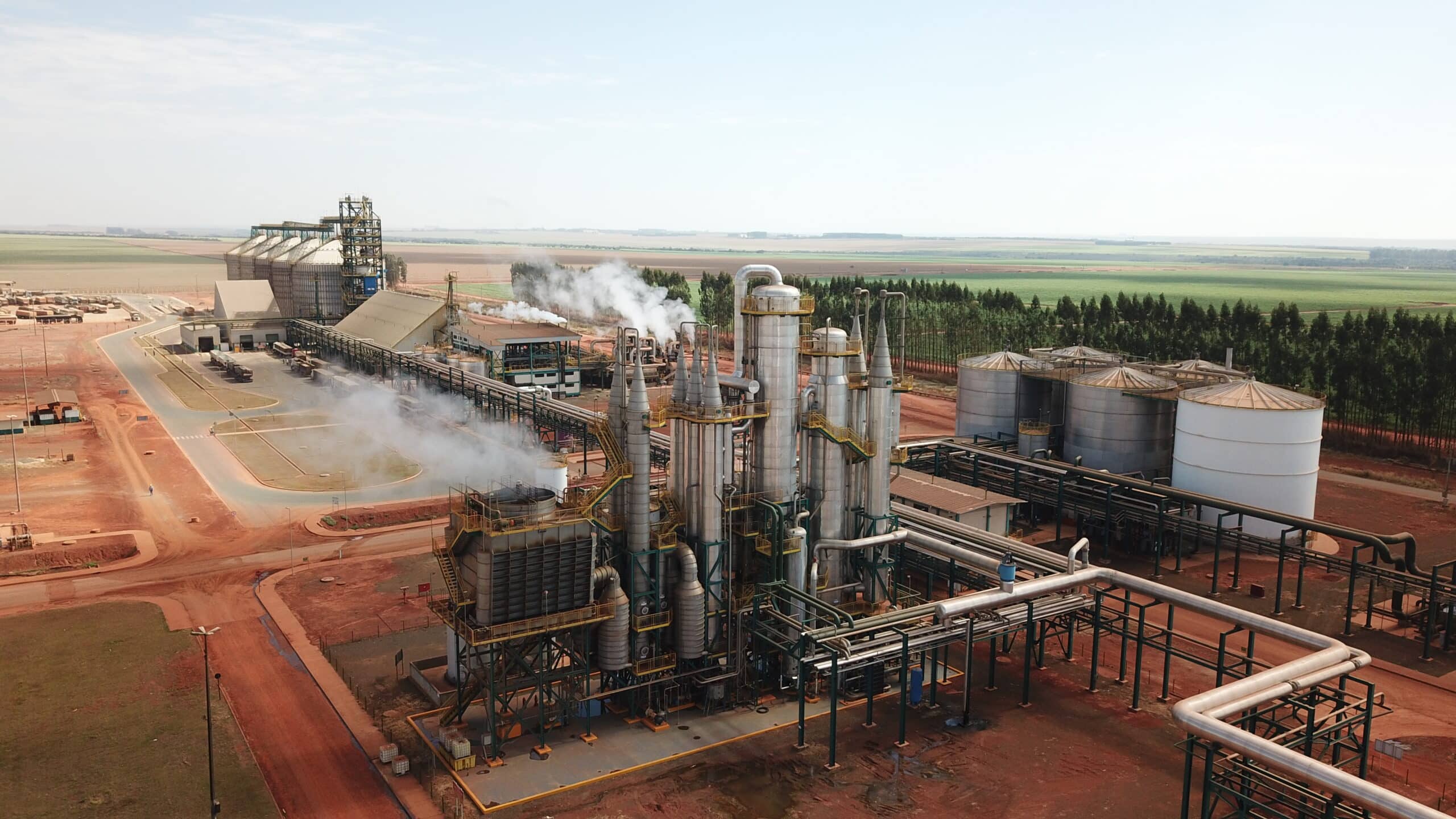
1500 Jobs Will Be Created During the Construction of the Ethanol Plant and 150 Permanent Jobs When the Noemille Industry Starts Operating.
On Wednesday (22), the Administrative Council of CerradinhoBio approved an investment of R$ 1.4 billion for the construction and working capital of the first phase of Neomille’s new corn ethanol plant (a subsidiary of CerradinhoBio) to be installed in Maracaju, in the southwest of the state of Mato Grosso do Sul.
Read Also
- Continental, the Most Important Multinational in the Tire and Automotive Parts Industry, Calls for Job Openings in Its Factories in SP, BA, and More
- Job Openings to Work at the Multinational Ambev, the Largest Brewery in the World, Today December 27
- Direct Sale of Ethanol from Plants Approved by the Senate Promises to Stimulate Competition and Curb the Increase in Gasoline Prices at Gas Stations
- The Highest Average Price of Ethanol and Gasoline Was Found at Gas Stations in Rio de Janeiro, with an Increase of Over 10% for the Biofuel
The factory will be built in two phases and, when operating at full capacity, will be able to process up to 1.2 million tons of corn per year, resulting in 550 million liters of ethanol, 330 thousand tons of DDGS (Dried Distillers Grains with Solubles), 105 GWh of energy, and 22 thousand tons of oil.
1500 Jobs Will Be Created for the Construction of the Plant and 150 Permanent Job Openings When the Factory Starts Operating
The construction of the first phase of the new plant will begin in March 2022, shortly after the completion of the Installation License, and production is expected to start in the second half of 2023. 1,500 jobs will be created during the construction period and 150 permanent jobs when the industry starts operating.
-
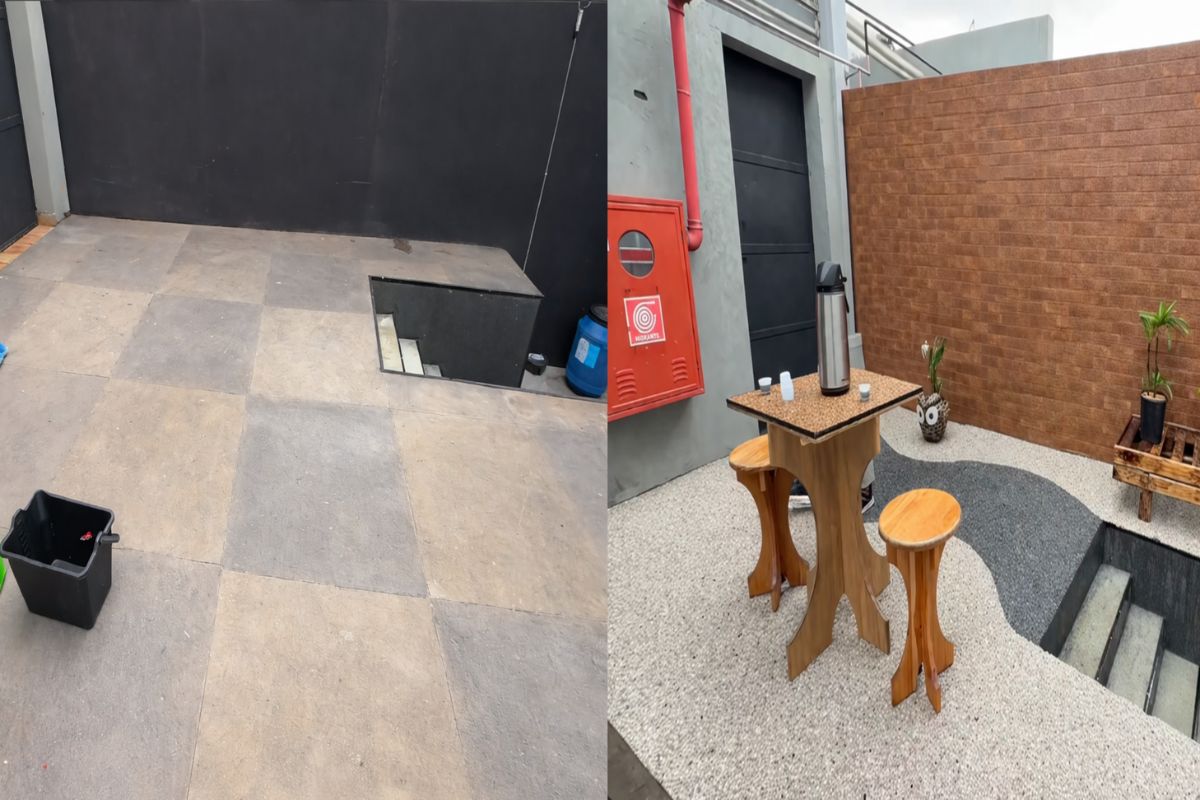
In just three hours, a natural stone floor transforms the entrance of the house with an organic effect, immediate drainage, and a sophisticated non-slip finish that doesn’t puddle water, dries quickly, and impresses with the final result.
-
Future profession with immediate earnings: Specialist reveals how a solar energy technician earns R$ 8,000 per month by taking advantage of the explosion in demand across the entire country.

-
Work from 8:30 AM to 5:30 PM with a 1-hour break at Sicredi as a Customer Service Assistant and receive a salary + benefits such as life insurance, dental plan, partnerships, Gympass, and much more in job openings across various states.

-
Subsea7 has job openings: the company has offshore and onshore positions available in 2026 for operators, pilots, supervisors, engineers, and much more.

According to Paulo Motta, CEO of CerradinhoBio, “the excellent performance of the two operating units – with consistent results in recent harvests – strengthens our expansion agenda and gives us the peace of mind and security necessary for this important step.”
Maracaju is the largest corn producer in the state of Mato Grosso do Sul and has favorable conditions for biomass acquisition and the marketing of co-products.
About CerradinhoBio
Operating in the biofuels and bioelectricity sector, CerradinhoBio has an industrial unit in Chapadão do Céu – GO. Considering the sugarcane and corn plants, CerradinhoBio has a milling capacity equivalent to 9 million tons of sugarcane and generates 3,800 jobs, both direct and indirect.
In the neighboring municipality of Chapadão do Sul – MS, the company maintains a rail terminal for the transshipment of its own ethanol production and that of third parties to the Paulínia region in São Paulo, the main distribution hub for fuel in Brazil. It belongs to the Cerradinho group, which has over 4 decades of experience in the sugar-energy sector.
Volkswagen, Bosch, Nissan, USP, and UNICAMP Study Technology with Ethanol and Realize the Dream of an Electric Car Running Without a Battery
Have you ever imagined if you could stop a car, refuel it with ethanol, extract the hydrogen, power the fuel cell, and make the car run electrically? Well, large multinationals Bosch, Nissan, and Volkswagen believe in the electrification of cars using ethanol and seek partnerships with major institutions like USP and UNICAMP, as well as deeper collaboration with ethanol producers, to make this dream a reality!
Brazil is the largest global producer of ethanol, and we have the biofuel available at all gas stations in Brazil. Therefore, you would only need to stop at a gas station, refuel with ethanol, extract the hydrogen, power the fuel cell, and make the car run electrically! This energy is truly clean!
In Brazil, we also have another advantage because most of our electricity, at the socket, comes from hydropower plants. These plants emit some carbon dioxide, but it is very little compared to the emissions from a diesel, coal, or any other fossil thermal plant.


Raízen Will Help Brazil Expand Ethanol Globally by Licensing Second-Generation Technology to Other Countries
Francis Queen, vice president of ethanol, sugar, and bioenergy at Raízen, stated that the company can license second-generation ethanol technology, or 2G, to other countries, “We need to have more producing countries, this is essential for ethanol to become a global commodity,” he said during the Fenasucro & Agrocana Trends event.
“We see it very positively that India increases ethanol production; we also want to see this in Thailand. We, at Raízen, are willing to provide technical assistance. We are even discussing licensing 2G ethanol technology to other countries.” The 2G is produced from by-products or co-products of the conventional biofuel production process.
At the same event, the director of Biofuels at the Ministry of Mines and Energy, Pietro Mendes, was present, stating that the government is working to expand ethanol globally both in terms of public policies and with the private sector. “It is important for other governments to understand how Brazil developed a public policy for ethanol and how the regulations work. But this also does not work without the private sector,” he said.








Seja o primeiro a reagir!