





 Portuguese
  English
  Spanish
 3 min of reading
  0 comments


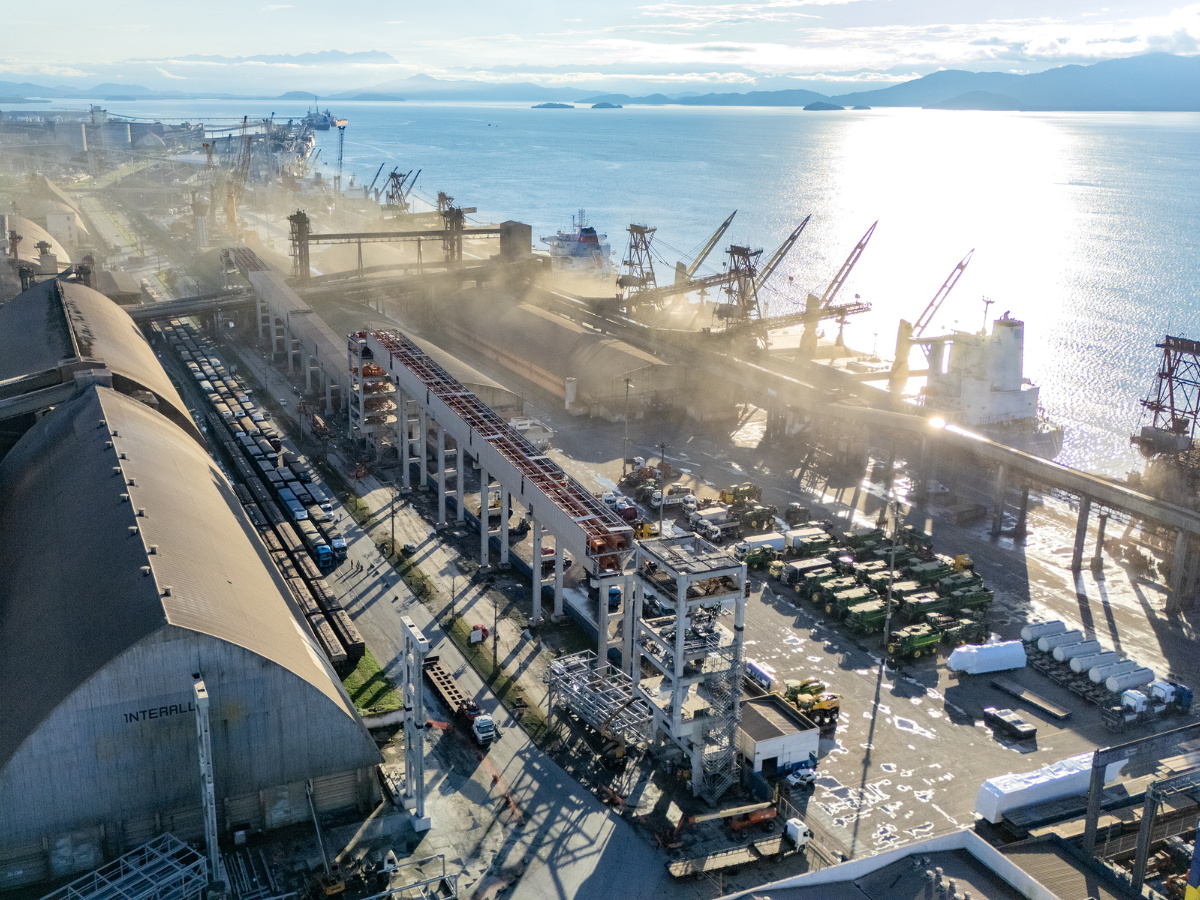
Moegão Works at the Port of Paranaguá Advance and Reach 52.5% Completion. Equipment Will Expand the Logistics and Railway Capacity of the Terminal, with Delivery Expected in 2025.
The Moegão works, considered the largest public port project underway in Brazil, have reached 52.5% completion, according to Portos do Paraná. With a total investment exceeding R$ 650 million, the megaproject promises to transform the operation of the Port of Paranaguá, significantly expanding its logistics capacity and optimizing the flow of grains by rail. The expected delivery of the work is December 2025, with operations estimated to begin in 2026.
Moegão Will Be a Game Changer for the Port of Paranaguá
The structure of Moegão is being built to integrate 11 port terminals through aerial galleries and conveyor belt systems, eliminating the need for individual unloadings at the terminals.
As a result, daily movement, which is currently limited to 550 railcars, will accommodate up to 900 railcars per day.
-
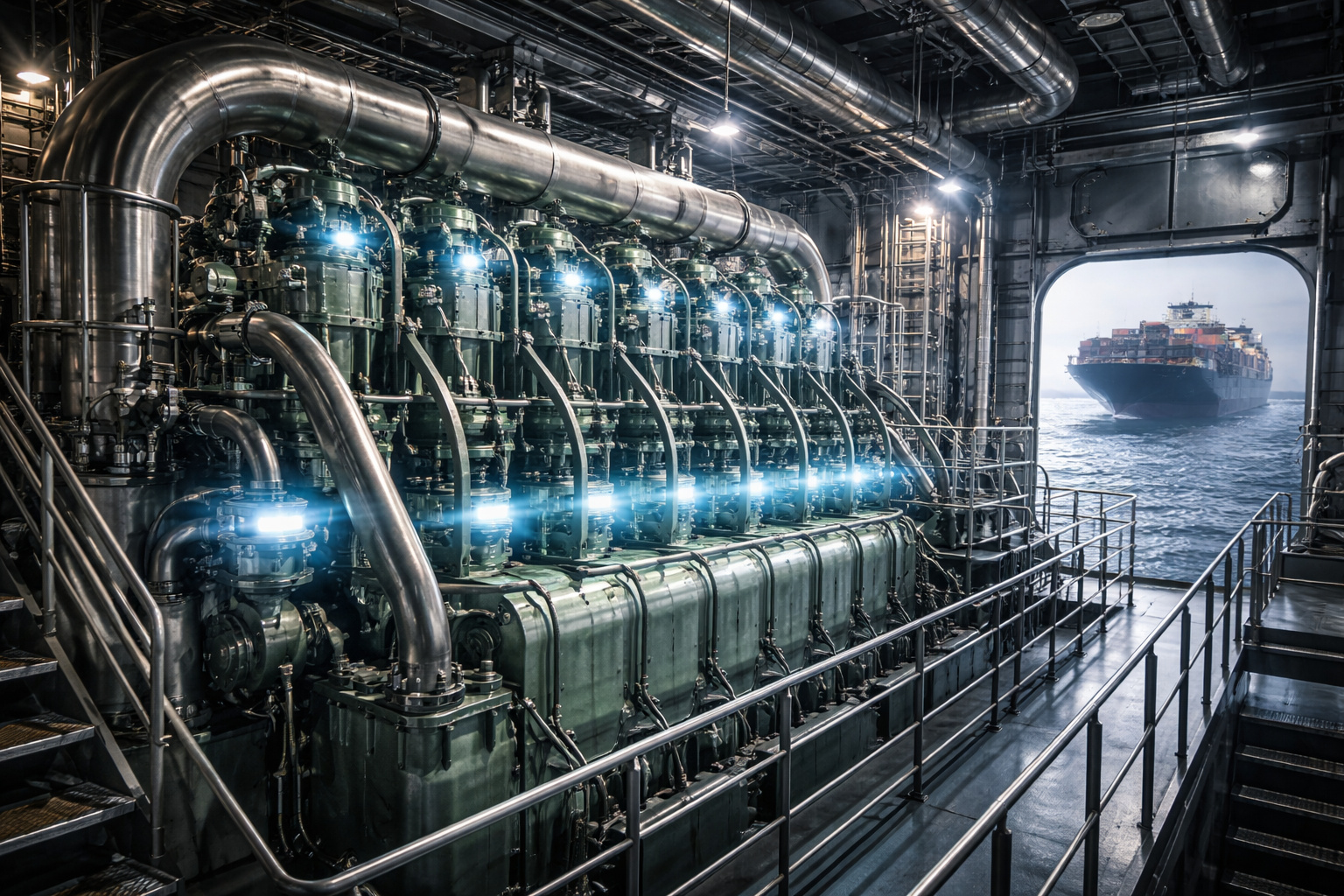
Europe is trying to create an ammonia-powered marine engine without auxiliary fuel, which could unlock the race for giant emission-free ships. The technology aims to eliminate one of the biggest obstacles to clean maritime propulsion.
-
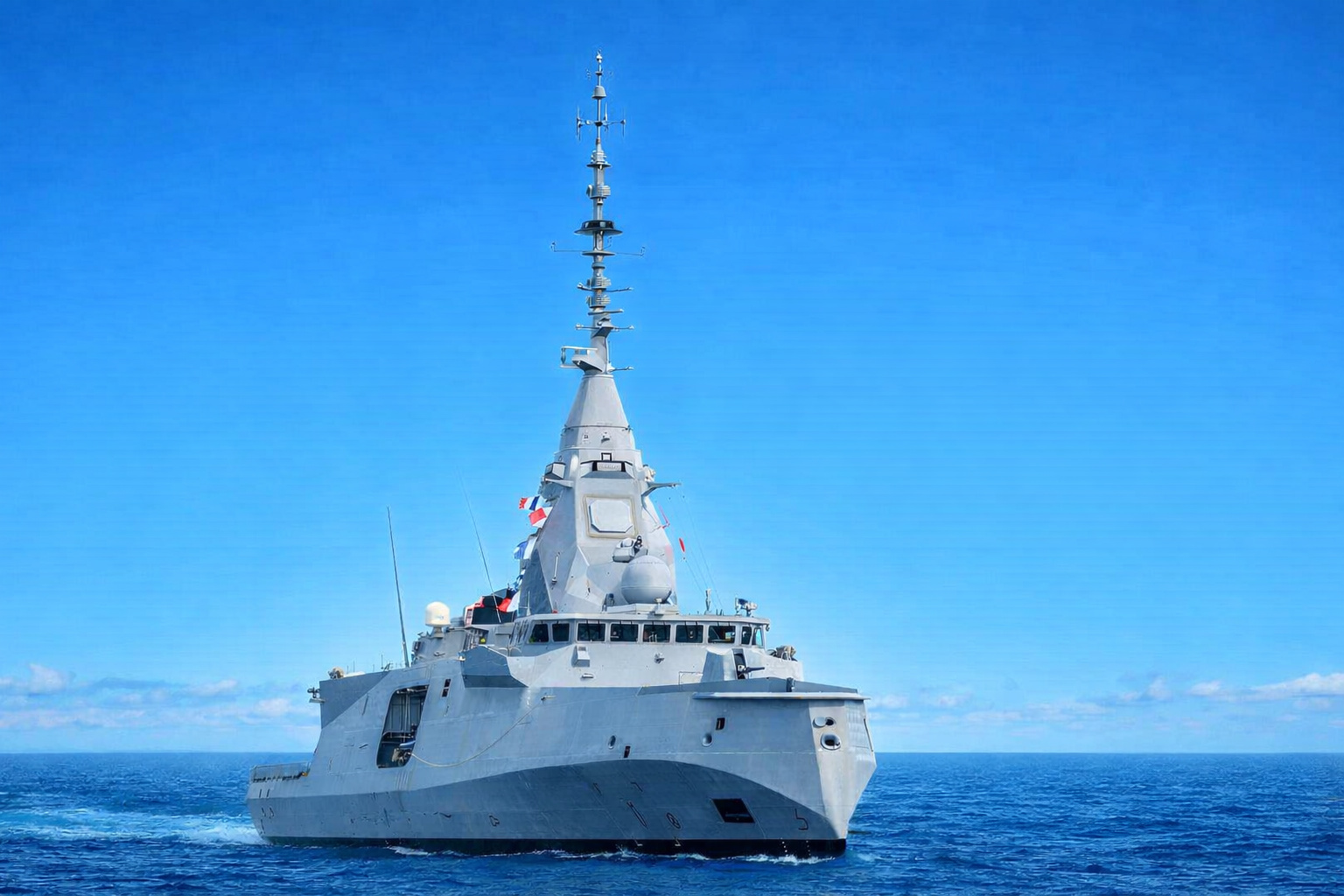
A 4,500-ton frigate with just over 100 crew members, state-of-the-art radar, and cruise missiles is being touted as the new standard of naval warfare in the 21st century.
-
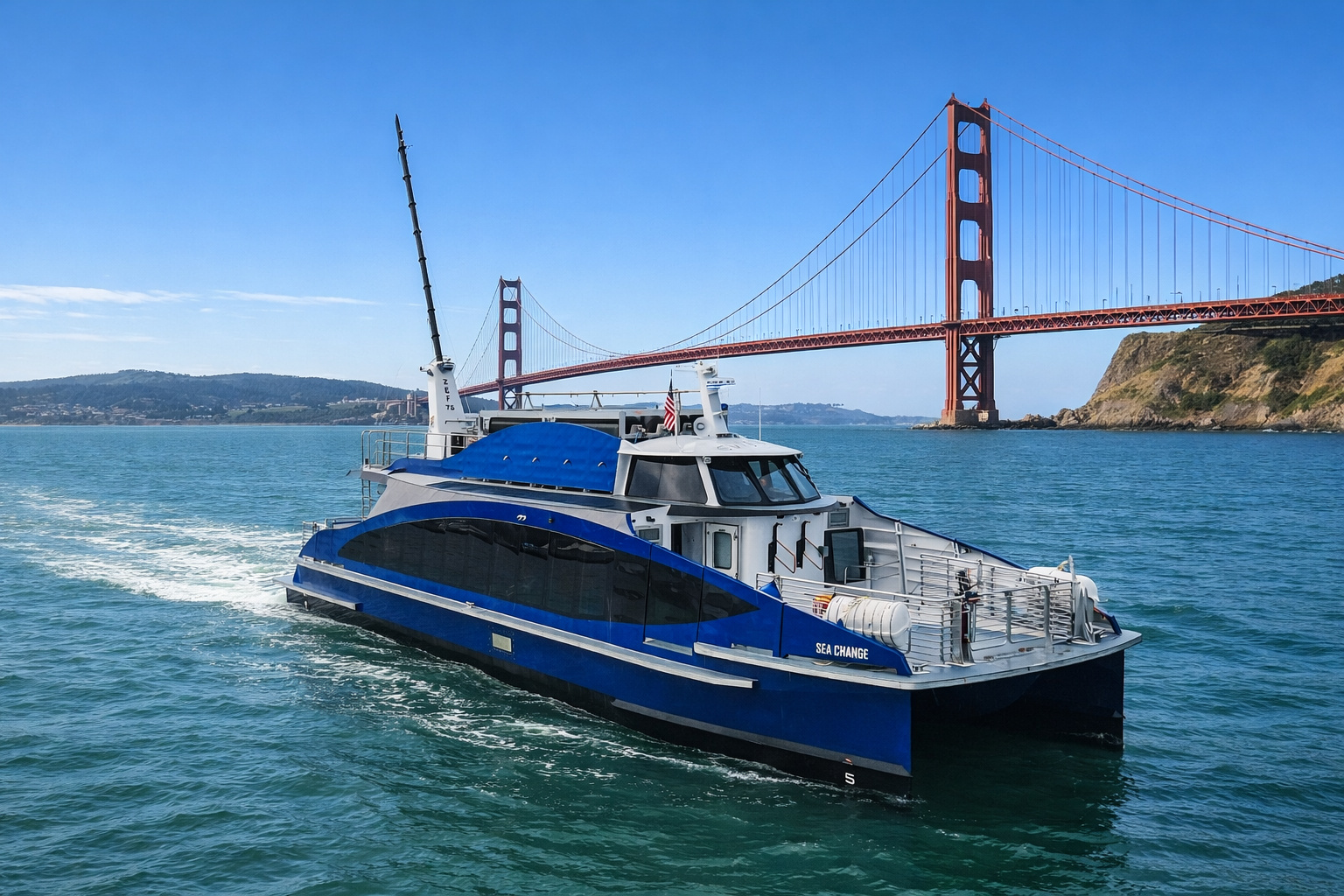
The first commercial hydrogen-powered ferry enters operation in the U.S., eliminates the use of diesel, uses fuel cells to generate clean energy on board, and transforms San Francisco Bay into a landmark of the new era of emission-free navigation.
-
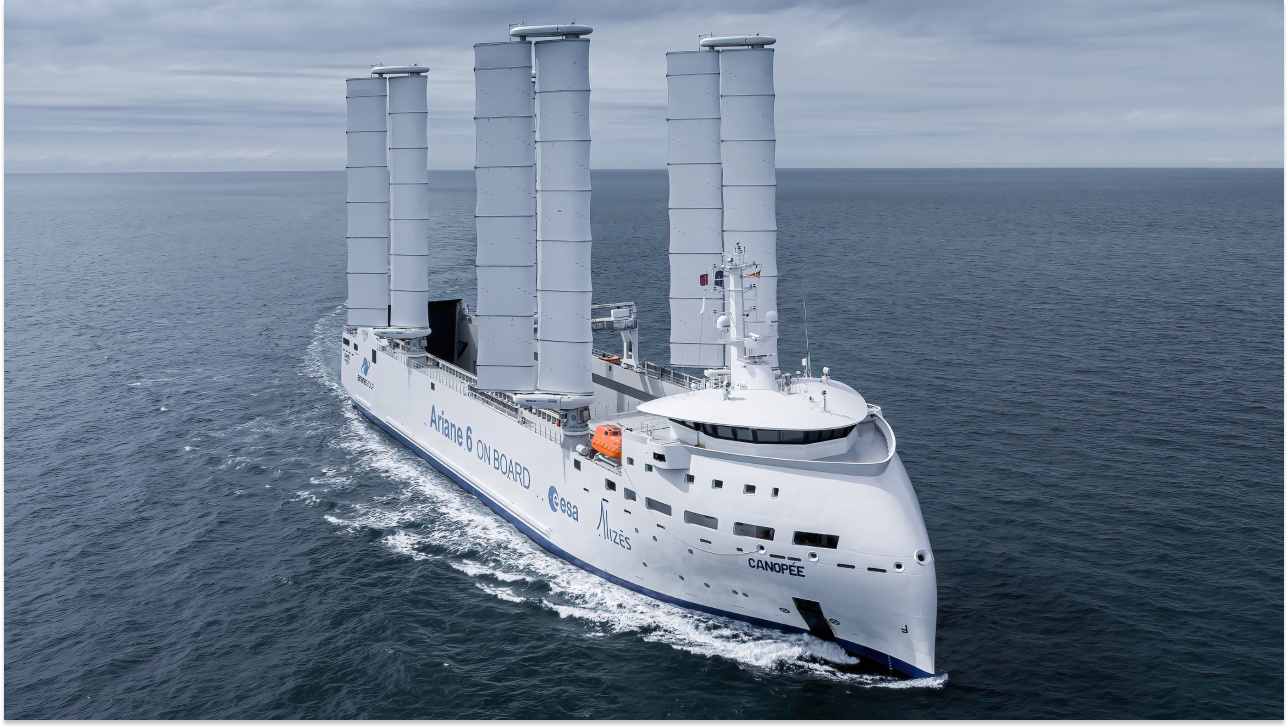
With a length of 121 meters and four rigid sails of 36 meters that automatically rotate to capture the wind, Canopée is the world’s first hybrid industrial cargo ship powered by wind, used to transport rockets and reduce fuel consumption by up to 30% on transoceanic routes.

This centralization will bring significant gains in time, productivity, and reduction of railway maneuvers in the urban area.
The president of Portos do Paraná, Luiz Fernando Garcia, highlighted the strategic importance of the project:
“We are investing in a revolutionary project in grain transport by rail, which will increase the productivity of Paraná ports.”
Reduction of Urban Impact and Increase in Efficiency
One of the main differentiators of Moegão is its ability to reduce railway crossings within the city of Paranaguá.
Currently, there are 16 intersection points; with the project’s completion, this number will drop to just five. This represents a gain in urban mobility and road safety for the local population.
Additionally, since trains will no longer need to access the terminals individually, railway maneuvers will be minimized, speeding up the flow of entry and exit of trains and optimizing the entire transport chain.
How Will Moegão Function?
The operation of Moegão will be based on a highly efficient logistical system. The structure will feature three independent railway lines, capable of simultaneously receiving up to 180 railcars.
Goods, such as grains and meals, will fall by gravity into underground hoppers and will be transported by elevating belts to the aerial galleries, which will distribute them to the terminals.
According to Victor Kengo, Director of Engineering and Maintenance at Portos do Paraná:
“The belts will transport connecting the terminals to the port area. There will be 1.7 km of conveyor galleries.”
Each gallery will feature three belts, with individual capacity to move up to 2,000 tons per hour. The modularity of the construction ensures agility in execution and efficiency in operation.
Robust Investment and Strategic Financing
The Moegão project includes a direct investment of R$ 592 million in the construction of hoppers and transport systems, in addition to R$ 61 million allocated to road and railway access infrastructure.
The financing is carried out with the own resources of Portos do Paraná and support from BNDES, demonstrating the state’s commitment to strengthening port logistics.
According to the Secretary of Infrastructure and Logistics, Sandro Alex:
“The works on Moegão are advancing at maximum speed and will bring benefits not only to the companies operating at the Port of Paranaguá but to the entire state’s economy.”
With Moegão, the Port of Paranaguá positions itself as one of Brazil’s main logistics hubs for the export of grains, meals, and other agricultural products.
The new structure will increase the competitiveness of the port and is expected to further boost the growth of Paraná’s exports.








-

Uma pessoa reagiu a isso.