





 Portuguese
  English
  Spanish
 2 min of reading


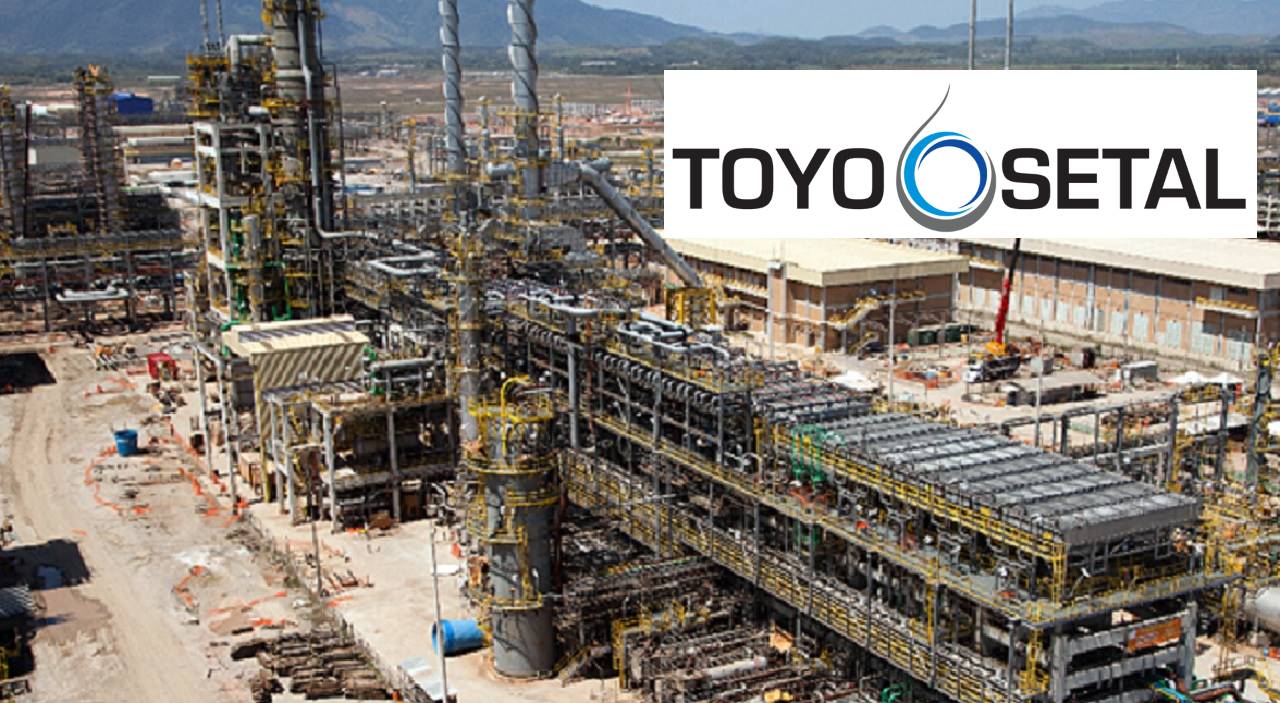
With Construction Stopped Since 2022, Itaboraí Will Now Hire Workforce to Complete the Project Under Petrobras’ Command
Over the weekend, Petrobras announced that Toyo Setal would be the company responsible for completing the renovations of the Gaslub Hub of the Itaboraí Natural Gas Processing Unit (UPGN), previously known as Comperj. Both companies signed the agreement between them.
The termination of the Kerui-Método consortium contract in June 2022 effectively froze the construction of the project. But Lula said he would resume the works if re-elected in 2022.
Petrobras is racing against time to keep the UPGN project on track now that a new company is overseeing its construction. According to the company’s 2023-2027 Strategic Plan, the plant is expected to come online in 2024.
-
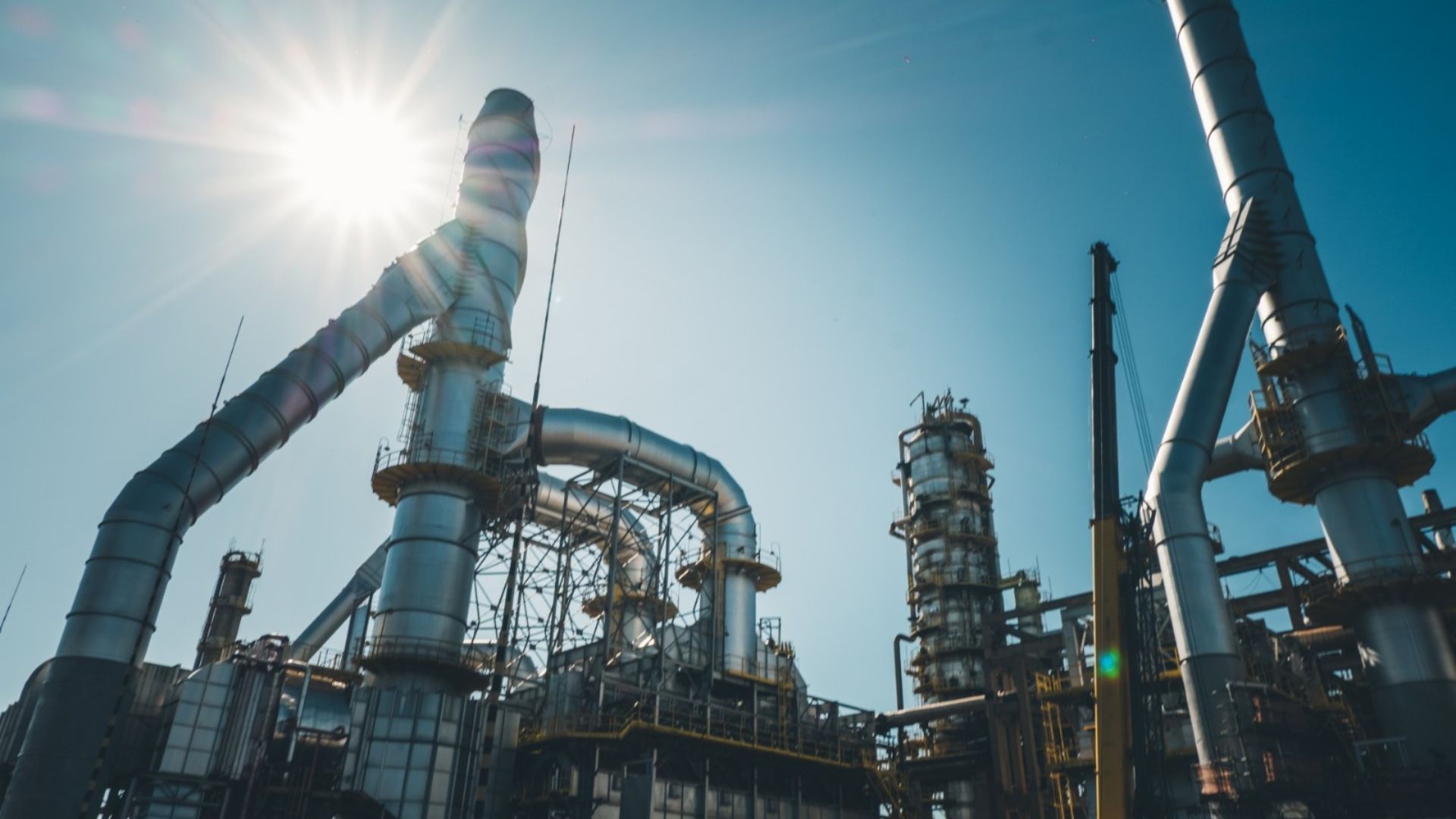
Petrobras Expands Refining in Brazil, Increases Production of Diesel S-10 and Gasoline, Enhances Operational Efficiency, and Reduces Import Dependence Between 2023 and 2025
-
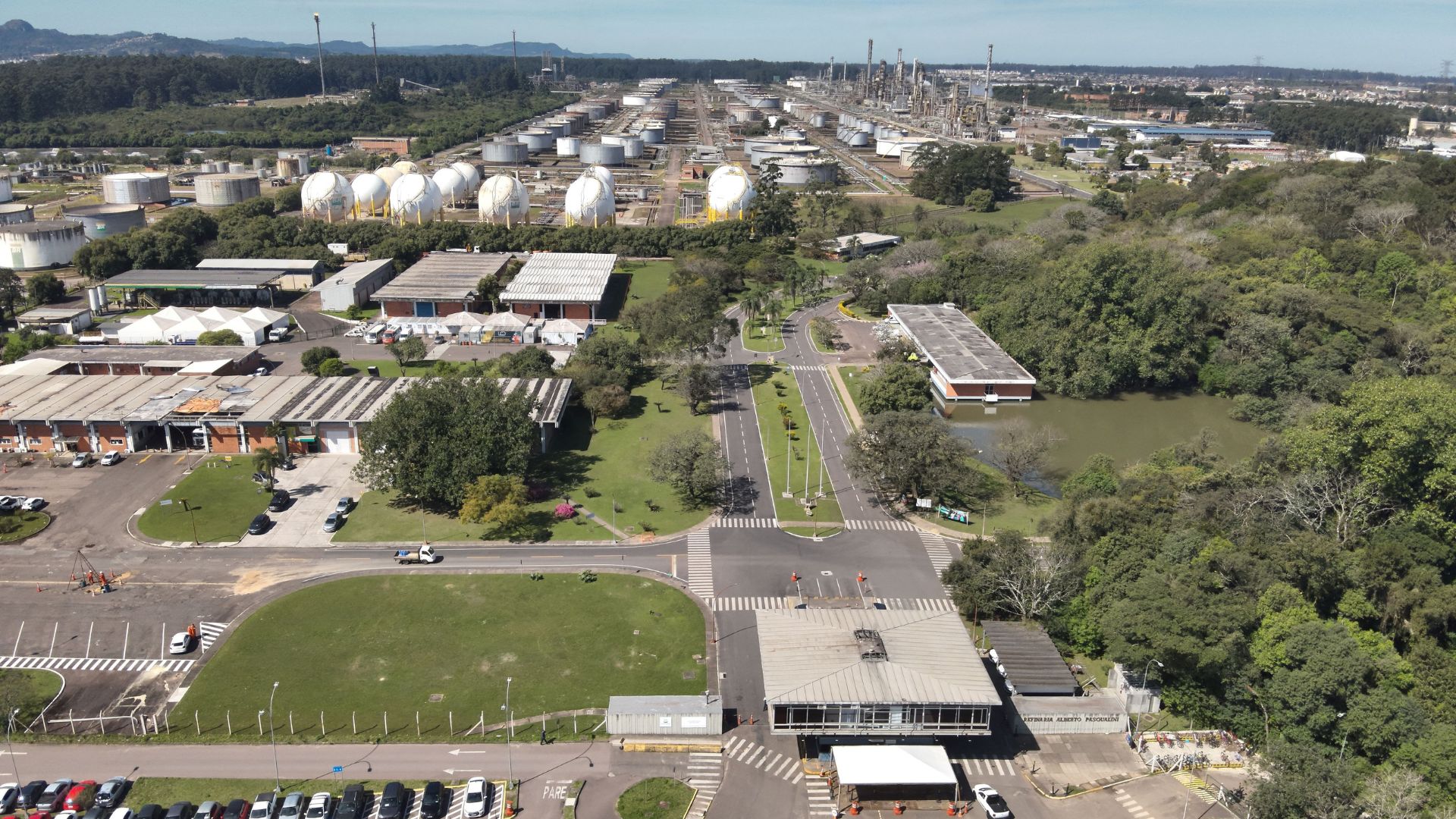
Petrobras’ Refap Sets Historic Records for Gasoline and S-10 Diesel Production in Canoas in Q4 2025, Surpassing Previous Figures
-
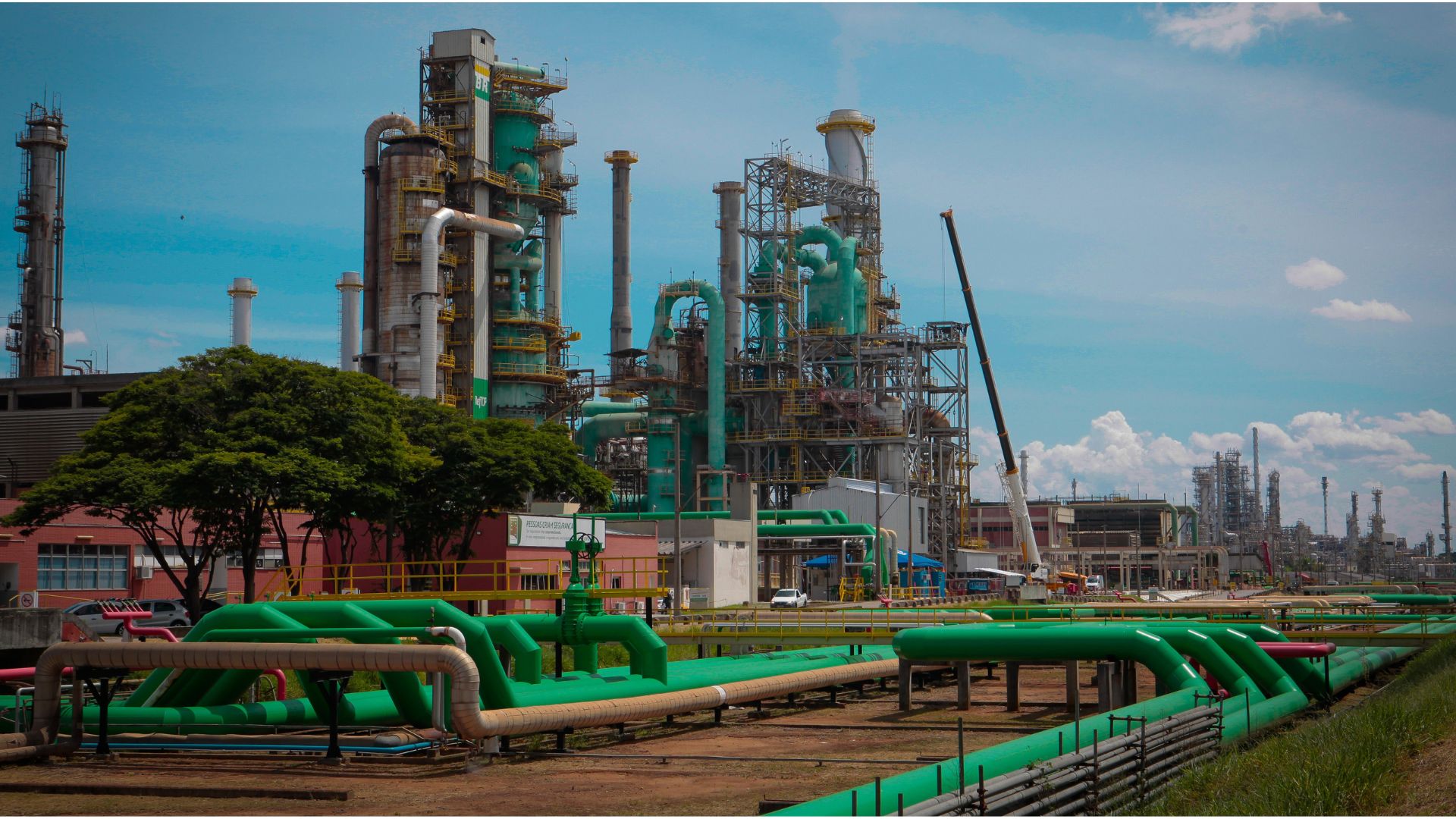
Revap Starts Operation of Modernized HDT and Petrobras Expands S-10 Diesel Production by 80% at the Refinery, Boosting Supply of Less Polluting Fuel in Brazil
-
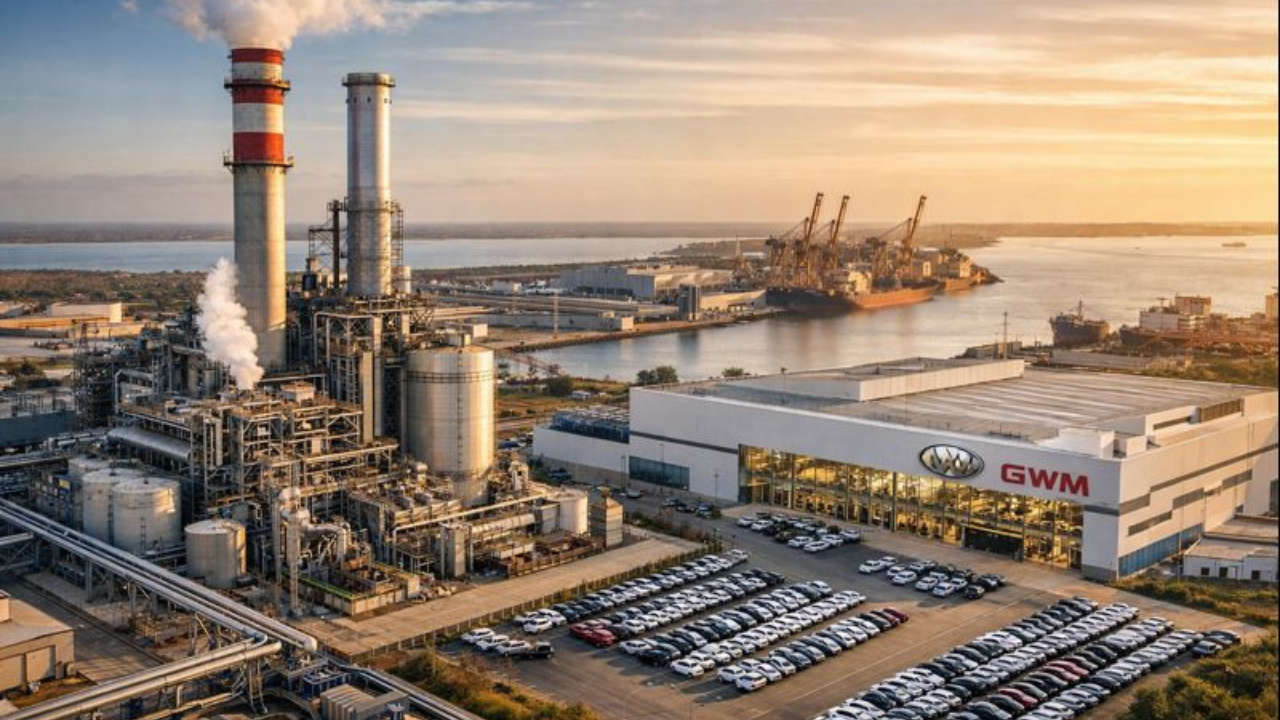
Thermal Power Plant in Rio Grande do Sul Is Key to Attracting GWM

The additional units needed to start these operations, including auxiliary units at the GasLub Hub, underwater and land pipelines, are in the final commissioning phase or pre-operational phase of their respective projects.
Controversy Involving the Joint Venture and Petrobras
To refresh your memory, a joint venture between the Chinese company Kerui and the Brazilian company Método was responsible for building the Gaslub UPGN. However, Petrobras terminated the contract with Kerui-Método last July.
The consortium had already laid off 2,000 workers from the construction site before this delay. A dispute between the consortium and Petrobras over the construction costs is at the heart of the current confusion at the Gaslub UPGN.
The Chinese planned to spend about R$ 2 billion on the UPGN, but due to fluctuations in the value of the renminbi, effects of the epidemic, and other factors, the final cost ended up being over R$ 3 billion.
When fully operational, the Gaslub UPGN will have the largest processing capacity in the country, with up to 21 million m3 per day. With the completion of this project, Petrobras could increase the pre-salt gas output from its facilities from 23 million to 44 million m3 per day. The gas would have multiple applications, including power generation, transportation, and manufacturing.









-

Uma pessoa reagiu a isso.