





 Portuguese
  English
  Spanish
  4 min of reading
  0 comments


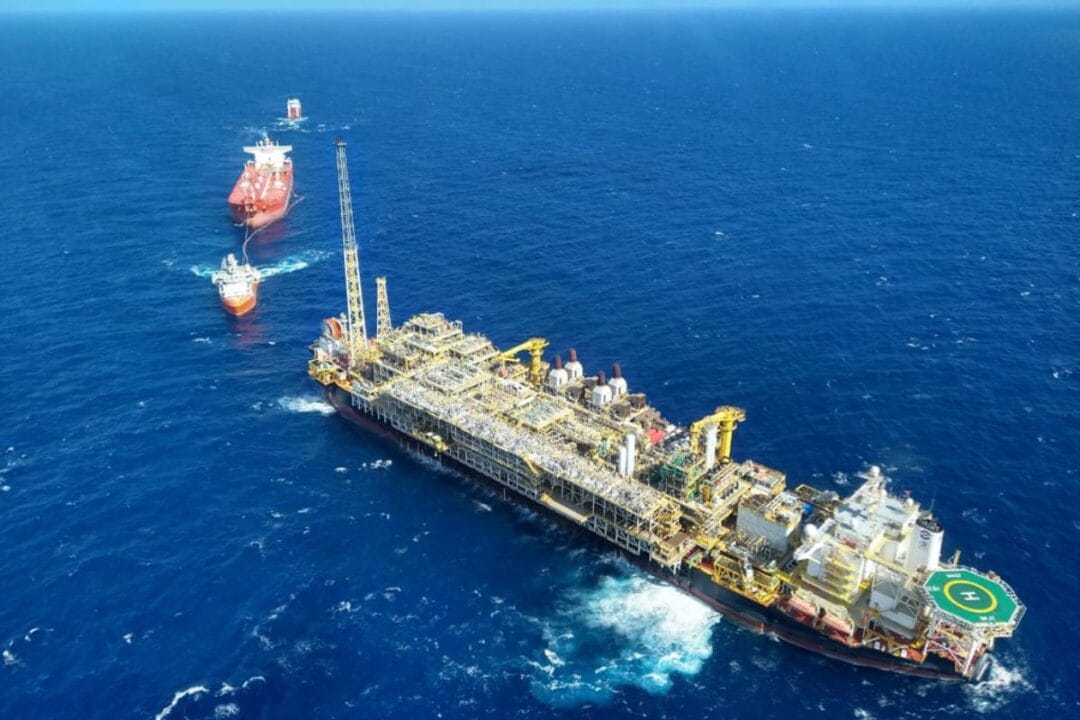
Critical Operation of the Offshore Sector Involves Connection Systems, Pressure Testing, and Real-Time Monitoring to Prevent Leaks
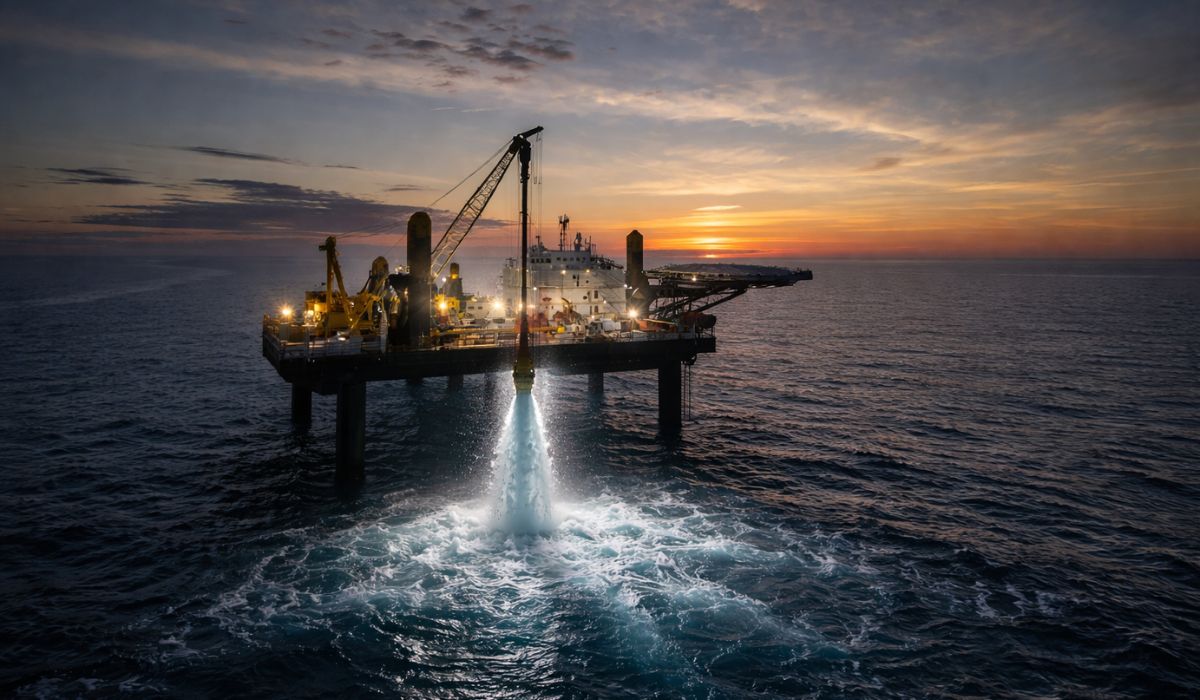
The offloading of oil is the process that allows the transfer of crude oil from an offshore production unit, such as an FPSO, to a shuttle tanker. This operation ensures the flow of production to refineries or terminals on land. In Brazil, it occurs daily in pre-salt fields and requires a high level of control and safety.
Each maneuver involves precise positioning of vessels, the connection of hose systems, and a series of technical tests. The goal is clear: to prevent leaks and ensure that oil is transported efficiently and safely to its final destination.
How the Approach Between Units is Made
The initial stage of the offloading of oil begins with the approach of the shuttle tanker. This phase requires rigorous calculations based on current, wind, and vessel movement. Depending on the operation, the vessel may position itself in tandem (at the stern of the FPSO) or side-by-side (next to it).
-
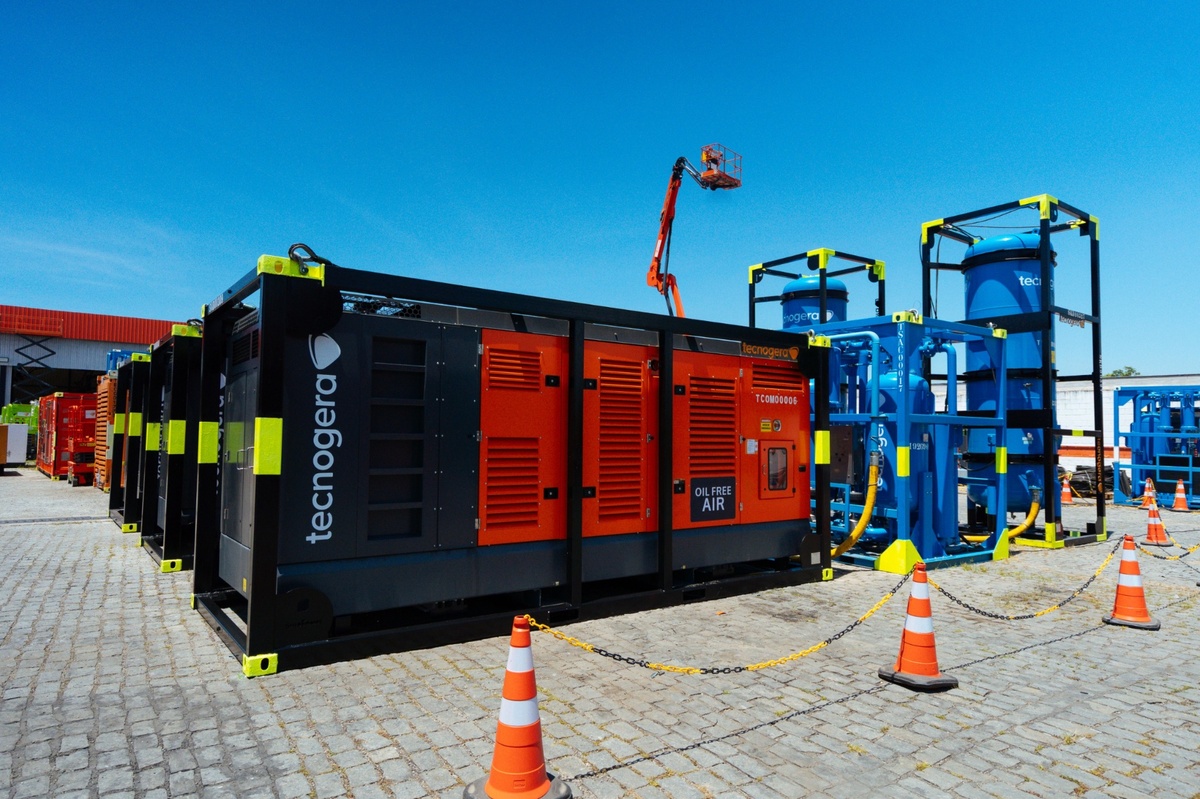
Offshore industrial demand in Macaé skyrockets with the recovery of oil and gas and could grow by up to 396% by 2026 in the Campos Basin.
-
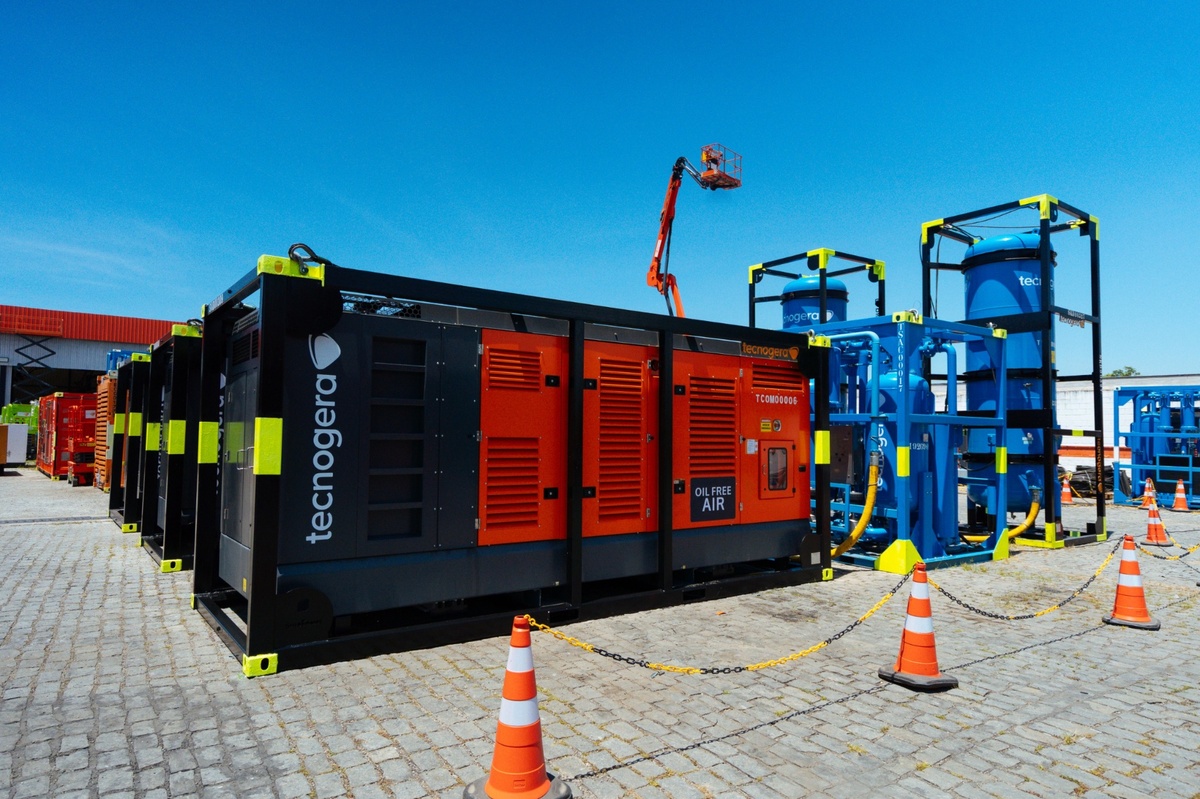
Offshore industrial demand in Macaé surges with the recovery of oil and gas and could grow by up to 396% by 2026 in the Campos Basin.
-
Brazilian giant expands borders in the Southeast: Petrobras confirms new oil discovery in ultra-deep waters in the pre-salt of the Campos Basin.

-
Alert in the global energy market: Severe tropical cyclone hits the coast and disrupts gas production at major plants in Australia, threatening global supply.


To ensure stability, dynamic positioning (DP) systems or coordinated anchorages are used. In some cases, tugboats also participate in the alignment, especially in areas with adverse conditions.
Hose Connection and Connection with the Shuttle Tanker
With the positioning concluded, the next step in the offloading of oil is the transfer and connection of the loading hose. This flexible, floating, reinforced tube is sent from the platform to the vessel using winches, cranes, or support boats.
The hose is then connected to the manifold of the vessel using quick couplings, known as QCDC (Quick Connect/Disconnect Couplers). Before the transfer, a leak test is performed to ensure there will be no leaks.
Transfer and Monitoring During the Offloading of Oil
With everything connected, a line test is conducted. The pipeline is pressurized with oil or inert fluid to verify the integrity of the system. If approved, the offloading of oil begins, with continuous pumping of crude oil.
During the operation, sensors monitor pressure, temperature, and the presence of gases such as H₂S. Parameters such as density and water content (BSW) are also analyzed. The platform and vessel teams maintain constant communication, ensuring a quick response in case of anomalies.
Disconnection and End of Offshore Operation
After the transfer is complete, the system is purged with nitrogen or clean oil, reducing the risk of contamination. The hose is disconnected, safely retrieved, and stored. The shuttle tanker then proceeds to its destination with the cargo ready for processing onshore.
The offloading of oil is essential for continuous offshore production. Without it, FPSOs and platforms would quickly reach their storage limits and would need to halt production.








Seja o primeiro a reagir!