





 Portuguese
  English
  Spanish
  5 min of reading
  0 comments


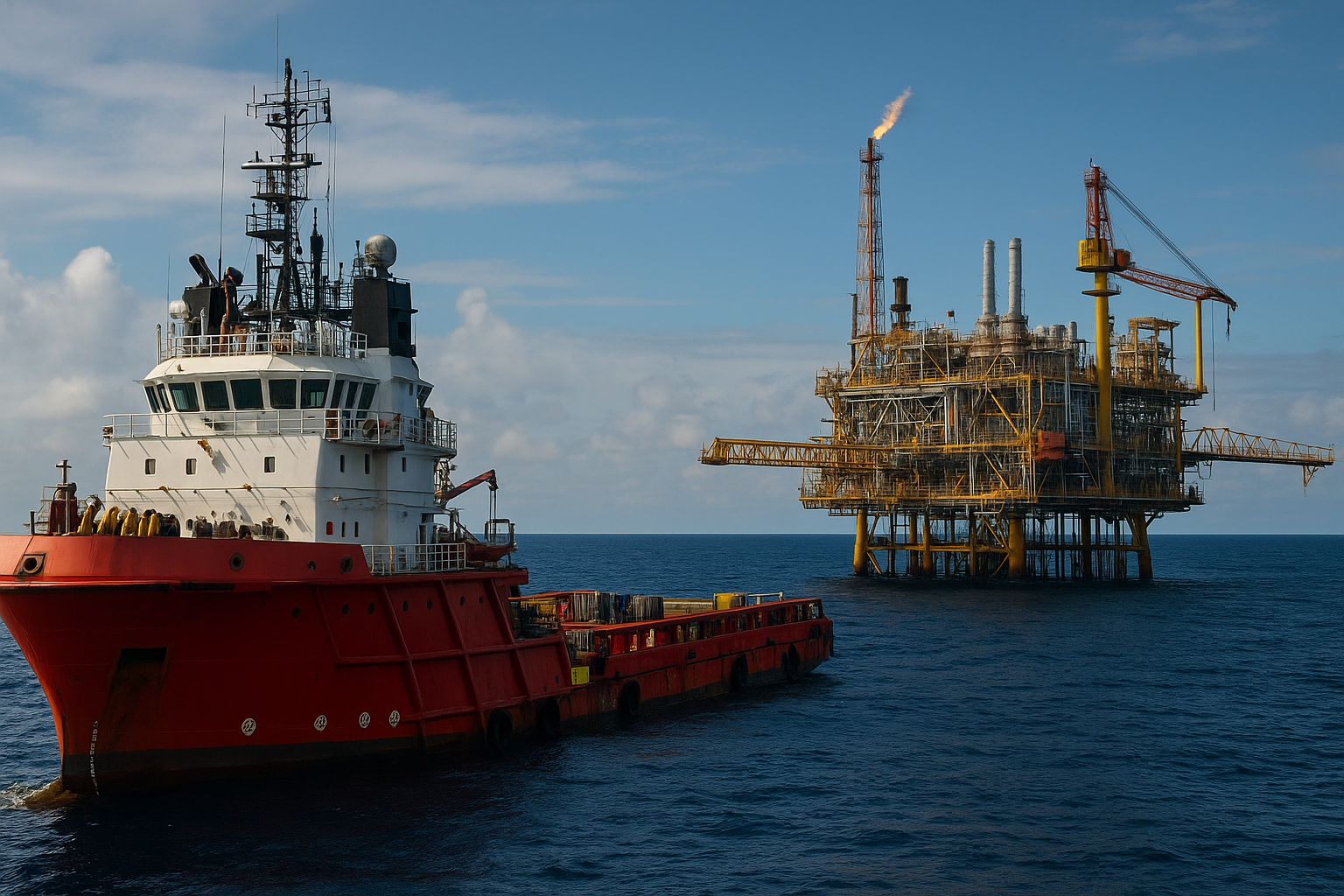
Discover How Offshore Vessel Projects Shape the Industry, Drive the Economy, and Affect Your Routine with Innovation, Safety, and Sustainability.
When we think of oceans, ships, and oil, it’s easy to imagine large structures floating in the middle of the sea.
However, behind these vessels lies a complex process, planned in the minutest detail: offshore vessel projects.
This technical and strategic universe goes far beyond naval engineering and directly affects important sectors of the economy. Moreover, it indirectly influences the lives of millions of people.
-
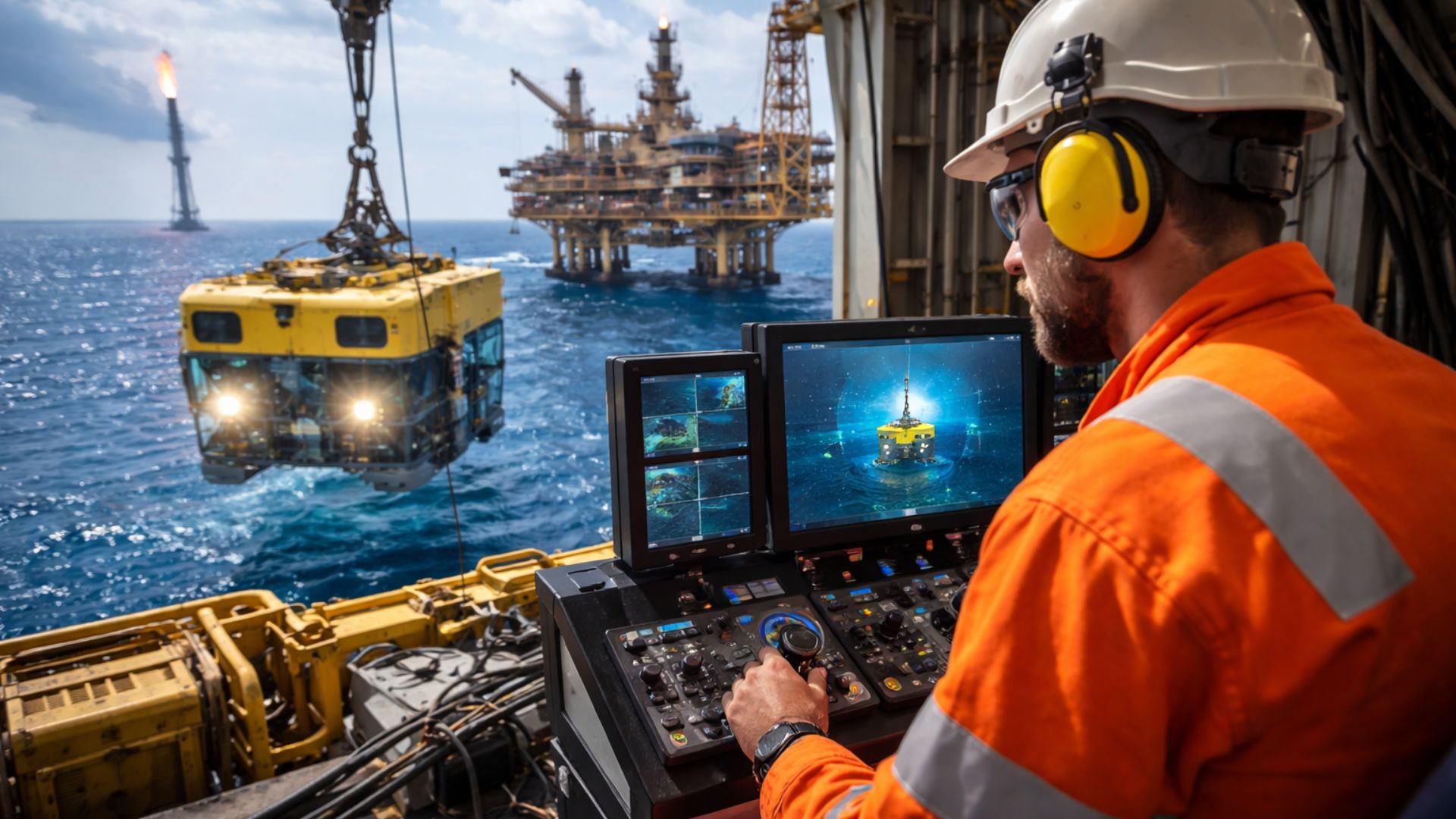
With Announcement for ROV Course in Partnership with Zen, Rio das Ostras Aims to Transform Technical Qualification into Real Jobs in the Competitive Offshore Market
-
Free Offshore Steward Course in São Gonçalo Emerges as a Strategic Opportunity for Those Seeking Qualified Work at Sea

-
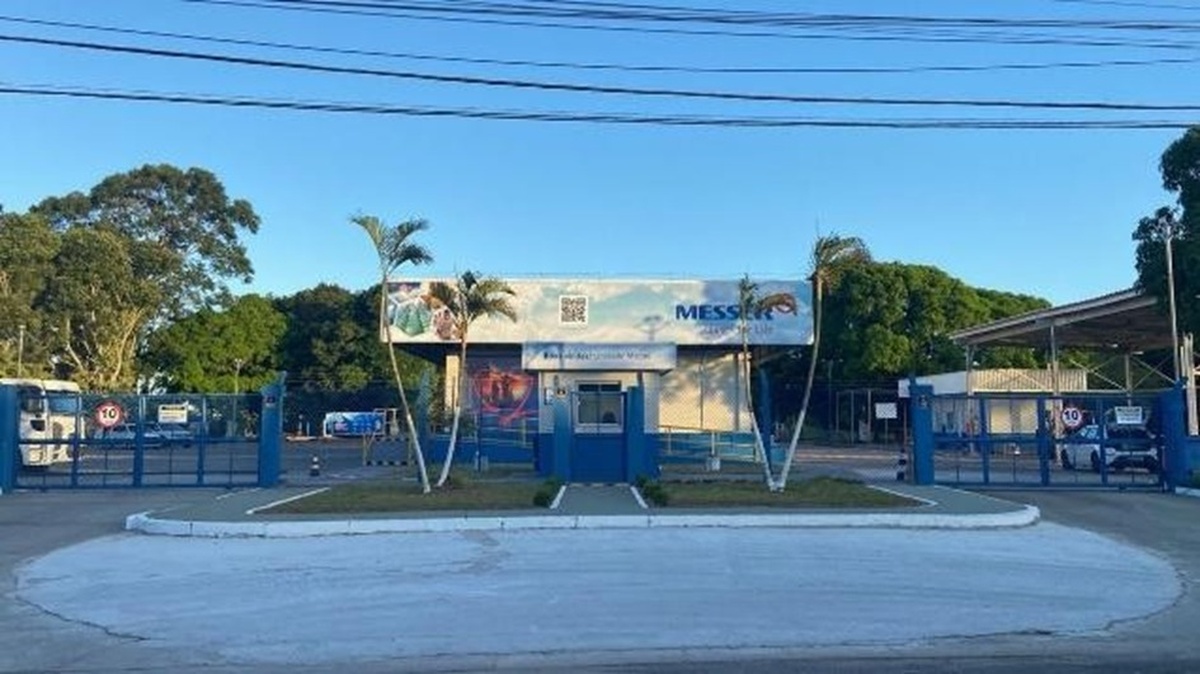
Messer Gases Reopens Branch in Macaé to Serve Offshore Oil and Gas Market in Northern Fluminense with Supply of Oxygen, Argon, and CO₂
-
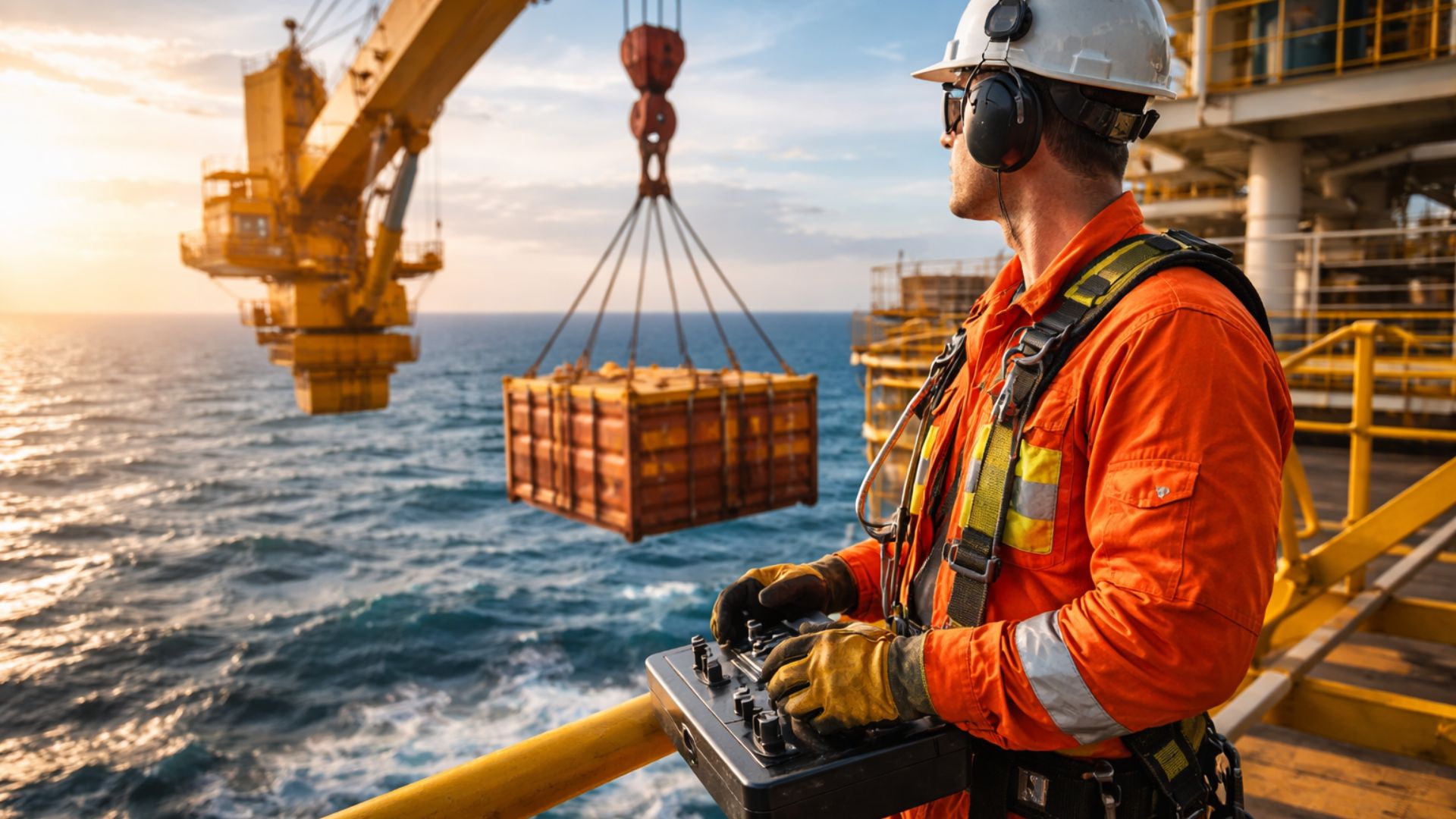
Offshore Profession Simplified: Comprehensive Guide Reveals How to Trade Common Routine for High Salaries and Long Breaks in Life Aboard in the Oil Sector

Therefore, naval engineers, designers, technicians, oceanographers, safety specialists, and oil industry professionals come together to develop vessels capable of operating efficiently.
In this way, the success of these operations requires a precise alignment between technology, technical knowledge, and systemic vision.
From Ancient Navigation to the Emergence of the Offshore Sector
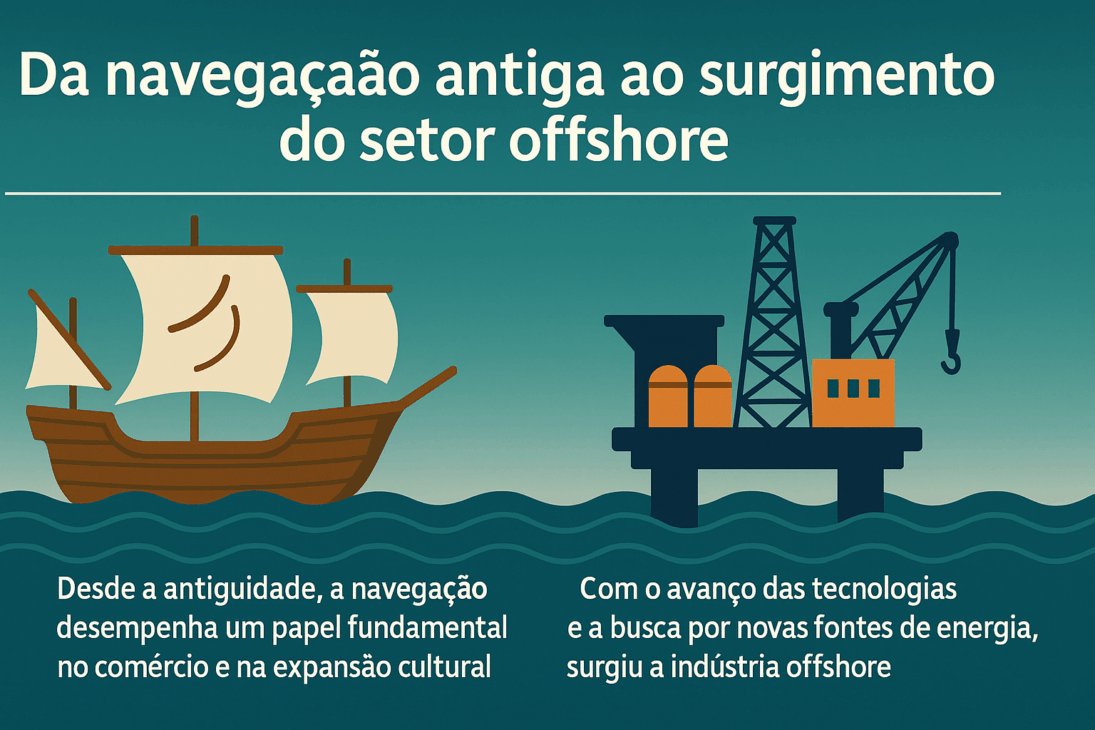
Since ancient times, navigation has played a fundamental role in trade and cultural expansion. Over time, simple wooden vessels gave way to modern and specialized structures.
With the advancement of technologies and the search for new energy sources, especially in the 20th century, the offshore industry gained momentum.
In other words, the term “offshore” refers to activities carried out away from the coast, usually in deep waters, such as the exploration of oil, natural gas, and offshore wind energy.
In this context, engineers began to create vessels specifically designed to withstand harsh ocean conditions. As a result, these vessels offer greater safety, stability, and efficiency.
Unlike conventional commercial ships, offshore structures operate in extreme environments, facing strong waves, intense winds, and climate variations.
Therefore, international organizations such as the International Maritime Organization (IMO) and the SOLAS Convention have established stringent regulations.
The IMO was founded in 1948 following a UN conference in Geneva, meeting for the first time on March 17, 1958, to develop maritime safety and transport rules.
Additionally, the latest version of SOLAS was approved in 1974 and came into effect on May 25, 1980, after following a path that began with the sinking of the Titanic in 1912.
What Are Offshore Vessel Projects and How Do They Work
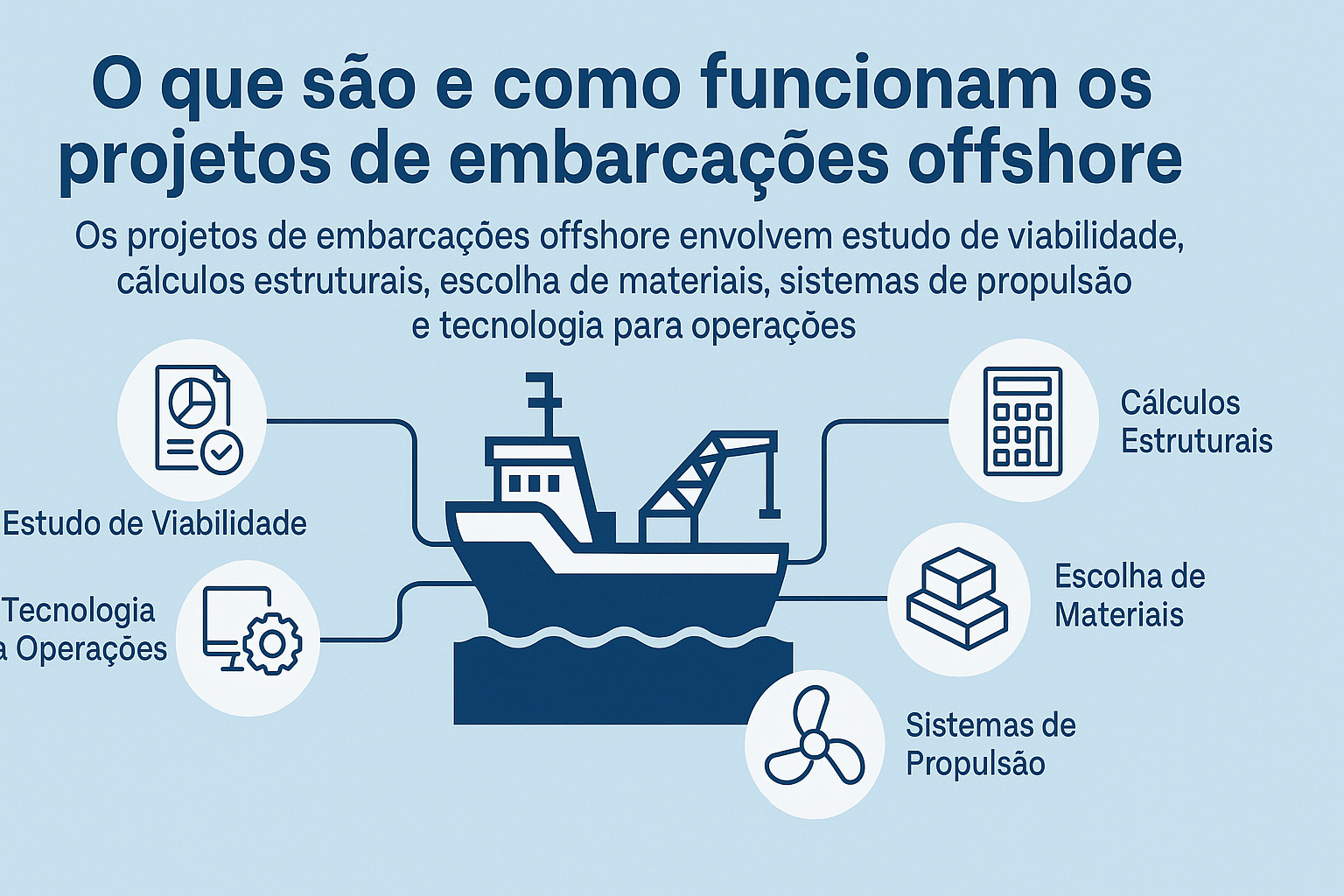
In simple terms, offshore vessel projects involve the planning, design, and development of ships and platforms aimed at marine operations.
First, the process begins with feasibility studies. Then, it goes through structural calculations, material selection, definition of propulsion systems, and crew accommodation.
As a complement, technologies for remote operations are also included in the project. In addition, each vessel assumes a specific purpose.
For example, PSVs (Platform Supply Vessels) supply platforms with provisions and equipment.
Meanwhile, AHTSs (Anchor Handling Tug Supply) tow units and position anchors.
On the other hand, FPSOs (Floating Production Storage and Offloading) act as floating factories, processing and storing oil.
These projects sustain a vital part of the global economy. For this reason, Brazil, Norway, the United States, and the United Kingdom continually invest to ensure energy security.
According to data from the ANP in the 2022 Exploration Annual Report, Brazilian oil companies are expected to invest R$ 21 billion by 2027 in the exploration phase.
Of this total, R$ 5.6 billion is allocated for 2023 and R$ 7 billion for 2024. Meanwhile, the ANP also projected R$ 18.31 billion in investments between 2024 and 2027, with about R$ 9.97 billion planned for 2024 and R$ 9.50 billion set aside for offshore activities.
Additionally, the same report indicates that Brazil conducted 23 drillings in 2022 and plans 36 in 2024.
This reinforces how investment in offshore vessel projects finds direct demand in exploration activities.
Innovation, Sustainability, and Safety at Sea
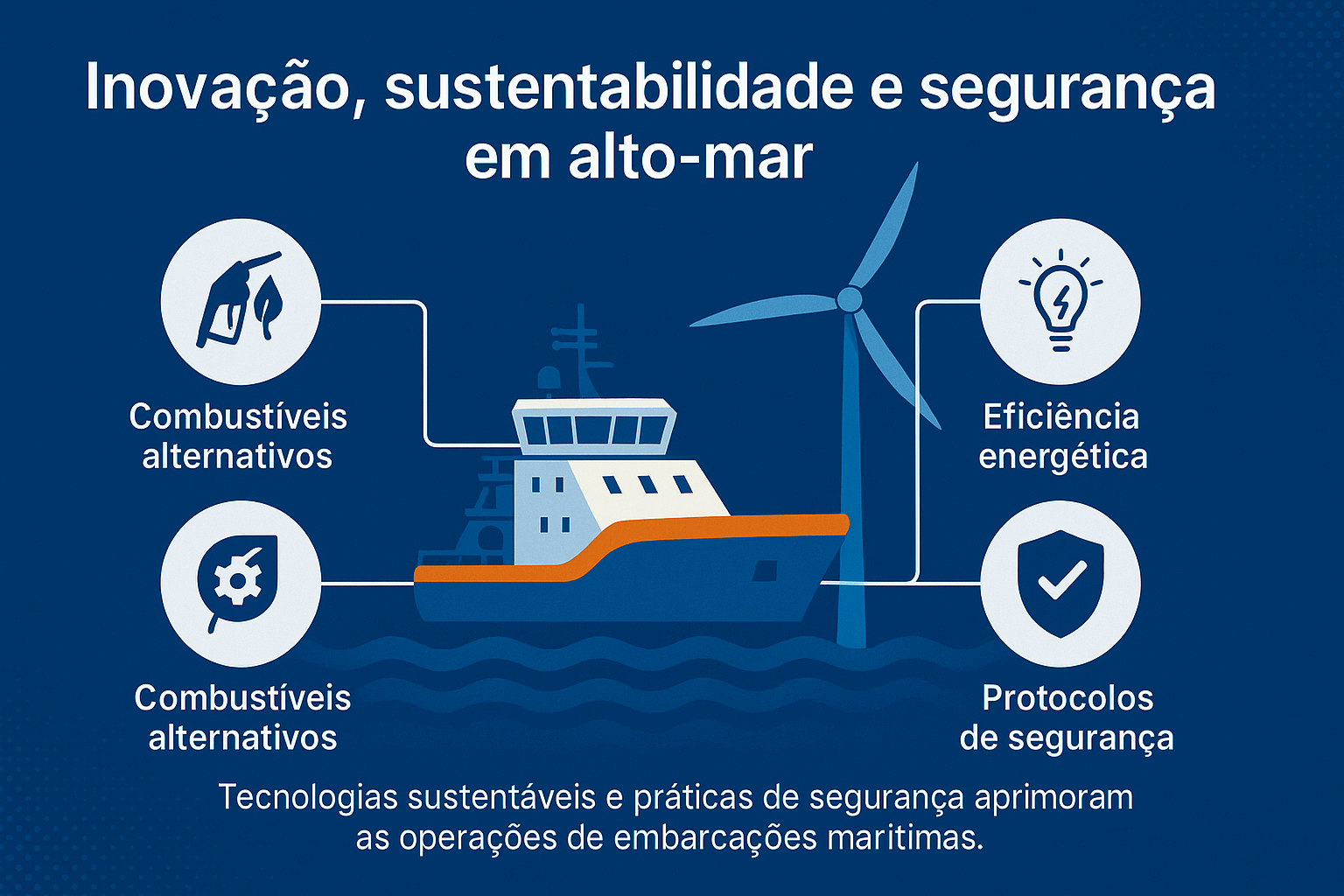
Beyond enabling extraction and transportation of natural resources, offshore vessel projects have evolved with a focus on innovation.
Currently, reducing environmental impact and seeking efficiency drive engineers and designers to adopt smart strategies.
Hence, tools such as 3D modeling, computational simulations, and artificial intelligence integrate every phase of development.
Consequently, vessels now adopt alternative fuels, hybrid propulsion systems, and lightweight materials, reducing emissions and enhancing durability.
At the same time, safety has gained the highest priority. Thus, the current protocols protect crew, equipment, and the environment.
Additionally, automatic systems detect fires, leaks, or failures, acting in immediate response.
Similarly, the concept of circular economy advances in the sector. Thus, naval architects design dismantling and repurposing of materials at the end of their life cycle, reducing waste.
Impact on the Economy and Job Creation
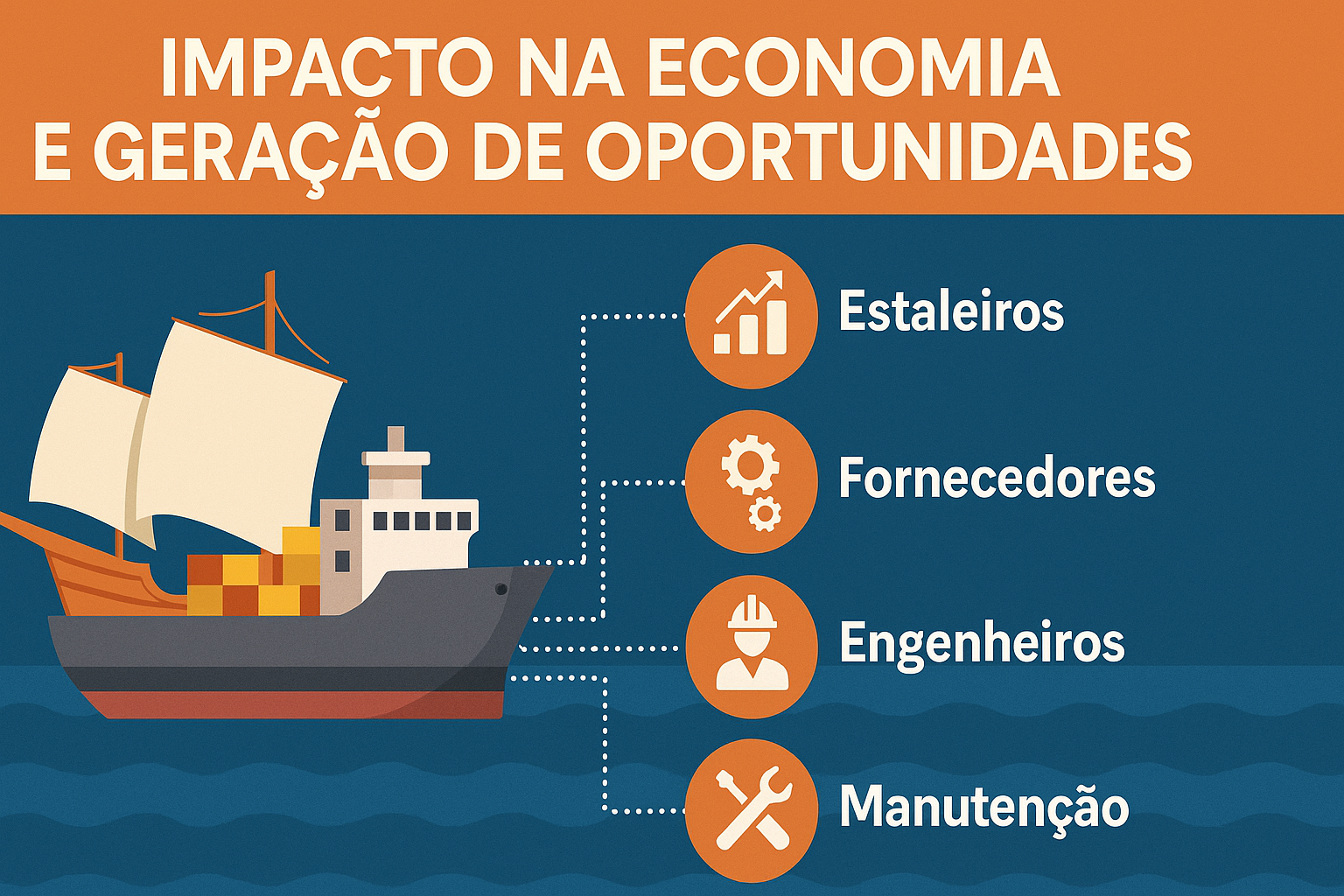
For companies in the naval, oil, gas, or energy sectors, investing in offshore vessel projects means increasing competitiveness.
This is because a modern fleet reduces costs, avoids accidents, and improves productivity.
Moreover, the project serves as a basis for complying with regulations from the Brazilian Navy and the IMO.
Thus, the benefited production chain includes shipyards, suppliers, technicians, engineers, logistics operators, and maintenance.
In Brazil, with significant offshore reserves, these investments have become strategic for national economic development.
Even those who do not operate directly in this market feel its effects. The job generation, port activity, and technological innovation resonate in various sectors.
Additionally, technologies created for the sea often adapt to other segments, such as automation and robotics.
In parallel, educational institutions are investing in courses related to naval engineering, automation, and renewable energies, preparing more skilled professionals.
The Future of Offshore Vessel Projects
The future scenario promises an increase in challenges and advancements.
With the expansion of ultradeep explorations, projects will need to combine robustness, precision, and cutting-edge technology.
It is expected that many vessels will operate in a remote autonomous manner, controlled from centers on solid ground.
Furthermore, smart sensors and predictive maintenance will transform the continuous operation of fleets.
This way, those in charge will be able to make data-driven decisions in real time, enhancing efficiency and safety.
At the same time, sustainability will continue to drive developments.
Projects that save energy, reduce impacts, and promote high environmental performance will be prioritized.
Therefore, the role of the naval engineer will continue to grow in importance.
Digitalization is gaining more traction, with digital twins, real-time tracking, and continuous analysis, resulting in optimized and safe operations.
Understanding offshore vessel projects is essential to comprehending the structure of the modern world.
After all, these projects enable operations at sea that fuel economies, drive production chains, create jobs, and encourage innovation.
Even far from the coast, these vessels impact our daily lives directly.
Thus, investing in this sector means betting on development, sustainability, and the future of maritime technology.









Seja o primeiro a reagir!