





 Portuguese
  English
  Spanish
  3 min of reading
  32 comments


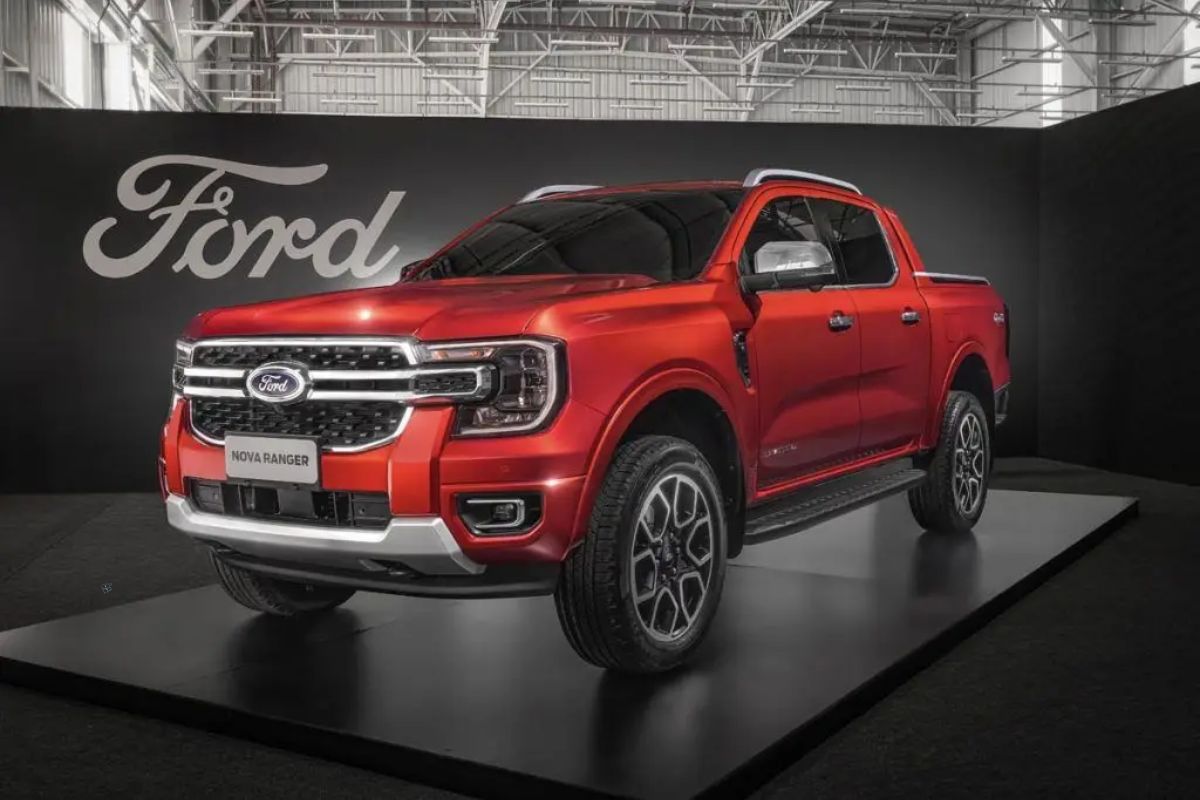


High-Pressure Pump Failures Generate Repairs Ranging from R$ 20,000 to R$ 60,000 and May Lead to Warranty Denials; Workshop Recommends Preventive Installation of the “Protect Plug Lion”.
The Ranger V6 3.0 Lion pickup, equipped with a turbodiesel engine and Bosch CP4 injection system, has been experiencing failures at low mileage, according to a warning from expert Luciano Jaccoud from AllVento Education. The issue is being attributed to the B15 biodiesel content in Brazilian fuel, which can lead to warranty denials at dealerships and expose owners to repair costs that range from R$ 20,000 to R$ 60,000.
Reported cases include vehicles with only 20,000 to 43,000 km driven that have already had their high-pressure pump damaged. When a failure occurs, the risk is contamination of the entire injection system, dramatically increasing the maintenance cost.
Why Does the Ranger V6 3.0 Suffer from the CP4 Pump?

According to Luciano Jaccoud, the CP4 high-pressure pump is sensitive to the quality of the fuel.
-
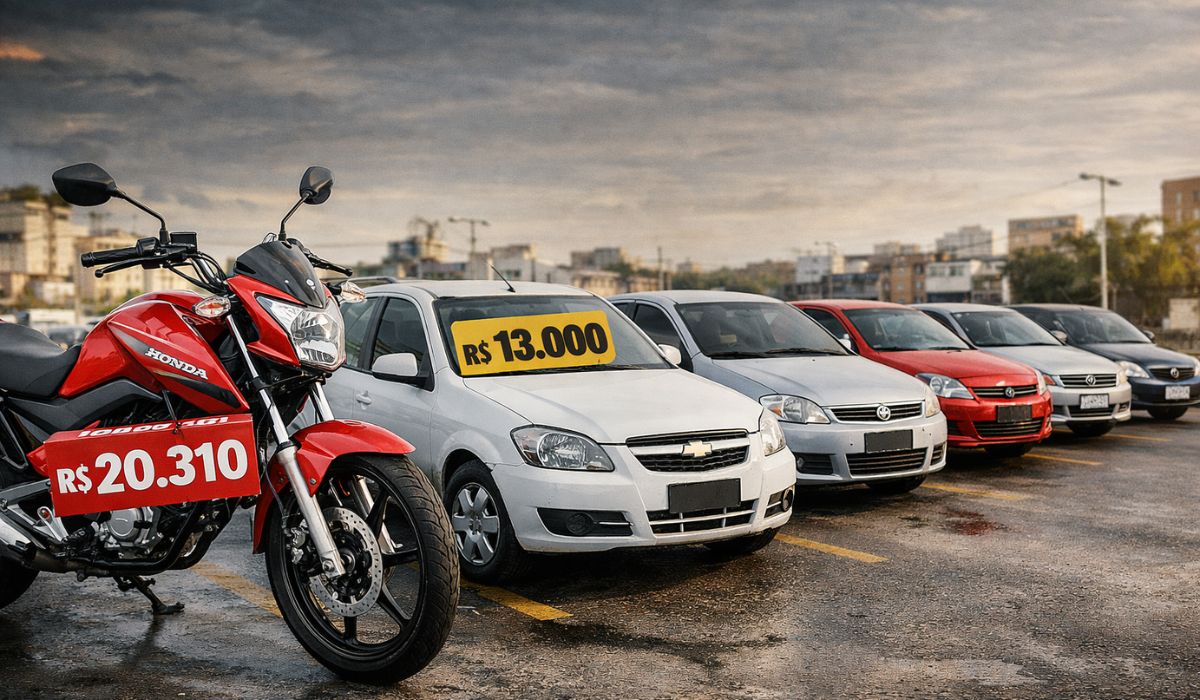
5 cheapest used cars than a Honda CG 160 Titan 0 km, with options starting at R$ 13,000 for those who want to trade their motorcycle for a car and escape the rain, sun, and risks of riding.
-
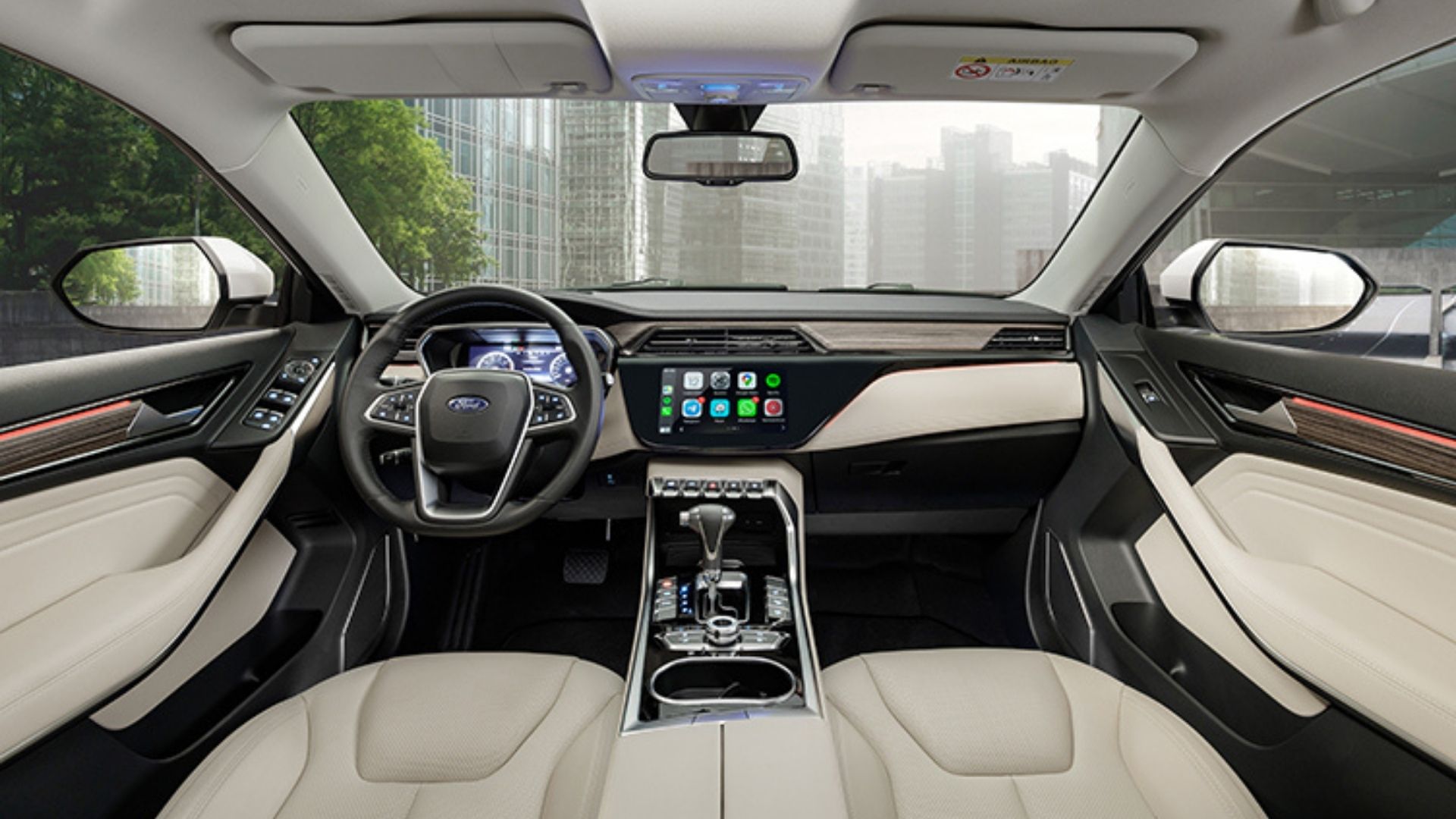
Around R$ 24,000: 4 used Ford SUVs with up to 253 hp, V6 engine, all-wheel drive, 7 airbags, panoramic sunroof, and a complete package that surprises with its price and performance in Brazil.
-
A brand new car starts at around R$ 75,000 in Brazil, but what stands out the most is seeing streets filled with SUVs and expensive sedans in a country where millions remain in debt.

-
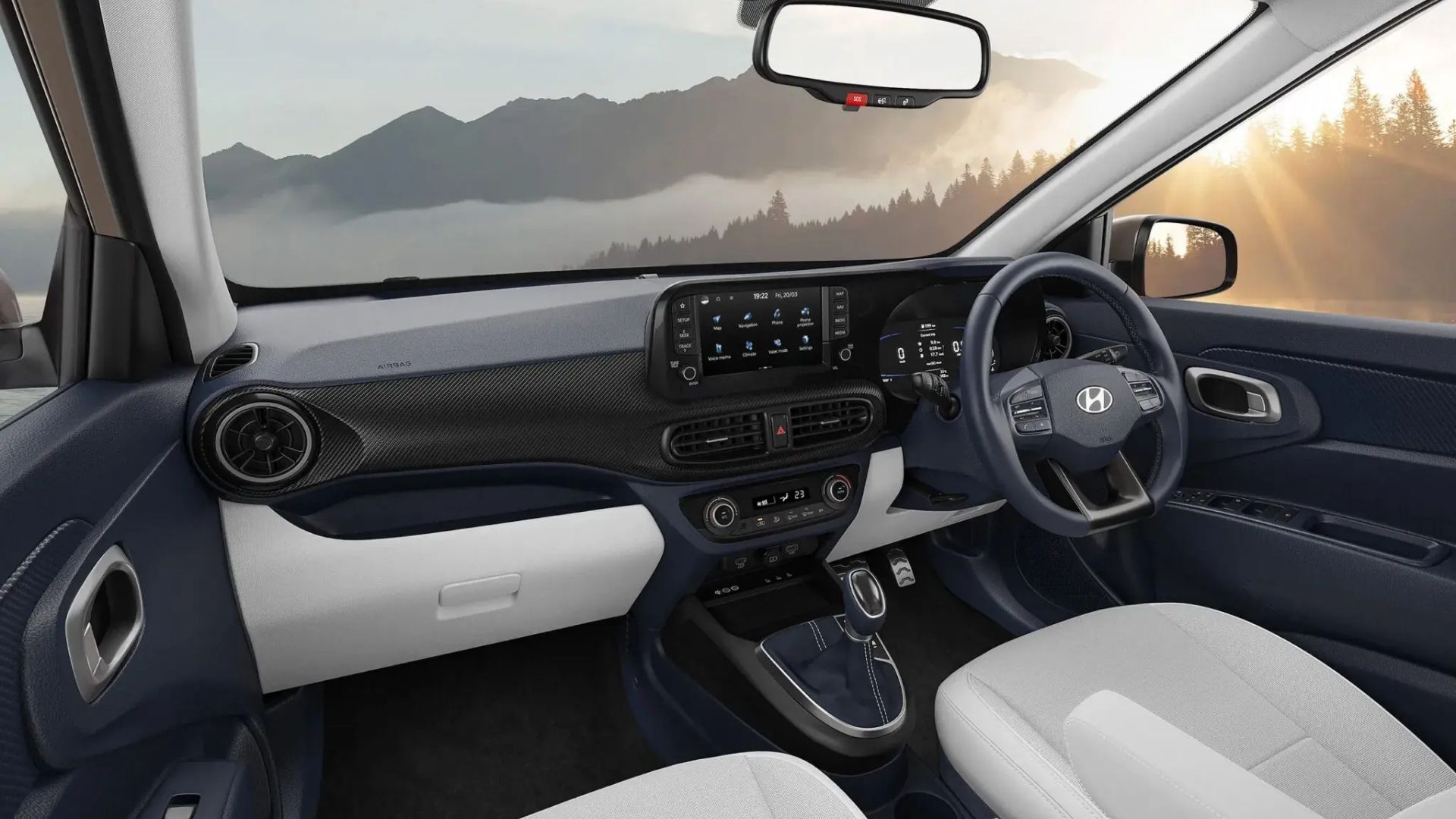
For R$ 32,000, a brand new Hyundai car is a rival to the Kwid with a 1.2 engine producing 82 hp, 6 airbags as standard, multimedia with wireless Android Auto, up to 391 liters in the trunk, and a refreshed look for 2026 in India.

In Brazil, the mandatory biodiesel content reached 15% (B15) and may reach 20% by 2030.
This blend, although aligned with environmental goals, accelerates the internal wear of the pump, causing the release of metal shavings that spread throughout the system.
The problem is not exclusive to Ford. The Volkswagen Amarok, which uses a similar configuration, has already shown cases of CP4 failures.
Now, the same vulnerability is beginning to be recorded in the units of the Ranger V6 3.0, reinforcing the need for preventive attention.
How Much Does It Cost to Repair the Failure?
According to AllVento, the average costs range from R$ 40,000 to R$ 60,000 for a complete replacement of contaminated components — including injectors, fuel tank, high-pressure hoses, valves, and low-pressure pump.
In some cases, repairs may fall in the range of R$ 20,000 to R$ 25,000, depending on the extent of the damage.
The impact is not just financial. The vehicle may sit for months in workshops, awaiting diagnostics, imported parts, or even legal discussions when there is a warranty denial.
The cost and time of inactivity turn the issue into a significant risk for those who depend on the pickup daily.
How Does the “Protect Plug Lion” Kit Work?
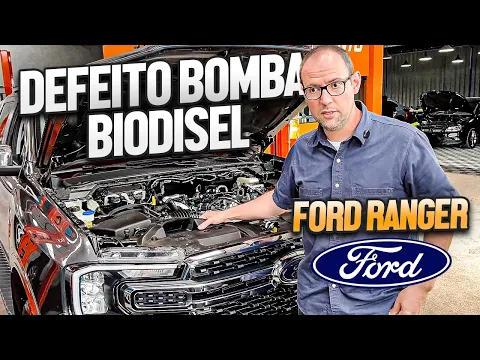

To reduce the risk, the workshop recommends the installation of the Protect Plug Lion, developed by LAAB Diesel and already applied in the Amarok.
The system isolates the high-pressure pump from the rest of the circuit, preventing contaminating shavings from reaching injectors and hoses.
The kit comes with adapter hoses and an integrated valve, requiring no cuts or irreversible modifications.
If the pump fails, the damage is restricted to the pump itself, limiting the repair cost to the replacement of the CP4 and the kit module — an estimated expense of around R$ 5,000, equivalent to 1/10 of the cost of a total contamination.
Is There a Definitive Solution?
Jaccoud mentions that some manufacturers are testing CP8 pumps as an alternative, but there is still no practical evidence that durability is superior.
Until new systems become established, the recommendation is to adopt preventive measures and be alert to symptoms of failure, such as warning lights and irregular engine behavior.
In the meantime, dealerships continue to attribute the cause of failures to biodiesel, which opens the door to warranty coverage denials.
The history already seen with Amarok and Hilux indicates that owners should prepare to face resistance from manufacturers in covering repair costs.
The vulnerability of the Ranger V6 3.0 to biodiesel exposes drivers to significant financial risk and long periods without their vehicles.
The preventive installation of the Protect Plug Lion emerges as an alternative to reduce losses, but does not eliminate the root of the problem.
And what do you think? Should the responsibility fall on manufacturers, the fuel available in Brazil, or consumers adopting preventive solutions? Leave your opinion in the comments — we want to hear from those who have faced this situation in practice.






Se foi lançado para abastecer e rodar aqui tem que ter garantia, ponto final. Se esses casos existem e esse protect funciona mesmo, quem tem que por nos carros é o fabricante, principalmente durante o período de garantia e de primeiro dono, que comprou confiando na marca.
Matéria tem cheiro de propaganda enrustida! O diesel 15 começou a circular em Marco 2025, portanto há 5 meses. Tempo insuficiente para poder ser detectado como causador dos problemas citados na reportagem. O especialista em questão, citado, é dono de oficina e instala o kit. E como toda “boa” reportagem, onde está a fala da Ford para se defender? Quantos Ranger encontram-se paradas esperando solução? Entrevista com proprietários lesados? Tudo meio nebuloso. Precisam melhorar e aprimorar as informações.
A culpa principal é do governo em mudar a concentração de biodiesel , no entanto, o consumidor paga caro pela camionete e a garantia tem que ser assegurada. A montadora deve vender produto adequado ao combustível em venda.
A montadora deve negociar com o governo.