





 Portuguese
  English
  Spanish
  6 min of reading
  0 comments


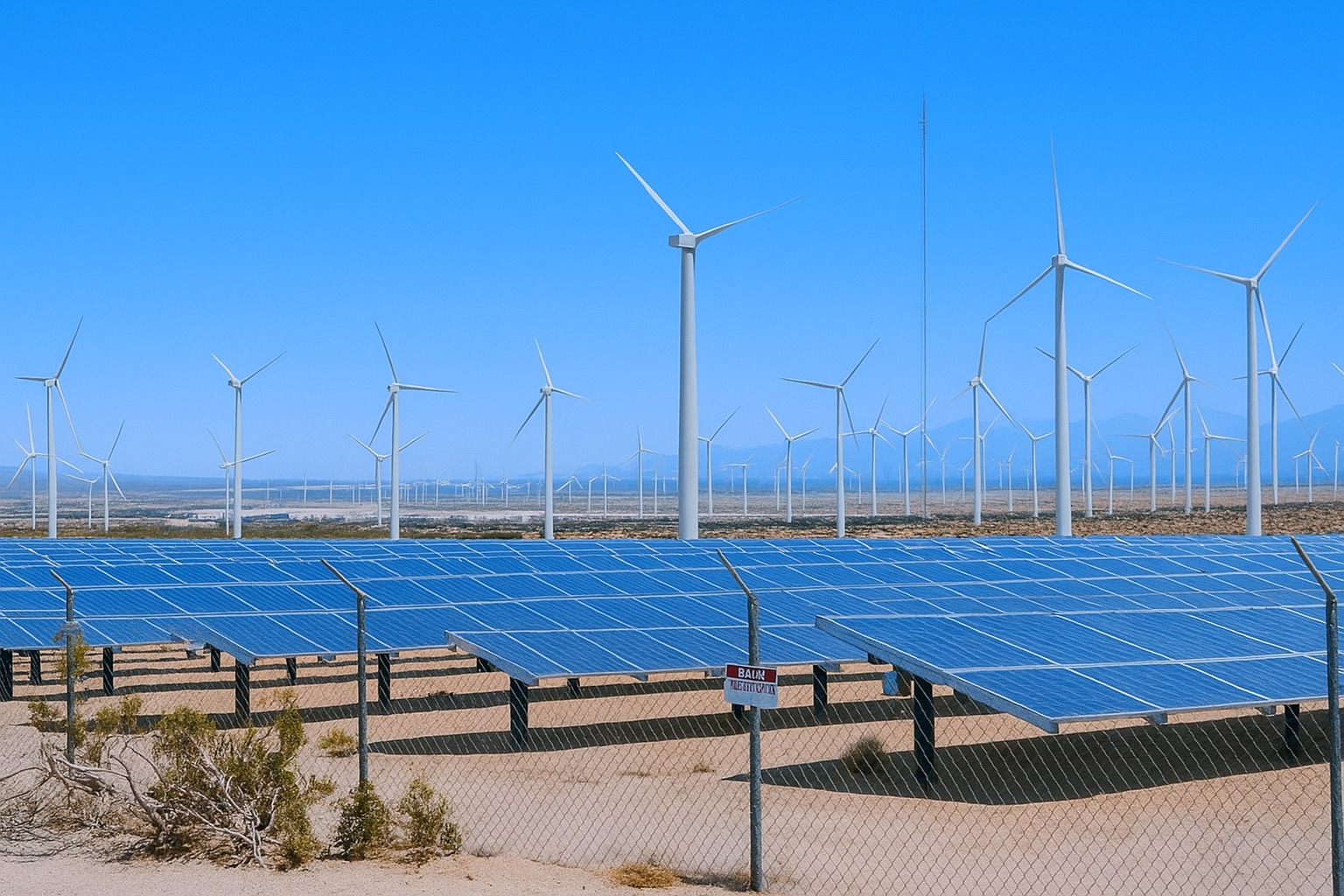
Discover How Oil Companies Have Minimal Participation in Global Renewable Projects, Contributing Little to the Global Energy Transition.
The energy transition represents one of the greatest challenges of the 21st century.
Since the beginning of the Industrial Revolution, the world has intensely consumed fossil fuels, such as coal, oil, and natural gas, to power industry, transport, and electricity generation.
Consequently, this dependence, although it has driven global economic growth, has caused severe environmental consequences, particularly the increase in greenhouse gas emissions, which are responsible for climate change.
-
Green hydrogen at home: Belgium launches new technology that makes solar panels produce fuel from the moisture in the air, which could boost the energy transition.

-
Sesc-BA bets on renewable energy with the support of EDP and drives the energy transition with a direct impact on cost reduction and the sustainability of its operations in Bahia.

-
Technology giant breaks global sustainability records: How Amazon’s leadership in renewable energy procurement transformed the global energy market in the past year.

-
Alert in the electric sector: Atlas Renewable Energy confirms billion-dollar investment and Brazil risks losing a share of the new investment in Latin America to neighboring countries.
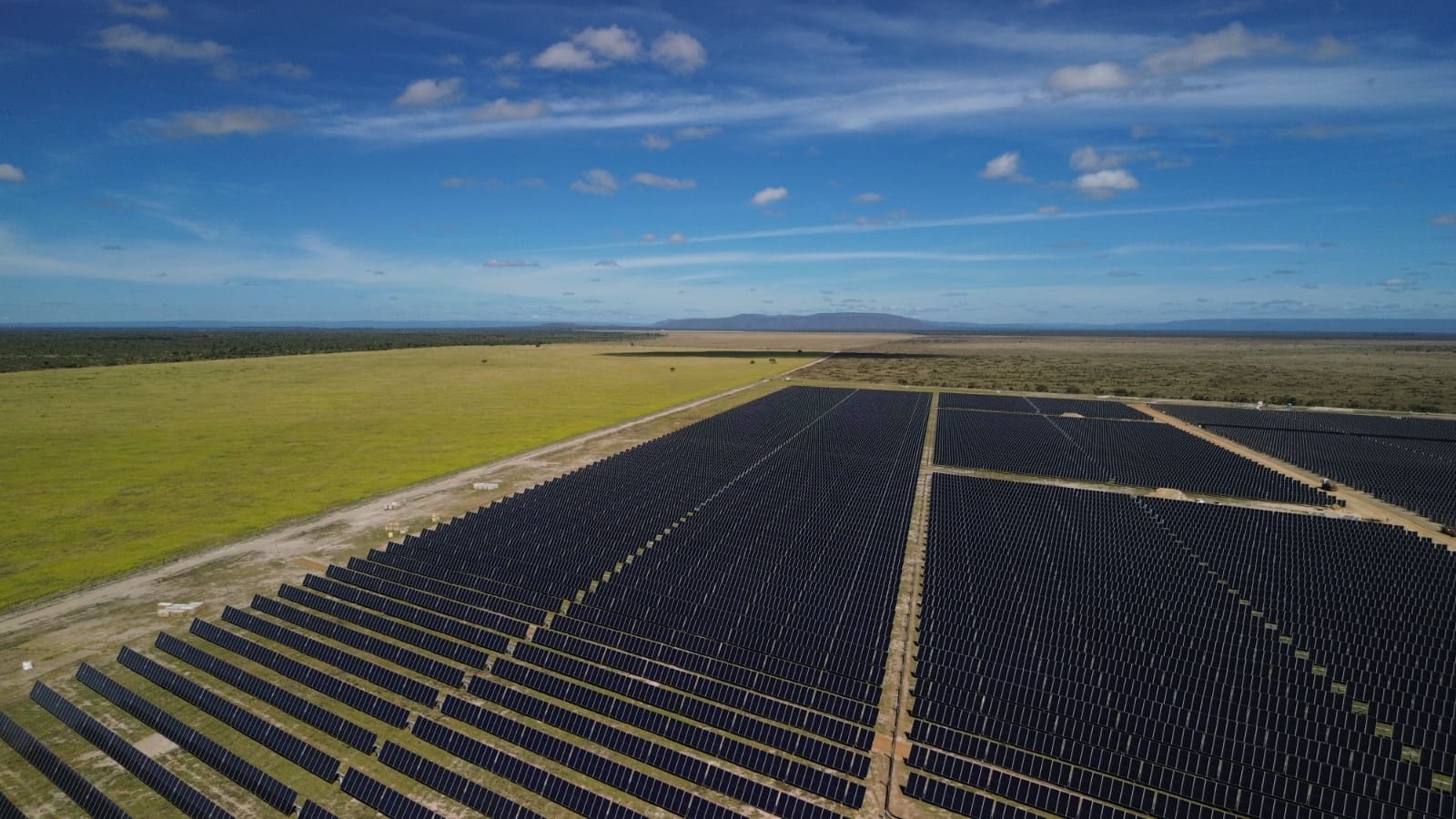

Therefore, the development of global renewable projects has become essential to reduce environmental impacts and ensure the sustainability of the planet.
Sources such as solar, wind, hydropower, and biomass energy offer clean and abundant alternatives capable of progressively replacing fossil fuels.
However, when analyzing the role of major oil companies in this process, the reality is concerning.
The Historical Dependence on Fossil Fuels
Recent studies show that, despite having the financial and technological resources to drive the energy transition, the largest oil and gas companies contribute very little to the expansion of renewable energy.
According to research from the Institute of Environmental Science and Technology at the Autonomous University of Barcelona (ICTA-UAB), the 250 largest oil companies in the world account for only 1.42% of the more than 53,000 global renewable projects in operation.
Therefore, this data highlights a nearly symbolic participation of these companies in clean energy initiatives.
Historically, oil companies have known for decades the environmental impacts of their products.
Since the 1970s, scientists have warned about the effects of burning fossil fuels on global warming and climate change.
Thus, companies had time and resources to invest in sustainable alternatives.
Even so, many investments announced in renewables have remained on paper, while companies continued prioritizing the exploration of oil and gas.
Strategies such as carbon capture and storage have been promoted as decarbonization solutions, but they come with high costs and limited effectiveness.
Furthermore, public perception of environmental responsibility influences company behavior.
Therefore, with the increasing societal concern and pressure from investors, many oil companies launch marketing campaigns highlighting alleged efforts in clean energy, even though these efforts represent only a fraction of what is necessary.
Thus, the contrast between discourse and practice illustrates that global renewable projects still do not occupy a central space in the corporate strategy of these companies.
Contradictions Between Discourse and Practice
The idea that more fossil fuels would need to be produced to finance the energy transition, advocated by some companies, such as Petrobras, faces scientific scrutiny.
In fact, a study published in the journal Nature Sustainability reinforces that, in practice, these companies participate very little in the expansion of renewable sources.
Clean energy continues to represent only a tiny fraction of the energy portfolio, while these companies dominate fossil fuel production, responsible for about 88% of the global supply.
Among the 250 largest oil companies, only 20% have any global renewable project in operation.
These initiatives account for a mere 0.1% of the primary energy they provide.
Therefore, this scenario demonstrates that, although some emission reduction targets exist, the concrete impact on clean energy generation is still almost insignificant.
According to data from Zero Carbon Analytics, of the 100 largest oil and gas companies, about a quarter have set emission reduction targets by 2030, with an average commitment of 43% reduction in their own operations.
However, the practical implementation of these targets remains insufficient for an effective energy transition.
The low investment in global renewable projects by oil companies reflects not only corporate priorities but also historical market strategies.
Since the 1980s, the oil sector consolidated its global position based on the exploration and sale of fossil fuels.
Thus, the immediate profitability of these activities often outweighs long-term planning focused on sustainability.
As a result, renewable energy projects, although technically viable, receive limited attention.
Often, they serve merely as marketing tools or “greenwashing”, rather than real commitments to the energy transition.
Economic and Social Importance of Renewable Projects
The importance of global renewable projects goes beyond environmental preservation.
They are linked to economic and social issues, such as energy security, job creation, and reducing dependence on imported fuels.
Countries that invest in solar and wind energy can diversify their energy matrix, reduce long-term costs, and stimulate technological innovation.
Therefore, by neglecting this sector, oil companies delay environmental progress and miss strategic opportunities in a rapidly growing market.
The symbolic role of oil companies in generating renewable energy is, therefore, limited.
Experts state that the contribution of these companies to the climate crisis mainly depends on the volume of fossil fuels they stop extracting.
Thus, in the current context, plans for oil and gas expansion indicate an increase, not a reduction, in global emissions.
The contradiction between discourse and practice highlights the need for more rigorous public policies and greater social pressure for the energy transition to advance effectively.
When analyzing the global landscape, it is clear that leadership in global renewable projects does not depend exclusively on oil companies.
Governments, financial institutions, clean technology startups, and companies from other sectors play an increasingly significant role in this movement.
However, the scale and resources of major oil companies make their contribution potentially transformative.
If these companies consistently invested in renewable energies, they could accelerate the energy transition, reduce climate impacts, and ensure relevance in the future market.
Investing in renewables also allows companies to reduce long-term financial risks.
The global demand for oil and gas may face gradual decline with stricter climate policies.
Energy diversification becomes strategic to ensure economic stability.
Therefore, real investment in global renewable projects represents not only an environmental issue but also an economic one and a matter of survival in the market.
Ethical and Historical Responsibility of Oil Companies
The debate about the responsibility of oil companies also has an ethical dimension.
Contemporary society demands transparency and environmental commitment from companies.
Strategies that simulate climate concern, without effective results, face increasing criticism.
The term “greenwashing” describes these practices: actions that appear sustainable but do not significantly alter the environmental impact of the company’s activities.
Thus, monitoring studies and reports from independent organizations reinforce that the participation of oil companies in global renewable projects remains anecdotal.
Finally, it is essential to understand that the energy transition involves not only technical aspects but also historical and cultural ones.
The way the world has produced and consumed energy for over a century has created economic and social structures that favored fossil fuels.
Therefore, changing this reality requires technological innovation, a shift in mindset, regulatory commitment, and corporate responsibility.
The global renewable projects represent one of the main tools to reverse the impacts of climate change and build a sustainable future.
Its effectiveness depends on the real, consistent, and transparent participation of all actors, including large oil companies.
In summary, although oil companies announce initiatives in clean energy, the participation of these companies in global renewable projects is minimal, limited, and insufficient given the climate urgency.
The real growth of renewable sources depends on effective investments, strategic planning, and long-term commitment.
Thus, recognizing the historical and current role of oil companies helps to understand the challenges and opportunities of the energy transition.
This reinforces the need for concrete actions to ensure that the world reaches a more sustainable future less dependent on fossil fuels.











Seja o primeiro a reagir!