





 Portuguese
  English
  Spanish
 5 min of reading
  0 comments


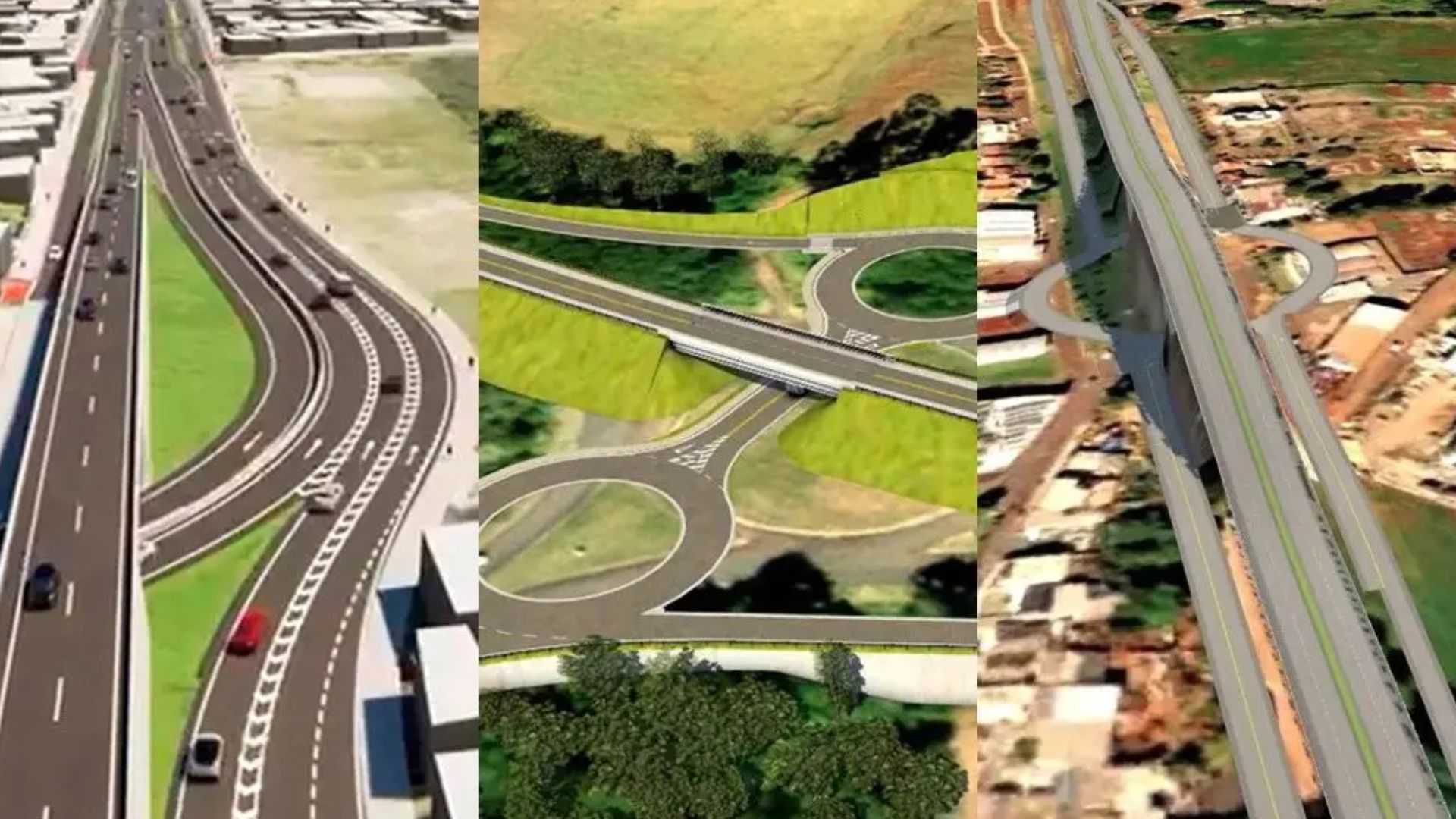
Billion-Dollar Investment Promises to Transform Highways in Paraná with Concrete Technology, Increasing the Durability of the Roads and Bringing Impacts to Transport and the Local Economy.
Paraná will begin one of the largest road transformations in its recent history by investing over R$ 3.1 billion in the renovation of 646 kilometers of highways, replacing traditional asphalt with concrete, a material recognized for its high durability.
The announcement was made officially by the state government, with expected work commencement still in the second half of 2025, after the completion of bidding processes.
The expectation is that the use of concrete pavement on the main highways will bring significant impacts for drivers, transport companies, and the productive sector of the state.
-
The government requests the Federal Revenue Service for a new system to automate the income tax declaration, reducing errors, time, and bureaucracy for millions of Brazilians.

-
Pix in installments, international Pix, and contactless payment without internet: the Central Bank revealed the new features coming to the tool that is already used by almost every adult in Brazil.

-
Mercado Livre has just started selling medications with delivery in up to three hours to your door, and this move could completely change the way Brazilians buy medicines on a daily basis.

-
In Dubai, rising tensions from the war in the Middle East are causing super-rich individuals to leave the Gulf and direct their fortunes to a new financial refuge in Asia.


Concrete Roads Increase the Useful Life of the Roads
By opting for concrete roads, the government aims to extend the useful life of the roads, which can reach up to 30 years, while regular asphalt usually lasts from 8 to 10 years, depending on traffic conditions and periodic maintenance.
The Department of Highways of Paraná (DER-PR) highlighted that the sections covered are among the busiest, especially strategic routes for agribusiness and heavy transport, with an emphasis on connections with the Port of Paranaguá, one of Brazil’s main logistics hubs.
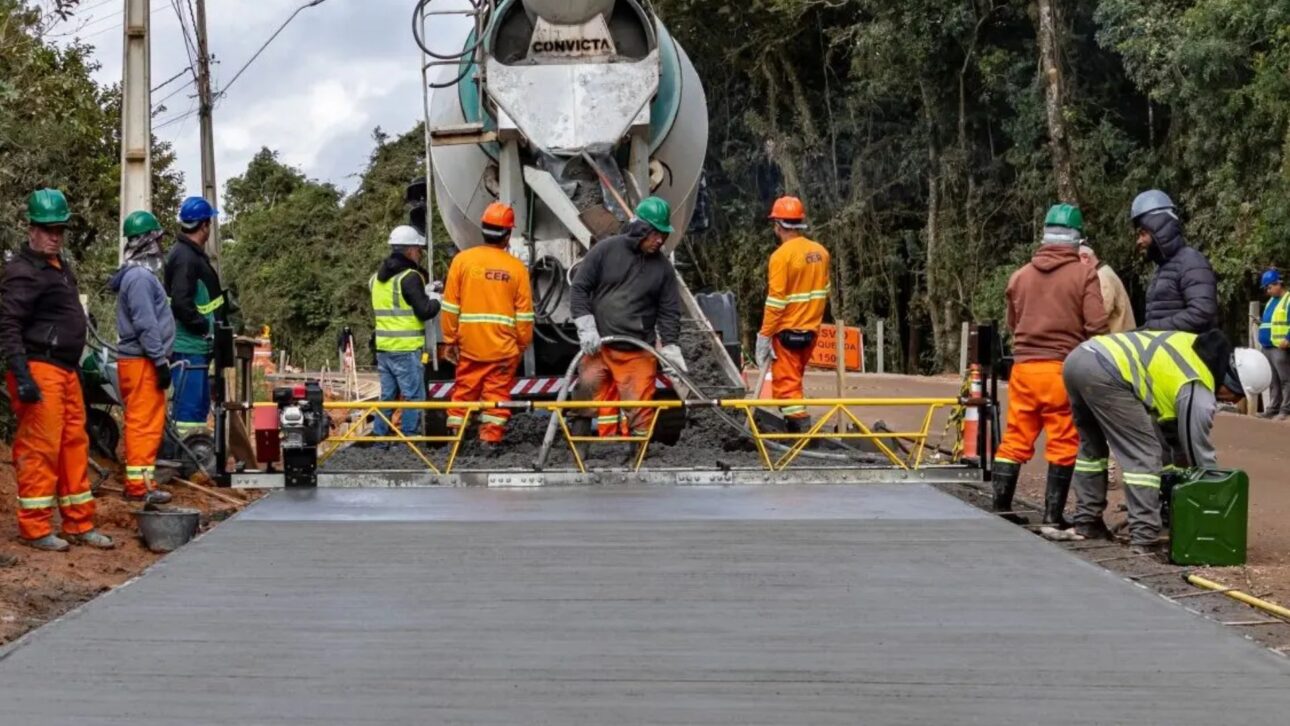
Whitetopping Technique and Intelligent Systems Arrive in Paraná
The initiative includes the adoption of a technique called whitetopping, in which a concrete layer is applied over the existing asphalt, reinforcing the road structure and increasing the level of resistance of the roads.
The method has already shown positive results in countries such as the United States and Germany, as well as successful experiences in states like São Paulo and Minas Gerais.
According to experts in road infrastructure, this solution significantly reduces long-term maintenance costs and provides greater safety for users.
Another innovation planned in the project is the incorporation of intelligent traffic monitoring and control systems.
According to information from the notice released by the government of Paraná, the new highways will feature technologies that allow real-time identification of potential structural problems and assist in managing vehicle flow, increasing efficiency and preventing accidents.
The digitalization of road monitoring is a growing trend in Brazil and should provide greater agility in responding to emergencies.
Concrete Roads Are a National Trend and Bring Environmental Advantages
The decision to invest in concrete roads also responds to the current economic scenario.
In recent years, asphalt prices have seen successive increases, worsening the cost of public works and making maintenance on high-traffic roads more difficult.
With concrete, in addition to greater durability, there are relevant environmental gains, as the material can be recycled at the end of its useful life and requires fewer frequent interventions, reducing the consumption of natural resources and pollutant emissions.
Brazil Expands Use of Concrete Pavement on Highways
In the national context, the use of concrete pavement is growing at an accelerated pace.
According to updated data from the Brazilian Portland Cement Association (ABCP), Brazil surpassed, in 2025, the mark of 2,000 kilometers of highways paved with concrete, a trend that is expected to intensify with state and federal investments in infrastructure.
Paraná stands out as one of the pioneering states in the large-scale adoption of this technology, encouraging other regions to follow suit.
Construction Projects Will Generate Jobs and Strengthen the Economy of Paraná
In addition to the direct impact on logistics, the renewal of highways is expected to boost job creation in the construction sector.
The project involves different stages, from soil preparation to concrete application and installation of intelligent systems, engaging engineering companies, suppliers of materials, and skilled professionals.
According to the Union of the Construction Industry of Paraná (Sinduscon-PR), the expectation is that thousands of jobs will be created throughout the project.
Governor Carlos Massa Ratinho Junior, during a press conference in Curitiba, emphasized that the modernization of state roads represents a quality leap for road transport, highlighting that the new roads will provide more safety, reduced operational transport costs, shorter travel times, and greater competitiveness for the Paraná agribusiness.
For transporters and drivers, the change promises greater predictability and less wear on vehicles, with fewer interruptions for emergency works.
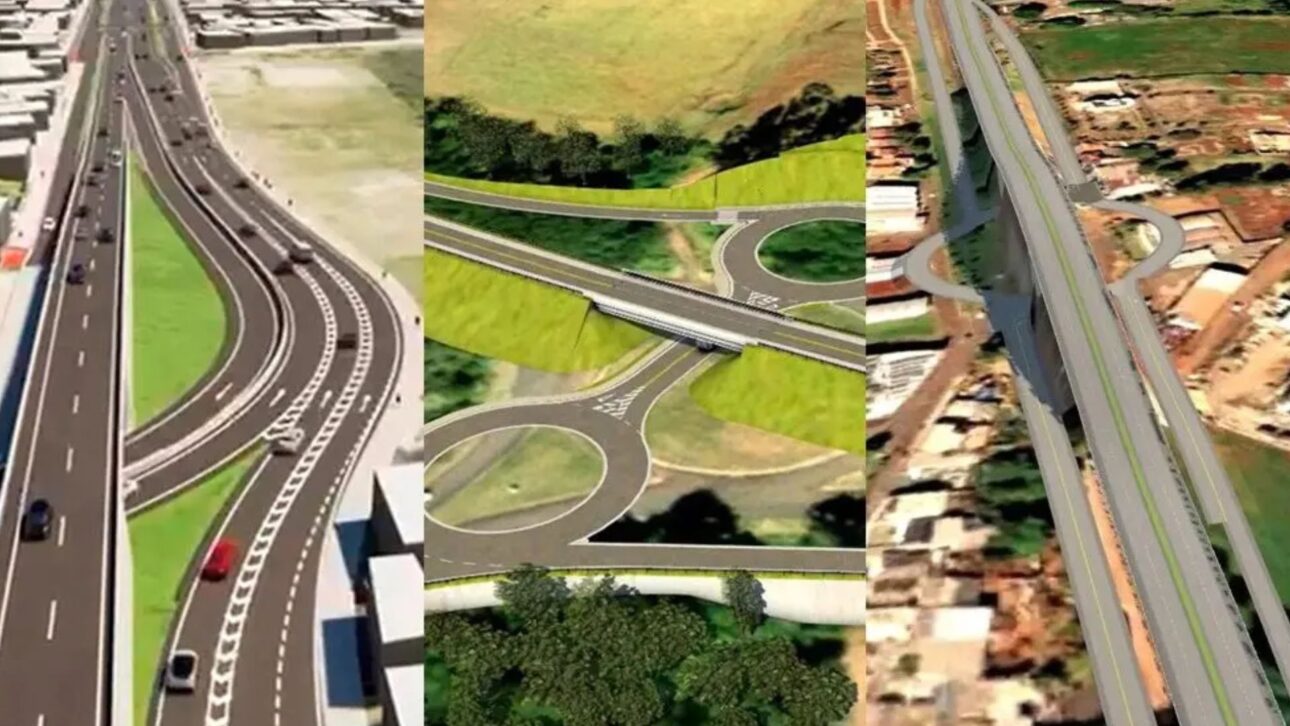
Concrete Pavement Follows International Standards and Adds Value to Local Industry
Experts in the field also point out that the choice of concrete pavement for Paraná’s highways is aligned with international practices and the recommendations of technical entities, such as the Engineering Institute and the Brazilian Pavement Association (ABPv).
Countries with large road networks, such as the United States and Germany, primarily utilize concrete in logistics corridors because of the high volume of cargo and resistance requirements.
The increased use of concrete on roads is also expected to benefit the local cement and derivatives industry, adding value to the state’s production chain.
Paraná companies in the sector expect increased demand, which could translate into investments, innovation, and regional economic strengthening.
With the confirmation of this billion-dollar investment in works and the expected start of interventions by 2025, Paraná solidifies its role as a protagonist in the modernization of the national road network, betting on more durable, efficient solutions aligned with sustainable development.
The renewal of state highways with concrete roads is seen, both by experts and the government, as a strategic step to ensure greater quality, safety, and competitiveness for the state in the coming decades.
In light of this transformation, the question that remains is: do you believe that large-scale adoption of concrete pavement could be the path to the definitive modernization of Brazilian highways?








-

Uma pessoa reagiu a isso.