





 Portuguese
  English
  Spanish
  4 min of reading
  1 comment


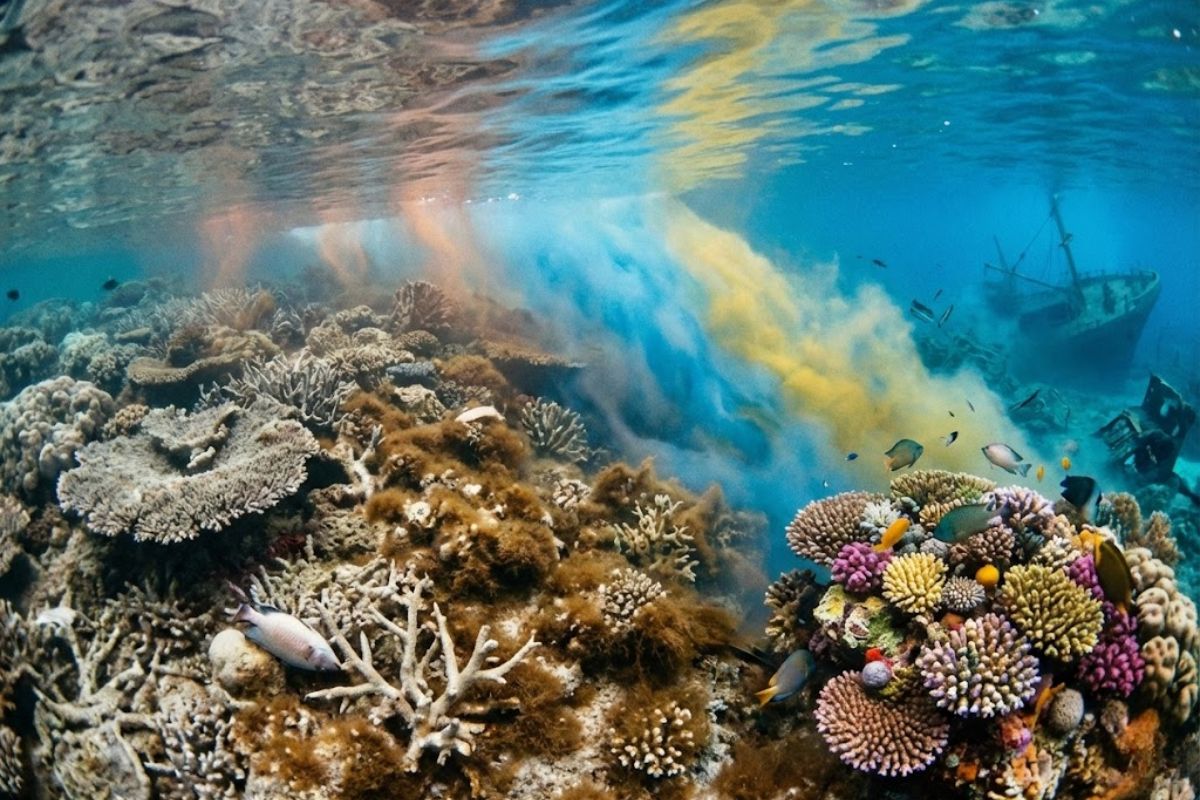


Record Heat In The Oceans Is Pushing Coral Reefs Beyond The Thermal Limit, Causing Mass Bleaching, Unprecedented Mortality, Collapse Of Marine Habitats, And A Scientific Race To Use Microbiome, Genetic Selection, And Assisted Restoration Before Entire Ecosystems Disappear, Affecting Fishing, Tourism, And Global Food Security For Communities.
Coral reefs are experiencing one of the largest environmental crises ever recorded in the oceans. Prolonged marine heatwaves have raised water temperatures long enough to trigger mass bleaching, leading essential organisms of these ecosystems to physiological collapse and mass mortality.
This scenario is transforming once vibrant areas into silent, bleached underwater landscapes, where the three-dimensional structure of the reefs begins to crumble, reducing shelter, food, and breeding grounds for countless marine species.
Heat That Exceeds The Survival Limit

Coral reefs live in association with microscopic algae that provide energy and help maintain vital functions.
-
Furniture made with aluminum and glass does not warp and has become an alternative to replace MDF in Brazil.

-
Finland, the happiest country in the world, wants to hire 140,000 technology professionals and is eyeing Brazilians: visas are issued in just two weeks and salaries with a 37-hour workweek are surprising.

-
Mr. Mário reveals the technique of the caipira papaya: he cuts the fruit in half, discards the seeds from the tip, and plants the ones from the back to increase the chance of a productive female tree.

-
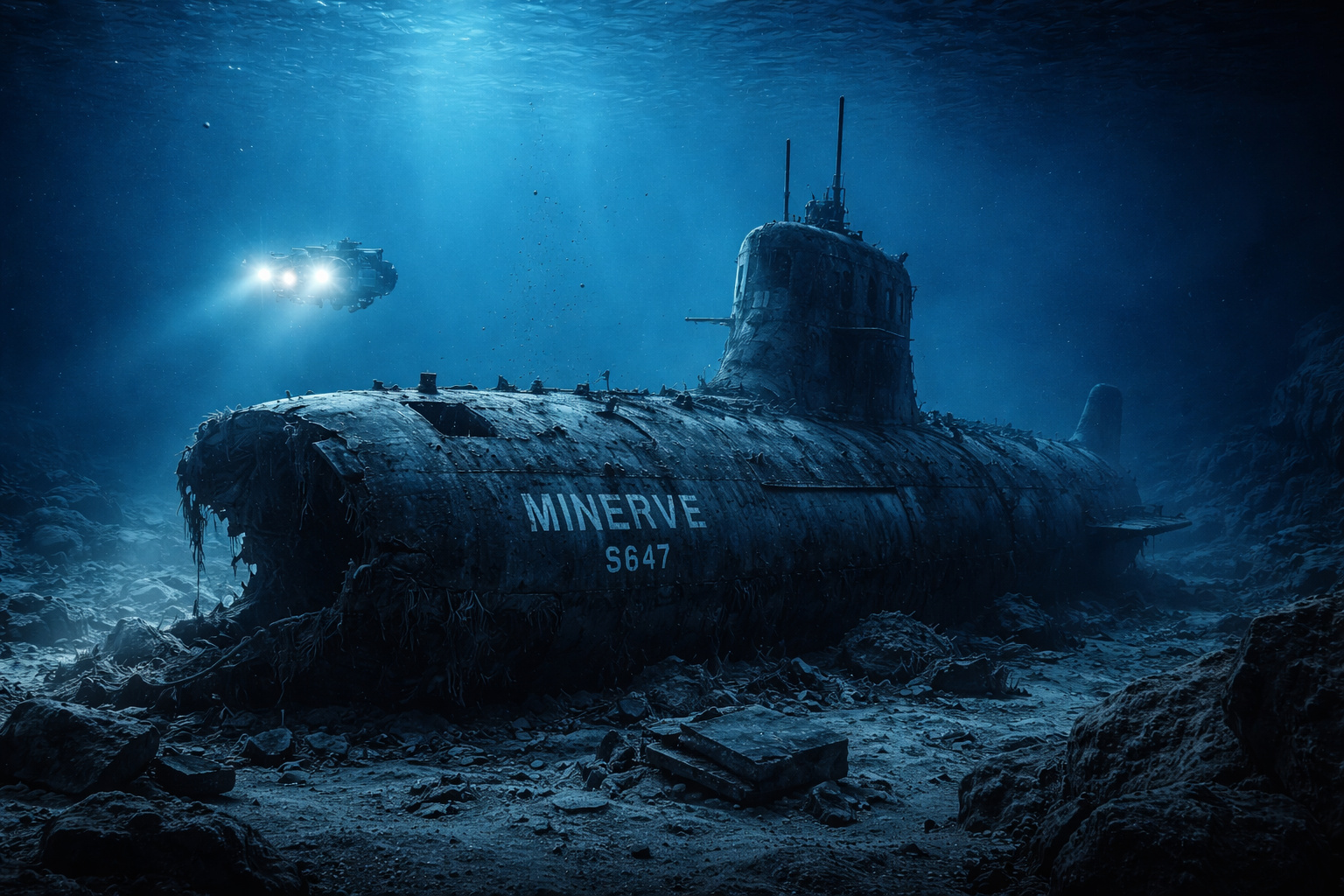
Few remember, but the submarine that disappeared in 1968 with 52 crew members was found after 51 years at the bottom of the sea at more than 2,000 meters, intriguing the entire world.

When the temperature rises too high for consecutive weeks, this relationship collapses. The algae become toxic, are expelled, and the coral loses color and its main source of nutrition.
This bleaching can be reversible in short events, but recent heatwaves have lasted for months.
Prolonged thermal stress has pushed many reefs beyond the point of recovery, causing extensive mortality in different regions of the planet.
Scientific reports indicate that the thermal safety limit for reef-building corals has already been exceeded.
With the current warming, the likelihood of massive loss of these organisms has become extremely high, even in scenarios considered less severe for global average temperature increase.
Chain Ecological Collapse
Coral reefs are ecosystem engineers. They shape currents, create refuges, feeding zones, and breeding areas. When they die, it is not just one organism that disappears, but a structure that supports entire food webs.
Fish, crustaceans, mollusks, and countless invertebrates directly depend on these environments. The death of the reefs triggers a domino effect, reducing fish stocks, altering species dynamics, and affecting human communities that rely on the sea for food and income.
In areas where mortality has been extreme, the landscape becomes dominated by rubble of calcium carbonate, with lower diversity and a reduced capacity to support complex life.
Monitoring Reveals The Extent Of The Tragedy

Integrated monitoring programs along thousands of kilometers of coastline have recorded extremely high percentages of bleaching. In several tropical locations, nearly all assessed coral reefs showed signs of severe stress.
In some areas, mortality surpassed the majority of observed colonies.
Species that were once dominant suffered sharp declines, while few showed some greater tolerance to heat, raising a warning signal and possibly a clue for survival strategies.
The Race For More Resilient Corals
In the face of advancing heatwaves, scientists have begun to investigate why some coral reefs can resist better. Attention has turned to genetic differences among individuals and populations, trying to identify lineages that are naturally more tolerant to high temperatures.
The idea is to use this information to guide restoration projects, selecting corals with a higher chance of surviving in a warmer ocean. This approach seeks to accelerate an evolutionary process that, naturally, would take much longer than the current pace of climate change allows.
Probiotics And The Invisible Role Of The Microbiome
Another area of research involves the microbiome associated with coral reefs. Bacteria and other microorganisms live on the surface and in the tissues of corals and may help defend against stress and disease.
Researchers have been testing marine probiotics, combining beneficial microorganisms to enhance coral resistance.
These microbial supplements are experimentally applied to sections of reef to assess whether they reduce oxidative stress, maintain the health of symbiotic algae, and increase the chances of survival during heatwaves.
Initial results indicate that manipulating the microbiome may become an emergency tool, buying time while global efforts to reduce warming slowly advance.
Deep Refuges And Evolutionary Hope
While shallow reefs suffer dramatic losses, researchers are also observing populations of corals in deeper waters. In these regions, temperatures vary less, offering a possible refuge for ancient lineages.
These deep coral reefs do not create colorful tourist landscapes, but they hold genetic diversity accumulated over millions of years. They may represent an important evolutionary reserve, even though they do not replace shallow tropical reefs in terms of ecosystem services.
A Future That Depends On Global Decisions
Despite advancements in genetics, probiotics, and restoration, large-scale survival of coral reefs remains linked to controlling global warming. Without reducing the pace of marine heatwaves, any local intervention risks being overwhelmed by increasingly frequent and intense events.
Science is trying to buy time, but the fate of these ecosystems depends on political, energy, and economic choices made on a global scale.
If reefs continue to disappear at this rate, how do you imagine this will impact life in the oceans and the human communities that depend on them?






Parabéns, Maria Heloisa! Excelente matéria, bem escrita, profunda e realista. Pecado seja verdade.