





 Portuguese
  English
  Spanish
  3 min of reading
  31 comments


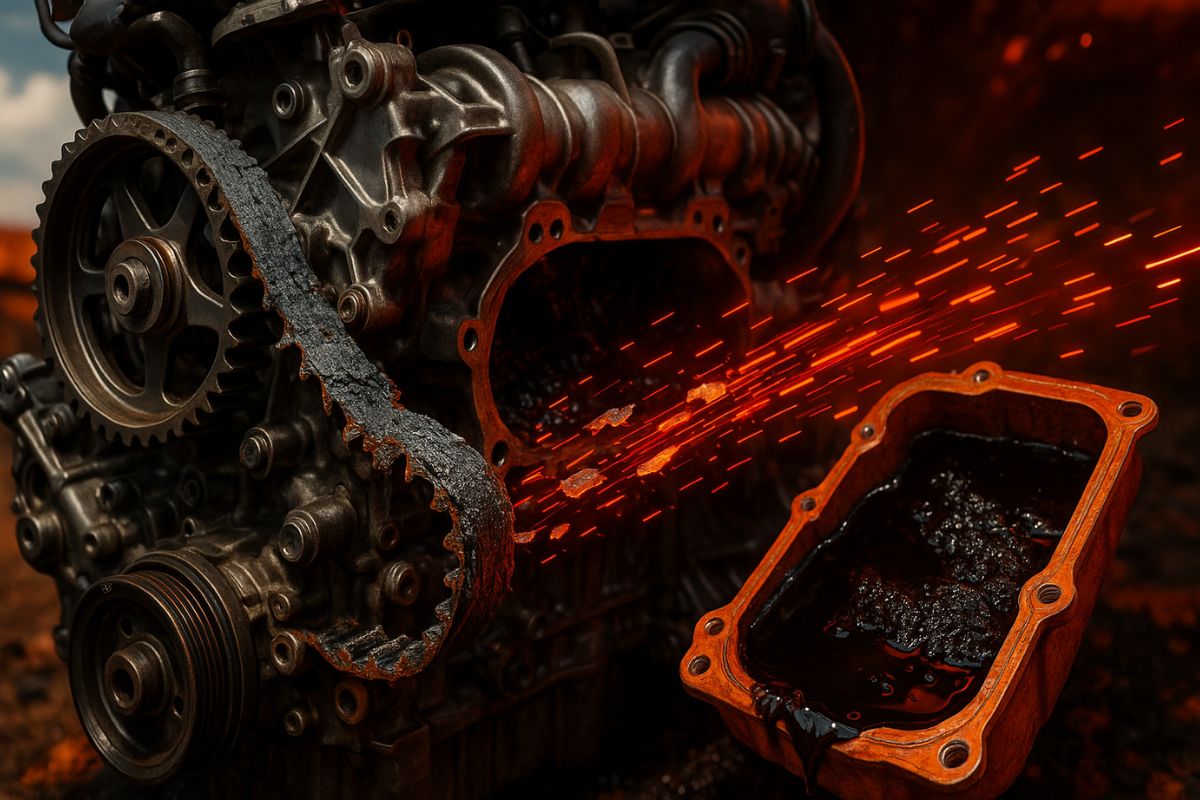


Onix 1.0 3 Cylinders: Why The Oil-Soaked Belt Dissolves Before Time. Failure In The Oil Pan Design Can Leave Contaminated Oil Residues In The Engine And Accelerate The Wear Of The Oil-Soaked Belt, According To Analysis By DR Auto Mechanics.
The Onix 1.0 3 Cylinders, both in the aspirated and turbo versions, has been accumulating reports of failures in the oil-soaked belt, which in many cases dissolves prematurely, even with dealership maintenance and the use of proper lubricants. This issue has concerned vehicle owners facing high repair costs.
According to a technical analysis by DR Auto Mechanics, the problem is not just with the belt, but in the design of the engine oil pan, which makes complete oil drainage difficult during changes. This detail causes contaminated residues to remain in the engine, compromising lubrication and favoring the wear of the oil-soaked belt and even the vacuum pump.
Chronic Defect In The Drainage System
According to specialists, the oil drain plug in the Onix is positioned at a lateral point of the oil pan, which prevents all the lubricant from being removed at the time of the change. Up to 0.5 liters of contaminated oil can remain at the bottom of the engine, mixing with the new oil and reducing its efficiency.
-
5 cheapest used cars than a Honda CG 160 Titan 0 km, with options starting at R$ 13,000 for those who want to trade their motorcycle for a car and escape the rain, sun, and risks of riding.

-
Around R$ 24,000: 4 used Ford SUVs with up to 253 hp, V6 engine, all-wheel drive, 7 airbags, panoramic sunroof, and a complete package that surprises with its price and performance in Brazil.

-
A brand new car starts at around R$ 75,000 in Brazil, but what stands out the most is seeing streets filled with SUVs and expensive sedans in a country where millions remain in debt.

-
For R$ 32,000, a brand new Hyundai car is a rival to the Kwid with a 1.2 engine producing 82 hp, 6 airbags as standard, multimedia with wireless Android Auto, up to 391 liters in the trunk, and a refreshed look for 2026 in India.

The problem worsens because the oil-soaked belt operates immersed in this contaminated environment. With the presence of degraded oil and impurities, the chance of premature dissolution of the belt material increases, which can compromise the engine’s durability.
Risk To The Vacuum Pump
In addition to the belt, the accumulation of residues can clog the oil pickup, which is responsible for pulling the lubricant into the system. When this happens, dirt can reach the vacuum pump, an essential part for the proper functioning of the vehicle.
If the vacuum pump operates dry or with reduced oil flow, its vanes may wear out and release fragments that circulate throughout the engine. This cascading effect increases the risks of severe damage and high-cost repairs for the owner.
Even With Up-To-Date Services, Problems Persist
Cases reported by DR Auto Mechanics show that the oil-soaked belt can dissolve even in vehicles with all services performed at dealerships, with receipts kept and use of the correct oil indicated by the manufacturer.
In one of the examples, an Onix with 120,000 km already showed visible wear on the oil-soaked belt, reinforcing that this is not a maintenance error by the owner, but rather a structural failure in the engine design. Therefore, the recommendation is to remove the oil pan and perform a complete cleaning during the oil change, preventing residues from contaminating the system.
Is It Worth Worrying?
Although GM has extended the warranty for engines with oil-soaked belts, specialists warn that the problem can generate high costs for the owner after the coverage period. Changing the belt requires specific tools, specialized labor, and extensive disassembly, which increases the service cost.
For those who already have the model, the advice is to pay extra attention to preventive maintenance, demand detailed inspections at specialized workshops, and consider cleaning the oil pan as a mandatory part of the oil change. This measure reduces the risk of belt dissolution and more serious problems in the engine.
The case of the Onix 1.0 3 Cylinders shows how the oil-soaked belt, which should represent innovation and efficiency, has become a point of concern for Brazilian drivers. The defect in the oil pan drainage exposes owners to unexpected costs and raises questions about the durability of the design.
Have you faced issues with the oil-soaked belt in your car? Do you think the failure is the responsibility of GM or of the owner who should reinforce maintenance? Leave your opinion in the comments — we want to hear your real experience.







Então por acaso teria outro ponto no bujão do carter para mandar colocar ( soldar ) outro tipo de escorador de óleo, ou não seria viável
Meu onix aconteceu exatamente tudo que está descrito. Com apenas 69 mil km. Por sorte parei ele o mais rápido possível na semana passada e estou indo pegar ele amanhã 26/08. Troca da correia e da bomba de Vacuo. Detalhe: graças e Deus meu carro eu parei porque estava sem freio e foi detectado os demais problemas
A PIOR CAGADA DA ENGENHARIA DA GM ATÉ HOJE E PIOR SAO TEIMOSO E NAO MUDA O PROJETO ….EU NAO COMPRO NENHUM ONIX DE CORREIA BANHADA NUNCA MAIS….projeto ridículo.