





 Portuguese
  English
  Spanish
  4 min of reading
  0 comments


Bioceanic Route advances with the bioceanic bridge at 89% completion, using 14 thousand tons of steel and 60 thousand m³ of concrete to connect Porto Murtinho to Carmelo Peralta and accelerate South American logistics
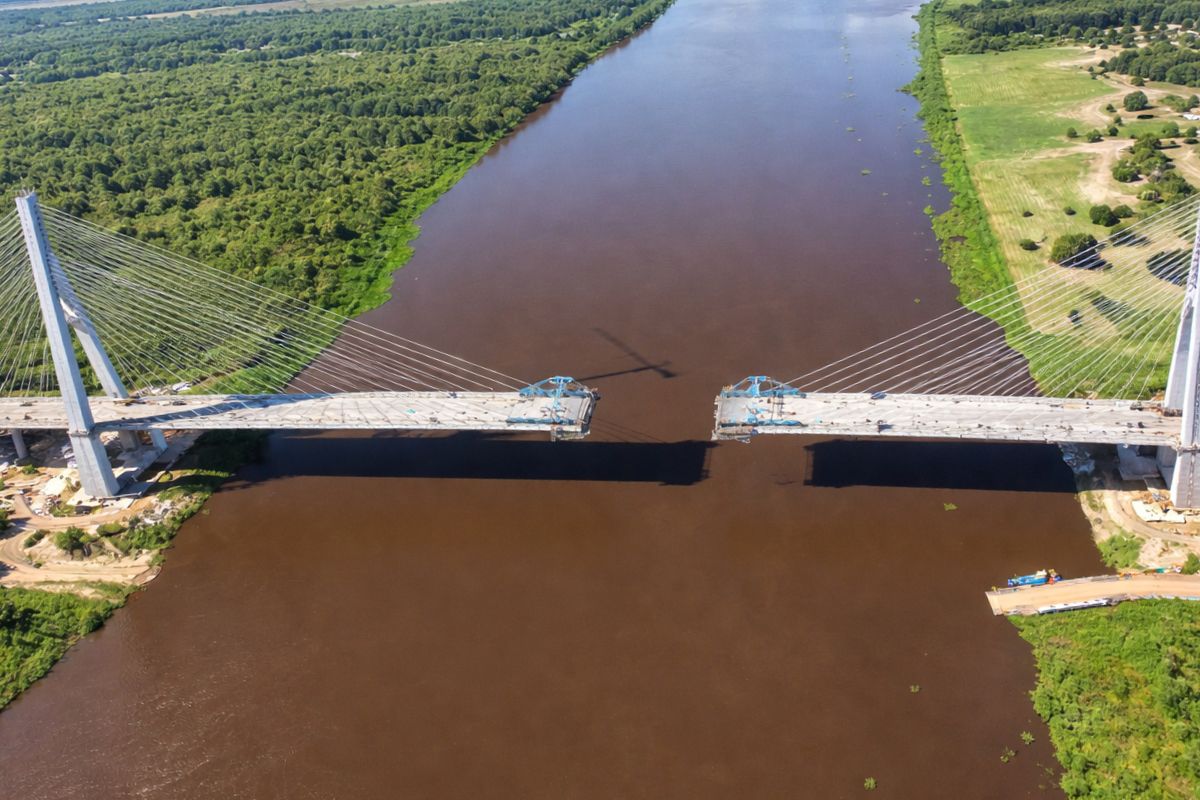
The Bioceanic Route is closer to gaining one of its most symbolic landmarks: only 37 meters remain for the deck on the Brazilian side and the deck on the Paraguayan side to meet over the Paraguay River, according to a video from the channel Engineer Wilson Júnior.
The bioceanic bridge, a project estimated at over R$ 575 million, has reached about 89% completion and aims to finish the meeting still in April, a stage that requires millimeter precision and fine engineering adjustments in the final meters.
Where the bridge is located and why it is a key piece
The bioceanic bridge is located at the border between Brazil and Paraguay, connecting Porto Murtinho, in Mato Grosso do Sul, to Carmelo Peralta, in Paraguay. It is presented as one of the largest engineering works in South America and as a central piece to connect the Bioceanic Route.
-
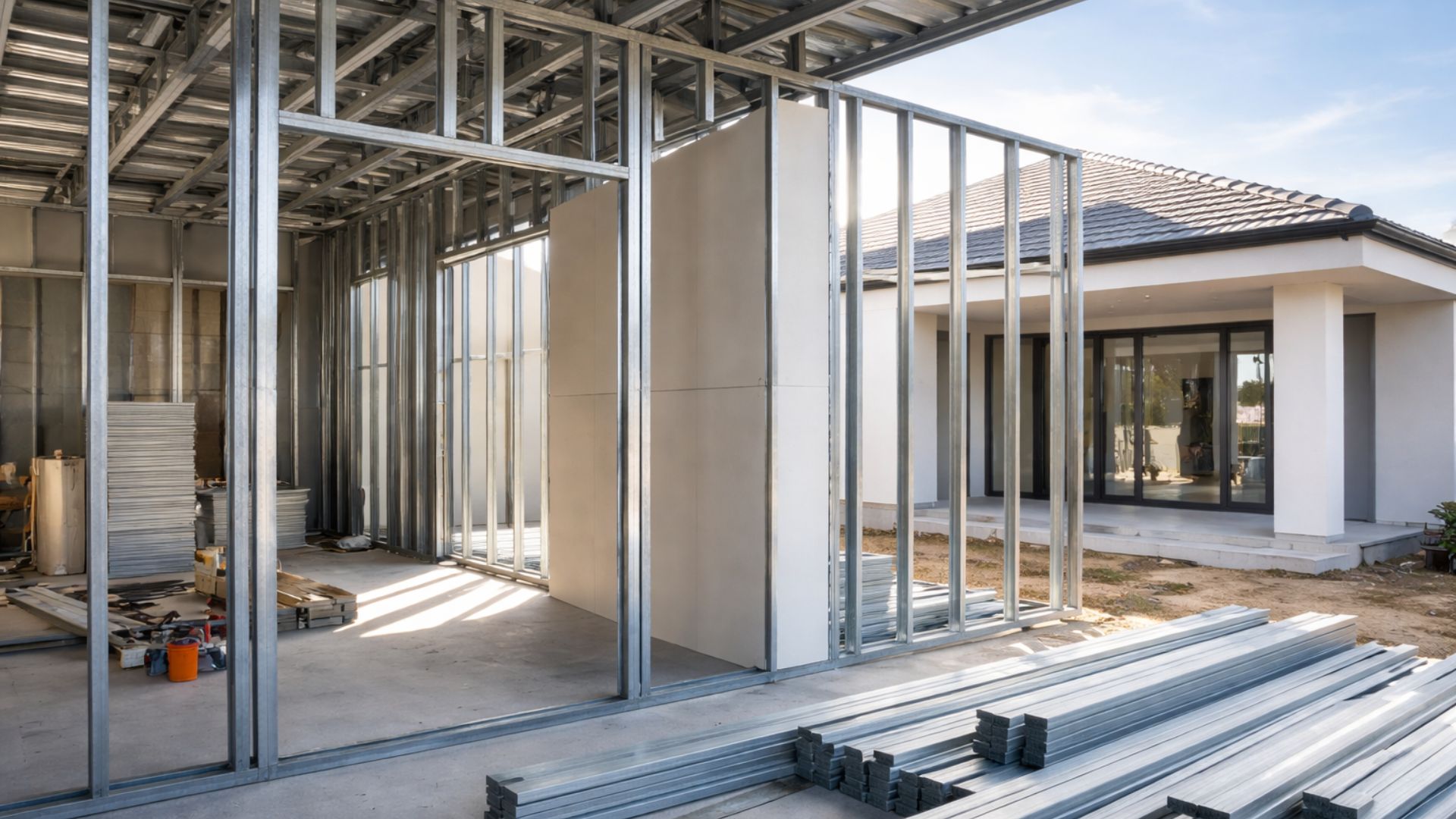
The new era of civil construction features “dry construction” and boosts a company that accelerates expansion with 48 stores and steel frame.
-
Woman enters abandoned houses for 16 years that no one dared to visit: beautiful project and logical layout, interior mold-free, possible resort; after exploring, decides to buy everything for €32,000 and surprises the entire village.

-
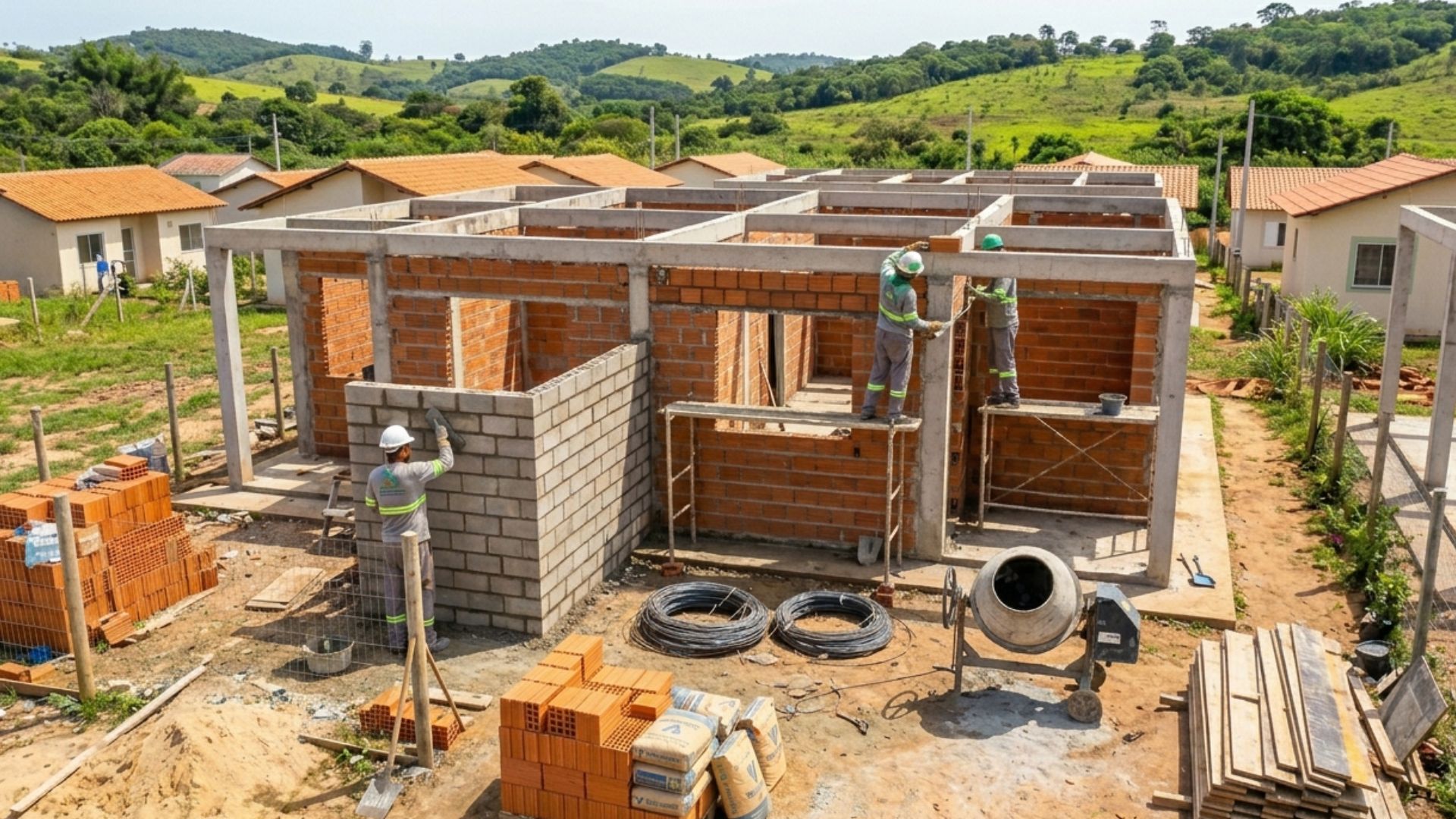
Simple 2-bedroom house: a study of the construction sector reveals the real cost that few expect and shows how strategic decisions can prevent losses and ensure significant savings in the dream of homeownership.
-
Danish company creates the world’s first door made from fungi that grows in just two weeks, is fire-resistant, and promises to replace traditional wood in construction with nearly zero environmental impact.

The strategic commercial route described in the video promises to connect the Atlantic Ocean to the Pacific Ocean by land, reducing costs, decreasing export time, and increasing the competitiveness of exporters from Brazil, Paraguay, Argentina, and Chile.
The numbers that explain the scale of the work

The structure totals about 1,294 m in total length, with 350 m of free span over the waters of the Paraguay River, a span supported by steel cables to maintain the cable-stayed design.
In construction, more than 60,000 m³ of concrete and about 14,000 tons of steel are cited, in addition to approximately 168 stays in the cable-stayed section, totaling approximately 688 tons of steel cables.
Why the cable-stayed bridge facilitates the navigability of the river
The bridge is described as cable-stayed, a modern method for spanning large distances. The goal is to have no pillars in the central span of the river, allowing for the navigability of the Paraguay River and keeping the span free over the water.
The deck advances successively on both sides of the mast, with pieces advancing from the Brazilian side and the Paraguayan side so that the meeting occurs at the same point and at the same time.
What it means to “close” the bridge and why only 37 m remain
The final meeting occurs at the closure joint, installed when both sides reach the exact point. Therefore, it is not enough to be close: the last meters require precise alignment, because any difference may appear right at the moment of fitting.
The video highlights that temperature variations, material deformations, and differences in the tensioning of the stays can cause misalignment, and the correction involves tensioning the cables a bit more on one side or the other until everything is exactly the same before producing the joint on site.
Accelerated work to conclude still in April
The teams must work continuously to finalize the meeting between Brazil and Paraguay still in April, with the goal of completing the cable-stayed section over the waters of the Paraguay River by the end of the month.
The idea presented is to crown this stage with the closure of the deck, consolidating the most symbolic point of the work.
Logistical impact and international integration of materials
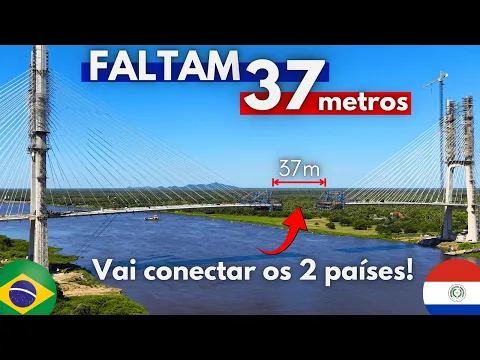

The video mentions that the execution depends on components and technologies coming from various parts of the world. Anchors from Europe, structural systems from Italy, and industrial components from China are cited, in addition to items from other origins.
The final message is that these 37 m represent more than just uniting two countries: it is about creating a new economy, a new route, and a new highlight for engineering on the South American continent, with the potential to change the logistical map of the region.
And you, do you think the Bioceanic Route will really reduce costs and export time when the bridge is closed, or will the biggest challenge still be the infrastructure of the entire route?
With information from the YouTube channel Engineer Wilson Junior.






Seja o primeiro a reagir!