





 Portuguese
  English
  Spanish
  3 min of reading
  0 comments


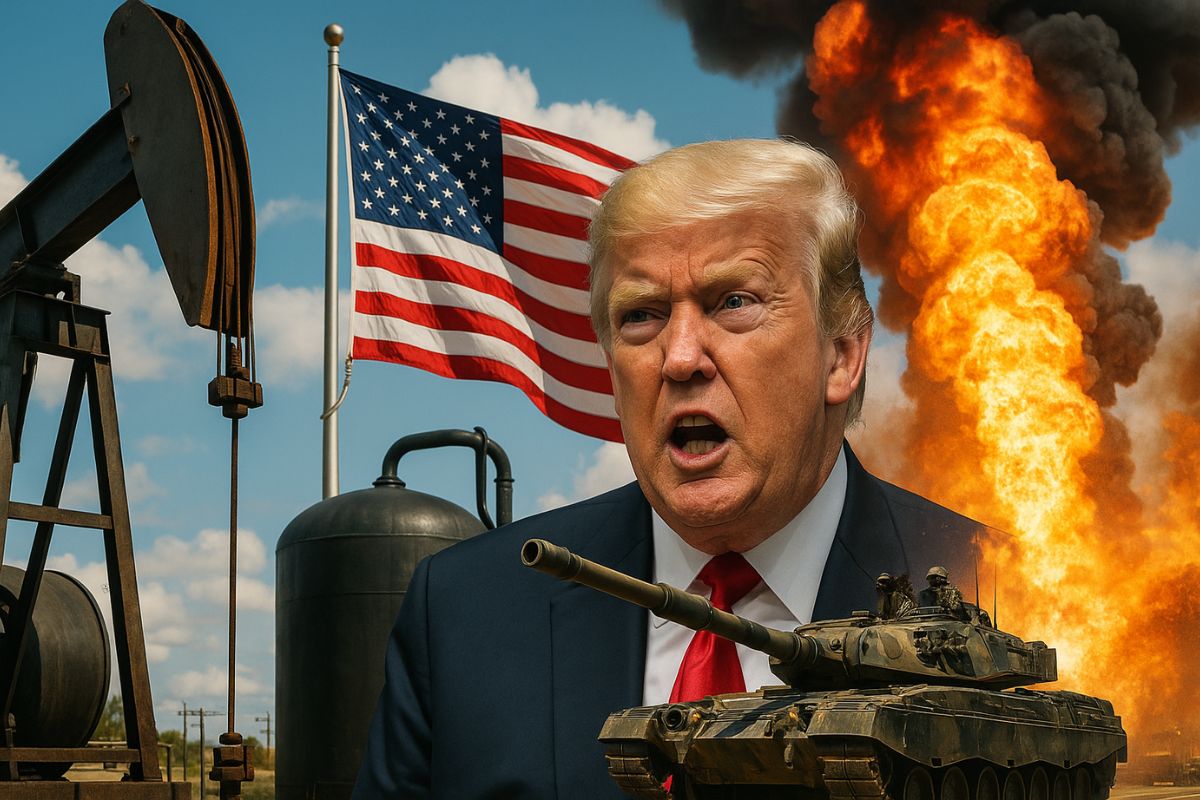
Meeting Scheduled For October 5 Should Define Increase Of 137 Thousand Barrels Per Day As Prices Rise Again And Political Pressure Intensifies Global Tensions
The OPEC+ is expected to approve a new increase in oil production at its next meeting, scheduled for October 5. The expectation is that the increase will be at least 137 thousand barrels per day, repeating the rise already implemented in October and consolidating the strategy of gradual supply expansion.
The move comes in a scenario of international pressure and increasing volatility. The group, which includes OPEC countries and allies such as Russia, is trying to balance prices amid pressure from former U.S. President Donald Trump and the impacts of the war in Ukraine, which have affected refining and shipments from one of the largest exporters in the world.
Context Of The Production Increase
Since April, the OPEC+ has reversed deep production cuts and has already added more than 2.5 million barrels per day to the market.
-
The rise in oil prices could ensure an extra revenue of R$ 100 billion for the Federal Government, indicates a recent economic study.

-
Naturgy begins an investment of R$ 1.6 million to expand the gas network in Niterói and benefit thousands of new residences and businesses.
-
A major turn in the Justice system suspends tax increases and directly impacts oil and gas companies in Brazil by affecting costs, contracts, and financial planning, leaving uncertain what could happen to the sector if these costs had increased.

-
Brava Energia begins drilling in Papa-Terra and Atlanta and could change the game by reducing costs in oil while increasing production and strengthening competitiveness in the offshore market.

This volume represents about 2.4% of global demand and was aimed at recovering market share in a scenario of strong competition.
Nevertheless, analysts emphasize that the announced increases fell short of the planned as many countries in the group face technical limits in expanding extraction.
Nonetheless, the gradual adjustments show the intention to ensure influence over the international market.
Political Pressure And The International Scenario
The escalation of tensions goes beyond the energy market.
Donald Trump has pressured the cartel to reduce oil prices, arguing that high prices harm consumers and could hinder economic recovery.
Meanwhile, Ukrainian drone attacks on Russian refineries and pipelines have elevated instability, pushing the barrel back above US$ 70.
This context reinforces the weight of the OPEC+ decision, which produces about half of the oil consumed in the world.
With each round of adjustments, member countries gauge the impact of their choices on fragile economies and global geopolitics.
Path Of Production And Limits Of The Strategy
Reductions implemented in recent years reached 5.85 million barrels per day at their peak.
Today, most of those restrictions have already been reversed.
For November, the forecast is to maintain the pace of 137 thousand additional barrels per day, although the final decision still depends on the ministers’ meeting.
Experts point out that the group has authorized countries like the United Arab Emirates to increase their capacity by 300 thousand barrels daily between April and September.
This indicates that, in addition to collective cuts, there are individual interests that also weigh in the negotiations.
Impact On Prices And The Global Economy
Oil started the year above US$ 80 per barrel but fell to the range of US$ 60 to US$ 70 after production resumed.
Still, the recent spike has reignited alarms about inflation and energy costs, especially in importing countries.
The expectation is that, even with new production increases, the balance between supply and demand will remain fragile, keeping the commodity at a volatility level that affects everything from transportation to industrial production.
The OPEC+ decision in November could be crucial for the trajectory of oil and, consequently, the global economy.
The equation of expanding supply, stabilizing prices, and maintaining geopolitical influence remains challenging.
And you, do you believe that the gradual increases from OPEC+ will be sufficient to hold back the rise in oil prices, or will the market remain unstable? In your view, should political pressure weigh more than production limits? Share your opinion in the comments.









Seja o primeiro a reagir!