





 English
  Francês
  Alemão
  Italiano
  Japonês
  Norueguês
  Portuguese
  Spanish
 5 min of reading


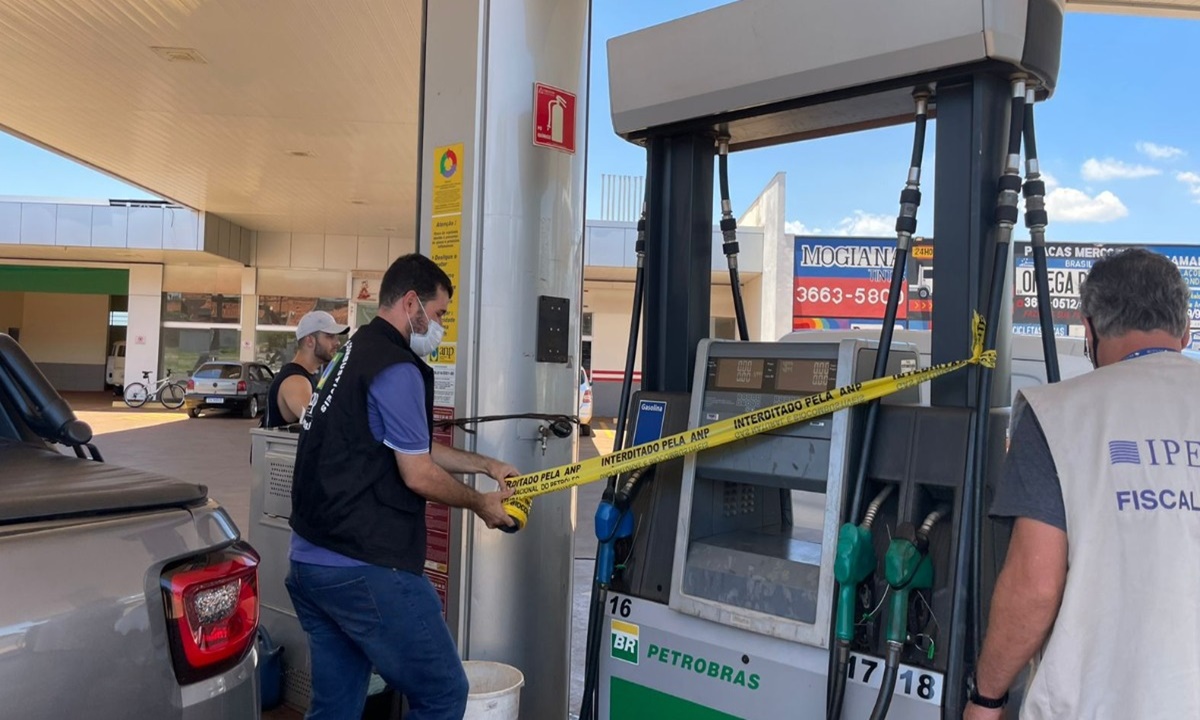
Gas Stations Were Fined, Shut Down, and May Face Fines of R$ 5 Million, Suspension of Operations, and Revocation of Authorization.
High gasoline prices and high profits do not prevent resellers from practicing arbitrage. A large operation by the National Agency of Oil and Gas (ANP), composed of 15 teams, inspected 34 automotive fuel resellers in the Metropolitan Region of São Paulo last Friday (11/19).
Also Read
- Ativa Investimentos estimates that Petrobras needs to raise gasoline prices by 6% to eliminate the gap between domestic fuel prices and international quotes
- Brazil, the world’s largest exporter of cellulose, develops chemical pulp made from cattle manure that promises to replace wood-based cellulose and revolutionize paper production
- Siemens lands a huge order for the construction of the GNA II Thermoelectric Plant at the Port of Açu; the largest LNG complex in Latin America has investments of R$ 6 billion and will supply energy to 14 million households
- SENAI and MEC offer over 100 online (EAD) and free courses with certificates to train 820,000 people by 2025
- Canada needs labor and is filling job vacancies in Technical, Engineering, Mechanical, Technology, Health, and more areas
In total, 21 resellers were fined for various irregularities, with six establishments totally shut down for violations such as: selling fuel outside specifications, breaking seals from previous shutdowns, and hindering the work of inspectors.
Fuel Dispensers Were Shut Down at Seven Resellers
Fuel dispensers were shut down at seven resellers for providing fuel in volumes lower than that displayed on the equipment (“short pump”).
-
Brazilian giant expands borders in the Southeast: Petrobras confirms new oil discovery in ultra-deep waters in the pre-salt of the Campos Basin.

-
Alert in the global energy market: Severe tropical cyclone hits the coast and disrupts gas production at major plants in Australia, threatening global supply.

-
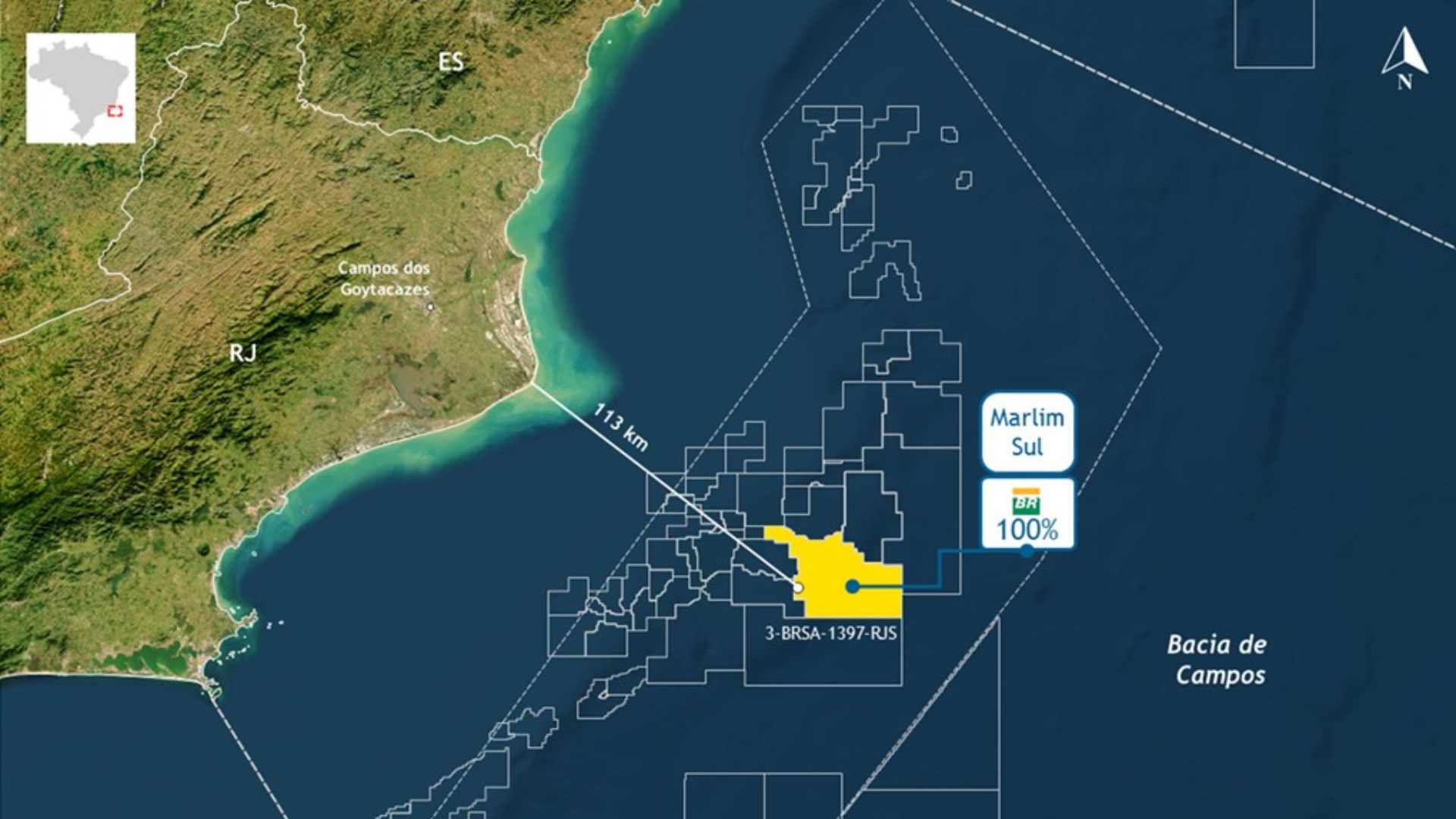
Petrobras finds high-quality oil in the pre-salt at 113 km from RJ and reignites expectations about strategic reserves in the Campos Basin.

-
Ocyan opens registrations for startups focused on innovation in the oil and gas sector and will select projects for Innovation Day with the support of Nexio.


The work of the enforcement agents that resulted in the significant number of shutdowns was due to the coordinated action of the ANP’s planning. The actions focused on selected stations based on indications of irregularities identified through intelligence vectors, which ensured positive results for this large operation.
The establishments, according to the infractions found, were fined, shut down, and subject to fines that can range from R$ 5,000 to R$ 5 million, in addition to penalties of suspension of operations and revocation of authorization. The sanctions are applied only after an administrative process, during which the economic agent has the right to full defense and contradiction, as defined by law.
Reports of irregularities in the fuel market can be directed to Fale Conosco, HERE, or by free phone call at 0800 970 0267.
Petrobras Needs to Raise Gasoline Prices by 6% to Eliminate the Gap Between Domestic Fuel Prices and International Quotes
Consumers need to brace themselves once again! According to a technical study by Ativa Investimentos, to eliminate the gap between fuel prices in Brazil and international quotes, the Brazilian oil company Petrobras will need to raise gasoline prices by 6%.
“In the last adjustments, Petrobras made increases, leaving an average of 14% of potential upward movement behind, which we attributed to a temporal lag in correction,” evaluates the chief economist of Ativa Investimentos, Étore Sanchez.
The Next Petrobras Adjustment, or Lack Thereof, Will Be Relevant for Gasoline Behavior in the Coming Months
According to a brokerage, hypotheses are circulating that the benchmark of Petrobras is not the complete elimination of the gap, but rather a lower level, in order to ensure market share. “If this hypothesis is correct, it would be as if the parity should be calculated with the international price plus a discount for the market share proposed by the company,” explains Sanchez.
If Petrobras is putting this discount into account, it is possible that there will be a reduction in gasoline prices in the coming days. “In the long run, the strategy could generate arbitrage, but in the short term, it is completely feasible,” explains the chief economist at Ativa.
Despite this, Ativa does not anticipate new adjustments at this time. The next move by Petrobras will define, after all, what the company’s strategy is.
“In any case, the next adjustment, or lack thereof, will be very relevant for us to align our perspectives on gasoline behavior in the coming months. If the next adjustment is downward, despite the upward potential, it reinforces the hypothesis of market share. If it remains unchanged and/or we have an upward adjustment, it reinforces the hypothesis of temporal lag (waiting for stabilization),” says Sanchez.
To Escape High Petrobras Prices, Brazilians Rush to Buy Gasoline at Half Price, and Fuel is Limited to 15 Liters to Avoid Shortages in Porto Iguaçu
The Argentine government has decided to limit gasoline sales in the city bordering Brazil. The measure aims to curb the rush of Brazilians to the fuel stations in the city of Porto Iguaçu, a town neighboring Foz do Iguaçu in the state of Paraná. The demand is so high that gas stations have started accepting payment in reais instead of Argentine pesos.
Sales of gasoline to foreigners are limited to 15 liters to prevent shortages in the Argentine city, as the price per liter in Porto Iguaçu (Argentina) is nearly half that found in the neighboring city of Foz do Iguaçu (Brazil), where fuel is sold at an average of R$ 6.90.
Besides Brazilians, Argentine gas stations have also attracted Paraguayans, who have been paying approximately R$ 4.10 per liter of gasoline. The idea is precisely to discourage Brazilians and Paraguayans from refueling locally, as stations have a maximum quota.
The gas stations had already been separating buyers into foreigners and Argentines, with exclusive lines for each category; now this new decision has been made by the stations.
The measure was agreed upon after complaints from local residents about long lines formed at the stations since the border opened. Read the full article here.









Seja o primeiro a reagir!