





 Portuguese
  English
  Spanish
  3 min of reading
  0 comments



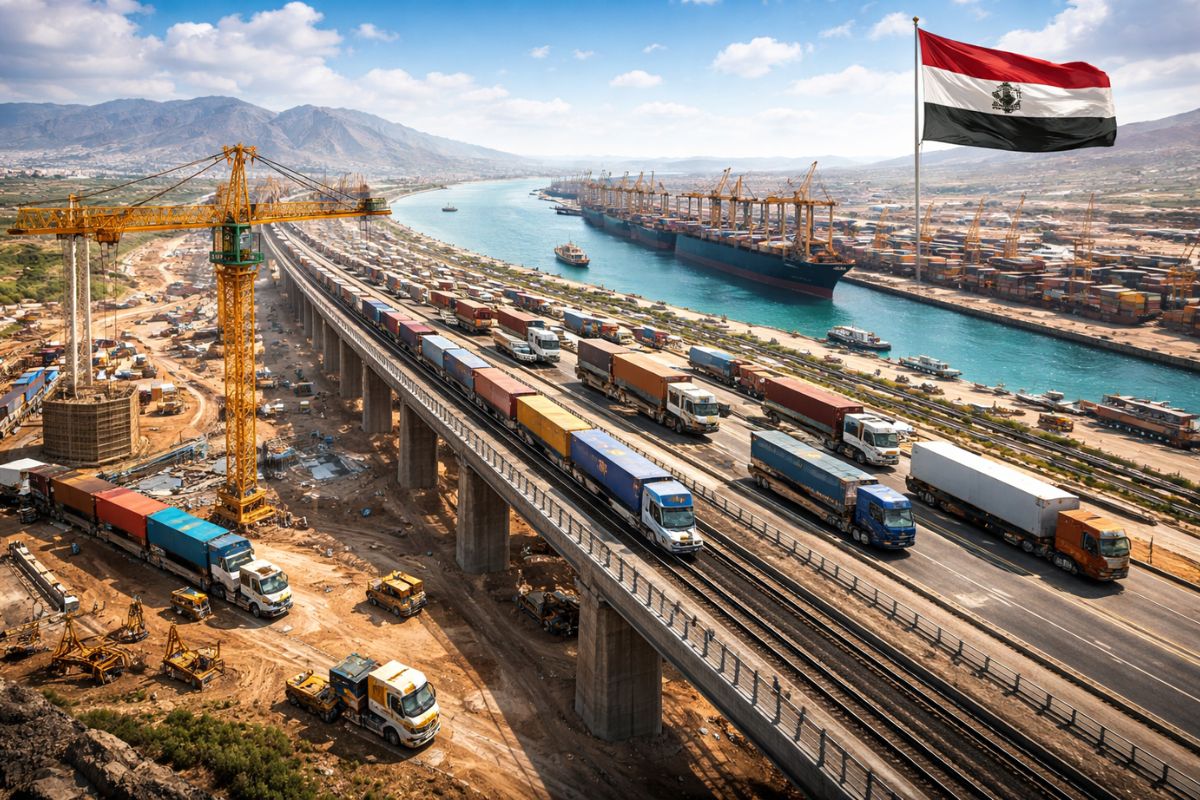
Imagine a Rail of Opportunities That Extends for 30 Years. This is Exactly the Scenario That the Railway and Port Terminal Operator VLI Envisions When Announcing a Massive Investment of R$ 10.5 Billion in the Southeast Corridor. This Investment Is Just a Slice of a Robust Plan of R$ 24 Billion Aimed at Modernizing and Expanding Rail Transportation Capacity in Brazil, Especially in the Southeast Corridor, Which Is Expected to See an Impressive 80% Growth in Cargo Movement Over the Next Three Decades.
The R$ 10.5 billion Allocated for the Southeast Corridor Is Part of a Commitment Made by VLI for the Early Renewal of the FCA (Ferrovia Centro-Atlântica) Concession, a Key Route Connecting Seven Brazilian States and Providing Access to Strategic Ports Such as Santos (SP) and Tubarão (ES). This Investment Is Seen as Crucial for the Southeast Corridor to Absorb the Growing Demand for Exporting Brazilian Products, Including Soybeans, Sugar, Corn, and Soybean Meal—Sectors in Which Brazil Is a Global Leader.
According to Fábio Marchiori, CEO of VLI, accelerating the renewal of the concession Is a Priority to Allow Capacity Increases to Be Made as Quickly as Possible. “We Are Trying to Accelerate as Much as Possible. The Longest Timeline We See Is March 2026, but We Are Working with the Ministry of Transport and ANTT to Facilitate This Renewal as Soon as Next Year,” the Executive Stated. This Strategy Aims to Strengthen the Role of the Southeast Corridor, Currently Responsible for About 25% of the Cargo Handled by VLI.
Planned Growth Beyond the Southeast Corridor
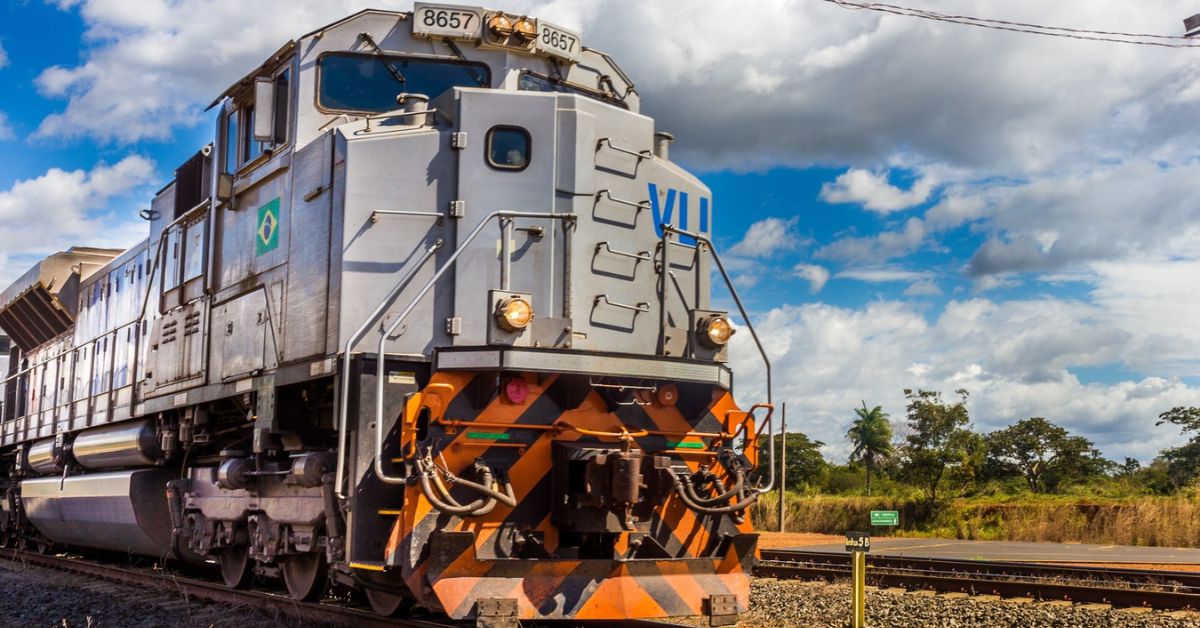
In Addition to the Southeast Corridor, the Total Investment of R$ 24 Billion Will Also Be Directed to the East Corridor, Which Handles Approximately 50% of VLI’s Volume and Is Expected to Grow by 50% Over the Next 30 Years. Additional Corridors Such as Minas-Rio and Minas-Bahia Will Receive R$ 3.5 Billion, Completing the Renewed and Expanded Railway Network to Meet the Demands of Both Domestic and International Markets.
-
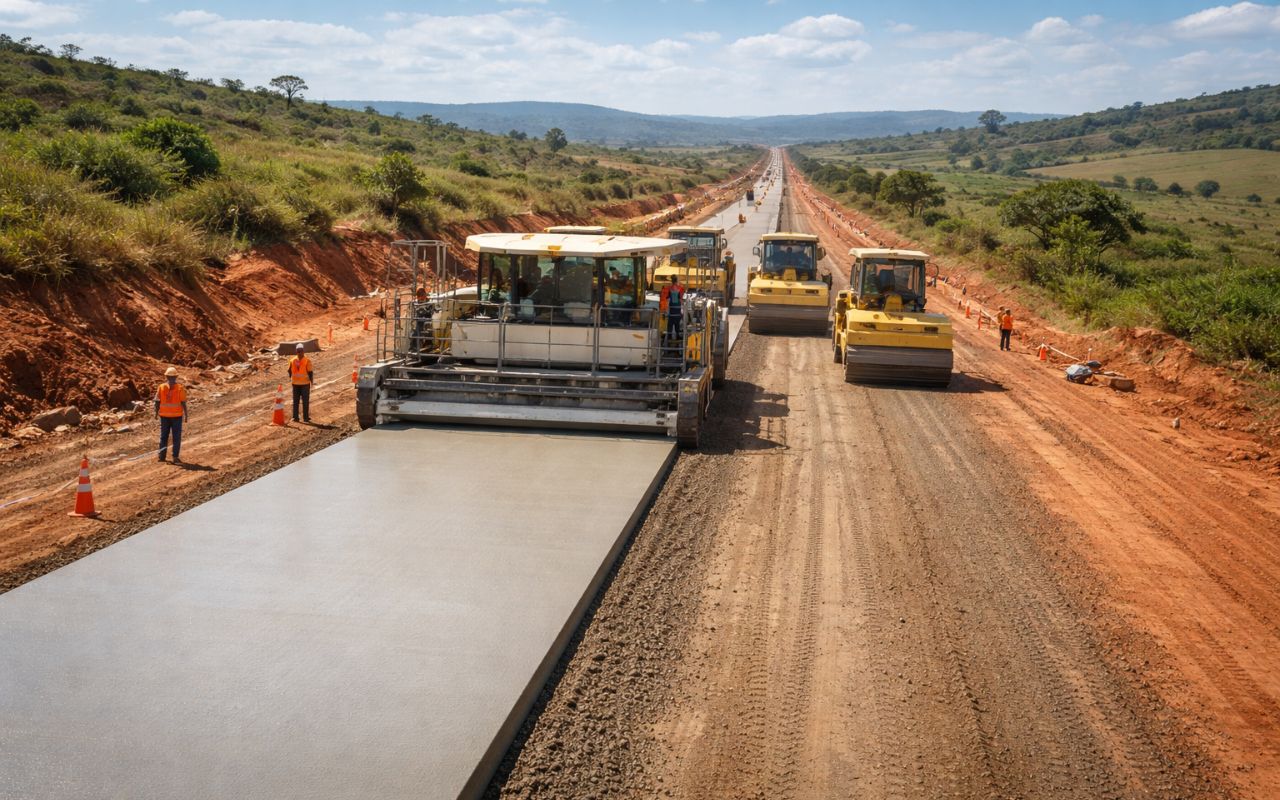
New CCR concrete paving technology promises roads up to 3x more durable, less maintenance, and cost reduction in Brazil.
-
Made from recycled plastic, plastic wood is gaining space in the construction industry because it does not rot, resists moisture, and reduces maintenance costs over the years.

-
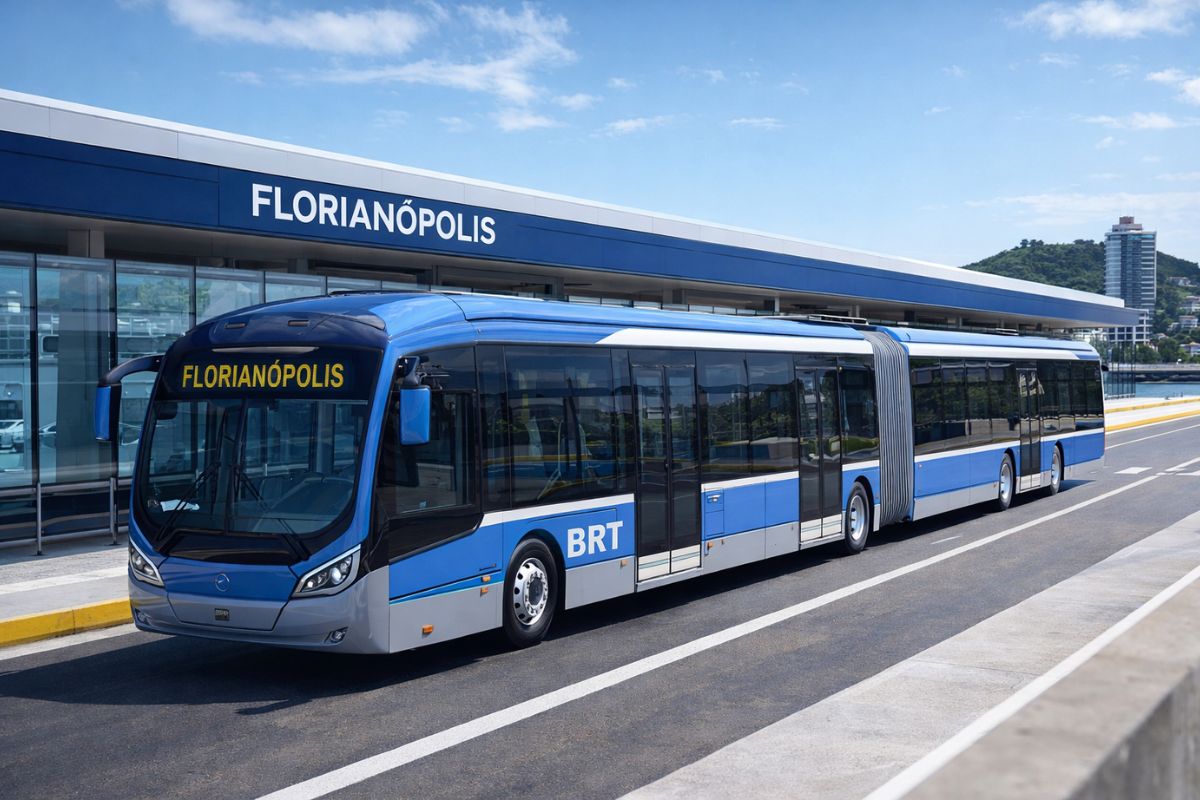
Florianópolis will receive a million-dollar BRT that will begin construction in 2026 with nearly 400 million in funding from the federal government and the Inter-American Development Bank, and the map already shows the routes for the exclusive bus corridors.
-
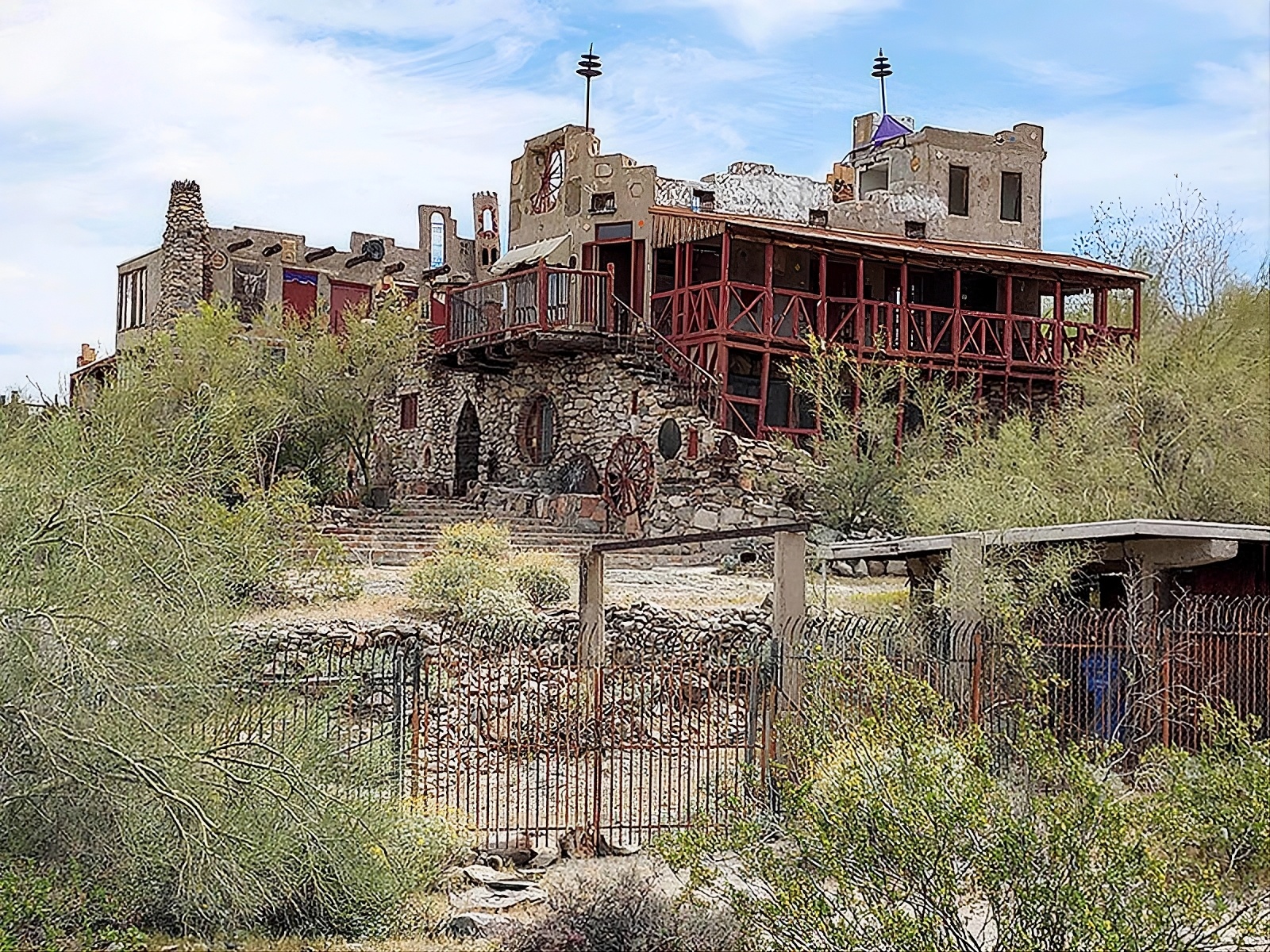
Without a blueprint, without an engineer, and using scrap from the dump, a father spends 15 years building an 18-room castle for his daughter, featuring tram tracks, 13 fireplaces, and over 700 m², which may now be demolished.

VLI’s Financing and Growth Strategy
To Cover These Financial Commitments, the Railway and Port Terminal Operator VLI Plans to Use Both Its Own Cash Generation and Explore New Financing Opportunities.
Currently, the Company Generates Over R$ 5 Billion in Operational Cash, but It Is Also Considering IPO Possibilities Should a Favorable Strategic Moment Arise. The Company Will Also Bear an Additional R$ 5 Billion for Indemnities and the Return of Non-Operational Sections, Allocating Resources for the Restructuring of Railway Lines.
According to Marchiori, the Majority of Investments Will Be Made in the First Half of the Concession, Maximizing Returns and Rapidly Expanding the Company’s Transportation Capacity. With Major Clients such as ADM, Cargill, and Bunge, and Handling a Wide Range of Products from Grains to Fertilizers and Steel Products, VLI Sees the Southeast Corridor as a Central Piece to Consolidate Its Position in the Logistics Sector and Further Increase Its Revenue.
VLI’s Bet on the Southeast Corridor Represents a Significant Milestone for the Future of Brazilian Logistics, Transforming Railway Infrastructure and Efficiently Meeting the Growing Global Demand for Brazilian Products with Sustainability.







Seja o primeiro a reagir!