





 Portuguese
  English
  Spanish
  3 min of reading
  0 comments


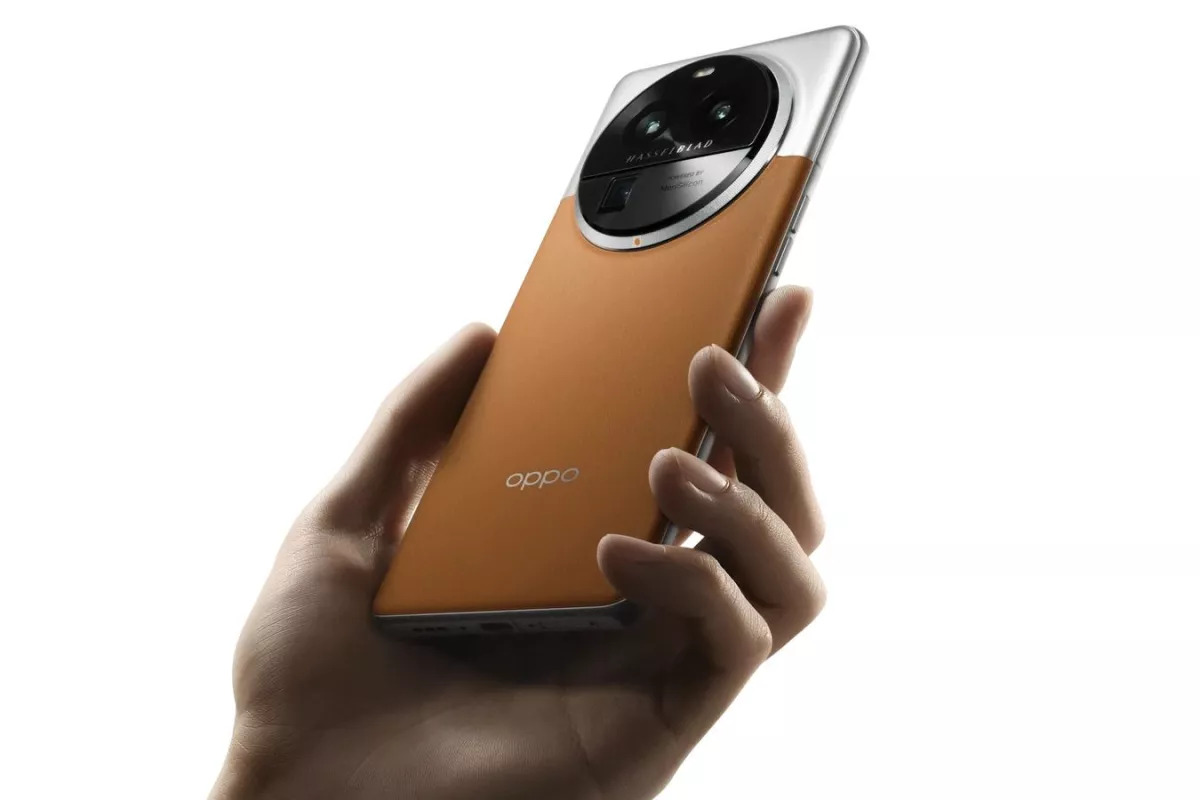
Oppo And Hasselblad Announce New Generation Of Camera Technology For Smartphones. Partnership Promises To Redefine The Image Standard.
Oppo and Hasselblad announced this week, during an event held in Sweden, the continuation of the partnership between the two brands.
The major highlight, however, was the revelation that they are developing a new generation of mobile cameras, with unprecedented technologies in the smartphone market.
The project aims to establish a new standard of image quality for mobile devices and is expected to deliver its first concrete results in Oppo’s next flagship, scheduled for 2026.
-
Goodbye batteries: a new sensor created by Japanese scientists uses sweat as an energy source and points to a promising path for more sustainable devices, with greater autonomy and less need for frequent recharging.

-
The Brazilian Army inaugurated the assembly line for the Guaicurus armored vehicle with a contract for 420 units by 2033, and the same vehicle has already been tested in combat in Afghanistan and Lebanon by European armies.

-
Xiaomi launched a 10-kilogram washing machine for less than R$910.00, so slim that it fits inside a kitchen cabinet with only 15 millimeters of clearance, featuring 24 washing programs and voice control.

-
April begins with above-average heat and irregular rains in Brazil as El Niño warms the Pacific and exceeds 80% probability for the second half of 2026, with a risk of frost in the mountains and a winter that may repeat the extremes of 2023.


The collaboration between the Chinese manufacturer and the traditional Swedish brand is not new, but it promises a significant advancement in the sector.
The focus now is to expand photographic features with cutting-edge technology, aiming to deliver images with definition and color fidelity that approach professional levels.
Partnership That Unites Tradition And Innovation
The collaboration between Oppo and Hasselblad officially began in 2022, with the Find X5 line. Since then, advancements in mobile photography have become more visible, highlighting features such as color correction, enhanced portrait mode, and the exclusive XPAN mode, which simulates the iconic 65:24 format of the Swedish brand.
However, the joint work started even earlier, about four years ago, with research and development teams dedicated to the integration of camera hardware and advanced algorithms.
The experience of Hasselblad in the professional market and Oppo’s robust investment make the promise even more impactful for consumers.
New Oppo Flagship Will Showcase Innovation
According to information released at the event, the Oppo Find X9 Ultra, expected in 2026, will be the first model to incorporate the new generation of cameras developed in partnership with Hasselblad.
The expectations are high: the smartphone is expected to feature a 200-megapixel sensor, enhanced optical technologies, and advanced image processing.
Although Oppo still does not have a strong presence in the Brazilian market, its international reputation is growing mainly due to the quality of its cameras and battery efficiency.
The company has also launched remarkable innovations, such as the Oppo Find N5, considered the thinnest foldable device in the world at the beginning of 2025.
Hasselblad: Excellence In Photography Since 1940
Founded in the late 1940s, Hasselblad is a reference in the professional camera market. Its premium lenses, powerful sensors, and robust design have won over photographers worldwide.
The quality is indisputable, but the cost is also high—its products rank among the most expensive in the segment.
The brand’s entry into the mobile world, especially with Oppo, represents an attempt to democratize photographic excellence, bringing the expertise of professional photography into the hands of millions of users.
What To Expect From The New Generation Of Mobile Cameras
With the announcement of the new generation of camera technology for smartphones, Oppo and Hasselblad signal a transformation in the sector.
The promise of a “new standard” is not just a marketing ploy: it involves significant changes in sensors, image processing, color reproduction, and usability.
While there is no set date, the complete unveiling of the news is expected to take place by the end of this year, with more details about the features and the first public tests.
For those seeking superior photographic quality in smartphones, this is an innovation worth following closely.







-

Uma pessoa reagiu a isso.