





 Portuguese
  English
  Spanish
  5 min of reading
  0 comments


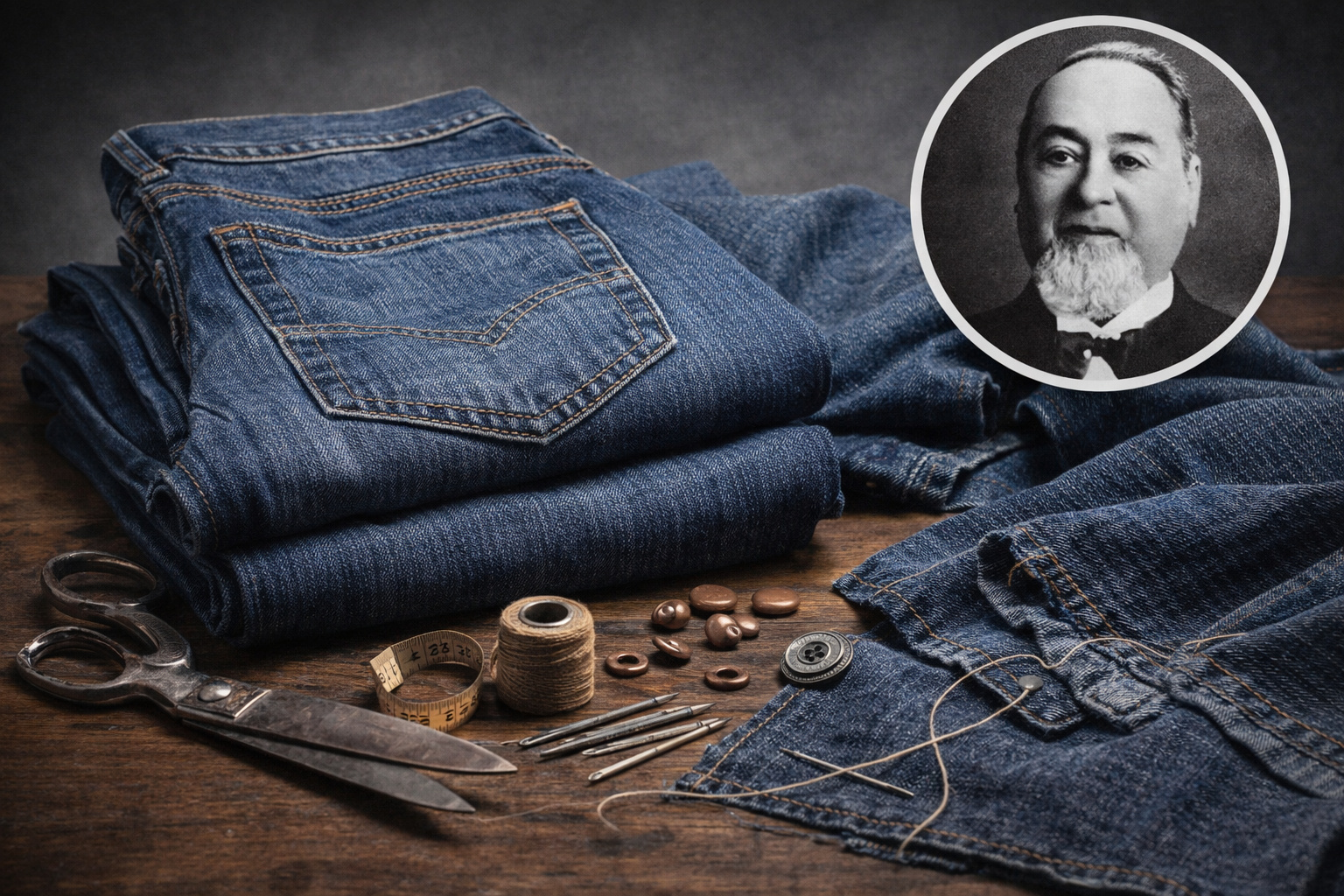
Blue jeans emerged in the 19th century as resilient clothing for miners and railroad workers, using denim fabric dyed with indigo that withstood heavy work.
Today, jeans are one of the most popular clothing items on the planet. They appear on fashion runways, in the casual wardrobe of millions of people, and even in luxury collections by major international brands. However, the origin of this iconic piece is very different from what many imagine.
Jeans were born as heavy work clothing, created to withstand the extreme conditions faced by miners and laborers in the western United States during the 19th century.
The story begins during the California gold rush, a period when thousands of workers sought fortune in the mines. These men needed extremely durable clothing, as regular pants tore quickly under the wear and tear of daily activities. It was in this context that one of the most durable pieces in fashion history emerged.
-
With 30 meters in length, a house in England appears to float in the air and surprises engineers and architects around the world due to its visual effect and construction method suspended over sloped terrain.

-
Called El Inmortal, the building that survived earthquakes in Ecuador seems to balance, defies the laws of physics, and impresses with its bold construction structure.

-
A gigantic dam project in the Himalayas could solve one crisis but silently create another for millions of people.

-
Nikola Tesla said that intelligent people tend to have fewer friends, and now science partially confirms this: a study with over 15,000 people showed that for the more intelligent, socializing too much can even reduce life satisfaction.

The Gold Rush Created the Need for More Resilient Clothing
During the 1850s, California was experiencing an intense period of mineral exploration. The gold rush attracted workers from various parts of the world. The routine in the mines was extremely tough. Miners spent hours digging rocks, transporting heavy equipment, and working in environments filled with dust, mud, and moisture.
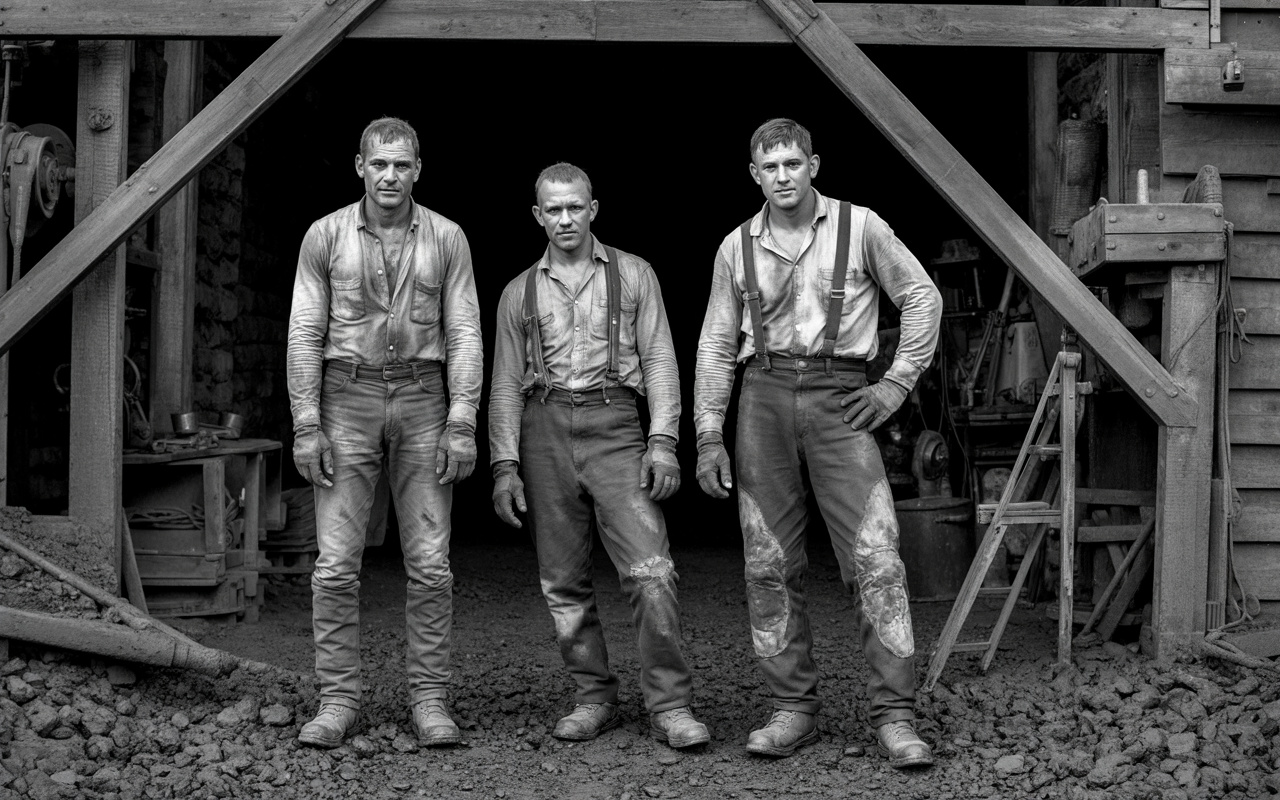
The clothes available at the time were not designed for this kind of effort. Pants made from common fabrics tore quickly, especially at the pockets and high-friction areas. This situation created a demand for more durable clothing, capable of withstanding heavy work.
Levi Strauss and Jacob Davis Created the First Jeans
The solution to this problem arose thanks to the partnership between two men: Levi Strauss and Jacob Davis. Levi Strauss was a merchant who sold fabrics and various products to workers in the American West. Jacob Davis was a tailor who made custom clothing for miners.
Davis had the idea to reinforce the pants by using copper rivets on the most vulnerable areas, such as the corners of the pockets. These rivets prevented the fabric from tearing easily. Realizing the potential of the invention, Davis approached Levi Strauss to patent the idea.
On May 20, 1873, the two received the patent for the model of pants reinforced with metal rivets. This document is considered the official birth of modern jeans.
Denim Became the Base of Jeans
The first reinforced pants were made from an extremely durable fabric called denim. This fabric originated in France and derives from the expression “serge de Nîmes,” which literally means “fabric from Nîmes,” a French city known for textile production.
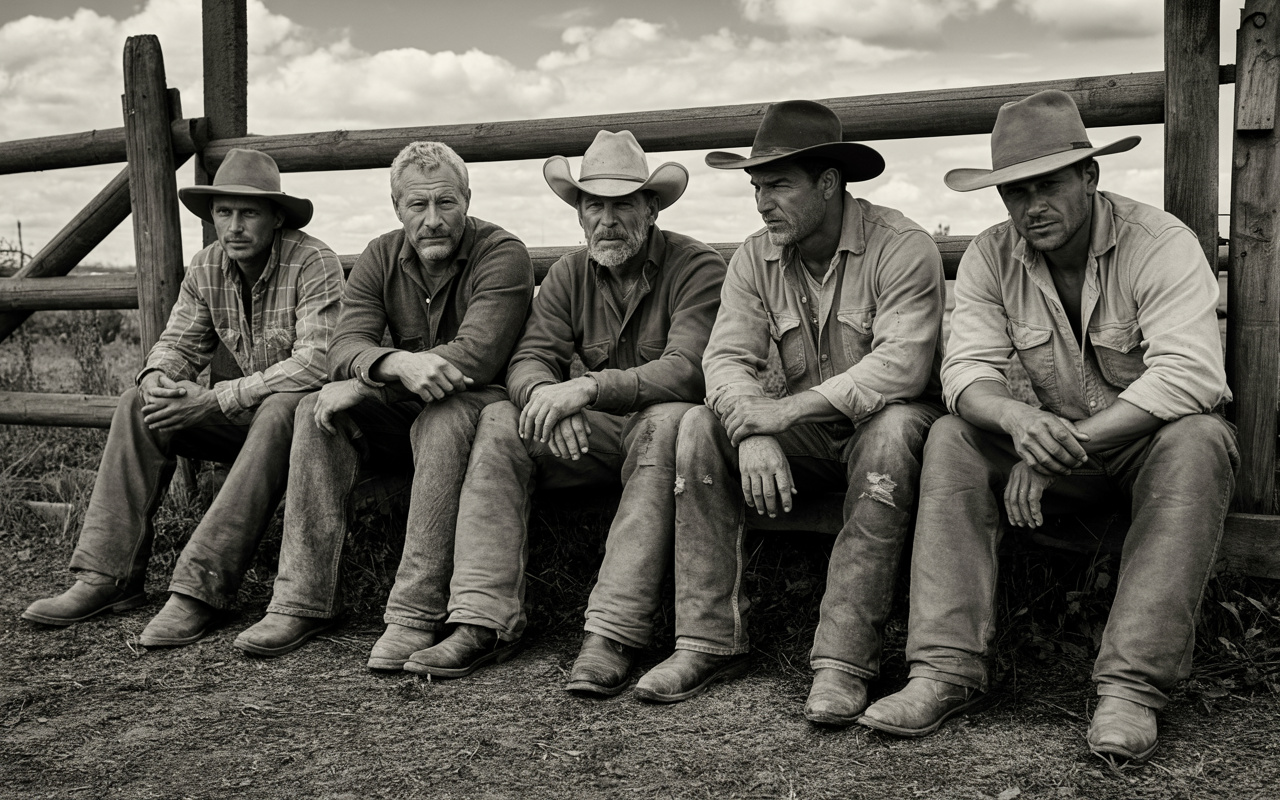
Denim is produced with cotton in a specific weave that creates great resistance to wear. This feature made the material ideal for work clothing. In addition to resilience, the fabric also presented another important characteristic: its ability to be dyed with indigo dye.
Indigo Gave Jeans Their Characteristic Color
The denim used in the first jeans was dyed with indigo, a natural dye obtained from plants. This dye was widely used in the textile industry at the time because it had several important advantages. Among them were:
- good color durability
- ease of application
- resistance to fading
Another interesting characteristic of indigo is that it does not penetrate completely into the cotton fibers. It mainly adheres to the surface of the thread. Because of this, when jeans wear out with use, the blue color begins to gradually fade, creating the worn effect that is now considered one of the most striking elements of the piece. This phenomenon is responsible for the unique aspect that each pair of jeans acquires over time.
Jeans Dominated Workers’ Clothing
After the 1873 patent, the pants produced by Levi Strauss & Co. began to spread rapidly among workers. Jeans became especially popular among miners, railroad workers, farmers, and construction workers.
The durability of the fabric and metal rivets allowed the pants to withstand years of intense use. This represented a significant advantage over traditional clothing of the time. For decades, jeans remained associated with heavy labor and manual professions.
Jeans Became a Cultural Symbol in the 20th Century
The transformation of jeans into a fashion item began to take place in the 20th century. One of the factors that helped this change was cinema. During the 1940s and 1950s, Hollywood actors began wearing jeans in films that depicted life in the American West.
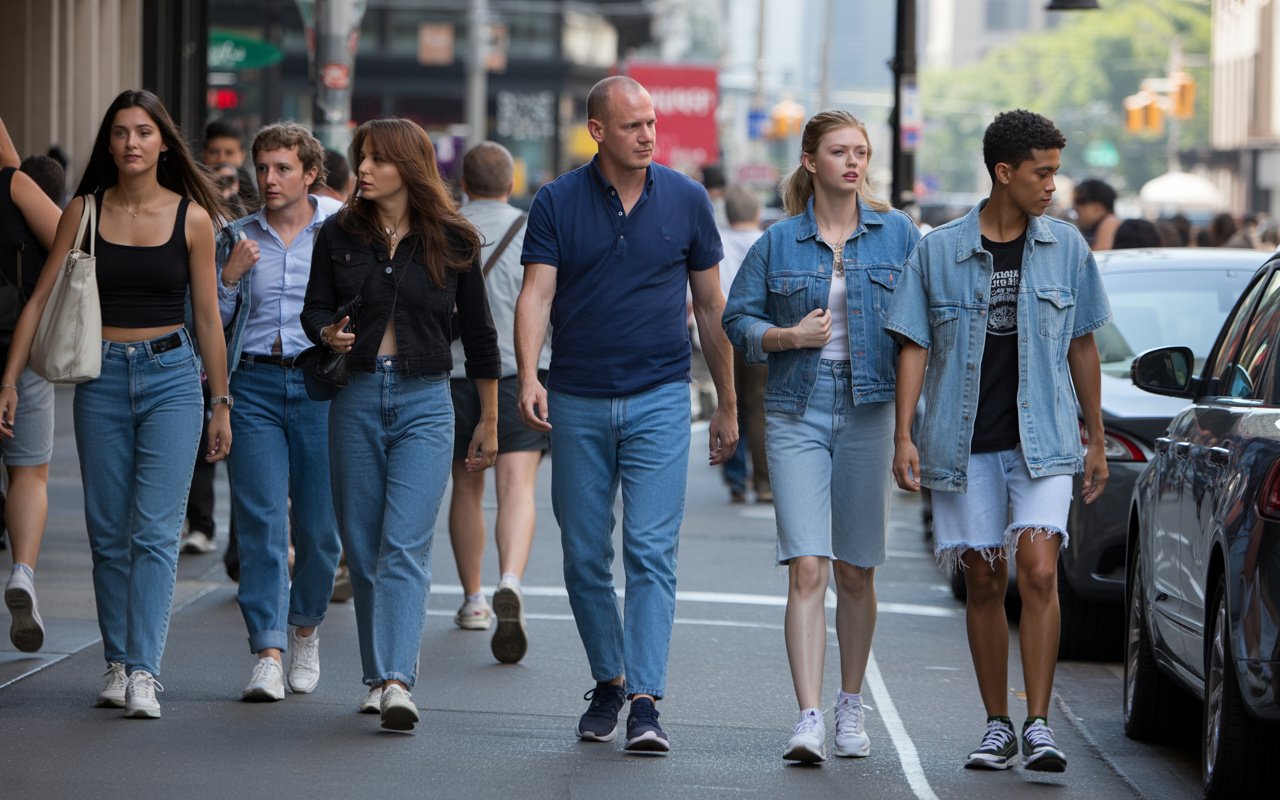
Subsequently, artists like James Dean and Marlon Brando popularized jeans among youths. The piece began to represent rebellion, youth, and style. In the following decades, jeans became an essential part of popular culture.
They began to be used by different social groups and appeared in various fashion styles. What was once heavy work apparel transformed into a global symbol of style and cultural identity.
Jeans Today Is One of the Most Worn Clothing Items in the World
More than a century after its creation, jeans remain one of the most popular clothing items on the planet. It is estimated that billions of pairs of jeans are produced annually in different countries. In addition, the material is also used in various other products, such as jackets, skirts, shirts, and accessories.
The denim industry has evolved over time, incorporating new washing, dyeing, and design techniques. Despite this, the basic structure of the piece remains the same as created in the 19th century.
A Piece of Clothing Created for Heavy Work Became a Fashion Icon
The story of jeans shows how a practical solution to a daily problem can transform into a global cultural phenomenon. Originally created to withstand the hard work of California miners, jeans ended up surpassing their initial function.


Today, it is worn in almost every country and by people of different styles and professions. What started as resilient work clothing in the 19th century has transformed into one of the most iconic garments in history.








-

-

-

-

-

19 pessoas reagiram a isso.