





 Portuguese
  English
  Spanish
  6 min of reading
  0 comments


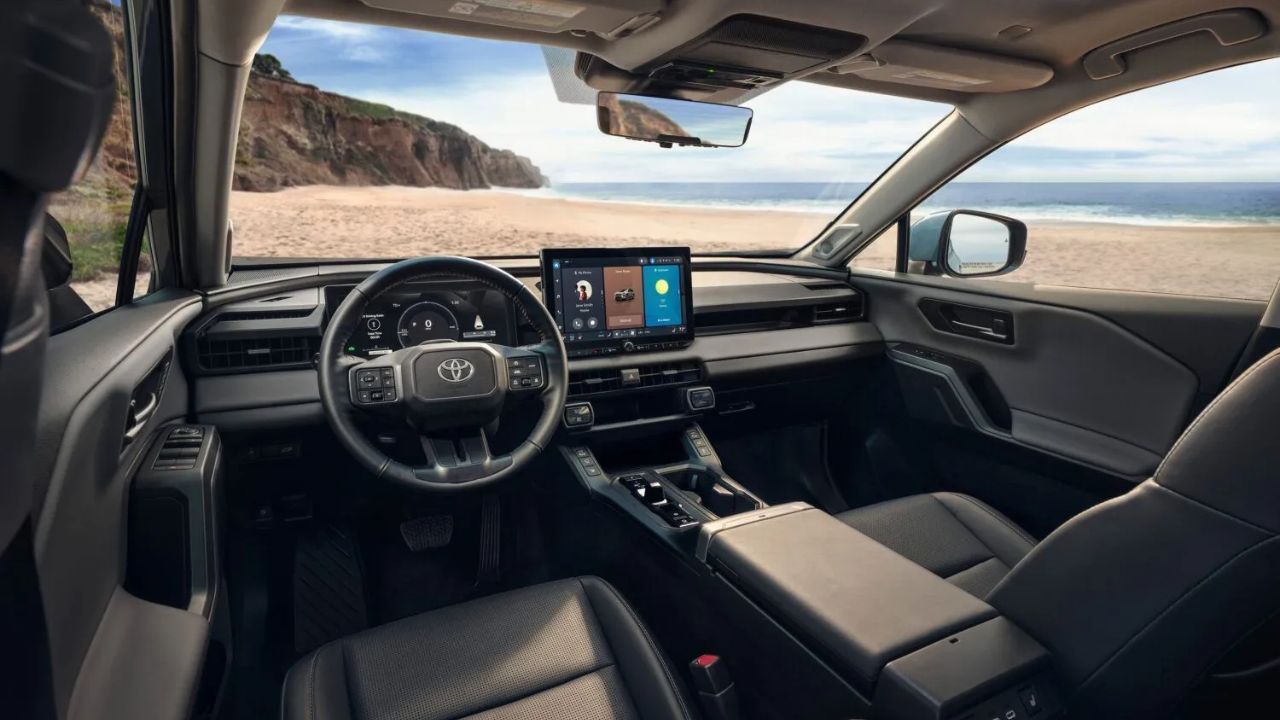
Learn Everything About Cars for 2026: Prices of Kicks Turbo, Nivus GTS, New Generation of RAV4, and the Complete List of SUVs That Attract Attention in the Market.
The year 2026 promises to be a milestone for the automotive industry, bringing a complete renewal to Brazilian garages with the most attention-grabbing SUVs for their technology and performance. The market is preparing to welcome both established models that finally gained the mechanical breath they deserved and electric machines capable of humiliating traditional supercars in acceleration.
In this careful selection, we analyze not only the look but also what pulses under the hood and the impact on the wallet of the Brazilian consumer. From the end of the “bullying” suffered by underpowered utilities to the arrival of technologies that make a tank of fuel last for weeks, we have prepared a complete guide with estimated prices and technical specifications that will define the new sales leaders.
10. Nissan Kicks 2026

Opening our list is the car that decided to turn the tide. The old Kicks struggled with a 1.6 naturally aspirated engine that, although reliable, left something to be desired in performance. Nissan solved the problem by equipping the new generation with a 1.0 turbo flex 3-cylinder engine. Although small in size, it delivers 125 horsepower and, most importantly, a torque of 22.4 kgfm.
-
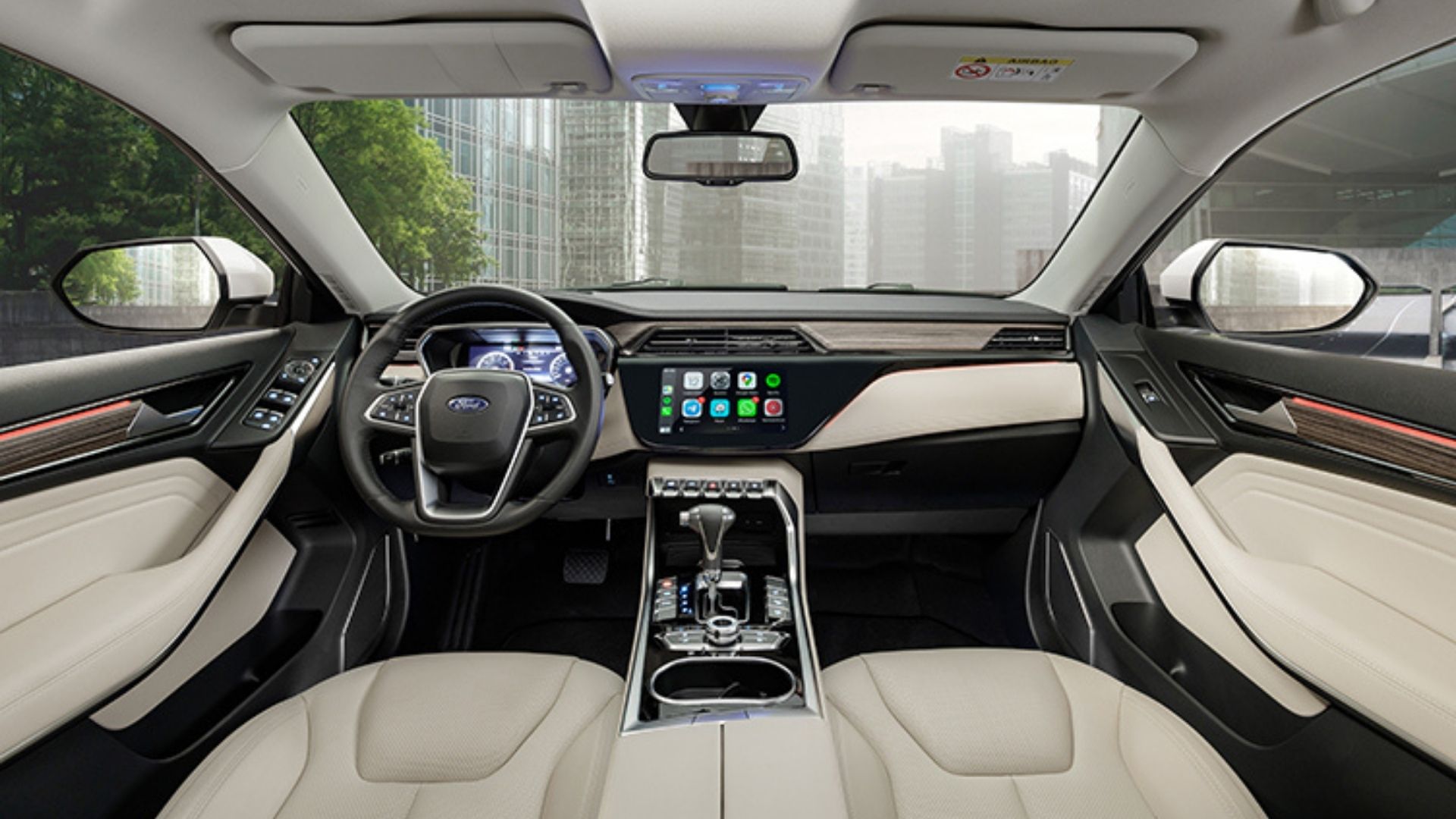
Around R$ 24,000: 4 used Ford SUVs with up to 253 hp, V6 engine, all-wheel drive, 7 airbags, panoramic sunroof, and a complete package that surprises with its price and performance in Brazil.
-
A brand new car starts at around R$ 75,000 in Brazil, but what stands out the most is seeing streets filled with SUVs and expensive sedans in a country where millions remain in debt.

-
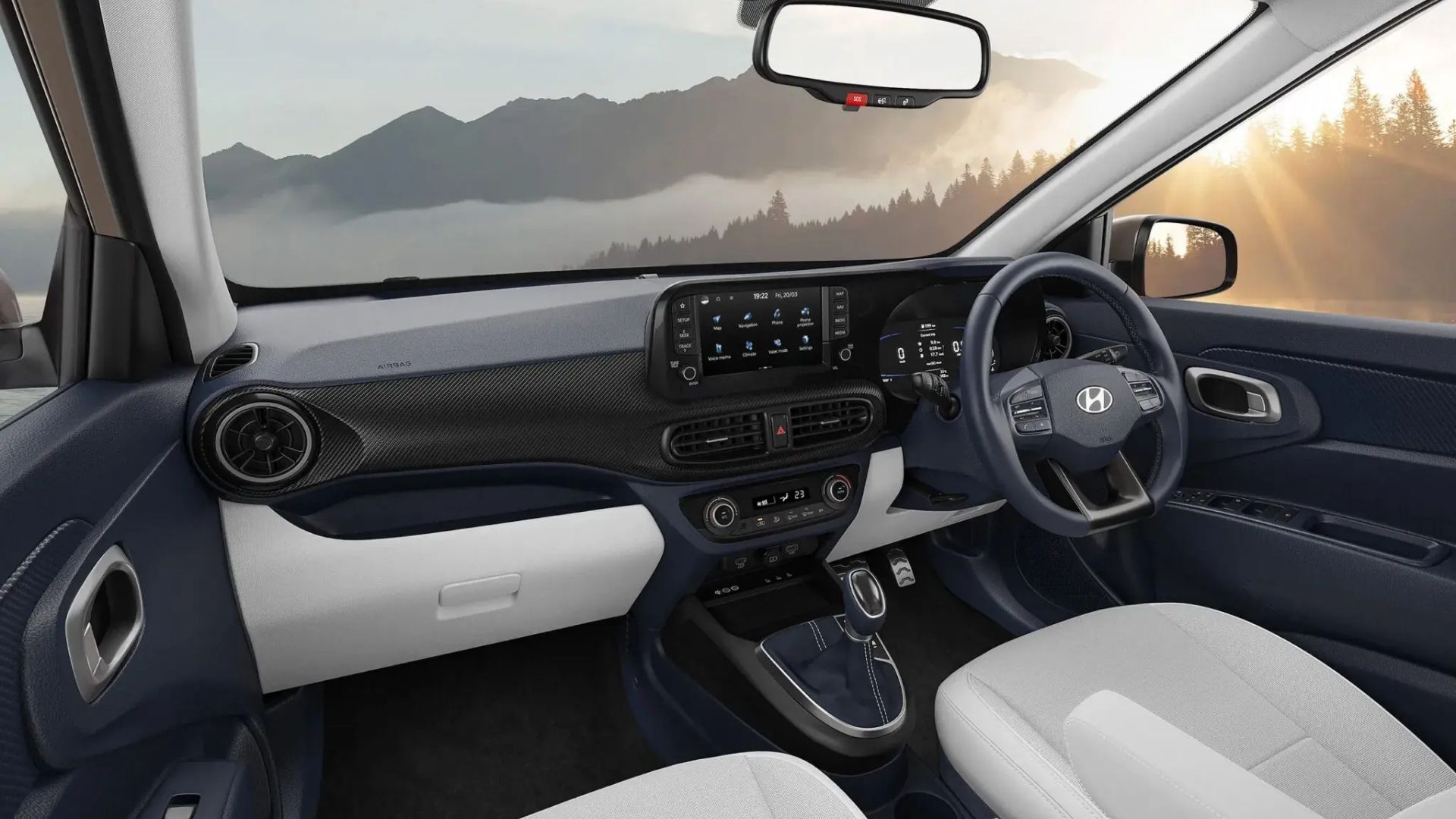
For R$ 32,000, a brand new Hyundai car is a rival to the Kwid with a 1.2 engine producing 82 hp, 6 airbags as standard, multimedia with wireless Android Auto, up to 391 liters in the trunk, and a refreshed look for 2026 in India.
-
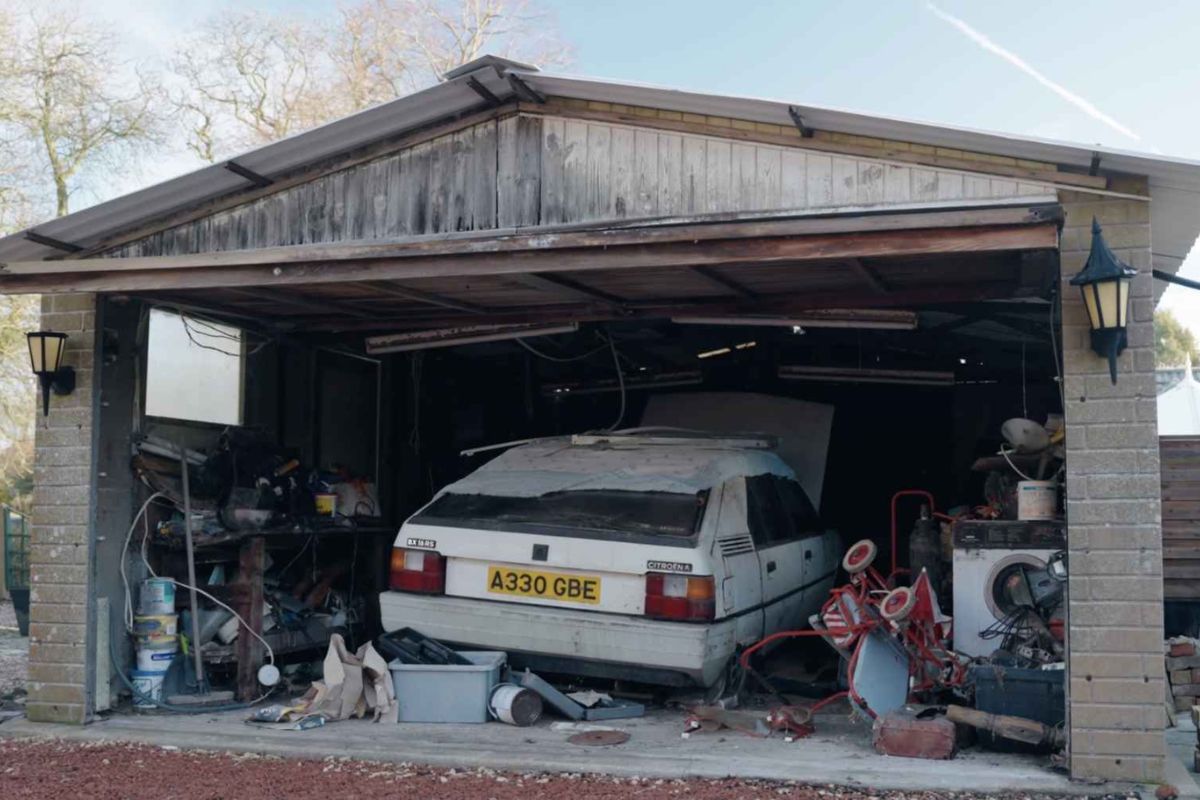
He bought a new car in 1983, locked it in the barn in 1988, and no one opened the door for 38 years until the family discovered what was stored inside and realized it looked like something out of a movie.

This power is managed by a six-speed automated dual-clutch transmission, retiring the CVT focused solely on economy. The model has grown longer and wider, ready to fight for leadership. In the United States, it costs about 22 thousand dollars, but in Brazil, the top-of-the-line version is expected to arrive costing between R$ 150,000 and R$ 160,000.
9. Volkswagen Nivus GTS

In ninth place is the coupe that is a sales success and now carries the brand’s legendary initials. The Nivus GTS arrives in 2026 to fill the gap left by the orphans of the Golf. The big news is the replacement of the 1.0 TSI engine with the renowned 250 TSI 1.4 turbo 4-cylinder engine, delivering 150 horsepower and 25.5 kgfm of torque.
This set allows for 0 to 100 km/h in about 8.5 seconds, ensuring safe acceleration on the road. The aggressive look features IQ Light Matrix headlights and exclusive bumpers. In Europe, where it is sold as Taigo, it costs 28 thousand euros. Here, the estimate is that this model will arrive costing between R$ 165,000 and R$ 175,000.
8. Jeep Compass Black Hawk

The king of midsize SUVs decided to take steroids to maintain his throne and appears in eighth position. Stellantis performed the long-awaited heart transplant: the traditional flex engine is out, and the Hurricane 4 from the Ram Rampage pickup comes in. There are a brutal 272 horsepower and 40 kgfm of torque, allowing the SUV to accelerate from 0 to 100 km/h in an impressive 6.3 seconds.
The Black Hawk version features 19-inch wheels, red calipers, and darkened finishes, along with a dual exhaust that delivers a sporty roar. However, the fuel consumption is high, averaging 5 to 6 km/l in the city. To own the fastest midsize SUV in the category, Brazilians will need to spend around R$ 280,000.
7. BYD Song Plus New Generation

While some bet on brute strength, the seventh place focuses on intelligence and efficiency. The new generation of BYD Song Plus, known overseas as Seal U, adopts a much more aggressive “Ocean” design. The mechanics maintain the DM-i hybrid system but improved to offer combined autonomy that promises to make drivers forget the gas station.
The system uses a 1.5 naturally aspirated engine as a generator for the electric motor, which drives the car. The interior is a showcase of technology with a rotating screen. Due to taxes on electric and hybrid vehicles, the price in Brazil is expected to be between R$ 240,000 and R$ 260,000, double the price in China.
6. Toyota Corolla Cross Facelift 2026

In sixth place is one of the most attention-grabbing SUVs for its rationality. The Corolla Cross 2026 has received a makeover, with an integrated honeycomb-style front grille and corrections to past criticisms: the exhaust “bucket” has been hidden, and the foot parking brake has been replaced with an electronic button.
The 1.8 Flex hybrid mechanics remain unbeatable in urban consumption, exceeding 17 km/l. It is a car focused on reliability and resale value. The top-of-the-line version XRX, with a new digital dashboard and sunroof, is expected to be priced at no less than R$ 210,000.
5. Volvo EX30

Fifth place proves that size isn’t everything. The Volvo EX30 is a premium compact that delivers supercar performance. The Twin Motor Performance version combines two electric motors to generate 428 horsepower and 55 kgfm of torque, propelling the car from 0 to 100 km/h in just 3.6 seconds.
The interior takes minimalism to the extreme, using recycled materials and concentrating everything in a central screen, with no dashboard behind the steering wheel. The top-of-the-line bimotor version comes close to R$ 290,000, being the cheapest way to own a car that accelerates in under 4 seconds in Brazil.
4. GWM Haval H6 GT

In fourth place, we have the “worker class’s X6”. The Haval H6 GT democratized the coupe SUV silhouette with an aggressive design and sporty spoilers. The plug-in hybrid set combines a 1.5 turbo engine with two electric motors, resulting in 393 horsepower and 77 kgfm of torque.
It goes from 0 to 100 km/h in 4.8 seconds and has an electric range that allows for significant city driving without consuming gasoline. The model also features a V8 engine sound simulator in the cabin. The listed price is around R$ 315,000, offering performance like a German car that costs triple.
3. Honda HR-V Touring
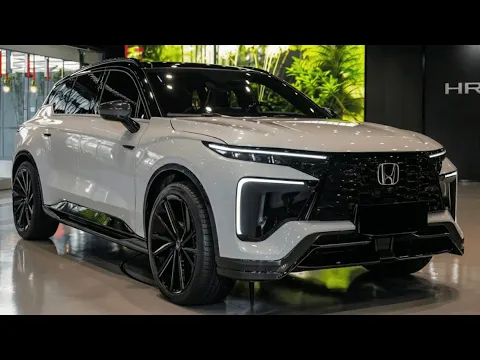

Third place goes to the master of balance and financial safety. The HR-V Touring stands out with its 1.5 turbo engine with 177 horsepower, transforming the car’s behavior delivers a feel almost like a sports sedan.
The interior finish in light colors brings sophistication, and the Honda Sensing package as standard offers semi-autonomous driving on the road. Although it comes at a high price due to the brand’s “label,” around R$ 199,800, it compensates with low depreciation and ease of resale.
2. Porsche Macan

The silver medal goes to the dream car that defies physics. For 2026, Porsche divided the soul of the Macan. On one side, the combustion model GTS continues to be a reference in fun. On the other side, the new Macan EV Turbo 100% electric delivers mind-boggling numbers: 639 horsepower and over 115 kgfm of torque.
With an 800V architecture for ultra-fast charging and rear-wheel steering, it accelerates from 0 to 100 km/h in 3.3 seconds. In Brazil, the entry-level model starts at R$ 580,000, but the top versions break the R$ 800,000 barrier.
1. Toyota RAV4 New Generation

At the top of the podium is the global emperor. The Toyota RAV4 is the best-selling SUV in the world and, for 2026, adopts a square and robust look inspired by the Tacoma pickup. The big revolution is that it is now 100% hybrid, eliminating the gasoline-only versions.
The Prime Plug-in version is the highlight, combining the 2.5 engine with powerful electric motors to deliver 306 horsepower. It accelerates from 0 to 100 km/h in less than 6 seconds and can drive 70 km without using fuel. The new generation is expected to hit Brazil with a price close to R$ 400,000, charging for the excellence of a hard-to-beat package.
Which of these machines would you park in your garage in 2026 or which model is missing from this list?








Seja o primeiro a reagir!