





 Portuguese
  English
  Spanish
  4 min of reading
  3 comments


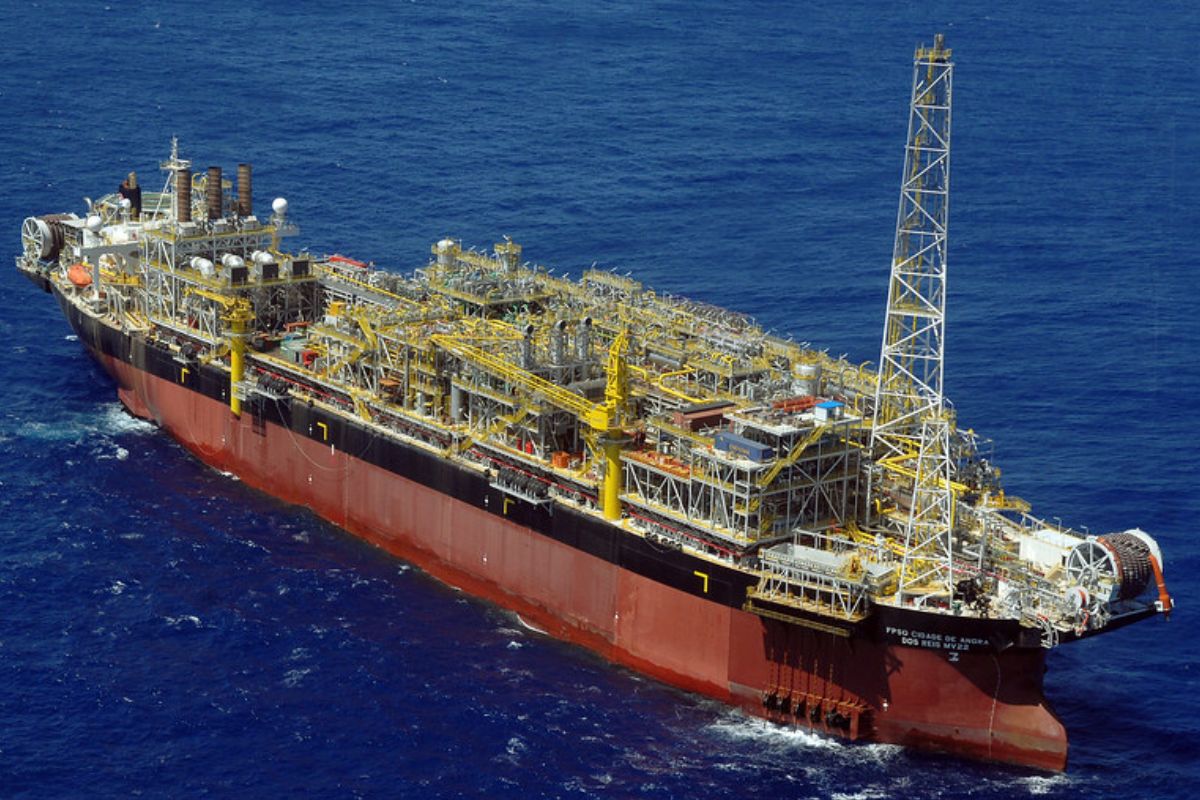


The Discovery of the Tupi Field in 2006, in the Santos Basin, Began a New Era for Petrobras, Transforming Brazil into a Global Oil Power.
The discovery of the Tupi Field in July 2006 marks the turning point in the history of the Brazilian oil industry. The announcement of a giant reservoir, with up to 8 billion barrels of oil, located beneath an impenetrable layer of salt nearly 7,000 meters deep, not only changed the country’s energy map but also reshaped Brazil’s economic and geopolitical future.
What was once considered the “end of the world” for oil exploration became a productive reality. Operated by Petrobras, the Tupi Field not only required the overcoming of unprecedented technological challenges, but also boosted national production to record levels, placing the country among the largest oil producers and exporters in the world.
The Discovery of 2006: The Calculated Bet of Petrobras That Found a Treasure in the Tupi Field
The existence of oil beneath the salt layer had been a theory that intrigued Petrobras geologists for years. However, exploration was considered extremely high-risk, as there was no established technology for drilling in such an extreme environment. The turning point came in 2003 when the state-owned company’s board, with the support of the federal government, decided to take the risk and invest in an ambitious drilling program to test the thesis that the salt layer, which for millions of years had sealed and cooked organic matter, held an energy treasure.
-
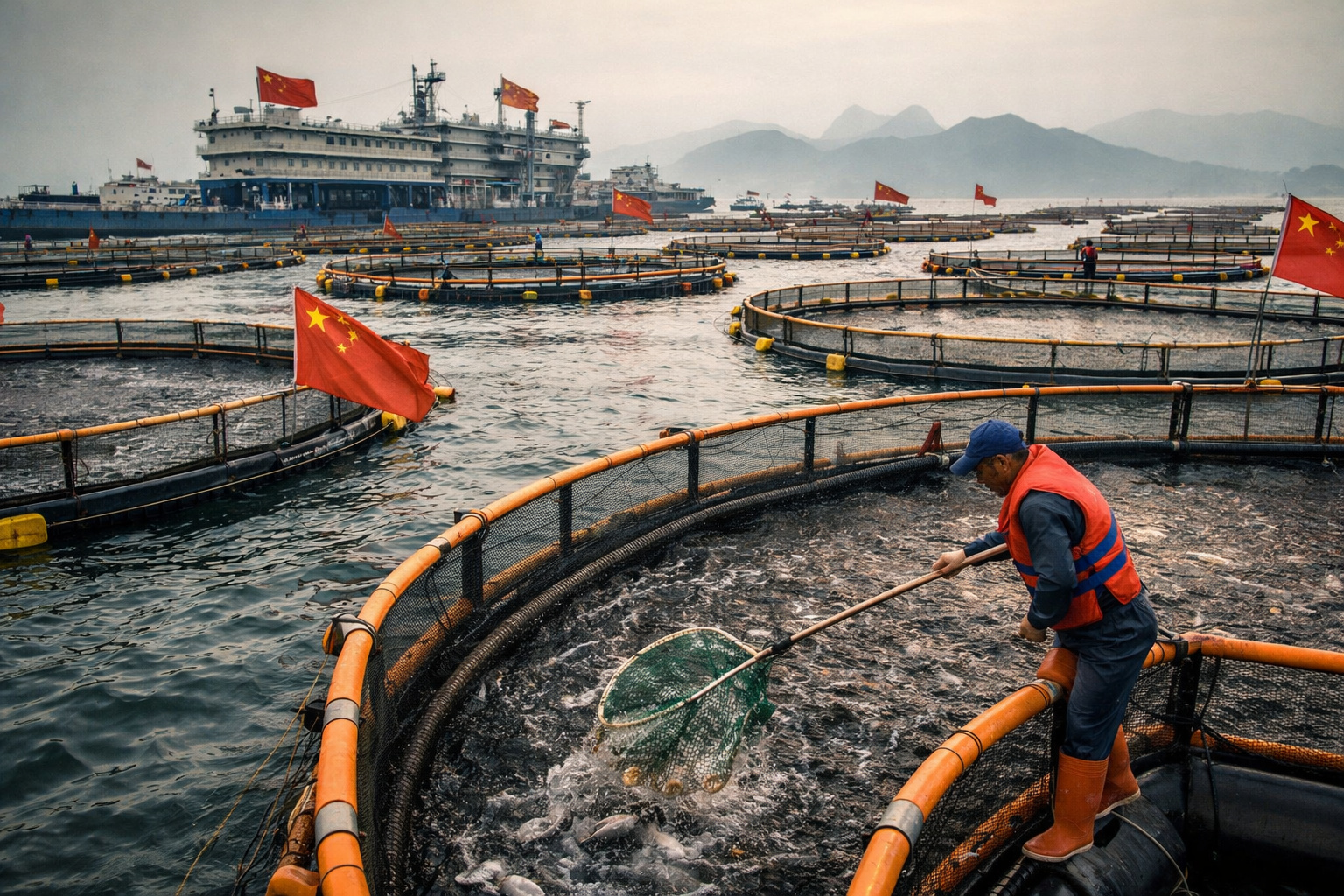
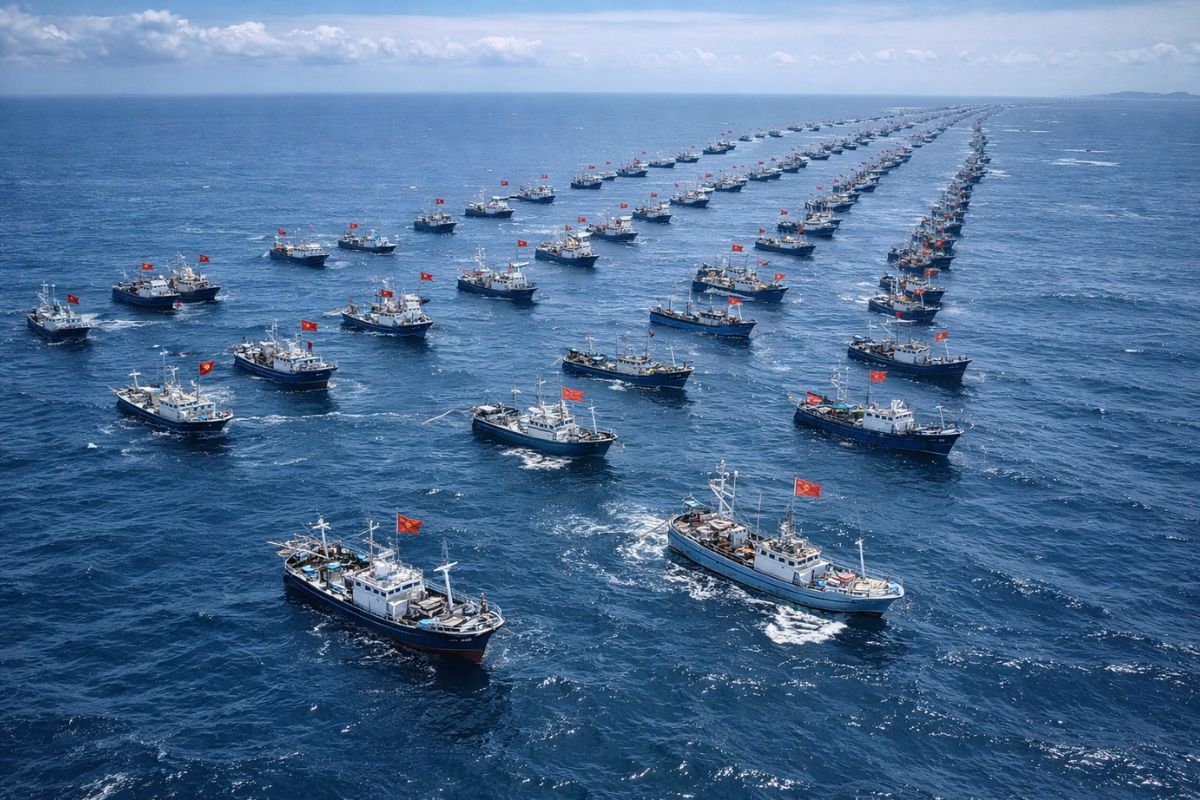
Neither Brazil nor the USA: China produces over 60% of the world’s farmed fish and accounts for about 40% of all global seafood, using industrial-scale aquaculture megafarms to influence the international market and supply billions of people.
-
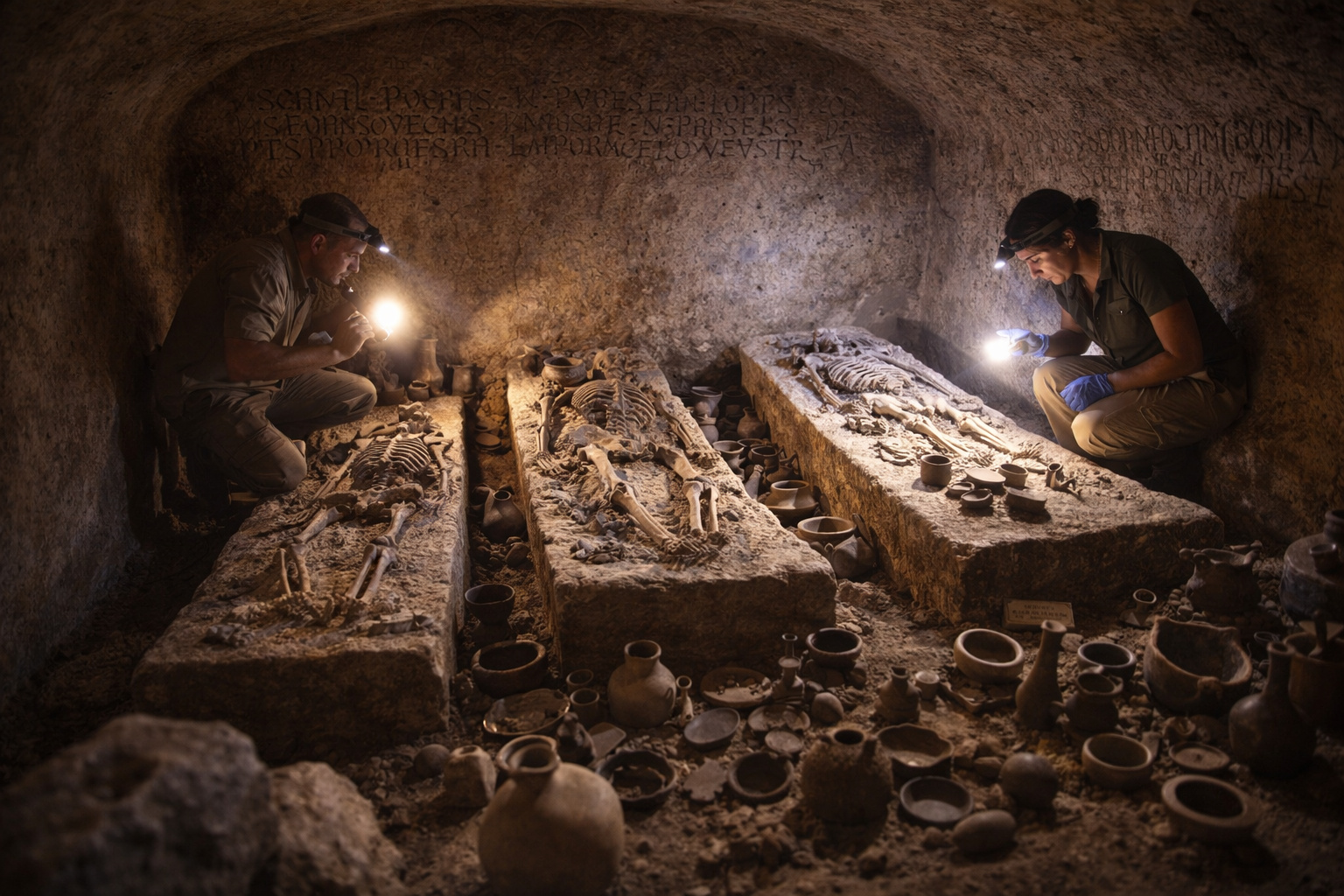
Archaeologists opened the only Etruscan chamber never looted in 2,600 years and found four individuals lying on stone beds with 110 intact objects around them, and the inscriptions found in the tomb have not yet been deciphered because the Etruscan language is a mystery that science has not yet solved.
-
Health issues urgent alert for flu and calls for the vaccination of the elderly, children, and pregnant women this Saturday with Day D and drive-thru in Curitiba.

-
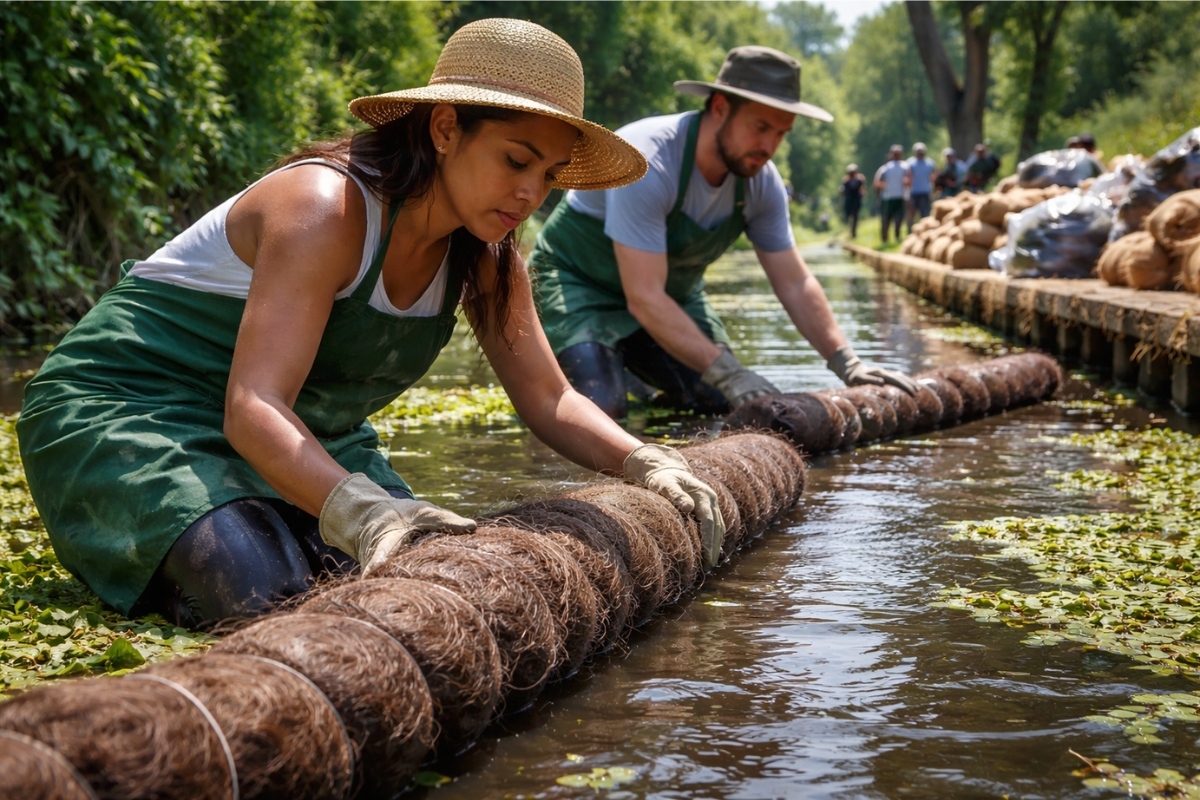
What seemed like waste has turned into a barrier, and now human hair collected from salons helps retain debris in the water of ancestral channels in Latin America.

The decisive moment came in July 2006, when the pioneering well 1-BRSA-369-RJS, drilled in block BM-S-11 of the Santos Basin, confirmed the existence of an immense column of high-quality oil. The discovery was kept secret for more than a year, and the official announcement in November 2007 shook the global industry. The Tupi Field was operated by a consortium led by Petrobras (65%), in partnership with BG Group (25%), now part of Shell, and Galp Energia (10%).
The Technology of FPSOs and the Reinjection of CO₂ to Conquer the 7,000 Meters of Depth

Developing the Tupi Field required a technological revolution. The pre-salt environment, with ultra-deep waters, a 2,000-meter-thick salt layer, and reservoirs under high pressure and temperature, forced Petrobras to create unprecedented solutions.
The production strategy was based on the use of Floating Production, Storage and Offloading Units (FPSOs). Between 2010 and 2019, a fleet of nine of these floating production units was installed in the field, in a project that utilized a “replicating” design to accelerate construction and reduce costs.
The most important innovation was the management of CO₂. With the extracted gas being rich in carbon dioxide, Petrobras developed the pioneering CCUS (Carbon Capture, Utilization and Storage) technique. The CO₂ is separated on board the FPSO and reinjected into the reservoir, a double benefit solution: environmentally, by preventing the emission of millions of tons of greenhouse gases; and economically, by using the gas to maintain reservoir pressure and increase oil recovery.
The Production of the Tupi Field That Surpasses That of Entire Countries
Production in the Tupi Field officially began on May 1, 2009, with a Long Duration Test. Since then, the rise has been meteoric. By July 2019, the field was already producing nearly 1 million barrels of oil per day.
Even in April 2024, after 15 years of operation, Tupi maintained an average production of 850,000 barrels of oil equivalent per day, representing about 20% of all Brazilian production. The scale is so vast that if the Tupi Field were a country, it would rank among the 20 largest oil producers in the world, with a volume higher than nations such as Colombia.
From Tupi to Lula and Back: The Political Controversy Over the Name of the Field

The immense importance of Tupi for Brazil made its name a symbolic and political battleground. In December 2010, at the end of President Luiz Inácio Lula da Silva’s term, Petrobras announced that the field would be renamed from Tupi to “Lula Field.” The official justification followed the tradition of using names of marine beings, but the coincidence generated significant controversy.
Critics saw the act as a personal promotion maneuver with a public asset. The issue went to court, and after a lengthy legal battle, a federal court annulled the change, citing “misuse of purpose.” In September 2020, Petrobras officially announced that the field would revert to being called Tupi.
The Impact on the Economy and the Plans for Revitalization
The impact of Tupi on the Brazilian economy has been transformative. The pre-salt production, led by the field, transitioned Brazil from an importer to an exporting power. By 2024, oil became the country’s primary export product. In just 2023, the Tupi Field generated R$ 37 billion in taxes and royalties.
Today, the field has entered a phase of maturity, and Petrobras already has an ambitious revitalization plan to extend its productive life, including new wells and a possible tenth FPSO. However, Tupi’s long-term future depends on resolving a complex dispute with ANP regarding its classification, which impacts taxes and the extension of the contract. How Brazil manages this challenge will define the next chapter of the saga of its most important oil field, a legacy that began with the search for energy security and today faces the test of its sustainability.






Vamos construir usinas capazes de refinar este petróleo todo,e parar de depender de outros países
O Brasil arrecada bilhões e bilhões só com impostos e royalties só de petróleo, sem contar com a maior e pior carga tributária do planeta. Pior é q não se consegue fechar as contas de um orçamento q sempre tá negativo.
Ninguém consegue controlar a ânsia louca dos políticos em aumentar a carga tributária c/sucessivos aumentos de impostos, contribuições e taxas sem a devida contraprestação dos servicos à sociedade.
Queremos saber até onde querem chegar!
Eu fiz a venda do sistema de cabeça de poço desenvolvida para perfuração do primeiro poço do pré-sal.